






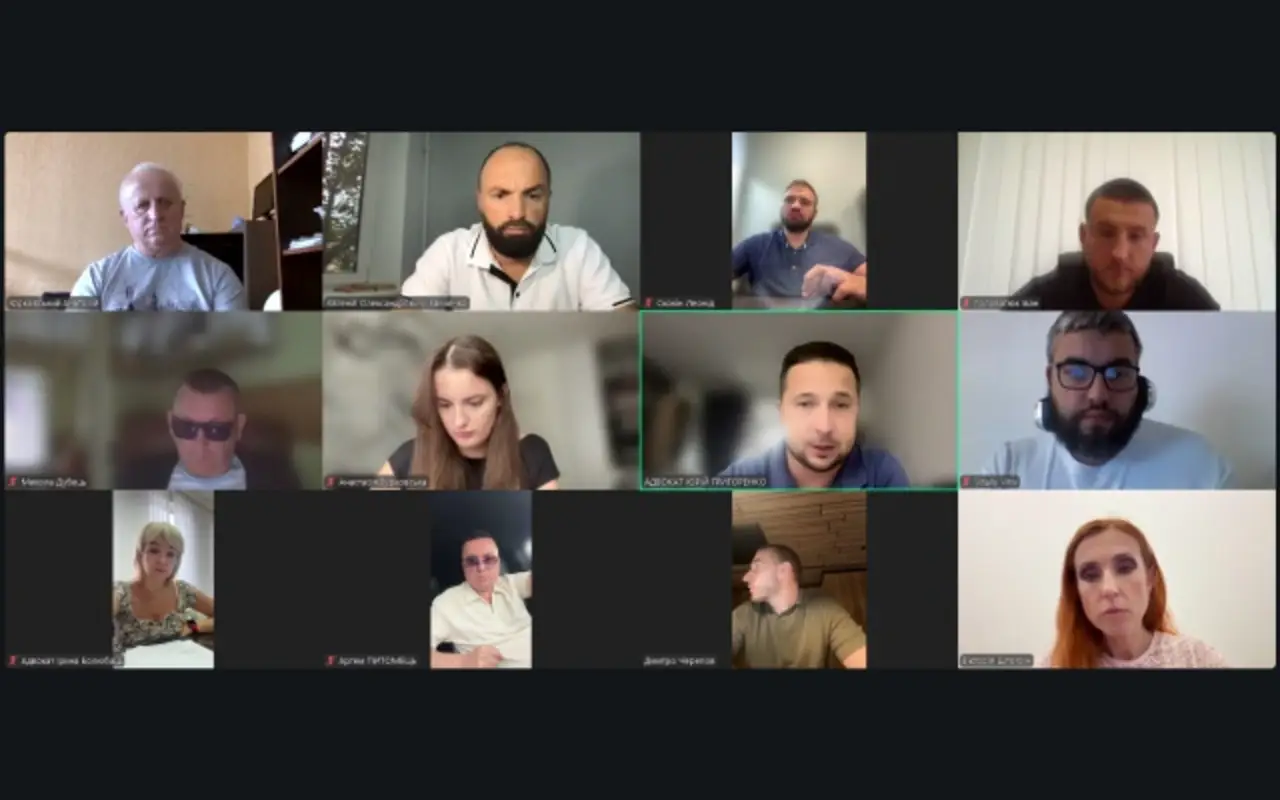
A side effect of the video conference: the judge mistook the sound of a chair for the advocate's response
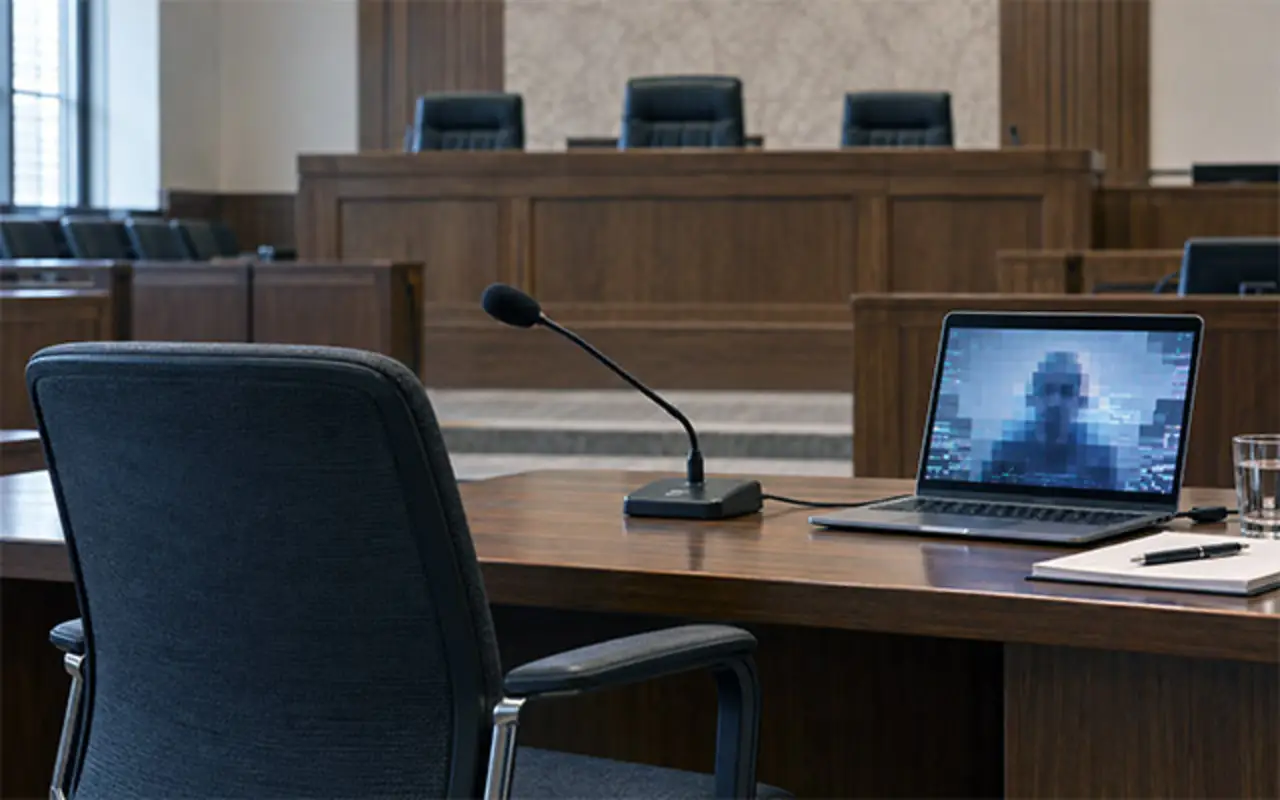
Technology also has its downsides. The High Council of Justice acquitted a judge who failed to hear the advocates during court proceedings in a civil case. One of the arguments presented to the disciplinary body was poor connectivity, the risks of which are borne by the participants.
«Law and Business» reports on the decision of the First Disciplinary Chamber of the High Council of Justice, which denied the advocate’s complaint against the judge.
The advocate noted that, as the defendant’s representative, the presiding judge cut him off in the middle of his second sentence without allowing him to continue his statement, while his colleague was not given the opportunity to express any opinion at all. The judge independently concluded that the advocate was objecting to the claim, stating «You are requesting that the claim be dismissed…» and, without allowing him to say a single word, went into the deliberation room.
According to Article 242 of the Code of Civil Procedure, the parties to the case deliver statements during court proceedings. Each party is allotted an equal amount of time to speak. The duration of court debates is determined by the chairman, taking into account the views of the parties and based on a reasonable amount of time for presenting arguments. The chairman may interrupt a speaker only if the speaker strays beyond the scope of the case under consideration, repeats themselves, or significantly exceeds the time limits set by the court for presenting arguments during court debates.
The advocate also expressed the view that the court hearing transcript had been falsified, since it stated that the advocate had been given the floor during the court proceedings, whereas in reality, the advocate had not been granted such an opportunity.
However, the disciplinary inspector who reviewed the materials formed a different impression. He listened to the recording of the hearing and agreed that the sound of the chair being moved by the advocate after the judge asked whether he objected to the claim could be interpreted as «Yes».
Pursuant to Part 5 of Article 212 of the Code of Civil Procedure, the risks associated with the technical impossibility of participating in a videoconference outside the courtroom, interruptions in the connection, and so on, are borne by the party to the case or their representative who filed the relevant motion, except in cases where the court, after scheduling a hearing or during such a hearing, lost the technical capability to conduct the videoconference.
The judge, for her part, also noted that in the courthouse where she works, only one courtroom is equipped for video conferencing throughout Ukraine. Consequently, the waiting list for its use was quite long. Furthermore, this dispute had already been pending for 16 months, and the parties had every opportunity to present their evidence, which they did. The judge also noted that the appellate court had upheld her decision, merely reducing the amount to be recovered from the defendants.
In light of these circumstances, the disciplinary inspector proposed that the judge not be held disciplinarily liable, a proposal that was unanimously supported by the members of the chamber.
Popular news
Guarantees of the practice of law
Independent oversight is necessary before using CISA materials against an advocate – Lidiya Izovitova
Before the prosecution uses information obtained during covert investigative actions and related to an advocate’s activities, independent procedural oversight must be conducted. It is necessary to determine whether such information is covered by attorney-client privilege and whether it may be disclosed.
Self-government
Efforts to develop advocacy must be brought to fruition — A. Misyats
The Ukrainian advocacy profession is currently going through a critical phase. Amid the war, it must ensure the continuity of legal aid, defend the independence of the profession, and improve qualification and disciplinary procedures in accordance with European standards. The work that has been started must be brought to a practical conclusion.
Support
Protecting the legal profession, cybersecurity and support for advocates: common themes for the IBA and the UNBA
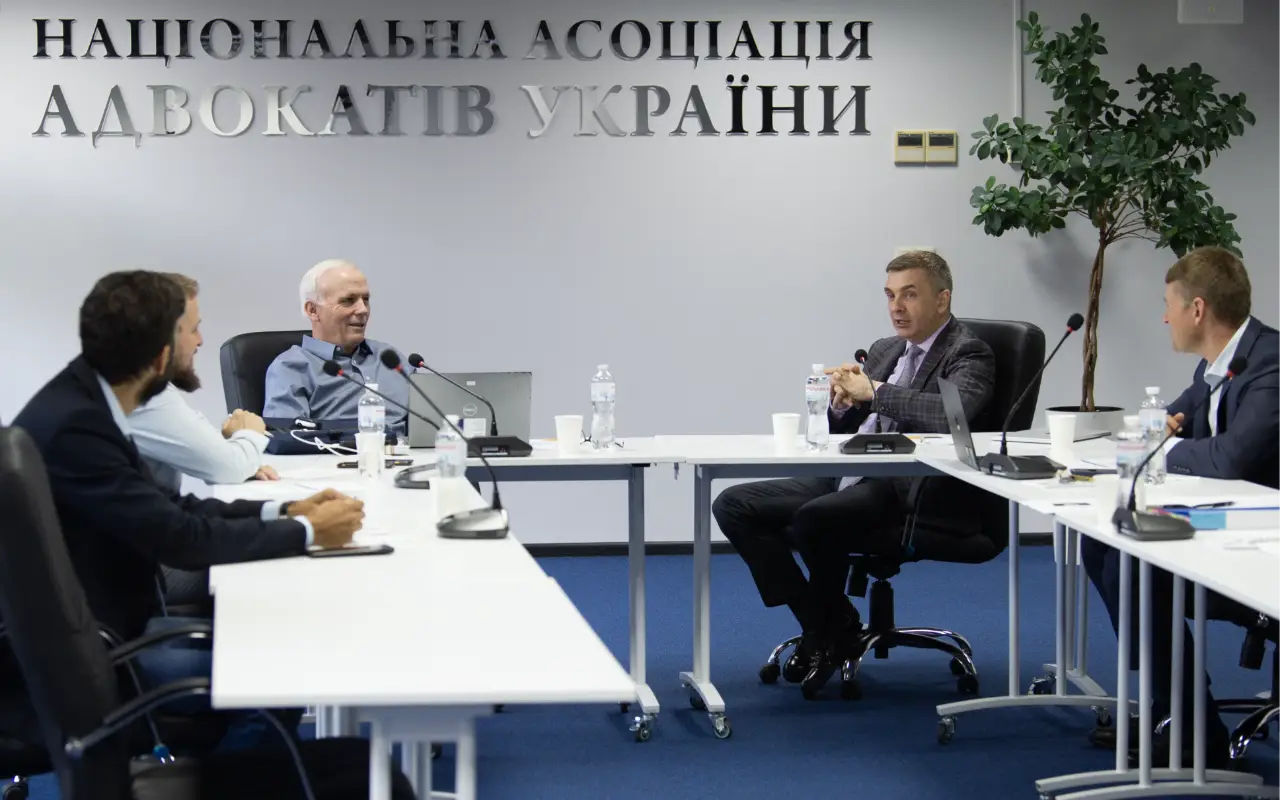
On September 18, a working meeting was held at the office of the Ukrainian National Bar Association with Executive Director of the International Bar Association (IBA) Mark Ellis. The parties discussed the Ukrainian advocacy profession’s participation in European legal processes, the protection of the UNBA’s digital infrastructure, psychological support for advocates and future areas of cooperation.
Educational events
Tax residency of Ukrainians abroad: what matters
The determination of tax residency for Ukrainians who have been living abroad for an extended period depends on the combination of their personal and economic ties to each country. The established status determines the procedure for reporting income, paying taxes and fulfilling CFC reporting obligations.
War
Are Europe's advocacy associations prepared for a potential war? V. Gvozdiy shared lessons from the Ukrainian experience
The continuity of the bar’s self-governance, the protection of professional registries and archives, as well as equal guarantees of employment for advocates, judges, and prosecutors must be enshrined in advance in legislation in the event of war or another emergency.
Legal defence of military personnel
Payments to military personnel require clear and uniform criteria — UNBA Committee
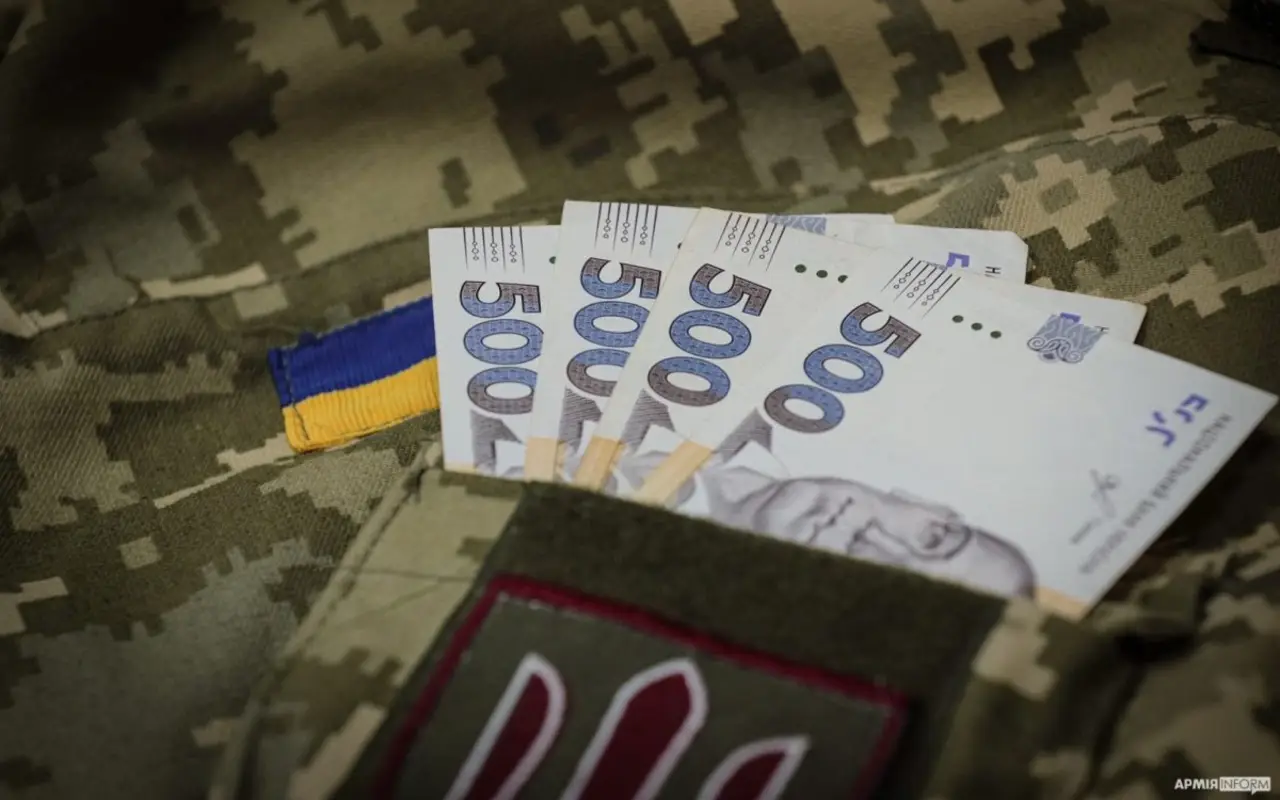
The vagueness of terms in subordinate regulatory acts leads to differing interpretations of the grounds for paying additional compensation to military personnel. The UNBA has proposed harmonizing these acts and establishing transparent criteria for the allocation of funds.
Discussion
Finding them isn't enough: issues surrounding the seizure and return of crypto assets
The technical structure of transactions does not automatically identify the person who controlled the crypto wallet, and courts have reached differing conclusions on whether a digital asset can be seized as physical evidence. So how can one prove ownership of such assets, enforce court orders, and return funds to victims?
Legislation
The UNBA will prepare guidelines on lawyers' requests
By the end of 2026, the UNBA Committee on the prevention of administrative offenses committed against advocates will develop guidelines on drafting advocate inquiries and responding to refusals to provide information. There are also plans to standardize the practice of applying Article 212-3 of the Code of Administrative Offenses.
Publications

Vasyl Kolishnyi, «Law and Business» Supporting mental health should become part of the professional culture of the Bar, - H. Udovenko

Volodymyr Matsko Extradition during wartime: when the risks outweigh the request

Volodymyr Matsko Extradition as a systemic form of rights violations

Victoria Yakusha, Law and Business The anti-corruption vertical cannot «take care» of the Bar as an institution, - acting head of the HQDCB

Censor.net Protecting advocates – protecting justice: addressing concerns about the new law

Ihor Kolesnykov A BRIEF SUMMARY REGARDING THE APPLICATION OF THE ORDER ON EXTENDED CONFISCATION IN LATVIA REGARDING FINANCIAL ASSETS OF…

Valentyn Gvozdiy WORKING IN A WAR ZONE

Lydia Izovitova Formula of perfection

