


How glasses help you switch off advocate mode – a lifehack
The constant need to be available to clients, thinking about cases outside of work hours, and internalizing others’ emotions blur the line between an advocate’s professional and personal life. That is why it is important to practice switching between contexts, use external «anchors» and separate one’s own responsibilities from those of the client.
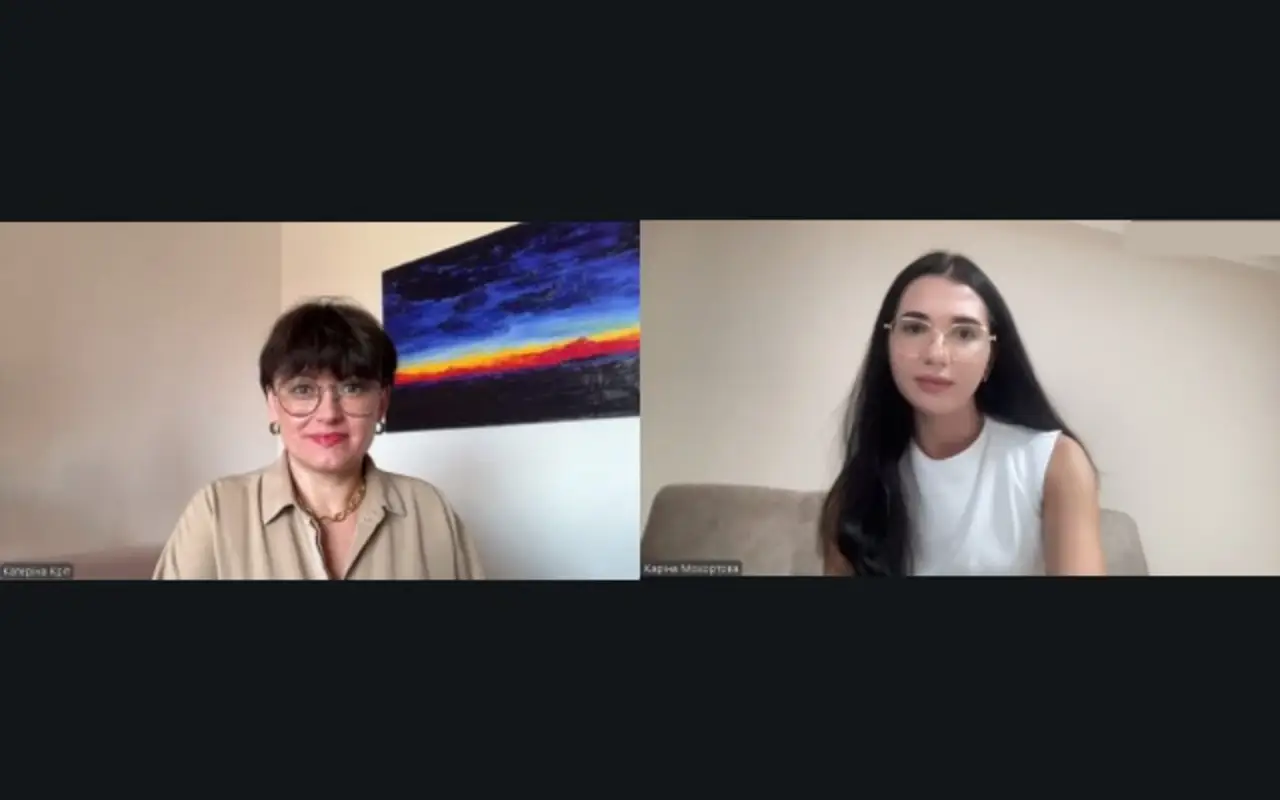
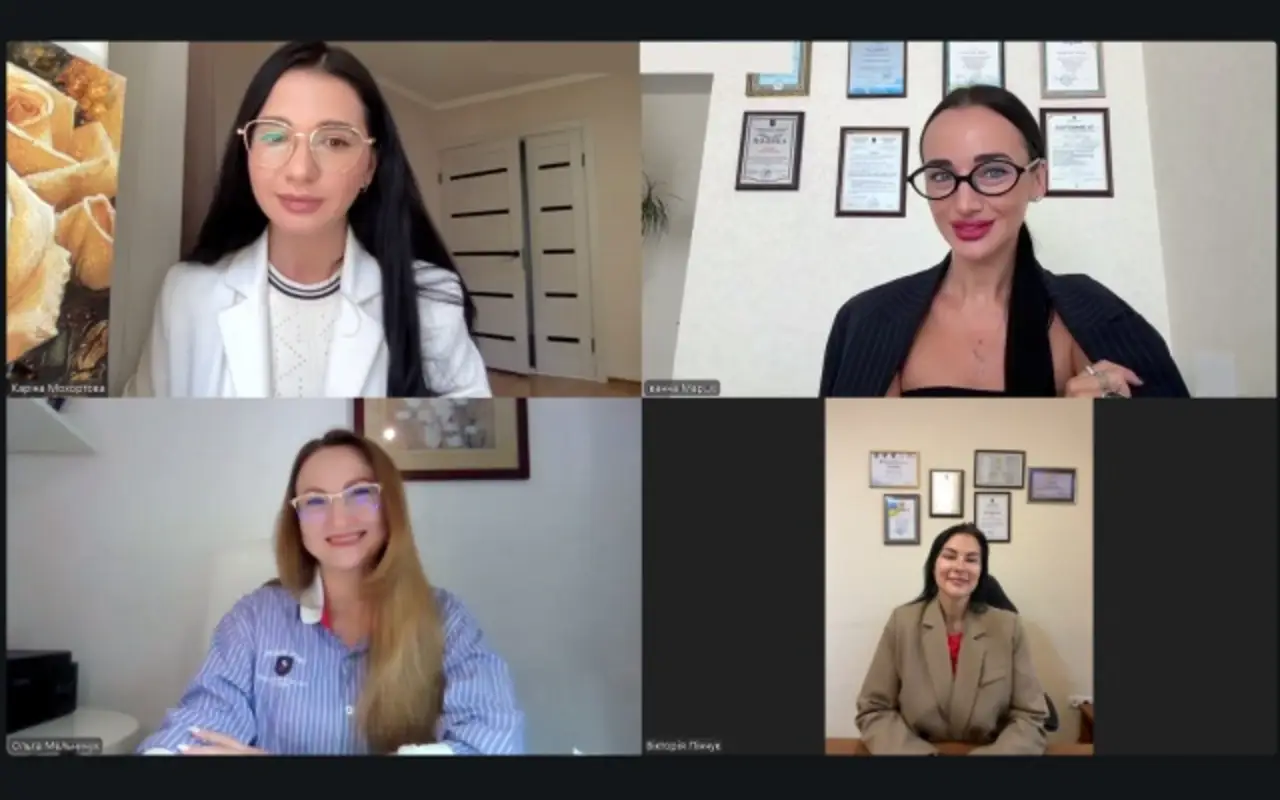
This was discussed during the webinar «When helping others, it’s important not to lose yourself: preventing burnout among young advocates», organized by the UNBA NextGen in the Odesa region. The event was moderated by the Committee’s regional representative Karina Mokhortova. The speaker was business psychologist Katerina Krit.
According to her, advocate work requires both emotional resilience and sensitivity. Clients come to an advocate with problems, so the advocate must empathize with the client’s situation while maintaining a professional distance. Added to this are conflict situations, client expectations, responsibility, the need to make quick decisions, and the constant need to keep up with changes in legislation. And the advocate’s state of mind affects the quality of decisions, especially when they must be made quickly under critical conditions.
K. Krit identified the «portal» practice as one way to distinguish between roles. A specific action or space can mark the end of one context and the transition to another. For example, leaving the office can signify that the professional role remains there, and on the way home, the person does not continue to address work-related tasks. This kind of transition requires repetition and gradually becomes second nature.
Additional cues can include clothing, glasses, an accessory, or another work-related item. By removing or changing it after finishing work, a person signals to the brain that work mode is over. Such an «anchor» should be chosen individually. «One of my clients has separate glasses for work and for her personal life. We can use any life hack that works specifically for us. We need to experiment and find what can serve as a signal to the brain that «we’re done», - the psychologist explained.
During the discussion, K. Mokhortova noted that an advocate may remain in their professional role at home, on weekends, and even during non-work-related activities, since clients call whenever they need to. However, the speaker suggested stepping into the role of an advocate only when contacted and not remaining on constant standby until a call comes in.
The topic of responsibility allocation was also discussed. An advocate should be responsible for their part of the work, while the client is responsible for providing documents on time, ensuring the completeness of the information provided, and their own actions. «Divide responsibilities between yourself and your client in a professional sense. And be mindful of where you’re taking on responsibility for things that the client could handle on their own», - the speaker recommended. After all, the inability to say «no», the fear of making mistakes, and the inability to tolerate other people’s dissatisfaction all contribute to burnout.
Responding to a question about handling cases involving death, violence, and family conflicts, K. Krit advised distinguishing between empathy and internalizing another person’s emotions. By adopting the perspective of an observer, an advocate can distance themselves from the situation, view it from the outside, and identify more potential solutions without fully internalizing the client’s emotional experience.
Popular news
Legislation
A bill implementing the Convention on the Protection of the Professions of Lawyer has been introduced
The constitutional guarantees of legal aid, defense, and the independence of advocacy cannot be realized without protecting advocates from unwarranted interference in their professional activities, including searches, the seizure of professional materials and the use of criminal procedural mechanisms to exert pressure.
Abroad
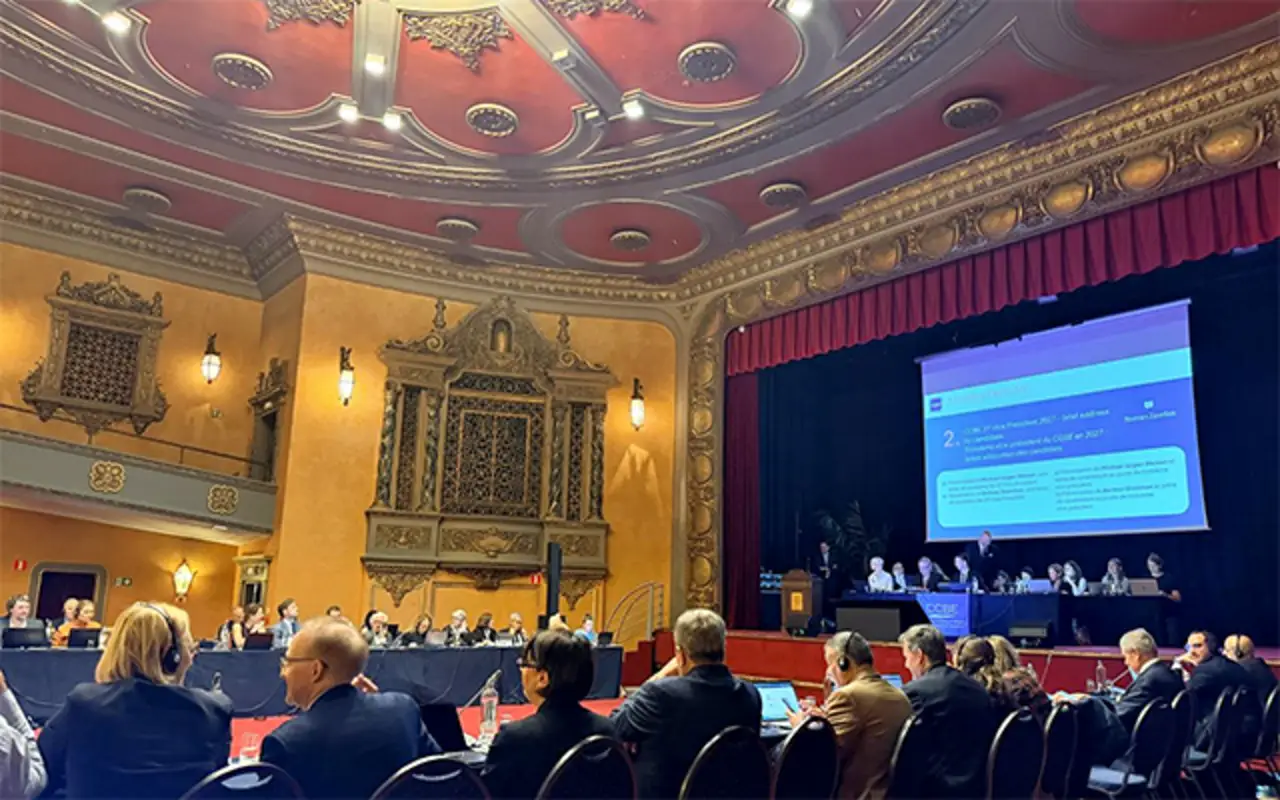
The CCBE is discussing European justice and issues related to the protection of advocates
Today, October 2, a meeting of the Standing Committee of the Council of Bars and Law Societies of Europe (CCBE) is taking place in Brussels. On the agenda are the protection of the advocate profession, the rule of law, attorney-client privilege, and changes in the European justice system.
Rule of Law Roadmap
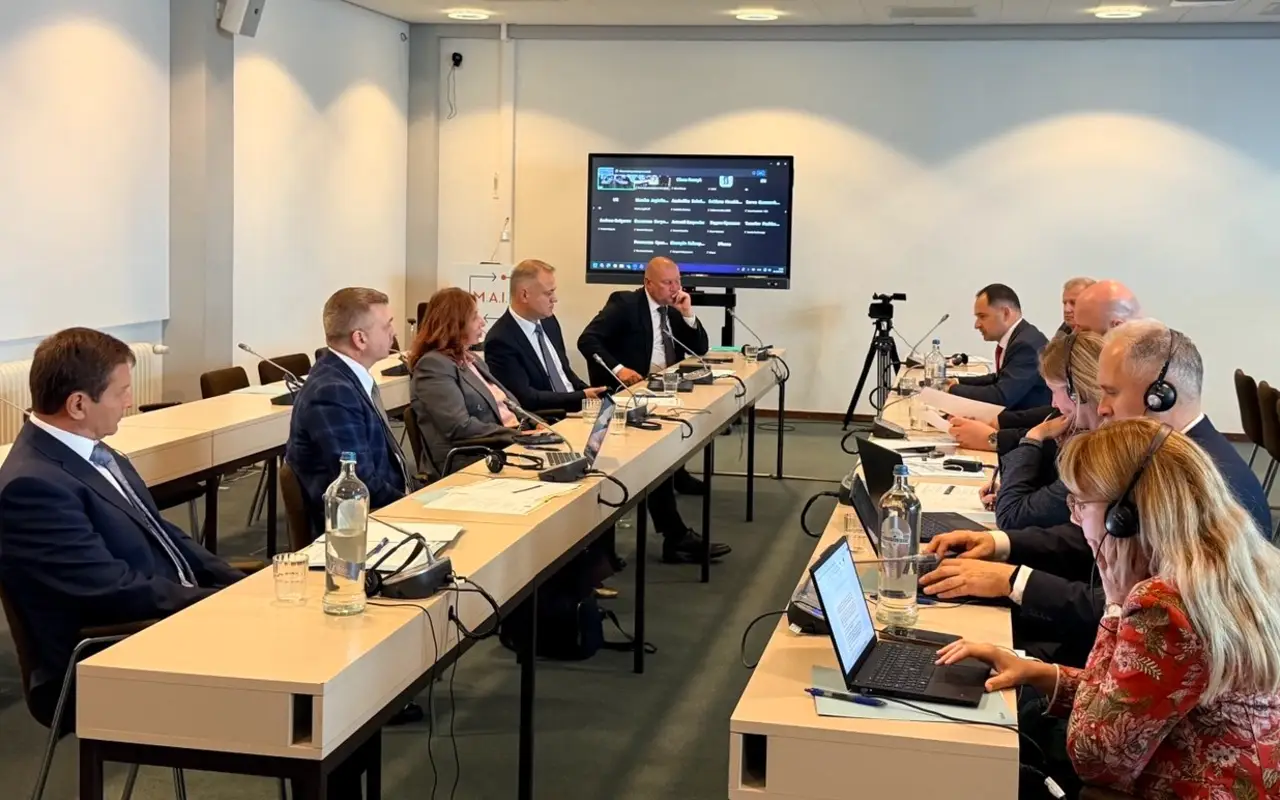
The UNBA presented the key provisions of the future law on advocacy in Brussels
The Ukrainian National Bar Association presented its proposals for the upcoming law on advocacy, aligned with the Rule of Law Roadmap. The presentation covered topics such as access to the profession, self-governance, disciplinary procedures, professional development and guarantees for the practice of advocacy.
Educational events
Advocates were taught to voice their complaints without making accusations
In a difficult conversation, it’s easy to confuse facts with opinions, feelings with accusations, and requests with demands. How can you express dissatisfaction, explain your own needs, and propose a specific solution while still allowing your conversation partner the opportunity to refuse or suggest an alternative?
Guarantees of the practice of law
Independent oversight is necessary before using CISA materials against an advocate – Lidiya Izovitova
Before the prosecution uses information obtained during covert investigative actions and related to an advocate’s activities, independent procedural oversight must be conducted. It is necessary to determine whether such information is covered by attorney-client privilege and whether it may be disclosed.
Self-government
Efforts to develop advocacy must be brought to fruition — A. Misyats
The Ukrainian advocacy profession is currently going through a critical phase. Amid the war, it must ensure the continuity of legal aid, defend the independence of the profession, and improve qualification and disciplinary procedures in accordance with European standards. The work that has been started must be brought to a practical conclusion.
Support
Protecting the legal profession, cybersecurity and support for advocates: common themes for the IBA and the UNBA
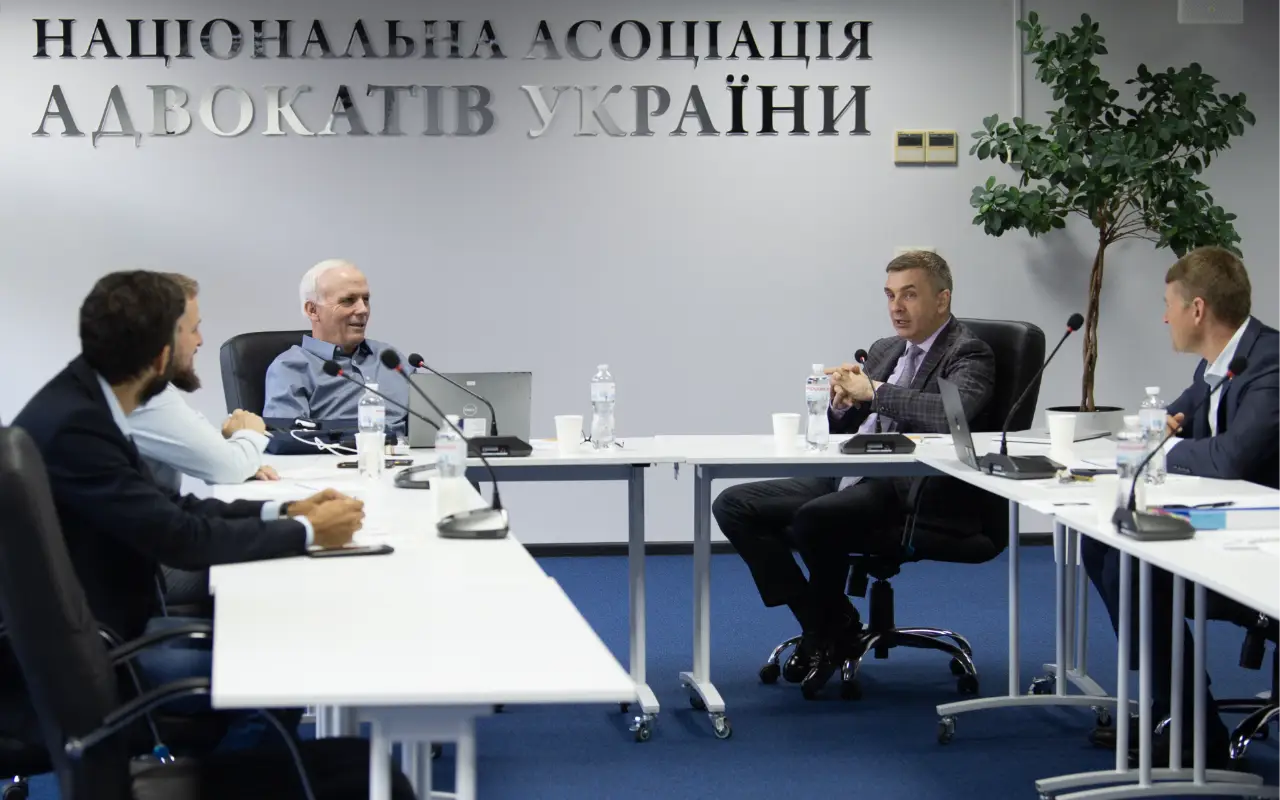
On September 18, a working meeting was held at the office of the Ukrainian National Bar Association with Executive Director of the International Bar Association (IBA) Mark Ellis. The parties discussed the Ukrainian advocacy profession’s participation in European legal processes, the protection of the UNBA’s digital infrastructure, psychological support for advocates and future areas of cooperation.
Educational events
Not every eloquent phrase is persuasive: how an advocate should choose a speaking style
Rhetorical techniques are effective when they are tailored to the audience, the situation, and the purpose of the speech. Therefore, before speaking, an advocate should determine what message the court, client, or audience needs to hear and remember, and then choose the appropriate structure, examples, quotes and tone.
Publications

Vasyl Kolishnyi, «Law and Business» Supporting mental health should become part of the professional culture of the Bar, - H. Udovenko

Volodymyr Matsko Extradition during wartime: when the risks outweigh the request

Volodymyr Matsko Extradition as a systemic form of rights violations

Victoria Yakusha, Law and Business The anti-corruption vertical cannot «take care» of the Bar as an institution, - acting head of the HQDCB

Censor.net Protecting advocates – protecting justice: addressing concerns about the new law

Ihor Kolesnykov A BRIEF SUMMARY REGARDING THE APPLICATION OF THE ORDER ON EXTENDED CONFISCATION IN LATVIA REGARDING FINANCIAL ASSETS OF…

Valentyn Gvozdiy WORKING IN A WAR ZONE

Lydia Izovitova Formula of perfection