


Advocates’ access to the TCC and the SP should be regulated by law – Ombudsman
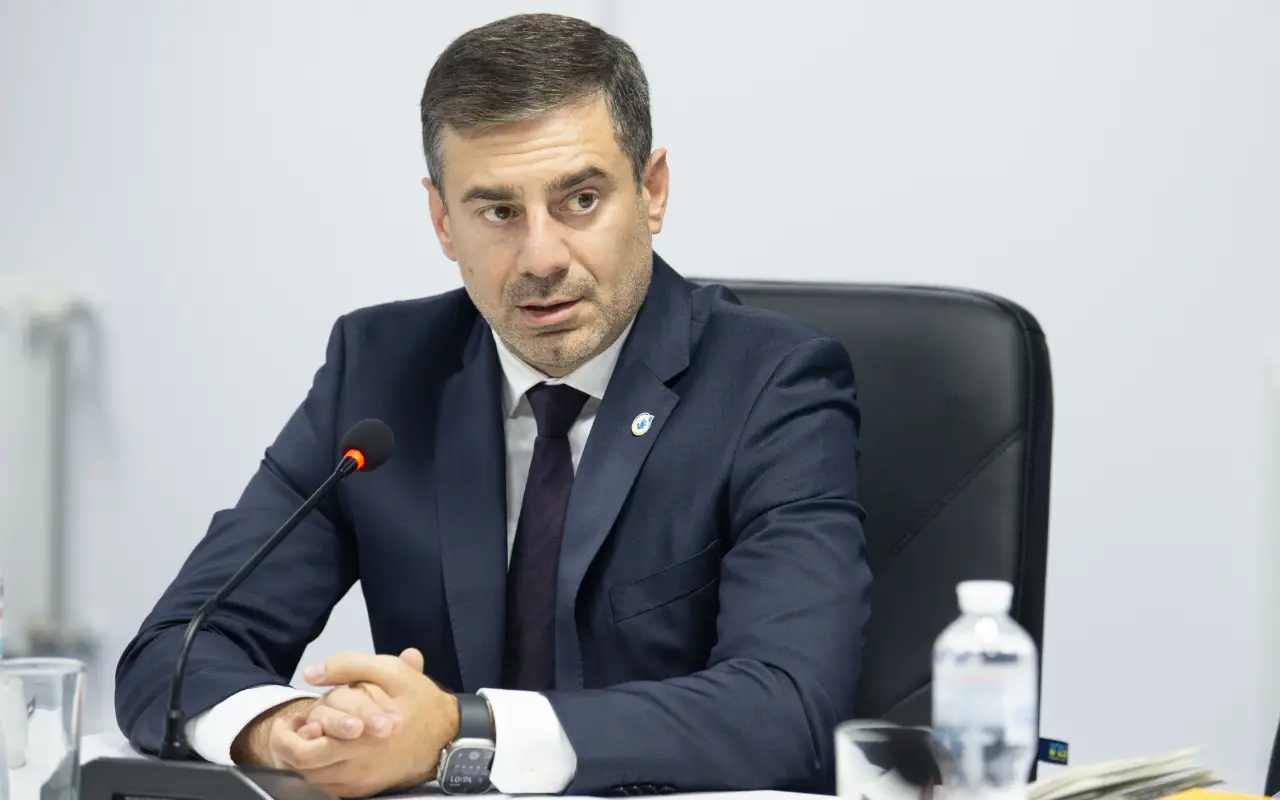
The practice of denying advocates access to the premises of the TCC and the SP bears the hallmarks of systematic obstruction of the legal profession and deprives people of the opportunity to promptly obtain professional legal assistance. The procedure for such access must be codified in regulations issued by the Ministry of Defense.
The Ukrainian Parliament Commissioner for Human Rights Dmytro Lubinets made this statement during a roundtable discussion titled «The Council of Europe Convention on the Protection of the Professions of Lawyer: a future part of Ukrainian legislation».
He supported the document’s ratification as soon as possible, emphasizing that «without an independent and professional advocacy profession, it is simply impossible to build a system for the protection of human rights in Ukraine».
Outlining the problems the Ombudsman’s Office faces almost daily, he noted that between 2025 and 2026, the office received numerous complaints regarding representatives of the TCCs and Special Forces (SF) obstructing the work of advocates. At his insistence, documents regarding the regulatory framework for the admission of advocates have already been sent to the Minister of Defense — through amendments to the acts of the Ministry of Defense and/or the Regulations on Territorial Recruitment and Social Support Centers, approved by Cabinet of Ministers Resolution No. 154 of February 23, 2022. D. Lubinets stated that he would continue to raise this issue with the new head of the ministry.
According to the Ombudsman, the leadership of the TCC and SP system believes that the absence of a separately established procedure provides legal grounds for denying advocates access to the centers’ premises. Representatives of the Army Command have repeatedly cited the absence of such a procedure in their responses to the Ombudsman. However, the absence of a specific procedure, he said, does not constitute legal grounds for denying defense attorneys access. «During our personal conversations, I have repeatedly pointed out that the absence of a regulatory act does not give you grounds to violate the Constitution of Ukraine. And in any case, you will be held accountable for this», - the Commissioner emphasized.
Subsequently, reports of denial of access were compounded by threats to confiscate cell phones, the use of physical force, and the infliction of bodily harm on advocates while they were performing their professional duties. In one of the cases, an employee of the TCC and the Special Police Unit injured a female advocate from Kharkiv. The information was entered into the Unified Register of Pre-trial Investigations only after the Ombudsman’s Office intervened; however, for a long time, the investigation made virtually no progress. Investigative actions began only after a second intervention.
Another issue concerns individuals held in temporary detention facilities. An advocate’s access to them effectively depends on the pre-trial investigation authority receiving notification of the appointment of a defense advocate. Following an appeal by the Commissioner, the Ministry of Internal Affairs reported that the National Police is drafting amendments to the relevant instruction, taking into account proposals from the UNBA.
Additionally, during martial law, advocates providing legal assistance to individuals in cases involving criminal offenses against the foundations of national security were prohibited from bringing their own computer equipment into pretrial detention centers and were instructed to use the facility’s equipment instead. According to D. Lubinets, preparing defense materials on such equipment directly jeopardizes attorney-client privilege. The Commissioner appealed to the Ministry of Justice and supported the UNBA’s proposal to remove the disputed provisions.
D. Lubinets emphasized that law enforcement agencies and relevant ministries must respond effectively to any obstruction of legal practice. As a candidate for EU membership, Ukraine must demonstrate the proper application of democratic principles, which is impossible without an independent advocacy profession.
Popular news

Legislation
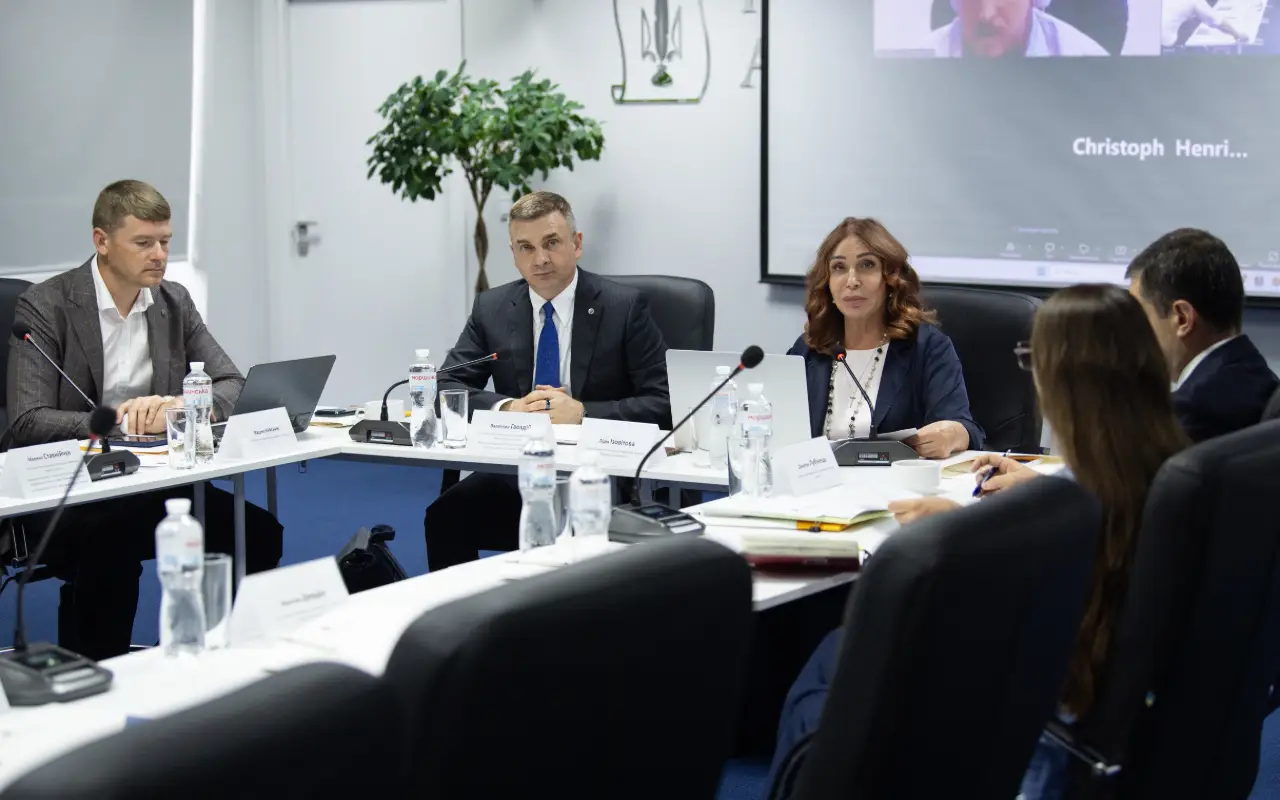
The Verkhovna Rada is preparing a bill to implement the Convention on the Protection of the Professions of Lawyer
Members of Parliament plan to introduce a bill in the near future to implement the main provisions of the Council of Europe Convention on the Protection of the Professions of Lawyer. This parliamentary initiative may also prompt the government to expedite the preparation of the ratification package.
Legislation
The path to ratification of the Convention must not end in yet another delay — L. Izovitova
Ukraine’s preparations for the ratification of the Council of Europe Convention on the Protection of the Professions of Lawyer have already passed key stages. Now, government institutions must submit the matter to the Verkhovna Rada for consideration. In doing so, Ukraine may complete the ratification process faster than EU member states.
Guarantees of the practice of law
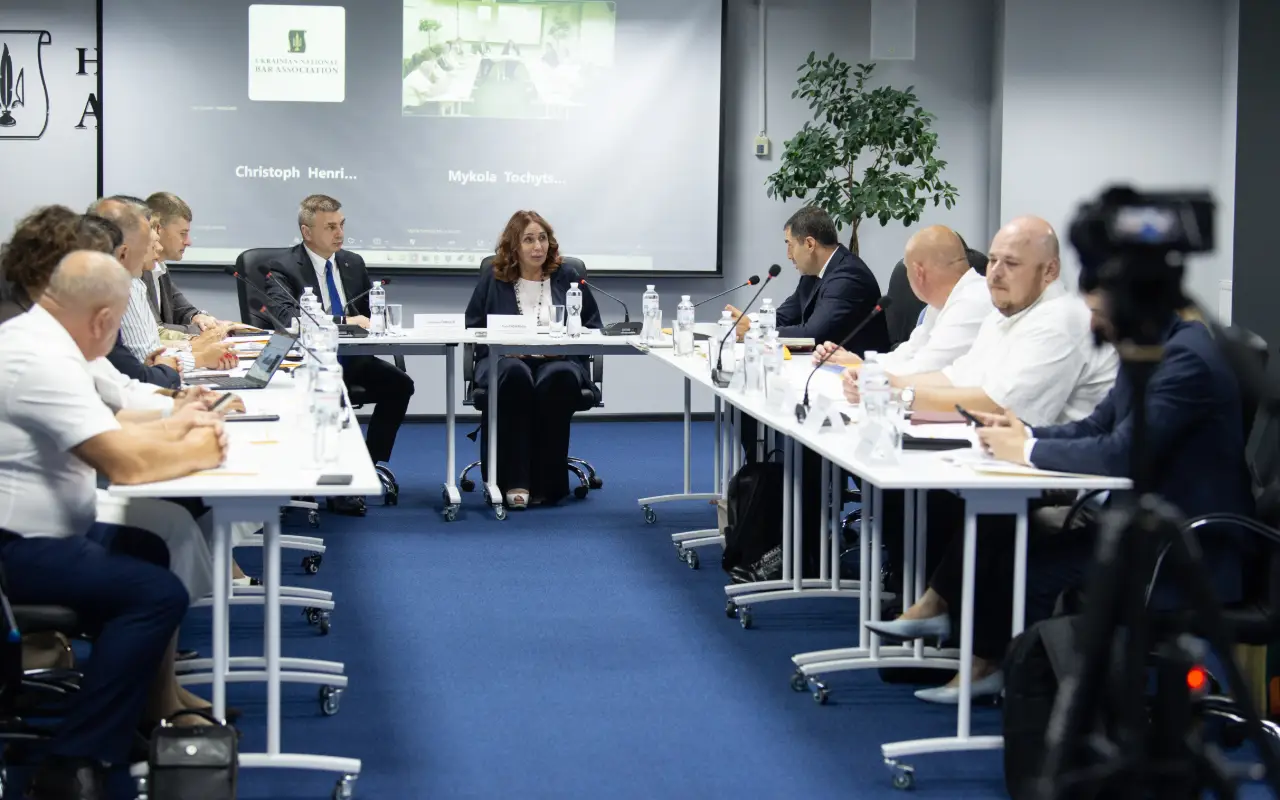
Ukraine could be the first to implement a European mechanism for the protection of advocates. What’s holding it back?
Ukraine has a chance to be the first country to ratify the Council of Europe Convention on the Protection of the Professions of Lawyer. Political support for this exists, but the government’s legislative package has not yet been submitted to parliament. Meanwhile, the number of violations of advocates’ rights is on the rise.
Educational events
How can an advocate verify that work has been completed if the client refuses to sign the report?
When billing by the hour, the primary document for determining the fee may be a detailed report on the time spent by the advocate and the work performed. To prevent the client from withholding payment, the contract should specify in advance the procedure for submitting and approving such a report.
Self-government
The BCU took note of the public appeal from the HCJ
The Bar Council of Ukraine has determined that, given the current security situation, it is objectively impossible to hold, in accordance with the procedure established by the Law «On the advocacy and the practice of law», meetings of advocates, regional conferences of advocates and the Congress of Ukrainian Advocates, including for the purpose of electing two members of the High Council of Justice under the quota allocated to the Congress of Ukrainian Advocates.
War
The BCU has launched a digital project «Wall of Remembrance and Honor»
The Bar Council of Ukraine has adopted a resolution to launch the digital project «Wall of Remembrance and Honor». To this end, the UNBA is beginning to collect information on advocates and paralegals who lost their lives as a result of the Russian Federation’s armed aggression against Ukraine.
Legal defence of military personnel
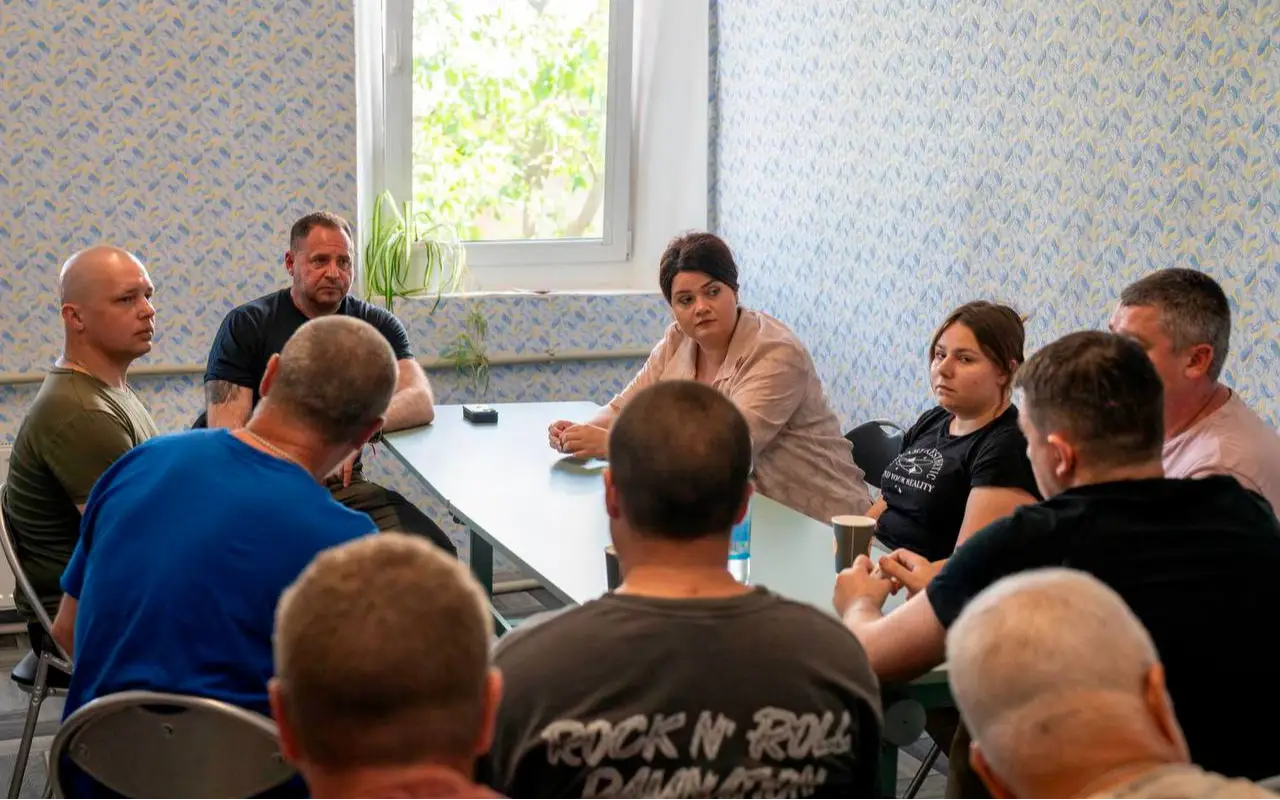
«Advocate+» has expanded its operations to 18 military units
The «Advocate+» project of the Ukrainian National Bar Association, which assigns advocates to military units, has expanded its operations to 18 units. Specialists have already been assigned to the new participants and are set to begin consultations next week.
Edition
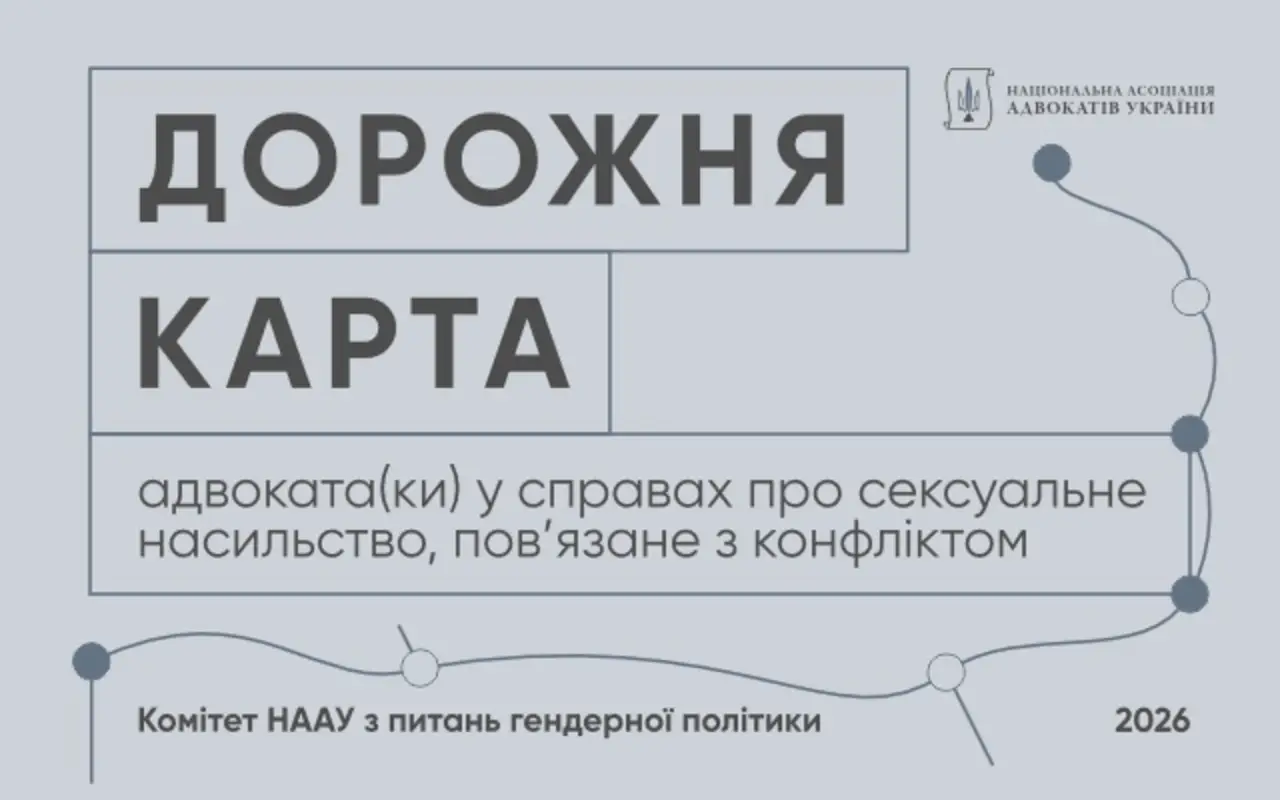
A roadmap for the CRSV cases has been prepared for the advocates
The UNBA Committee on gender policy has prepared a Roadmap for cases of Conflict-Related Sexual Violence.
Publications

Volodymyr Matsko Extradition during wartime: when the risks outweigh the request

Volodymyr Matsko Extradition as a systemic form of rights violations

Victoria Yakusha, Law and Business The anti-corruption vertical cannot «take care» of the Bar as an institution, - acting head of the HQDCB

Censor.net Protecting advocates – protecting justice: addressing concerns about the new law

Ihor Kolesnykov A BRIEF SUMMARY REGARDING THE APPLICATION OF THE ORDER ON EXTENDED CONFISCATION IN LATVIA REGARDING FINANCIAL ASSETS OF…

Valentyn Gvozdiy WORKING IN A WAR ZONE

Lydia Izovitova Formula of perfection

Sergiy Vylkov Our judicial system is so built that courts do not trust advocates