


Advocates barred from visiting clients in Temporary detention facility: discussion at the UNBA
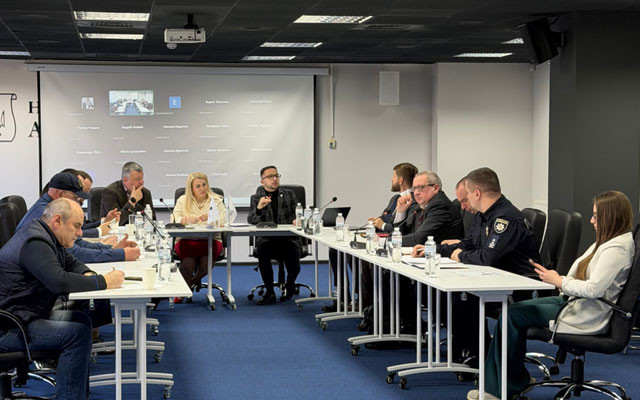
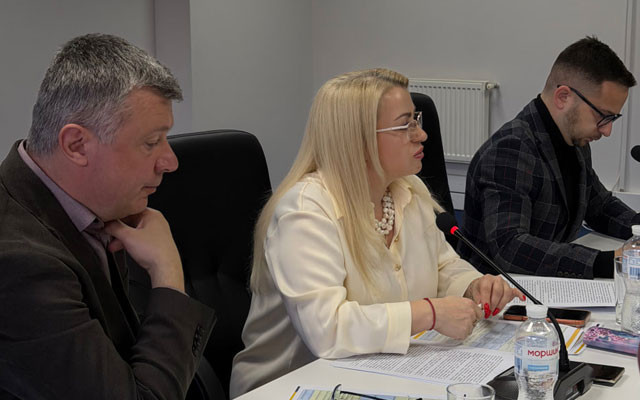
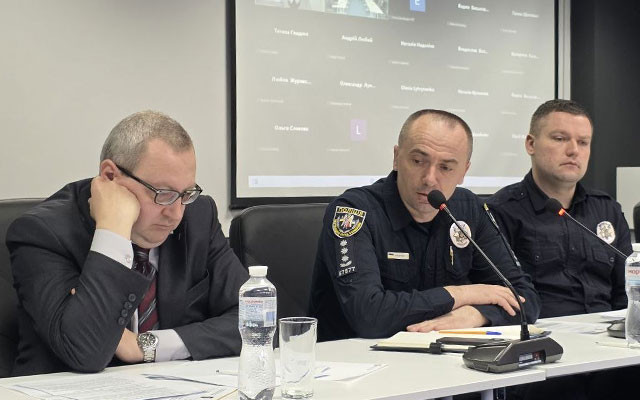
The right to legal representation in the first hours following arrest is often rendered meaningless when advocates are denied access to their clients in temporary detention facilities due to bureaucratic barriers, requests for documents not required by the Code of Criminal Procedure, and the practice of detaining people there under the pretext of «security measures».
Advocates and law enforcement officials discussed real and perceived obstacles to the exercise of rights on March 24 during a roundtable titled «The systemic problem of denying defense attorneys access to their clients in temporary detention facilities: an analysis of practice and solutions». The event was organized by the Committee on the protection of advocates’ rights and guarantees of legal practice of the UNBA in conjunction with the Committee on human rights.
The deputy chairman of the latter Committee Serhiy Starenkyi immediately emphasized that the denial of advocates’ access to detainees in places of detention is not a new problem, but a long-standing one that was discussed several years ago but has never been resolved. At the same time, according to his observations, this issue is not as widespread in pretrial detention centers; rather, it is the temporary detention facilities that remain the problematic link, and the discussion should provide an answer as to why access to detainees there remains difficult. In addition, S. Starenkyi emphasized that temporary detention facilities often hold individuals who should not actually be there, and video — and sometimes audio — recording jeopardizes the confidentiality of meetings between advocates and clients.
A member of the Committee for the protection of advocates’ rights Maksym Stryhun outlined the practical dimension of the problem. He recounted that as far back as 2021, upon visiting a client in a temporary detention facility, he was confronted with a demand to provide a «certificate of representation», even though the Code of Criminal Procedure does not provide for such a document. After the police were called and complaints were filed, the advocate was forced to petition the investigating judge under Article 206 of the CPC, and only after the corresponding ruling was he allowed to meet with his client. According to him, the problem has not gone away even after changes to departmental regulations: under the new rules, advocates are again being denied access, citing the lack of confirmation of their «involvement» in the case. M. Stryhun also emphasized that such a practice effectively makes the advocate dependent on the investigator.
In contrast, the First deputy head of the Department of general inspection and human rights compliance of the National Police Volodymyr Zakharenko denied the existence of a systemic problem. He explained that the police have already moved away from the old departmental regulations, and starting in 2023, temporary detention facilities will operate under a new order, which, according to him, is consistent with the CPC.
Separately, he emphasized the reduction in the number of temporary detention facilities, the implementation of the Custody Records system, and the fact that, according to police estimates, complaints regarding violations of detainees’ rights have been virtually eliminated. At the same time, in response to the advocates’ remarks, he assured them that rooms for confidential visits are equipped only with video surveillance without audio recording, and he asked that any instances of denied access be reported directly to him for verification and a possible internal investigation.
In response, a member of the UNBA Committee on human rights protection Bogdan Hlyadik shifted the focus from reaction to prevention. He agreed that the ability to complain to an investigating judge or initiate an internal review is important, but emphasized that in such situations, it is precisely the lost time that is critical, because while an advocate is appealing a denial of access, anything could happen to the detained person. In his view, the problem cannot be resolved through manual intervention by police leadership in every individual case, as this does not replace a proper access system. Therefore, he proposed focusing on educational efforts for detention center staff so that they themselves do not dismiss such situations as trivial and do not create unnecessary barriers for advocates. Separately, B. Hlyadik noted: the constant stream of complaints from advocates only drains resources that could be used for truly necessary work.
This view was echoed by the chairman of the UNBA Committee on legal practice Bogdan Kushnir. He proposed compiling the most common violations and, based on them, providing TDF staff with simple explanations or booklets so that the rules for admitting advocates would not be subject to arbitrary interpretation but rather a clear set of procedures. Within the detention facility itself, both the duties of staff and the status of the advocate must be clearly explained so that the advocate is not perceived as a «visitor». As an example of practical uncertainty, he cited a situation where a detainee is brought to the TDF during curfew, immediately raising the question of whether the advocate will have actual access to the client.
According to deputy director of the Department for monitoring compliance with the right to a fair trial and procedural rights at the secretariat of the Ukrainian Parliament Commissioner for Human Rights Lyubov Zhuravska an advocate’s access must be ensured regardless of where the person is located — in a pretrial detention center, temporary detention facility, or another institution.
At the same time, she noted that based on the data available at the Ombudsman’s office, she cannot confirm a systematic pattern of denying advocates access to temporary detention facilities: following a 2021 complaint, to which the Commissioner responded by submitting a request to the National Police and proposing changes to internal regulations, no new such complaints have been received. However, she said that another, broader problem remains systemic — the practice of detaining people in temporary detention facilities for extended periods under the pretext of security measures, not only in Kyiv but also in other regions.
A representative of the Department for combating human rights violations in law enforcement and the penitentiary system at the Office of the Prosecutor General Oleksandr Mykhalyuk, also saw no issue with allowing advocates access to temporary detention facilities, since this does not involve an advocate being «admitted» by an investigator, but rather their «involvement» in the case, which is confirmed by a warrant, an agreement, or a letter of authorization from the FLA. At the same time, he advised advocates to report violations not only to the police but also to the prosecutor’s office, since each place of detention is assigned a specific prosecutor. However, O. Mykhalyuk did acknowledge the existence of a problem when people are held in temporary detention facilities under the pretext of security measures not provided for by law. Such decisions must be properly justified and subject to prosecutorial oversight.
In response, advocate Olena Antonesk stated that defense attorneys had not limited themselves to discussing the problem but had been filing complaints with the prosecutor’s office, the police, and the Ombudsman since 2021; however, they received responses citing departmental regulations that required additional confirmation from an investigator or prosecutor — a requirement not provided for in the Code of Criminal Procedure. (80:17–81:44) She further noted that even after the old order was replaced, the essence of the problem remained, although Article 50 of the CPC explicitly prohibits imposing any additional conditions for confirming a defense attorney’s authority or their admission to the case.
Head of the international monitoring mission «West Support» Serhiy Nevstruev dedicated to documenting war crimes, brought a broader human rights perspective to the discussion. He emphasized that, according to international standards, the right to defense does not allow for compromises, and the choice of an advocate belongs exclusively to the individual or their relatives, not to the investigative body. In his view, an advocate’s unimpeded and confidential access to a detainee is one of the basic indicators of a democratic legal system. Therefore, any bureaucratic barriers, demands for additional certificates or confirmations effectively turn the right to defense into a procedural fiction and give the prosecution the opportunity to control the defense already in the first hours after detention. And a system that allows law enforcement to filter access by an independent advocate inevitably slides into authoritarian practices.
In conclusion, the chairman of the section on guarantees in criminal proceedings and countering state abuse of the UNBA Committee on human rights protection Irena Maria Ostrozka-Sangushko, brought the discussion back to practical outcomes: she proposed using the existing work of advocates as the basis for methodological recommendations and further refining them in collaboration with law enforcement agencies. Separately, she focused on the very word «involvement», which, according to her reasoning, lacks proper definition in the CPC and has effectively become an unnecessary barrier to an advocate’s access to a client.
She emphasized that legal assistance may be needed not only by a participant in criminal proceedings, so it should not matter to law enforcement officials which specific advocate visits a person in pretrial detention. That is why the advocate proposed drafting a joint resolution of the roundtable with the initiative to remove this wording from the departmental document.
Popular news

Legislation
The Verkhovna Rada is preparing a bill to implement the Convention on the Protection of the Professions of Lawyer
Members of Parliament plan to introduce a bill in the near future to implement the main provisions of the Council of Europe Convention on the Protection of the Professions of Lawyer. This parliamentary initiative may also prompt the government to expedite the preparation of the ratification package.
Legislation
The path to ratification of the Convention must not end in yet another delay — L. Izovitova
Ukraine’s preparations for the ratification of the Council of Europe Convention on the Protection of the Professions of Lawyer have already passed key stages. Now, government institutions must submit the matter to the Verkhovna Rada for consideration. In doing so, Ukraine may complete the ratification process faster than EU member states.

Guarantees of the practice of law
Ukraine could be the first to implement a European mechanism for the protection of advocates. What’s holding it back?
Ukraine has a chance to be the first country to ratify the Council of Europe Convention on the Protection of the Professions of Lawyer. Political support for this exists, but the government’s legislative package has not yet been submitted to parliament. Meanwhile, the number of violations of advocates’ rights is on the rise.

Educational events
How can an advocate verify that work has been completed if the client refuses to sign the report?
When billing by the hour, the primary document for determining the fee may be a detailed report on the time spent by the advocate and the work performed. To prevent the client from withholding payment, the contract should specify in advance the procedure for submitting and approving such a report.
Self-government
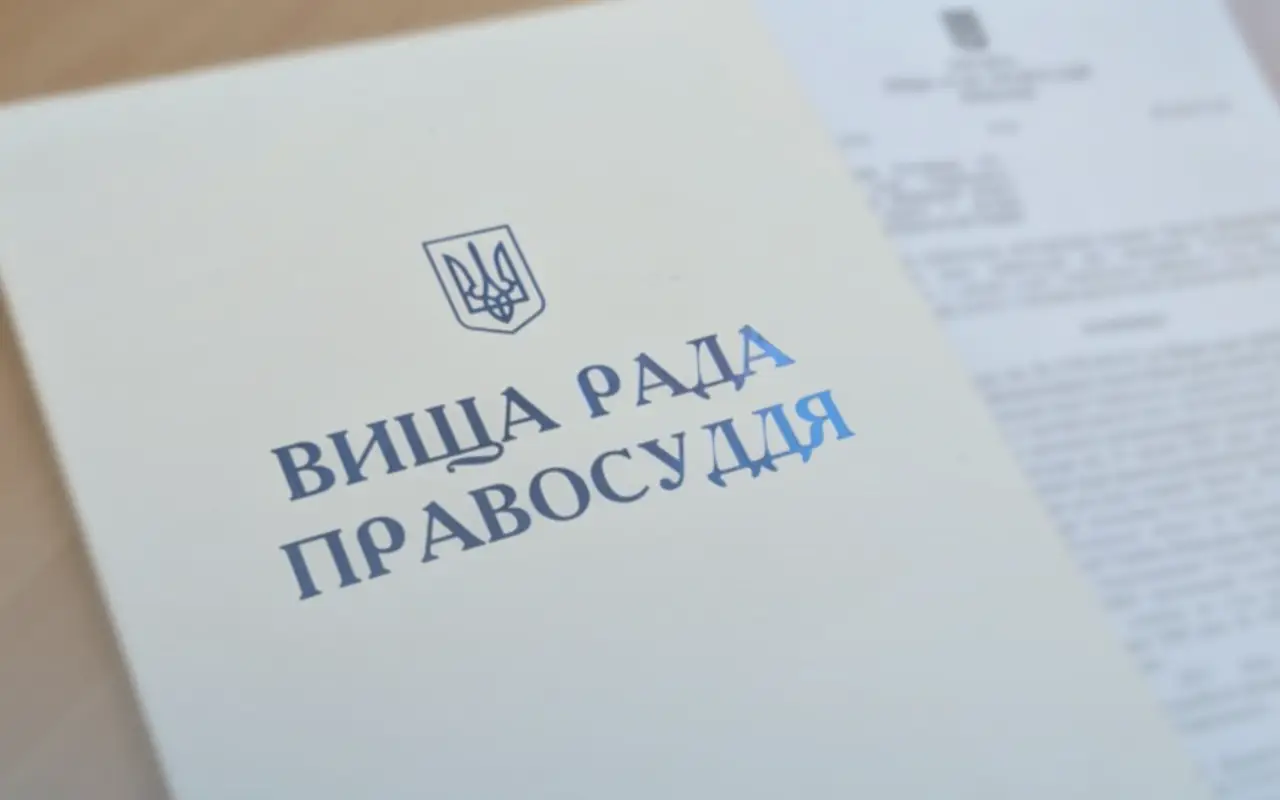
The BCU took note of the public appeal from the HCJ
The Bar Council of Ukraine has determined that, given the current security situation, it is objectively impossible to hold, in accordance with the procedure established by the Law «On the advocacy and the practice of law», meetings of advocates, regional conferences of advocates and the Congress of Ukrainian Advocates, including for the purpose of electing two members of the High Council of Justice under the quota allocated to the Congress of Ukrainian Advocates.
War
The BCU has launched a digital project «Wall of Remembrance and Honor»
The Bar Council of Ukraine has adopted a resolution to launch the digital project «Wall of Remembrance and Honor». To this end, the UNBA is beginning to collect information on advocates and paralegals who lost their lives as a result of the Russian Federation’s armed aggression against Ukraine.
Legal defence of military personnel
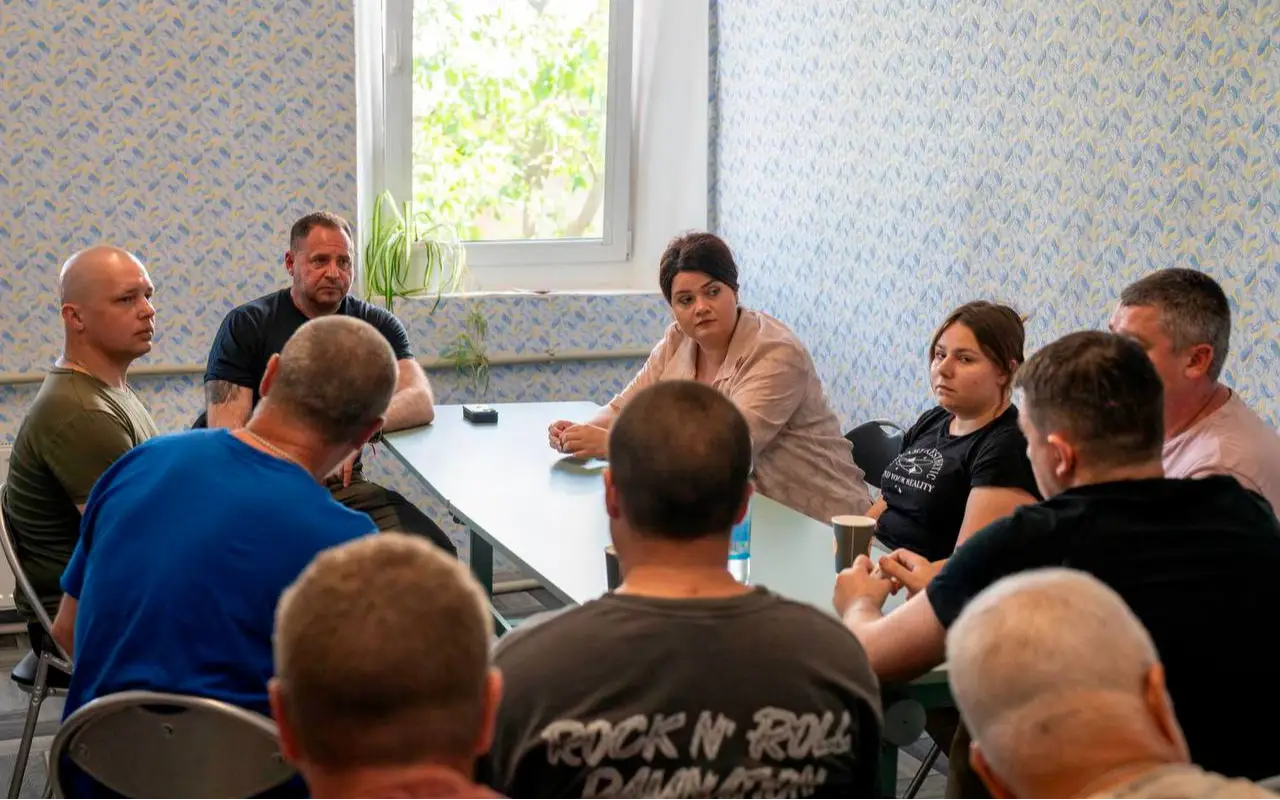
«Advocate+» has expanded its operations to 18 military units
The «Advocate+» project of the Ukrainian National Bar Association, which assigns advocates to military units, has expanded its operations to 18 units. Specialists have already been assigned to the new participants and are set to begin consultations next week.
Edition
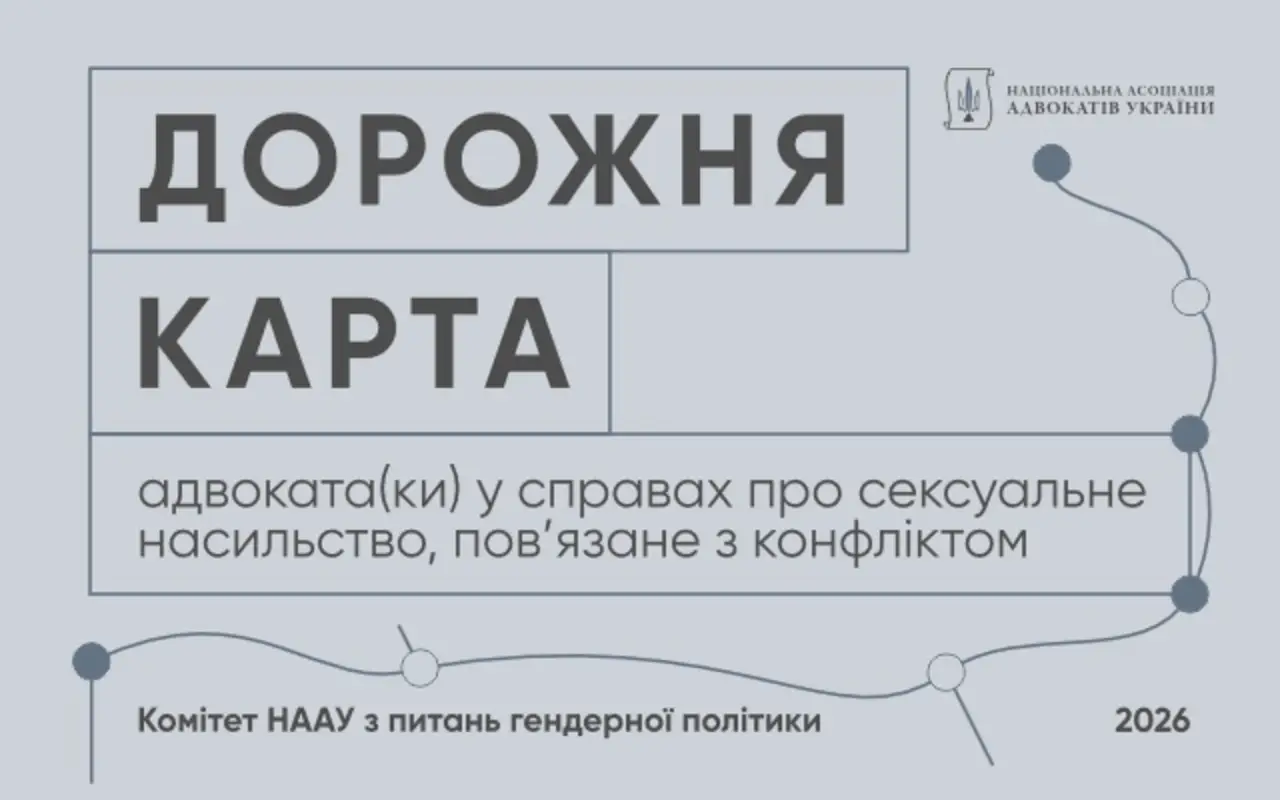
A roadmap for the CRSV cases has been prepared for the advocates
The UNBA Committee on gender policy has prepared a Roadmap for cases of Conflict-Related Sexual Violence.
Publications

Volodymyr Matsko Extradition during wartime: when the risks outweigh the request

Volodymyr Matsko Extradition as a systemic form of rights violations

Victoria Yakusha, Law and Business The anti-corruption vertical cannot «take care» of the Bar as an institution, - acting head of the HQDCB

Censor.net Protecting advocates – protecting justice: addressing concerns about the new law

Ihor Kolesnykov A BRIEF SUMMARY REGARDING THE APPLICATION OF THE ORDER ON EXTENDED CONFISCATION IN LATVIA REGARDING FINANCIAL ASSETS OF…

Valentyn Gvozdiy WORKING IN A WAR ZONE

Lydia Izovitova Formula of perfection

Sergiy Vylkov Our judicial system is so built that courts do not trust advocates