


Preparing a court argument: 7 tips for advocates
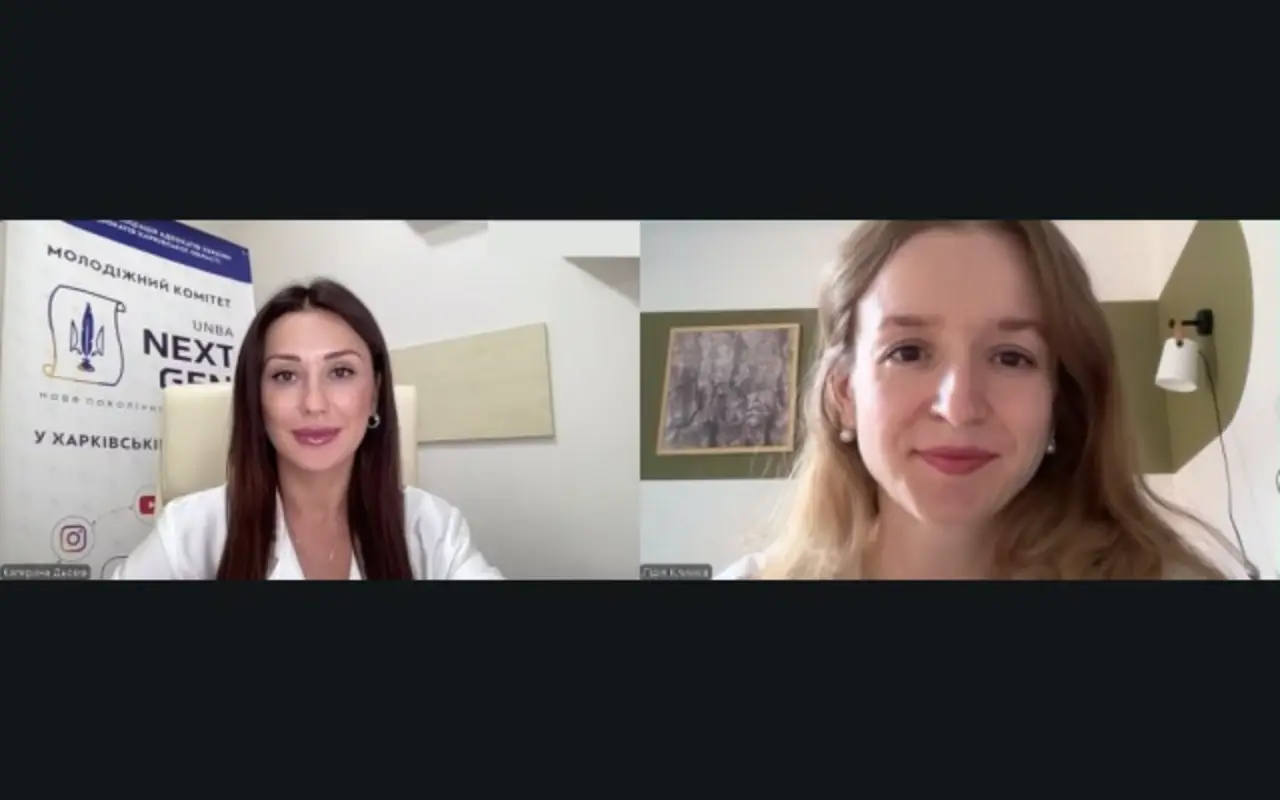
When preparing a courtroom speech, it is best to begin by formulating the decision the advocate is asking the court to render. Next, the structure of the speech should be built around this outcome, strong arguments should be selected, and weak points should be addressed.
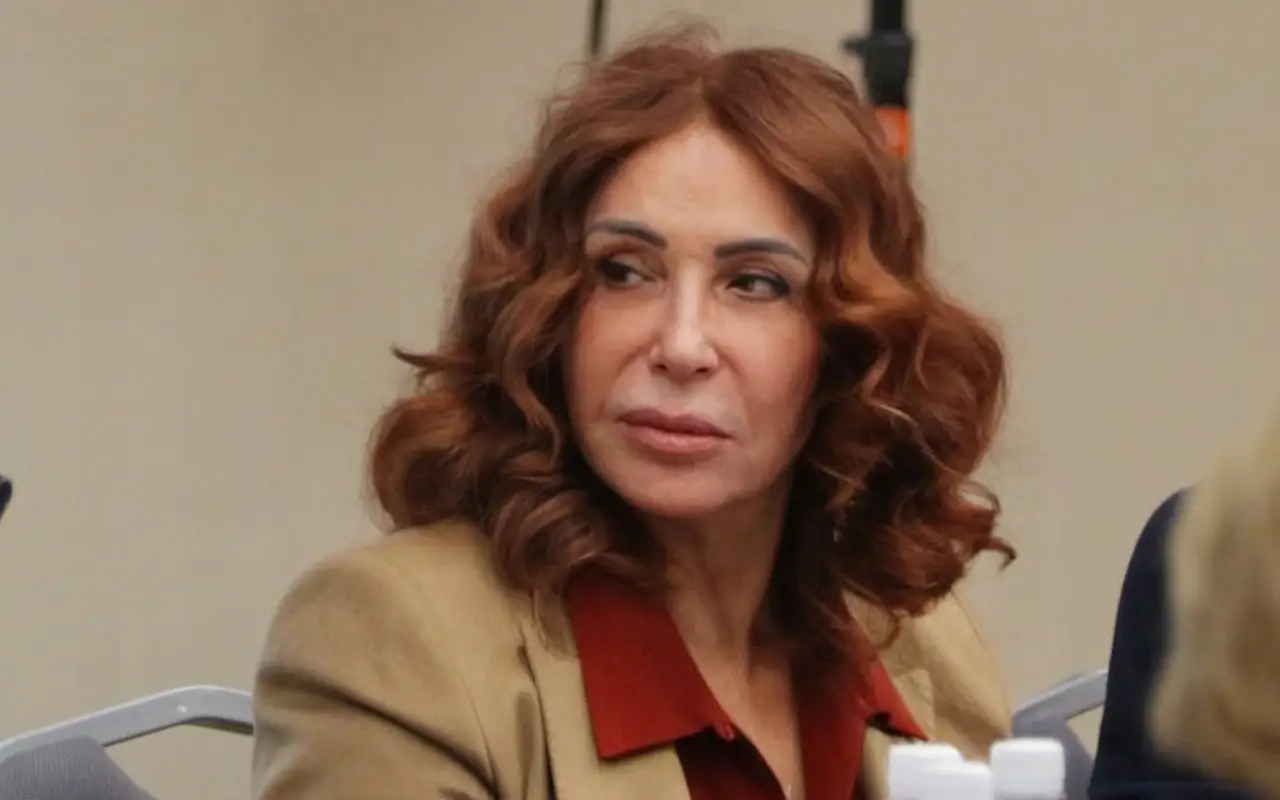
This was discussed during the webinar «The art of court advocacy: tactics for persuasive speeches and an advocate’s public speaking skills», hosted by the UNBA NextGen in the Kharkiv region. The event was moderated by the Committee’s regional representative Kateryna Dyoma. The speaker was advocate Lidiya Klymkiv, who offered advocates several practical tips.
1. Start with the desired outcome. Before preparing a speech, L. Klymkiv suggests writing down exactly what decision is desired and formulating its content in advance. After that, the entire argument can be structured around the final result. It is necessary to tell the court as clearly as possible what decision the party is seeking.
2. Identify the strengths and weaknesses of the legal position. The advocate should highlight their side’s strong arguments, its weaknesses, and the opponent’s compelling arguments. In some cases, it is worth addressing a problematic circumstance yourself and immediately explaining why it does not refute your position, rather than letting the other side exploit it unexpectedly.
3. Review adverse case law. The speaker advises comparing decisions that do not support the client’s position with the specific case at hand and looking for differences in the circumstances. If the advocate decides to mention such case law themselves, this can be done at the beginning of the relevant section, immediately explaining its irrelevance and moving on to the strong arguments.
4. Formulate headings as substantive statements. In a written brief, it is advisable to formulate section headings as brief statements about who did what, rather than as abstract titles of legal issues. At the beginning of the document, you can briefly outline the main arguments, and conclude each section with an interim conclusion. This way, the judge or law clerk can understand the position simply from the document’s structure.
5. Structure arguments using the IRAC framework (Issue — Rule — Application/Analysis — Conclusion). This framework consists of four elements: the issue, the applicable rule, an analysis of how it applies to the circumstances, and a conclusion. It can be used for individual arguments and sub-arguments.
6. Divide your presentation into key sections. You can boil your position down to a few key events or legal issues and clearly inform the court that the case rests on, for example, three elements. Use the words «first», «second», «third» along with pauses and changes in intonation, to transition between them.
7. Speak from an outline, rather than reading from a text. Instead of a full text, you can prepare a brief outline and rehearse the speech aloud several times. This allows you to maintain eye contact, use pauses, and respond to the flow of the hearing. A thorough understanding of the case allows you to adjust the structure of your speech, but when speaking off the cuff, you should not assert anything that you do not know for certain.
Popular news

Legislation
The Verkhovna Rada is preparing a bill to implement the Convention on the Protection of the Professions of Lawyer
Members of Parliament plan to introduce a bill in the near future to implement the main provisions of the Council of Europe Convention on the Protection of the Professions of Lawyer. This parliamentary initiative may also prompt the government to expedite the preparation of the ratification package.
Educational events
Preparing a court argument: 7 tips for advocates
When preparing a courtroom speech, it is best to begin by formulating the decision the advocate is asking the court to render. Next, the structure of the speech should be built around this outcome, strong arguments should be selected, and weak points should be addressed.
Legislation
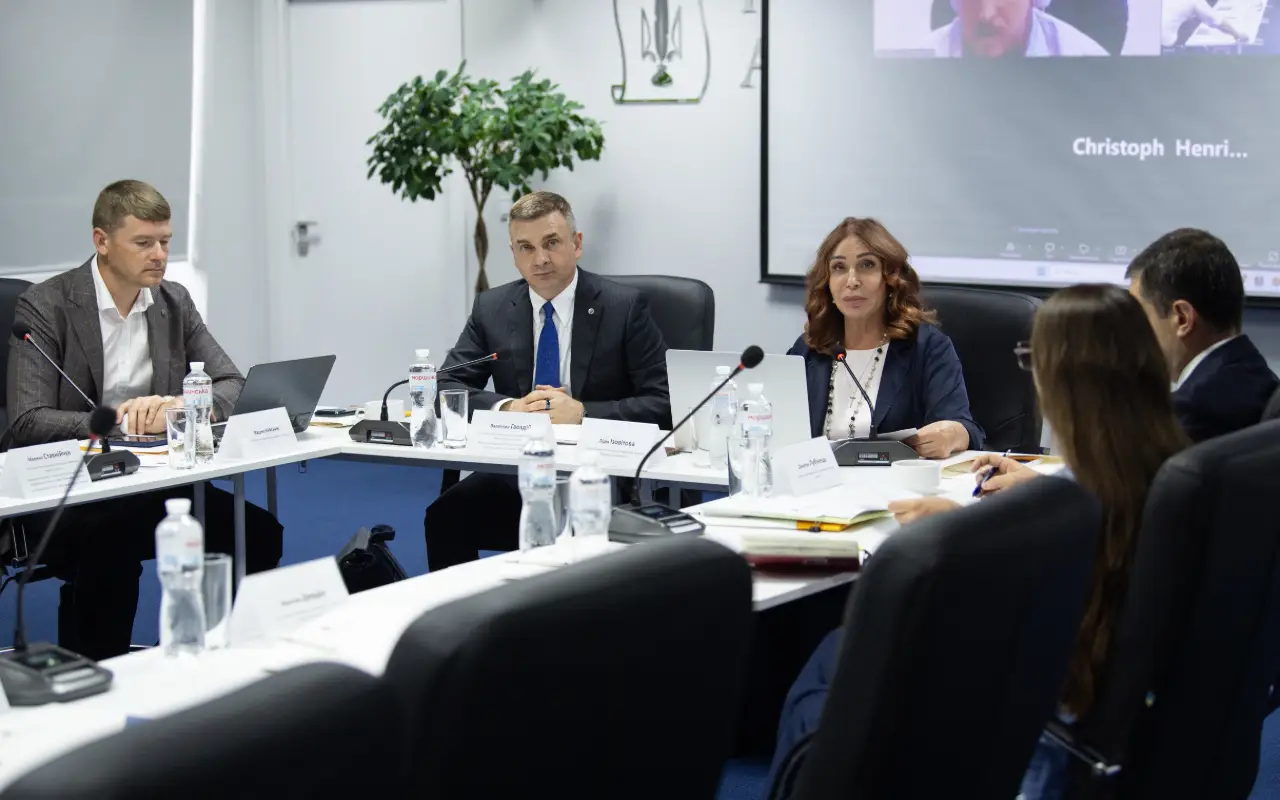
The path to ratification of the Convention must not end in yet another delay — L. Izovitova
Ukraine’s preparations for the ratification of the Council of Europe Convention on the Protection of the Professions of Lawyer have already passed key stages. Now, government institutions must submit the matter to the Verkhovna Rada for consideration. In doing so, Ukraine may complete the ratification process faster than EU member states.
Guarantees of the practice of law
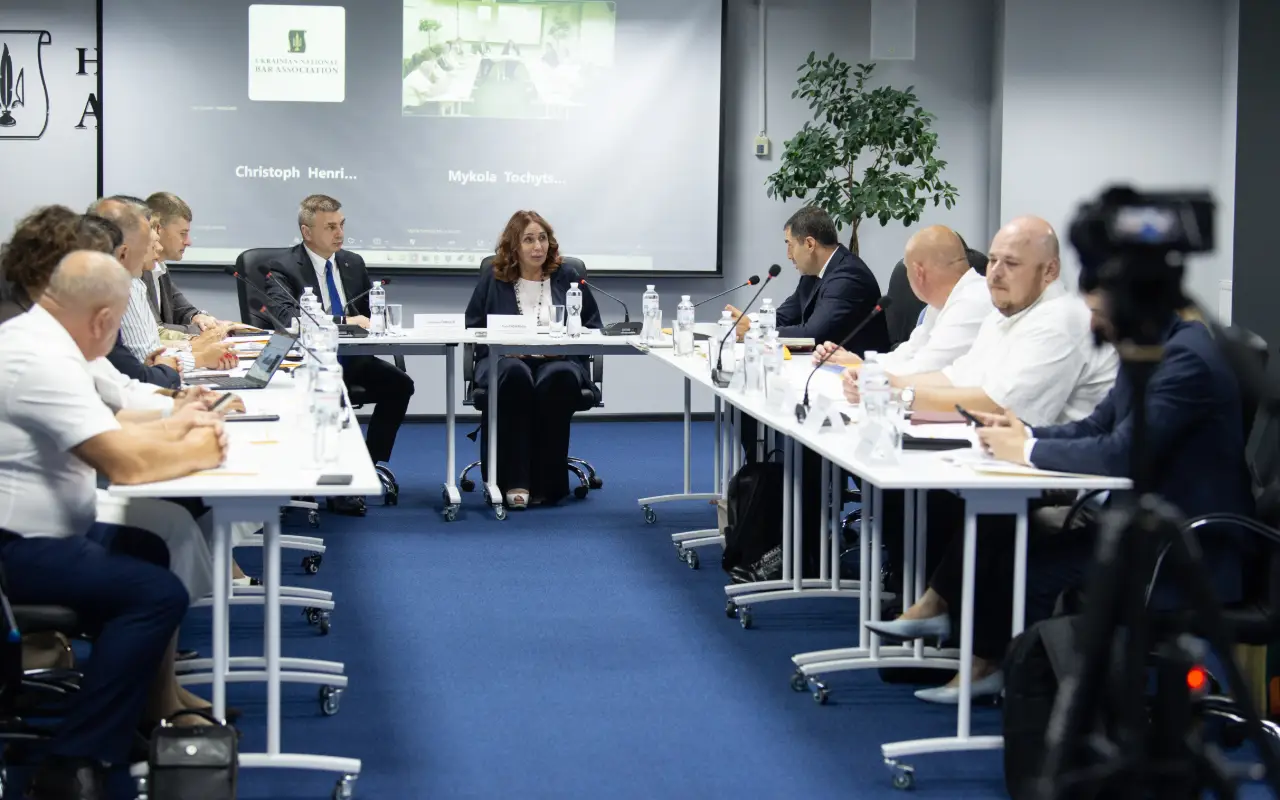
Ukraine could be the first to implement a European mechanism for the protection of advocates. What’s holding it back?
Ukraine has a chance to be the first country to ratify the Council of Europe Convention on the Protection of the Professions of Lawyer. Political support for this exists, but the government’s legislative package has not yet been submitted to parliament. Meanwhile, the number of violations of advocates’ rights is on the rise.

Educational events
How can an advocate verify that work has been completed if the client refuses to sign the report?
When billing by the hour, the primary document for determining the fee may be a detailed report on the time spent by the advocate and the work performed. To prevent the client from withholding payment, the contract should specify in advance the procedure for submitting and approving such a report.
Self-government
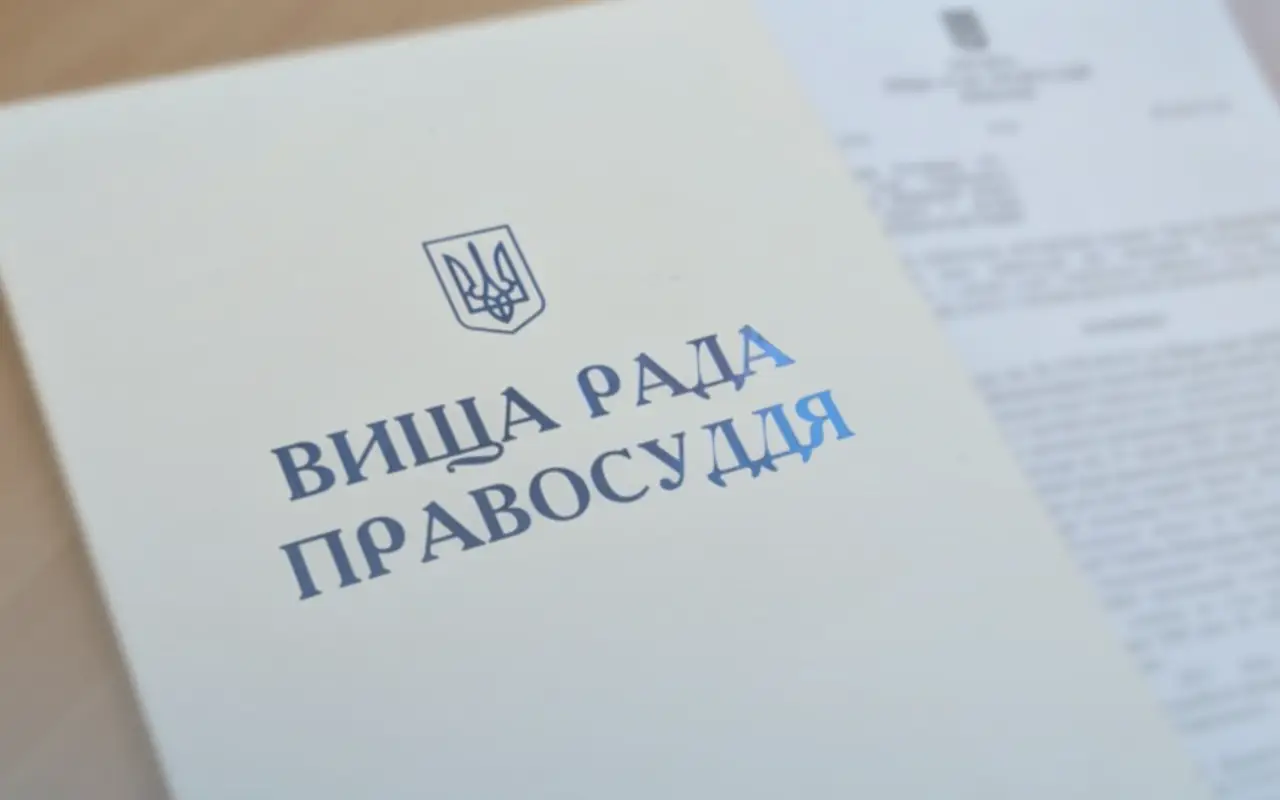
The BCU took note of the public appeal from the HCJ
The Bar Council of Ukraine has determined that, given the current security situation, it is objectively impossible to hold, in accordance with the procedure established by the Law «On the advocacy and the practice of law», meetings of advocates, regional conferences of advocates and the Congress of Ukrainian Advocates, including for the purpose of electing two members of the High Council of Justice under the quota allocated to the Congress of Ukrainian Advocates.
War
The BCU has launched a digital project «Wall of Remembrance and Honor»
The Bar Council of Ukraine has adopted a resolution to launch the digital project «Wall of Remembrance and Honor». To this end, the UNBA is beginning to collect information on advocates and paralegals who lost their lives as a result of the Russian Federation’s armed aggression against Ukraine.
Legal defence of military personnel
«Advocate+» has expanded its operations to 18 military units
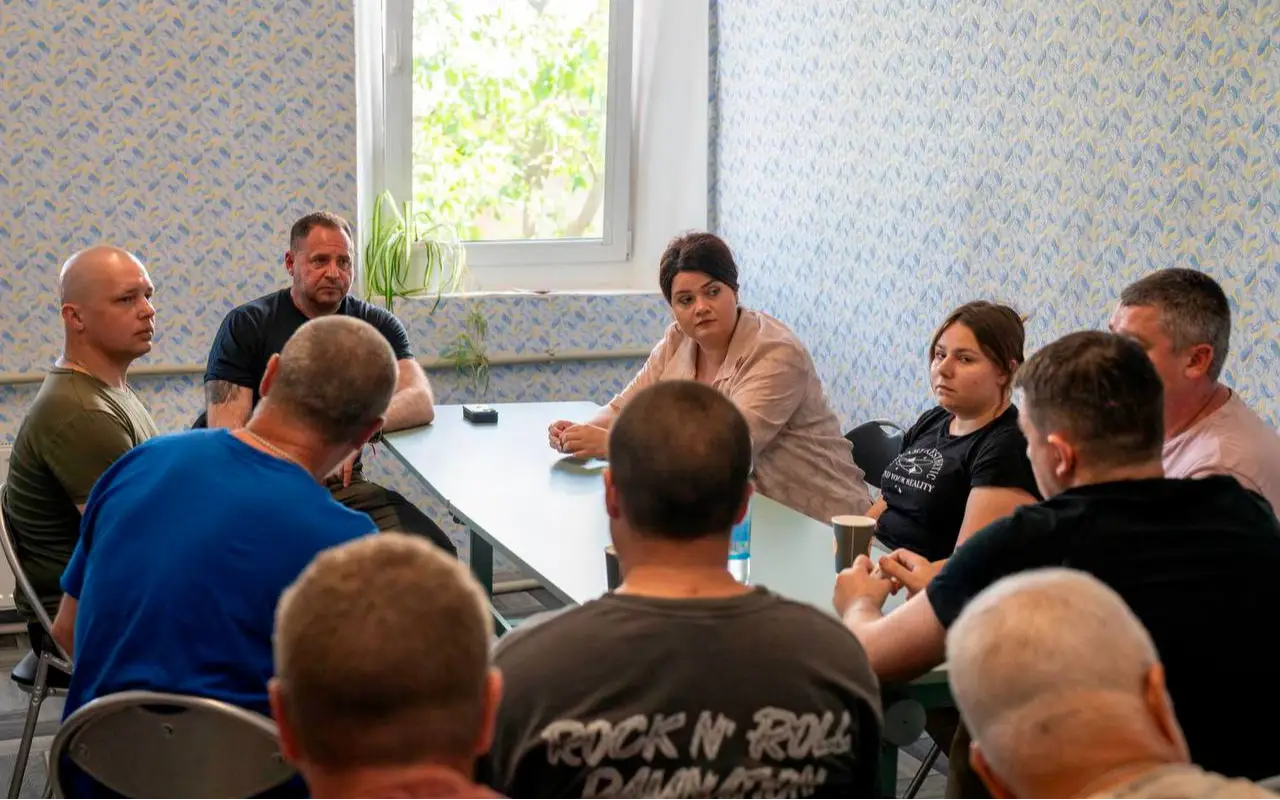
The «Advocate+» project of the Ukrainian National Bar Association, which assigns advocates to military units, has expanded its operations to 18 units. Specialists have already been assigned to the new participants and are set to begin consultations next week.
Publications

Vasyl Kolishnyi, «Law and Business» Supporting mental health should become part of the professional culture of the Bar, - H. Udovenko

Volodymyr Matsko Extradition during wartime: when the risks outweigh the request

Volodymyr Matsko Extradition as a systemic form of rights violations

Victoria Yakusha, Law and Business The anti-corruption vertical cannot «take care» of the Bar as an institution, - acting head of the HQDCB

Censor.net Protecting advocates – protecting justice: addressing concerns about the new law

Ihor Kolesnykov A BRIEF SUMMARY REGARDING THE APPLICATION OF THE ORDER ON EXTENDED CONFISCATION IN LATVIA REGARDING FINANCIAL ASSETS OF…

Valentyn Gvozdiy WORKING IN A WAR ZONE

Lydia Izovitova Formula of perfection