






In New York 1,636 advocates who have not updated their information may be suspended from practicing law

The Disciplinary Authority of the Third Judicial Department of New York State has petitioned the court to suspend 1,636 advocates from practice for failing to comply with their periodic registration requirements.
According to the New York State Supreme Court, the Advocate Registration Division of the Office of Judicial Administration (the equivalent of Ukraine’s State Judicial Administration, which also performs service and record-keeping functions for advocates, including maintaining their registry, tracking their registration status, updates their contact information, collects the prescribed registration fee, and provides information to disciplinary bodies) has compiled a list of 1,636 advocates who failed to renew their registration within the applicable two-year periods.
Subsequently, the Committee for the Review of Complaints Against Advocates filed a motion with the Appeals Division of the State Supreme Court requesting their suspension. The case file included confirmation of registration status and lists of advocates organized by the addresses they had provided.
The court issued an order requiring the advocates to explain why the proposed suspension should not be imposed, and the advocates were permitted to file written objections. A final decision in the case has not yet been rendered.
In New York State, every advocate admitted to the bar must renew their registration once every two years. In essence, this procedure involves updating personal and professional information, confirming status, and paying a mandatory fee. It is a formal but mandatory update of information for individuals who remain members of the state bar.
In accordance with Section 118 of the Chief Judicial Administrator’s Rules, after initial registration, an advocate must file an electronic registration application every two years within 30 days of their birthday. The application must include, among other things, the advocate’s work and residential addresses, contact information, details regarding admission to practice in other jurisdictions, and the advocate’s professional status. Any changes to key registration information must be reported within 30 days.
Starting in December 2023, registration will be conducted electronically through the judiciary’s online services system.
Under the New York Rules of Professional Conduct, failure to register constitutes a professional misconduct. For this reason, the Attorney Disciplinary Committee filed a petition with the court under the rules governing disciplinary liability for advocates. The petition is based on a provision that allows for suspension in the event of irrefutable evidence of professional misconduct. The Committee considers the official data from the registration system to be such evidence.
A similar mechanism has been applied before. In September 2024, for example, a court ruled that failure to fulfill the two-year registration obligation constituted a professional misconduct and suspended 974 advocates from practice.
In Ukraine, the administration of the URAU and disciplinary functions fall under the authority of bar self-governing bodies. Specifically, pursuant to Article 17 of the Law «On the advocacy and the practice of law», the Bar Council of Ukraine is responsible for maintaining the URAU and information is entered by regional bar councils.
An advocate is required to report any changes to their registration information within three days. However, Ukrainian law does not require periodic updates to personal information. Furthermore, the late submission of information to the URAU does not, in and of itself, constitute an automatic ground for suspension of the right to practice law.
Article 31 of the Law contains an exhaustive list of grounds for suspending the right to practice law. If the suspension is imposed as a disciplinary sanction, it is possible only by decision of the Qualification and Disciplinary Bar Commission and in cases specified by law. Before such a decision is made, the information must be verified, the decision to initiate disciplinary proceedings must be made, an adversarial hearing must be conducted, and the existence of a disciplinary offense must be established. An advocate has the right to provide explanations and evidence, file motions, seek legal counsel, and appeal the decision.
This article was prepared by Olena Kalashnyk, a representative of the UNBA in the USA.
Popular news
Legal defence of military personnel
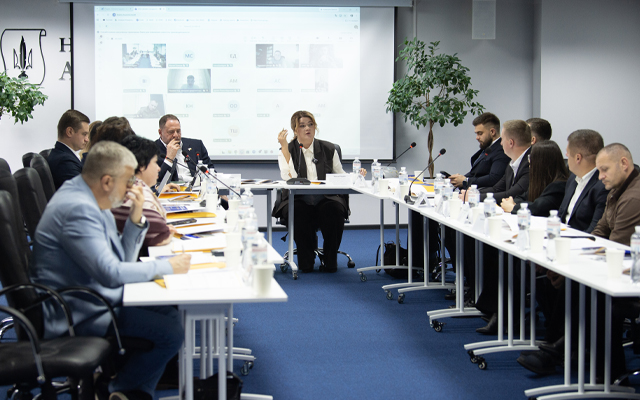
Guarantees in the event of detention and procedures for military personnel: recommendations from the UNBA Committee
Most often, military personnel turn to advocates regarding frozen bank accounts and delays in discharge. Step-by-step procedures have been prepared for such situations. A guide on one-time financial assistance has been provided for the families of those killed in action. And the new regulations governing the stay of mobilized individuals at TCCs require changes regarding guarantees of communication with an advocate.
Rule of Law Roadmap
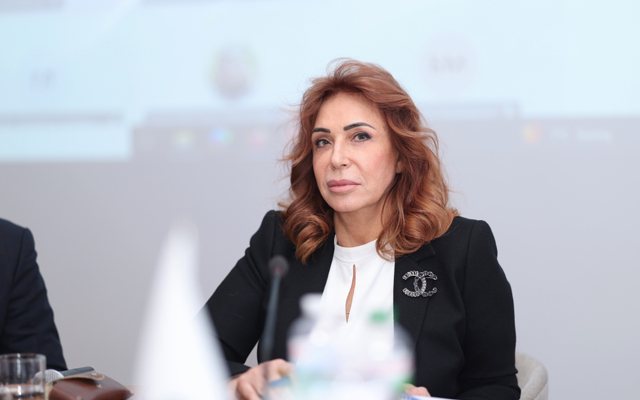
Lidiya Izovitova: reform of the advocacy profession should make the profession stronger and individuals better protected
The Ukrainian advocacy community is finalizing work on a new version of the relevant law. The roadmap on the rule of law has set the fourth quarter of 2026 as the deadline for achieving results in this area. The draft is intended to ensure safeguards for the practice of law through mechanisms of accountability for violations.
Abroad
The first country to ratify the Convention on the Protection of the Professions of Lawyer
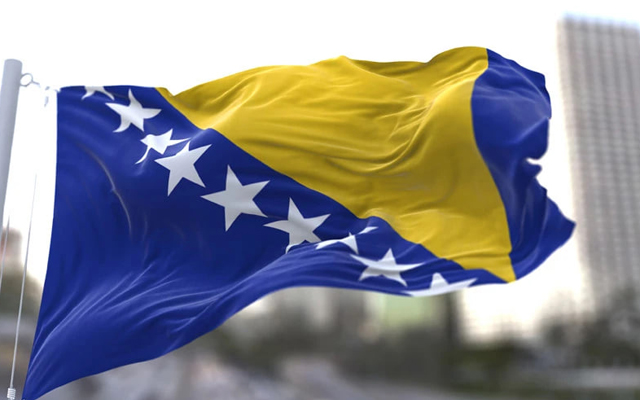
Bosnia and Herzegovina became the first country to ratify the Council of Europe Convention on the Protection of the Professions of Lawyer (CETS No. 226). The country signed the Convention on March 17, 2026, so it took just over seven months to ratify it.
Discussion
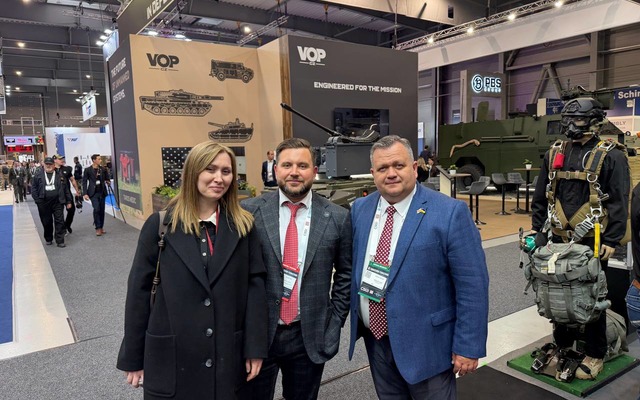
Civil security and guidelines for investors: representatives of the UNBA attend a forum in Prague
How to establish a business in Ukraine, protect investments, and comply with regulatory requirements — these were the issues that foreign companies in the security sector discussed with representatives of the UNBA during an international forum in Prague.
Legislation
An emergency search without a warrant? What changes are advocates proposing to the CPC
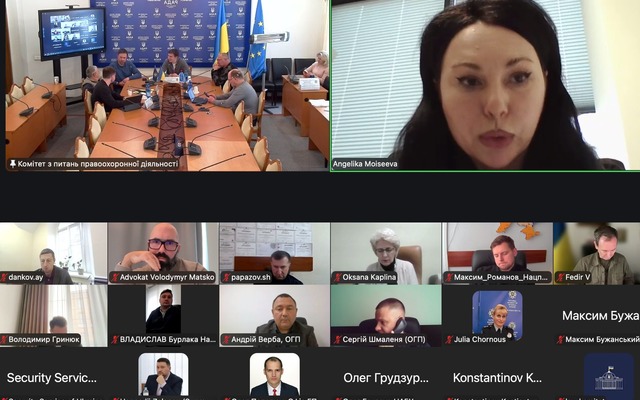
The Verkhovna Rada is preparing a consolidated draft of amendments to the Criminal Procedure Code regarding searches in urgent cases without a prior ruling by an investigating judge. The UNBA insists that judicial oversight following such a search must be effective, and that homeowners must be full participants in the procedure.
Discussion
Seizure does not mean return: how to get an exchange to return stolen crypto assets
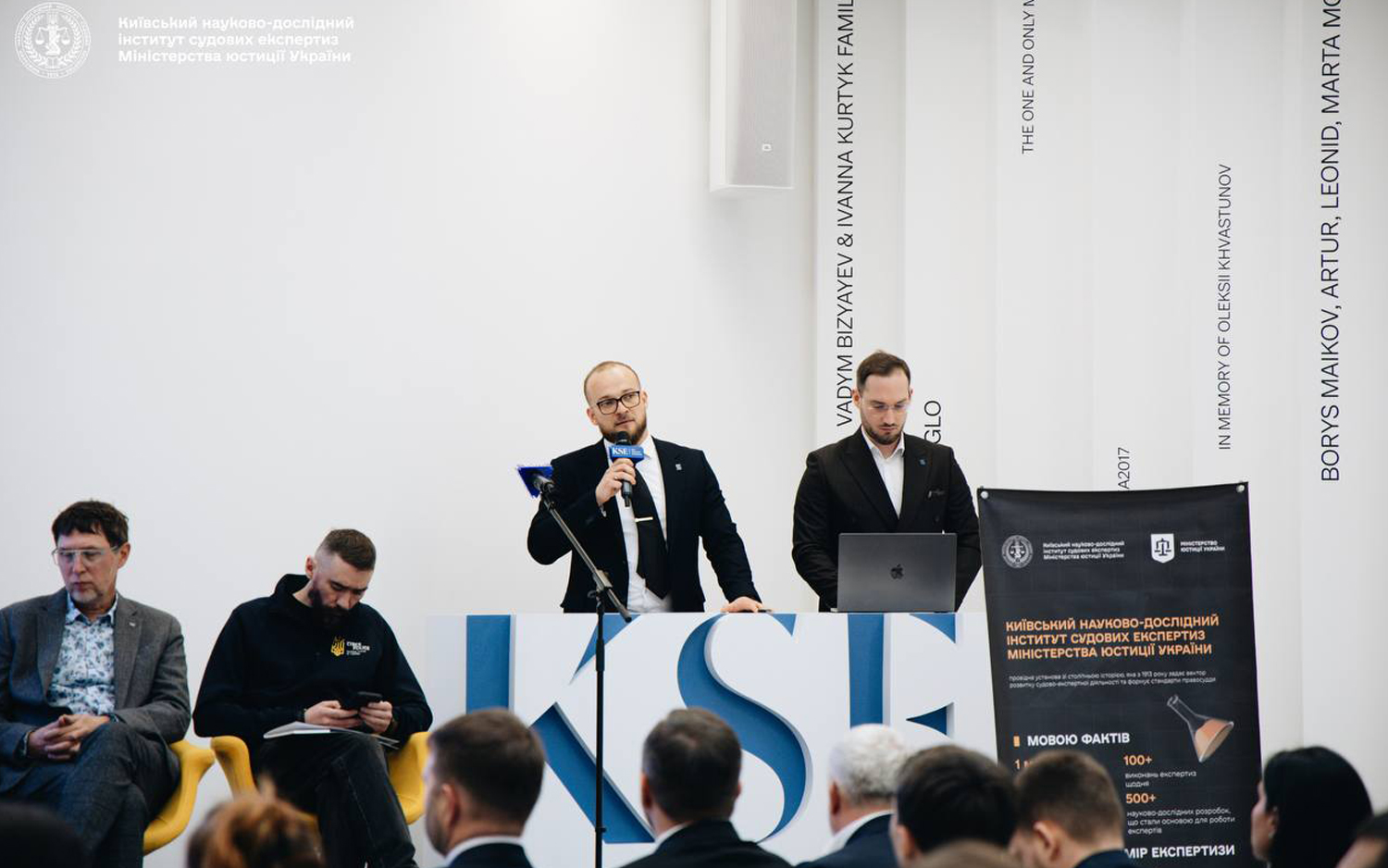
In cases involving cryptocurrency theft, the assets move faster than the criminal proceedings, so it is best to first freeze and seize them, and only then identify the perpetrator. However, even a seizure will not recover the funds unless the court order specifies exactly what the exchange or issuer must do.
Support
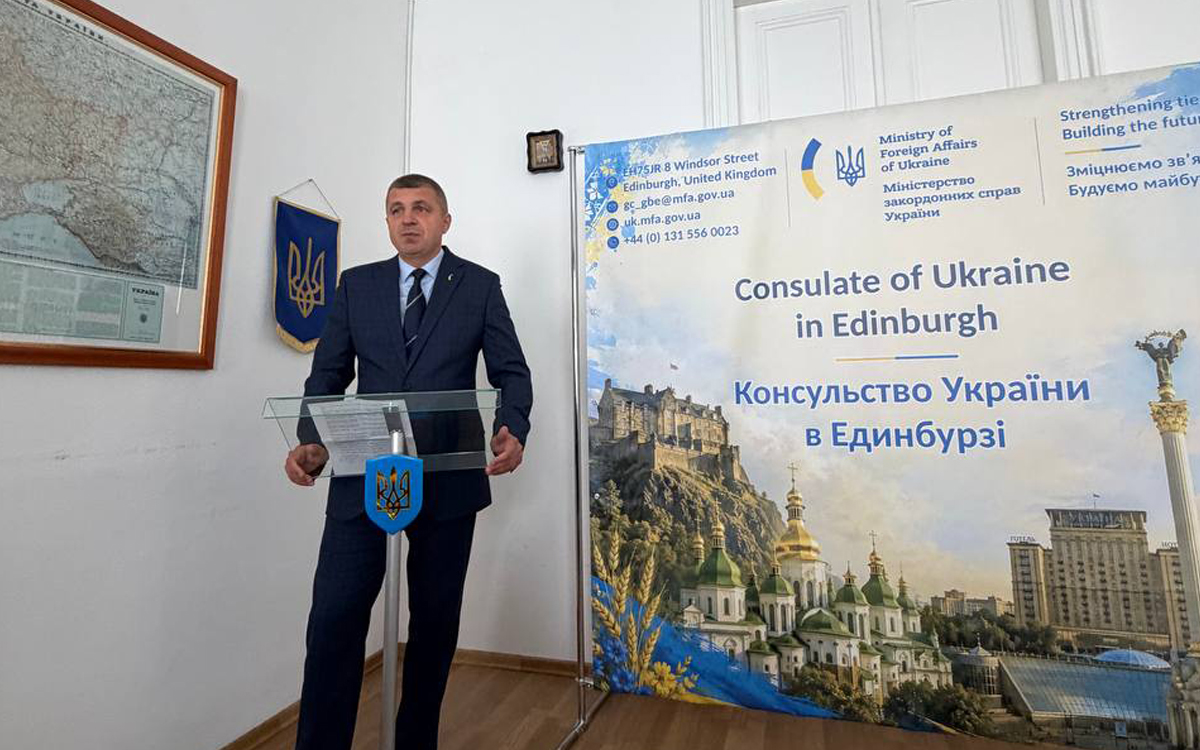
In Edinburgh expressed gratitude to those who are helping Ukrainian advocates and citizens
Since the start of the full-scale invasion, Scottish legal institutions and the Ukrainian community, with the participation of the UNBA, have been helping Ukrainian advocates obtain their qualifications and Ukrainians receive legal assistance. The parties are now planning joint professional and educational events.
Educational events
What to do when you need immediate protection in the LCIA
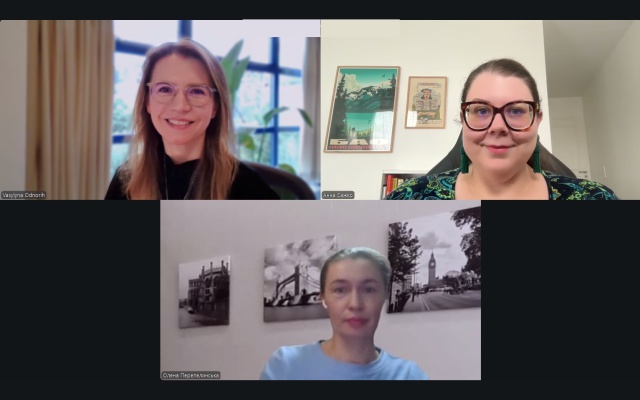
A dispute with a counterparty has been referred to the London Court of International Arbitration (LCIA), but it will take several weeks to appoint the arbitrators, and the client needs legal representation immediately? This can be achieved through an emergency arbitrator or expedited tribunal formation.
Publications

Vasyl Kolishnyi, «Law and Business» Supporting mental health should become part of the professional culture of the Bar, - H. Udovenko

Volodymyr Matsko Extradition during wartime: when the risks outweigh the request

Volodymyr Matsko Extradition as a systemic form of rights violations

Victoria Yakusha, Law and Business The anti-corruption vertical cannot «take care» of the Bar as an institution, - acting head of the HQDCB

Censor.net Protecting advocates – protecting justice: addressing concerns about the new law

Ihor Kolesnykov A BRIEF SUMMARY REGARDING THE APPLICATION OF THE ORDER ON EXTENDED CONFISCATION IN LATVIA REGARDING FINANCIAL ASSETS OF…

Valentyn Gvozdiy WORKING IN A WAR ZONE

Lydia Izovitova Formula of perfection

