






Fines for loud exhaust — based on a standardized measurement method — UNBA
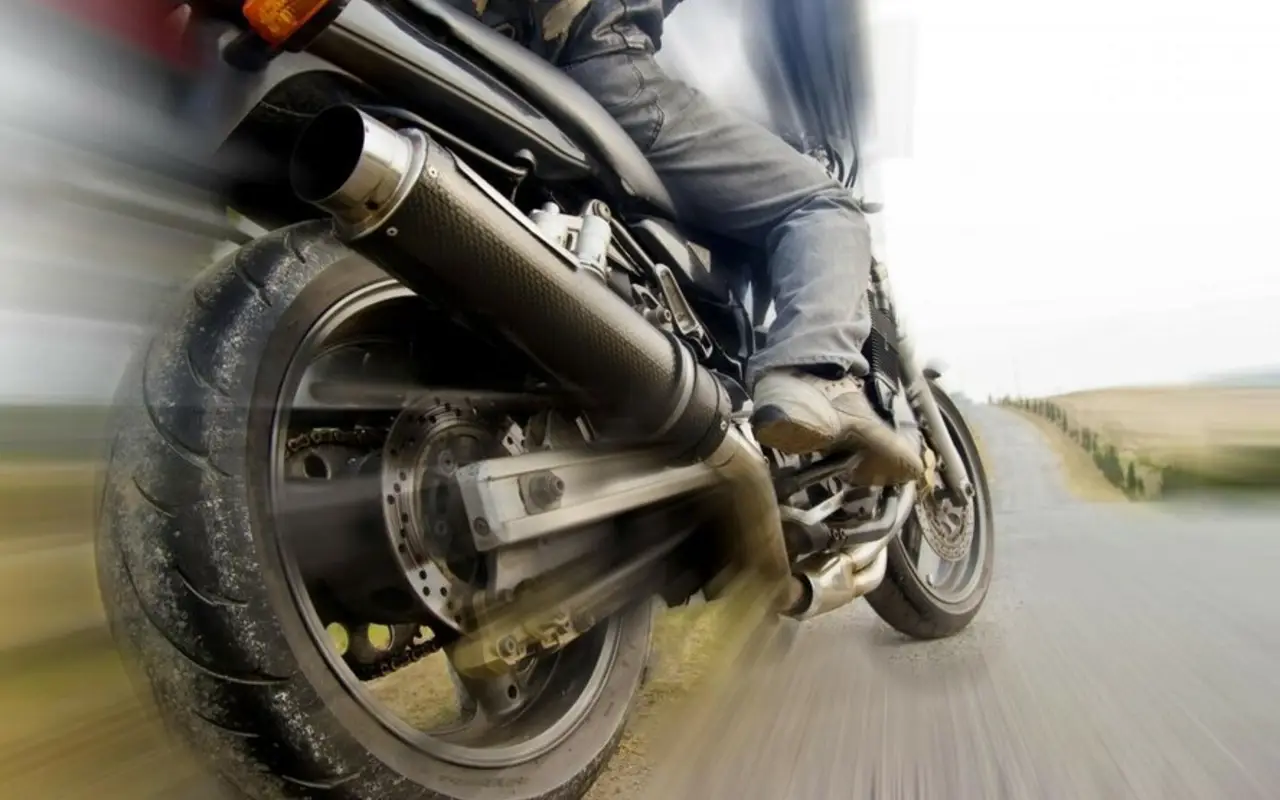
Measures to combat intentionally loud exhaust noises are justified, especially during wartime. However, as long as the law does not specify which noise standard to apply or how to measure it on the road, this new liability can be neither fair nor effective.
The UNBA Committee on transportation law drew attention to this issue following an analysis of Draft Law No. 15358 dated June 26, 2026 «On amendments to the Code of Ukraine on administrative offenses and other legislative acts regarding the establishment of liability for operating vehicles in excess of the permissible noise level», which the Verkhovna Rada adopted as a basis.
The draft law proposes to supplement the Code of Ukraine on administrative offenses with article 124-3. Driving a vehicle that exceeds the permissible noise level is punishable by a fine of 500 NMDG (8,500 UAH); during martial law, the fine is 1,000 NMDG (17,000 UAH). For a repeat offense—up to 2,000 NMW (34,000 UAH) and a 3–6-month suspension of driving privileges. The authors link the changes to the proliferation of «straight-through» exhaust systems and sounds that could be mistaken for an aerial threat.
The UNBA supported this objective. At the same time, according to advocates, the proposed liability mechanism is incomplete in terms of legal certainty and the burden of proof.
The key concern relates to the regulatory standard. Sanitary noise standards for residential areas (Ministry of Health Order No. 463 of February 22, 2019) assess the impact on humans and do not serve as a criterion for a vehicle’s technical roadworthiness. More relevant in nature are the Rules for the Operation of Wheeled Vehicles (Order of the Ministry of Infrastructure No. 550 dated July 26, 2013) and DSTU 3649:2010.
The permissible noise level (exceeding which is subject to a fine) depends on the vehicle category, engine type, and manufacturer’s specifications. Therefore, the police (as the authority responsible for imposing administrative penalties) must prove not only the actual noise level but also which threshold applies specifically to that vehicle. Furthermore, it is not the driver’s responsibility to locate the manufacturer’s technical documentation.
The second issue concerns the methodology for on-road measurements. Without a standardized method, the same technical condition will be assessed differently depending on the location of the stop, background noise, or the position of the measuring device. UNBA provides an example: if the standard is 90 dBA, the device reads 91 dBA, and the margin of error is ±2 dBA, a violation has not been proven. The margin of error should be interpreted in the driver’s favor. Furthermore, a sound level meter cannot distinguish the exhaust noise of a specific car from the background noise of a nearby bus or generator.
Therefore, advocates propose establishing the following safeguards:
- a series of measurements to determine background noise;
- continuous video recording of the procedure;
- the driver’s access to the results, information about the device, its calibration, and the applicable standard;
- the right to a repeat or follow-up measurement.
The UNBA also drew attention to the proportionality of the proposed penalties. Noise violations without dangerous consequences differ from violations that directly endanger life. Automatically increasing liability solely due to martial law regardless of the location, time, nature of the violation, and its actual consequences requires separate justification. The new wording should be aligned with Article 121 (Violation of Rules for Driving or Operating a Vehicle) of the Code of Administrative Offenses and should distinguish between intentional modification and sudden technical malfunction.
Therefore, the UNBA is prepared to support Draft Law No. 15358 provided it undergoes substantial revisions before the second reading, taking into account the comments expressed. Liability should take effect only after the approval of a unified measurement methodology, with a transition period. In the initial stage, the advocates propose using certified portable devices, while «noise radars» should be considered as a future option.
The full text of the UNBA’s comments and proposals, submitted to the Verkhovna Rada Committee on law enforcement, can be viewed at this link.
Popular news
Rule of Law Roadmap
Lidiya Izovitova: reform of the advocacy profession should make the profession stronger and individuals better protected
The Ukrainian advocacy community is finalizing work on a new version of the relevant law. The roadmap on the rule of law has set the fourth quarter of 2026 as the deadline for achieving results in this area. The draft is intended to ensure safeguards for the practice of law through mechanisms of accountability for violations.
Abroad
The first country to ratify the Convention on the Protection of the Professions of Lawyer
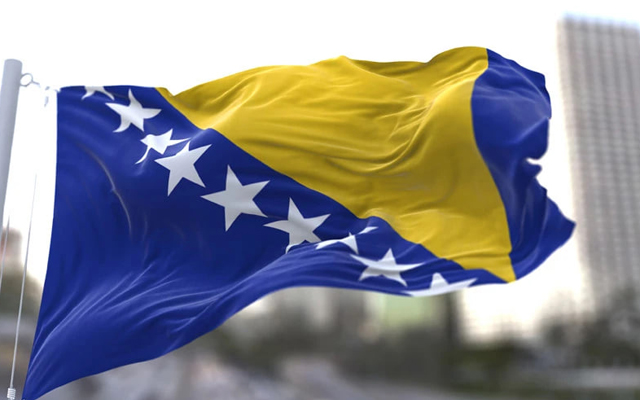
Bosnia and Herzegovina became the first country to ratify the Council of Europe Convention on the Protection of the Professions of Lawyer (CETS No. 226). The country signed the Convention on March 17, 2026, so it took just over seven months to ratify it.
Support
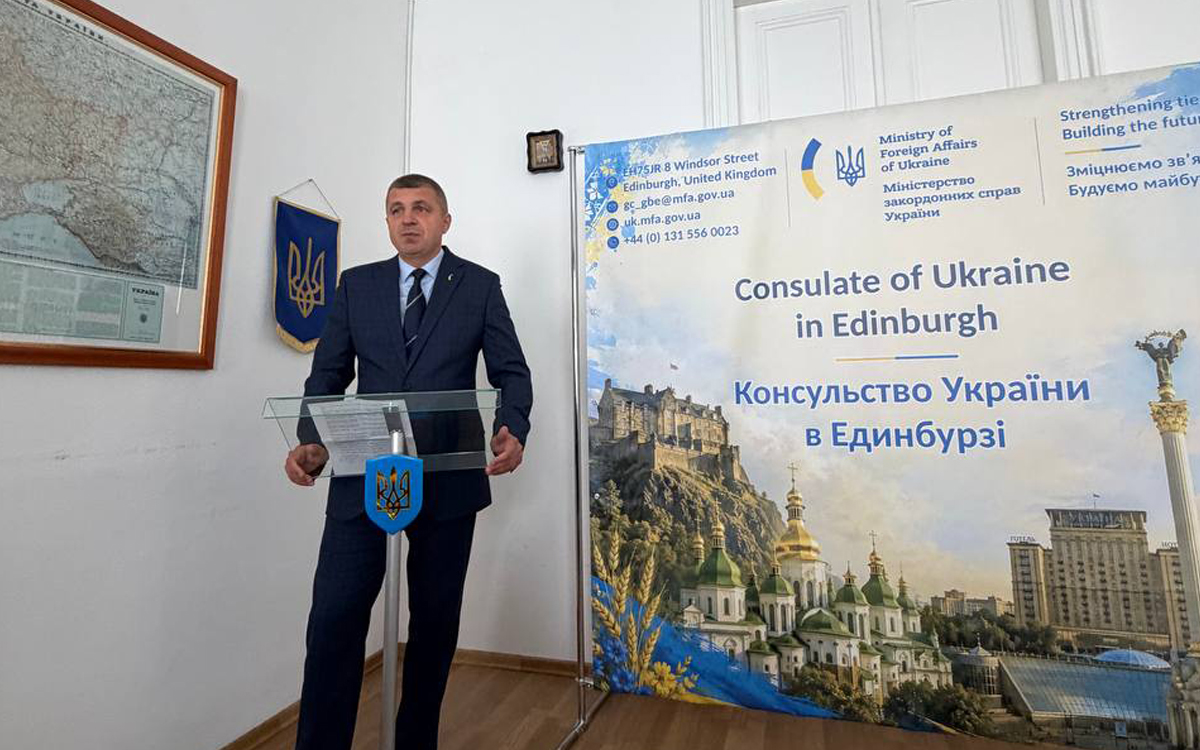
In Edinburgh expressed gratitude to those who are helping Ukrainian advocates and citizens
Since the start of the full-scale invasion, Scottish legal institutions and the Ukrainian community, with the participation of the UNBA, have been helping Ukrainian advocates obtain their qualifications and Ukrainians receive legal assistance. The parties are now planning joint professional and educational events.
Educational events
An advocate's meeting with a client outside the office: how to conduct it without giving away too much
If a client suggests meeting in a public place, keep in mind that any name or amount mentioned aloud could be overheard by bystanders. Therefore, it’s important to plan ahead regarding the table, seating arrangements, and the scope of the conversation.

Legislation
The UNBA explained what could undermine the plan to introduce plea agreements
Information regarding who pays whom, how much, and on what grounds under a plea agreement must be made public. However, as long as this information is classified as a state secret or personal data, the court will continue to be able to close proceedings and restrict access to judgments.
Interaction
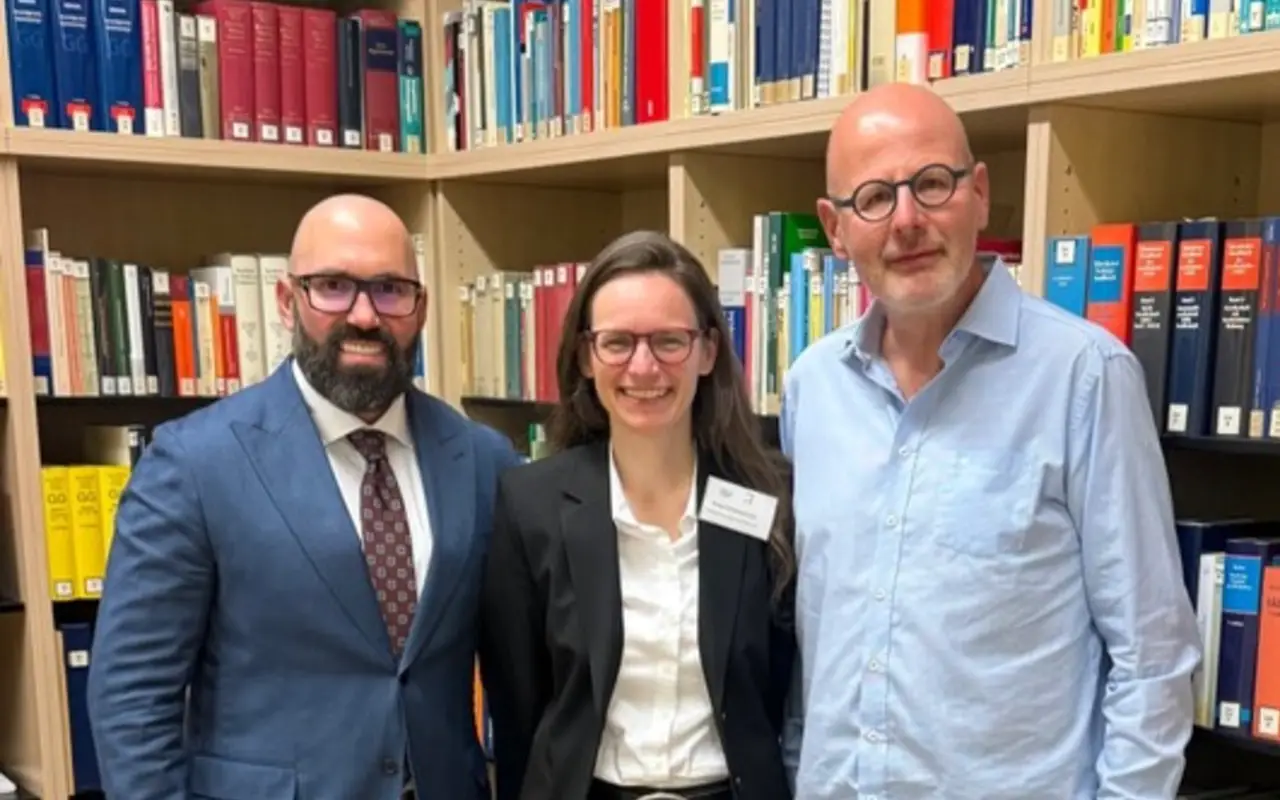
The UNBA and the German Institute for Eastern Law will prepare joint legal opinions
Ukrainian advocates and German legal scholars will jointly prepare comparative legal studies, expert opinions, and professional events. The UNBA reached this agreement with the Institute for Eastern European Law in Regensburg, which has been researching the laws of Central and Eastern European countries for nearly 70 years.

Legislation
Proceedings against military personnel following AWOL require clear deadlines — UNBA
A soldier’s return to duty after AWOL does not necessarily mean the end of criminal proceedings. To ensure that the case does not remain at the pretrial investigation stage, a clear procedure for the investigator and prosecutor is required.
Educational events
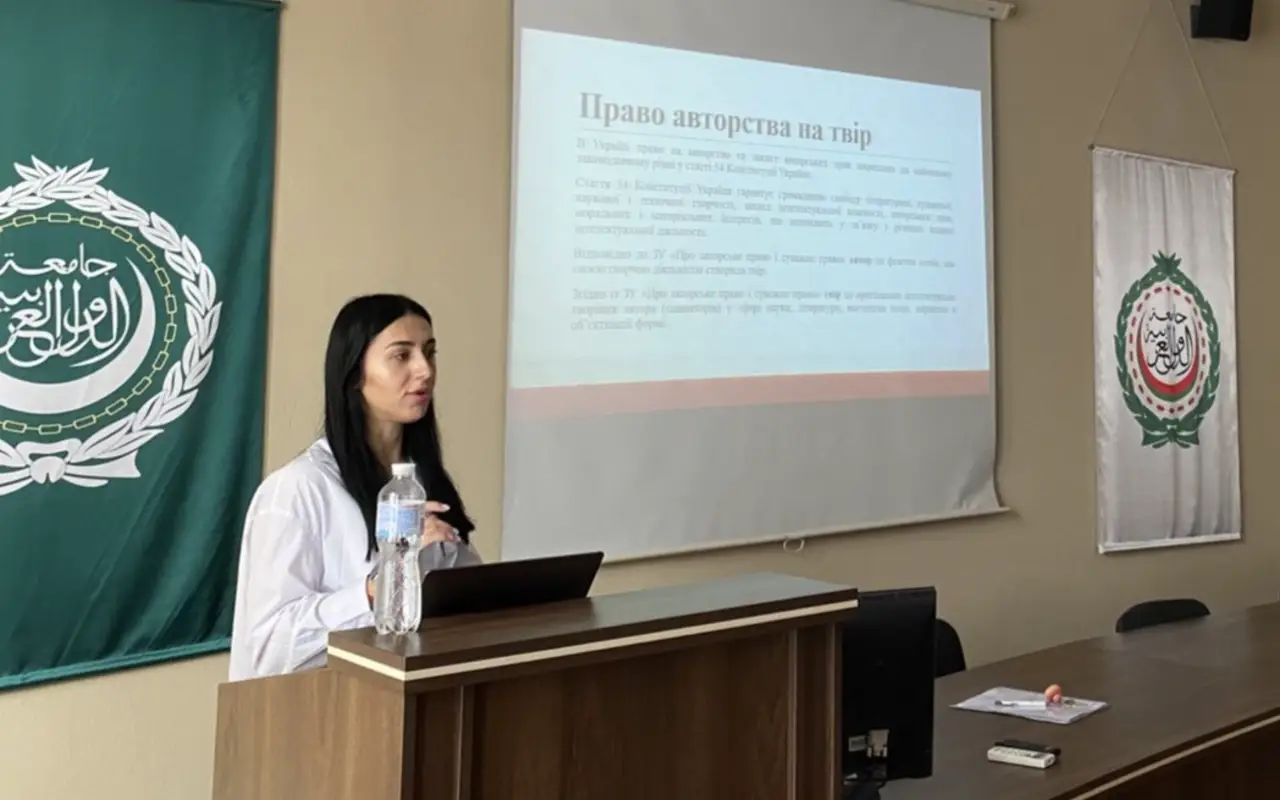
A one-time payment or royalties? Students were briefed on changes to copyright agreements
As a general rule, property rights to a work created by an employee are transferred to the employer, but the author retains the right to remuneration. European law requires that this remuneration be based on the actual income generated by the work, rather than being limited to a one-time payment.
Publications

Vasyl Kolishnyi, «Law and Business» Supporting mental health should become part of the professional culture of the Bar, - H. Udovenko

Volodymyr Matsko Extradition during wartime: when the risks outweigh the request

Volodymyr Matsko Extradition as a systemic form of rights violations

Victoria Yakusha, Law and Business The anti-corruption vertical cannot «take care» of the Bar as an institution, - acting head of the HQDCB

Censor.net Protecting advocates – protecting justice: addressing concerns about the new law

Ihor Kolesnykov A BRIEF SUMMARY REGARDING THE APPLICATION OF THE ORDER ON EXTENDED CONFISCATION IN LATVIA REGARDING FINANCIAL ASSETS OF…

Valentyn Gvozdiy WORKING IN A WAR ZONE

Lydia Izovitova Formula of perfection

