






Supreme Court Justice: the doctrine of the prohibition of contradictory conduct is a wild card, not a samurai sword

The doctrine prohibiting contradictory conduct applies when there is a defect in a legal relationship and a decision based on general rules would be manifestly unjust. Where such rules are in effect, a reference to them is superfluous.
This was emphasized by Judge Vasyl Krat of the Civil Cassation Court of the Supreme Court during the webinar «The legal doctrine of venire contra factum proprium (prohibition of contradictory conduct)». The event took place on October 15, 2026, at the initiative of the UNBA NextGen in the Odesa region. The meeting was moderated by the Committee’s regional representative Viktoria Pinchuk.
According to the judge, the doctrine is not explicitly mentioned in the Civil Code: it is a manifestation of the principle of good faith. The sole legal basis for its application is paragraph 6 of Part 1 of Article 3 of the Civil Code. This is a discretionary concept that does not operate independently or universally with respect to all possible disputes.
V. Krat recalled the situation that marked the beginning of the doctrine’s application in the Supreme Court’s practice. A landlord had been receiving rent for the use of a land plot but later, citing an expert opinion, claimed that he had not signed the lease agreement. It is precisely this defect that allows for the application of the doctrine, as otherwise the decision would be manifestly unjust.
The judge cautioned against filing cassation appeals that rely on the doctrine of the prohibition of contradictory conduct when the essence of the case lies elsewhere. «It is not a universal samurai sword to be invoked in every case», - he noted. Responding to a question about credit disputes, insurance, and suretyship, the speaker explained: if there is no specific defect, the doctrine is unnecessary, since the provisions governing credit agreements, performance of obligations, mistake, or termination of a contract apply.
The doctrine of the prohibition of contradictory conduct is a substantive legal construct and therefore applies only to civil relations as defined in Part 1 of Article 1 of the Civil Code. Consequently, as explained by V. Krat, it does not extend to relations in enforcement proceedings or to administrative litigation. Nor should it be equated with estoppel — an institution of Anglo-Saxon law: these are concepts belonging to different legal systems. A separate principle applies in litigation — procedural good faith, specifically Article 44 of the Code of Civil Procedure, with its own specific meaning—and thus the doctrine of the prohibition of contradictory conduct does not apply to procedural relationships.
The speaker emphasized that the doctrine of the prohibition of contradictory conduct blocks, rather than nullifies. It prevents a transaction from being declared invalid or a contract from being deemed not to have been concluded, but it does not constitute grounds for challenging it. Another possible consequence is the termination of the right to contest. As an example, the judge cited a case in which a person renounced an inheritance in writing after the deadline for accepting it had expired and subsequently failed to exercise their right to contest for a long time. Although such a statement had no legal consequences, the court considered it a manifestation of conduct.
Therefore, when the person’s heirs attempted to exercise the right to contest the inheritance after the person’s death, the court concluded that the right had been extinguished.
When asked whether a court may apply the doctrine of the prohibition of contradictory conduct if the parties do not invoke it, V. Krat answered in the affirmative. Like the manifestation of the principle of good faith, the doctrine of the prohibition of contradictory conduct does not require a party’s assertion, unlike, for example, the statute of limitations.
«The Court of Cassation has repeatedly emphasized that when there are certain defects and the decision would be manifestly unjust, the doctrine of the prohibition of contradictory conduct should be applied as a «wild card», - V. Krat concluded.
Popular news
Legislation
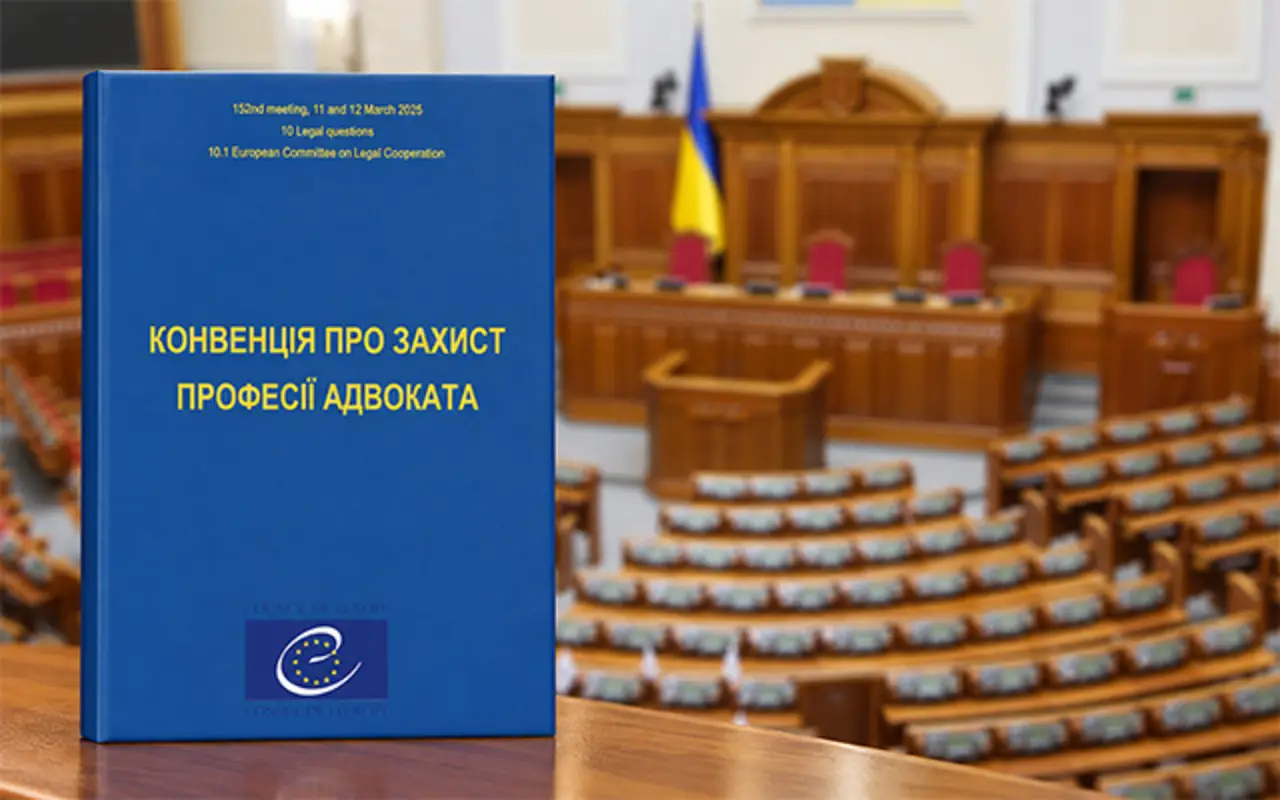
A bill implementing the Convention on the Protection of the Professions of Lawyer has been introduced
The constitutional guarantees of legal aid, defense, and the independence of advocacy cannot be realized without protecting advocates from unwarranted interference in their professional activities, including searches, the seizure of professional materials and the use of criminal procedural mechanisms to exert pressure.
Abroad
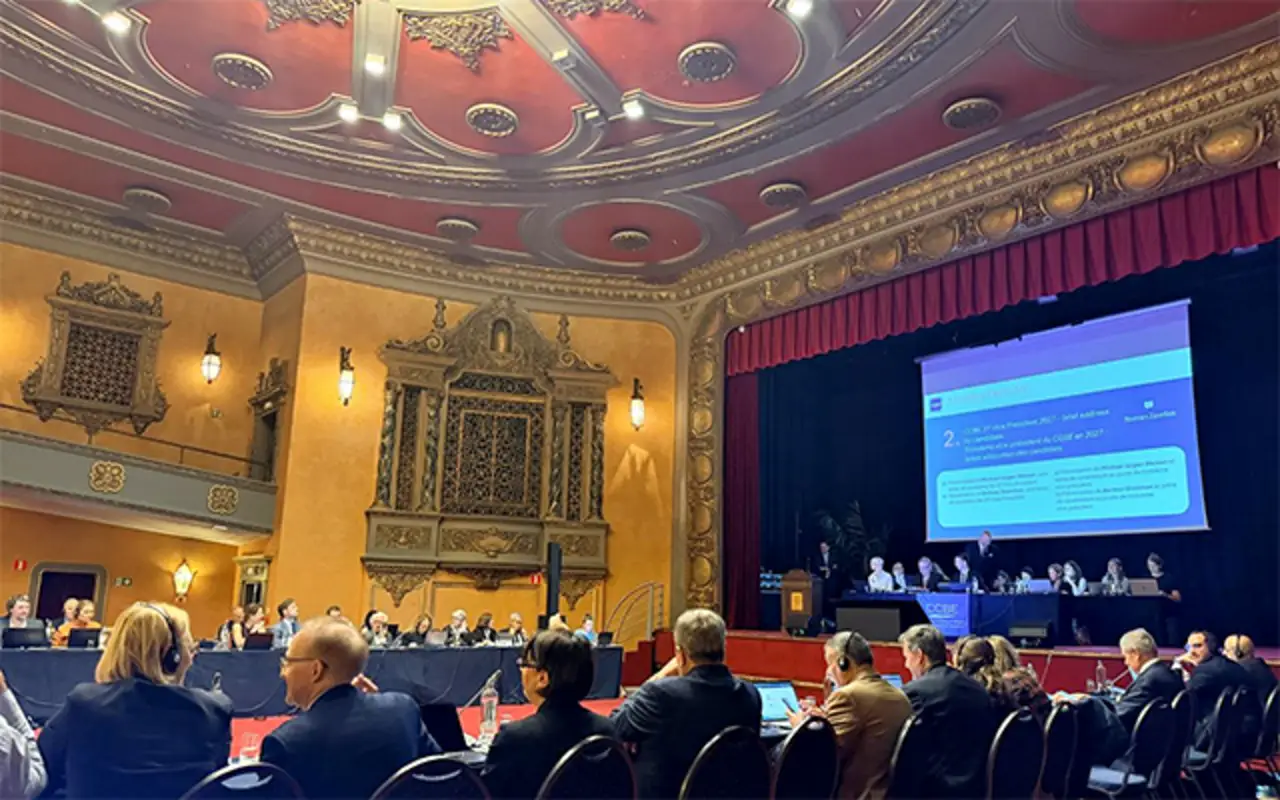
The CCBE is discussing European justice and issues related to the protection of advocates
Today, October 2, a meeting of the Standing Committee of the Council of Bars and Law Societies of Europe (CCBE) is taking place in Brussels. On the agenda are the protection of the advocate profession, the rule of law, attorney-client privilege, and changes in the European justice system.

Rule of Law Roadmap
The UNBA presented the key provisions of the future law on advocacy in Brussels
The Ukrainian National Bar Association presented its proposals for the upcoming law on advocacy, aligned with the Rule of Law Roadmap. The presentation covered topics such as access to the profession, self-governance, disciplinary procedures, professional development and guarantees for the practice of advocacy.

Educational events
Advocates were taught to voice their complaints without making accusations
In a difficult conversation, it’s easy to confuse facts with opinions, feelings with accusations, and requests with demands. How can you express dissatisfaction, explain your own needs, and propose a specific solution while still allowing your conversation partner the opportunity to refuse or suggest an alternative?
Guarantees of the practice of law
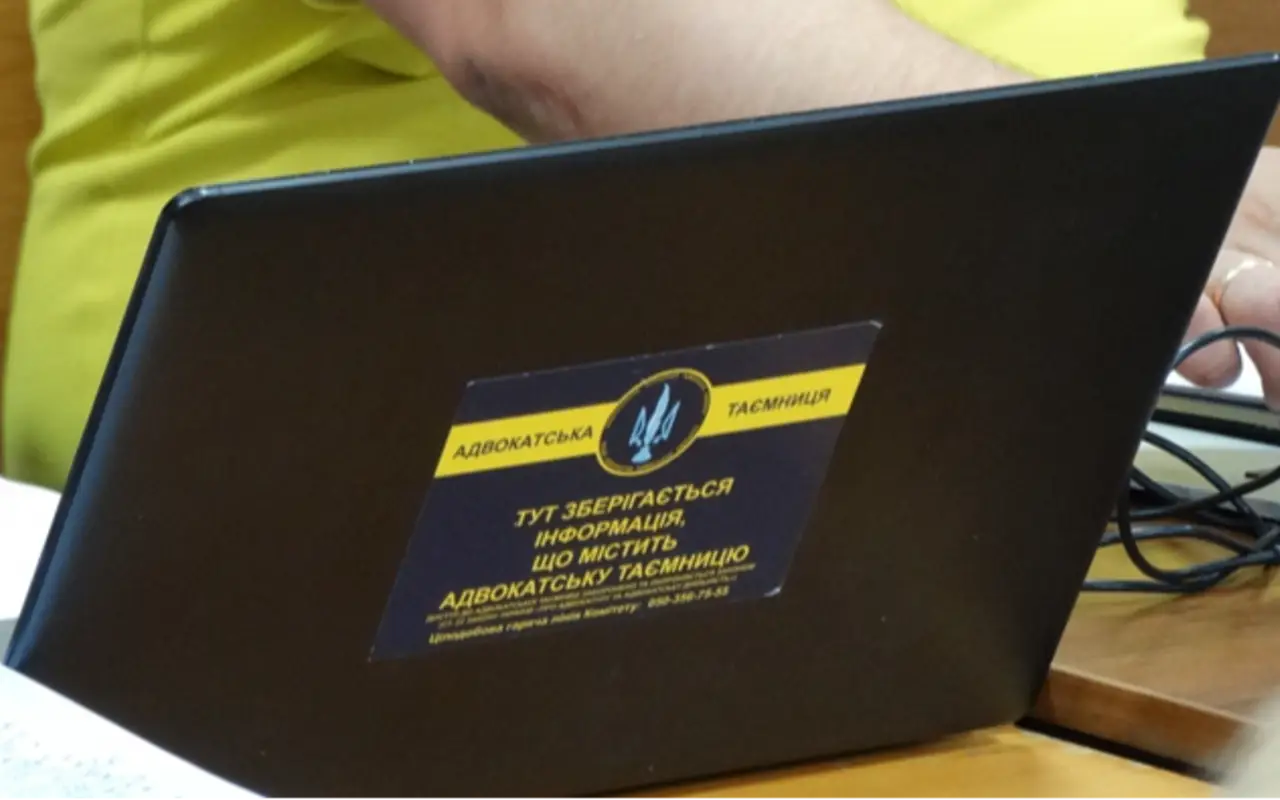
Search of an advocate's office after client's acquittal: criminal complaint filed
In Kyiv, law enforcement officers conducted a search of the home of an advocate who had defended a client acquitted by the court and seized materials from the advocate’s case file. The proceedings were initiated shortly after the acquittal, even though the document they were searching for was already included in the court case file.

Guarantees of the practice of law
The paradoxes of urgency: is it possible to investigate a crime before it is committed?
On September 24 in Kyiv, National Police officers detained an advocate during an emergency search, having caught him in the act of committing a crime. At the time, the pretrial investigation in this case had already been ongoing for more than four months.

Guarantees of the practice of law
A side effect of the video conference: the judge mistook the sound of a chair for the advocate's response
Technology also has its downsides. The High Council of Justice acquitted a judge who failed to hear the advocates during court proceedings in a civil case. One of the arguments presented to the disciplinary body was poor connectivity, the risks of which are borne by the participants.

Guarantees of the practice of law
Unrestricted access to advocates' accounts poses a risk of client data disclosure — BCU
Information regarding transactions in the bank accounts of an advocate, a law firm, or a bar association from which clients can be identified, as well as the fact and subject matter of a request for legal assistance, the purpose of payments, and the amount of the fee constitutes attorney-client privilege. This rule applies regardless of whether the information also constitutes banking information and is in the possession of a bank.
Publications

Vasyl Kolishnyi, «Law and Business» Supporting mental health should become part of the professional culture of the Bar, - H. Udovenko

Volodymyr Matsko Extradition during wartime: when the risks outweigh the request

Volodymyr Matsko Extradition as a systemic form of rights violations

Victoria Yakusha, Law and Business The anti-corruption vertical cannot «take care» of the Bar as an institution, - acting head of the HQDCB

Censor.net Protecting advocates – protecting justice: addressing concerns about the new law

Ihor Kolesnykov A BRIEF SUMMARY REGARDING THE APPLICATION OF THE ORDER ON EXTENDED CONFISCATION IN LATVIA REGARDING FINANCIAL ASSETS OF…

Valentyn Gvozdiy WORKING IN A WAR ZONE

Lydia Izovitova Formula of perfection

