






Council of Europe Convention for the Protection of the Profession of Lawyer open for signature
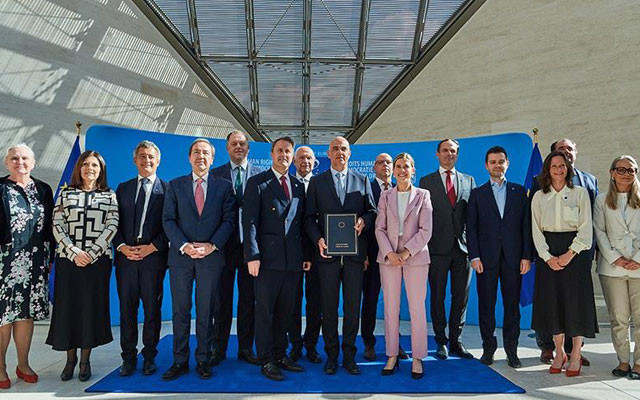
Thirteen member states of the Council of Europe have signed the Convention for the Protection of the Profession of Lawyer, which was adopted by the Committee of Ministers of the Council of Europe on March 12, 2025. Four more countries will do so today. Ukraine is not among them.
The solemn signing of the international document is taking place in Luxembourg on May 13-14 on the occasion of the meeting of the foreign ministers of the participating countries, according to the Council of Europe's official website.
The convention has already been signed by Andorra, Estonia, France, Greece, Ireland, Italy, Lithuania, Luxembourg, the Netherlands, North Macedonia, Norway, Poland, and Sweden.
Belgium, Iceland, the Republic of Moldova, and the United Kingdom are expected to sign it today, May 14.
The text of the document in English can be downloaded at link. An unofficial translation into Ukrainian can be found here.
This is the first international treaty aimed at protecting the legal profession. The decision was a response to the growing number of reports of attacks on lawyers, including in the form of persecution, threats, physical attacks or interference in the exercise of their professional duties (e.g. creating obstacles to access to clients).
Advocates play a key role in ensuring the rule of law and access to justice for all, including in the defense of human rights. Public trust in the justice system therefore depends to a large extent on the role of advocates.
The Convention applies both to advocates themselves and to their professional associations, which play an important role in protecting the rights and interests of advocates.
Under the Convention, states are obliged to guarantee that lawyers can perform their professional duties without being subjected to physical attacks, threats, harassment, intimidation or unlawful interference or intervention. If such acts constitute a criminal offense, the parties must conduct effective investigations.
To enter into force, the document must be ratified by at least eight countries, six of which must be members of the Council of Europe. Compliance with the provisions of the Convention will be monitored by an expert group and a committee of the parties.
In 2020, the European Committee on Legal Co-operation (CDCJ) examined possible measures to ensure the protection of advocates. One of these was to be a new legal instrument based on Recommendation No. R (2000) 21 of the Committee of Ministers on the freedom to exercise the profession of lawyer, the Convention for the Protection of Human Rights and Fundamental Freedoms, and the case law of the European Court of Human Rights. In order to implement these developments, a Committee of Experts on the Protection of Advocates (CJ-AV) was established within the CDCJ in 2022, comprising 15 experts from across Europe, including Ukraine. One of the drafters of the convention was Valentin Gvozdiy, the Vice President of the Ukrainian National Bar Association and the Bar Council of Ukraine, who was also elected Vice President of CJ-AV.
Popular news
Rule of Law Roadmap
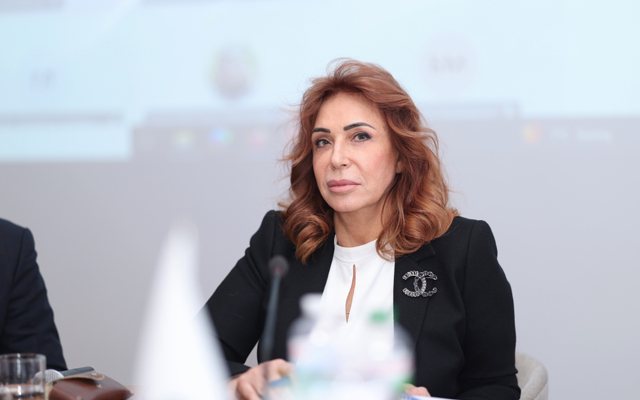
Lidiya Izovitova: reform of the advocacy profession should make the profession stronger and individuals better protected
The Ukrainian advocacy community is finalizing work on a new version of the relevant law. The roadmap on the rule of law has set the fourth quarter of 2026 as the deadline for achieving results in this area. The draft is intended to ensure safeguards for the practice of law through mechanisms of accountability for violations.

Abroad
The first country to ratify the Convention on the Protection of the Professions of Lawyer
Bosnia and Herzegovina became the first country to ratify the Council of Europe Convention on the Protection of the Professions of Lawyer (CETS No. 226). The country signed the Convention on March 17, 2026, so it took just over seven months to ratify it.
Support
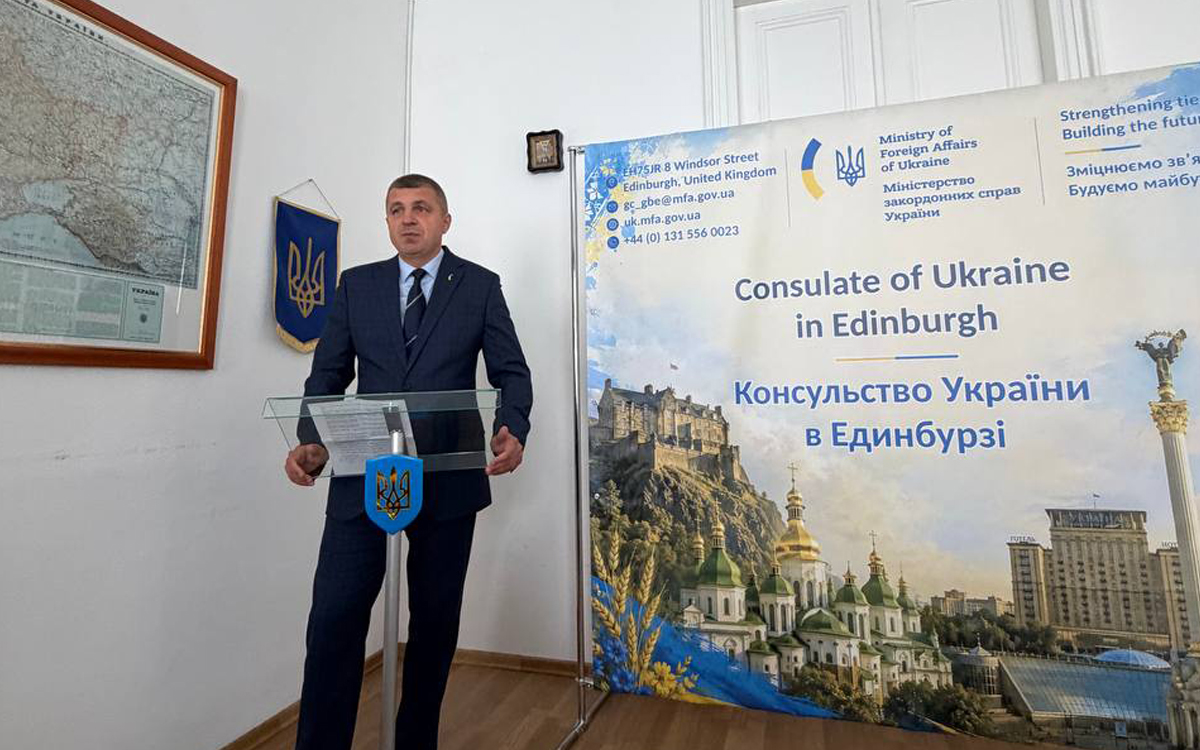
In Edinburgh expressed gratitude to those who are helping Ukrainian advocates and citizens
Since the start of the full-scale invasion, Scottish legal institutions and the Ukrainian community, with the participation of the UNBA, have been helping Ukrainian advocates obtain their qualifications and Ukrainians receive legal assistance. The parties are now planning joint professional and educational events.
Educational events
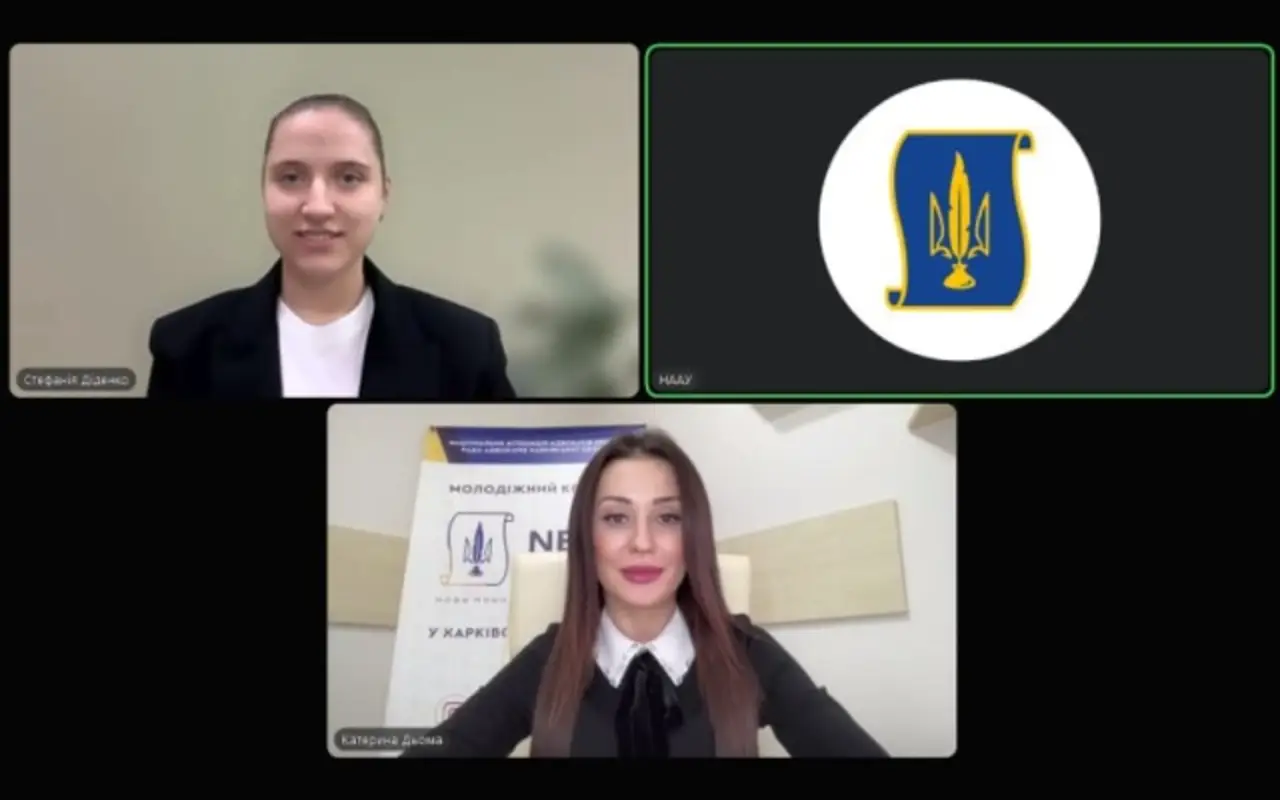
An advocate's meeting with a client outside the office: how to conduct it without giving away too much
If a client suggests meeting in a public place, keep in mind that any name or amount mentioned aloud could be overheard by bystanders. Therefore, it’s important to plan ahead regarding the table, seating arrangements, and the scope of the conversation.

Legislation
The UNBA explained what could undermine the plan to introduce plea agreements
Information regarding who pays whom, how much, and on what grounds under a plea agreement must be made public. However, as long as this information is classified as a state secret or personal data, the court will continue to be able to close proceedings and restrict access to judgments.

Interaction
The UNBA and the German Institute for Eastern Law will prepare joint legal opinions
Ukrainian advocates and German legal scholars will jointly prepare comparative legal studies, expert opinions, and professional events. The UNBA reached this agreement with the Institute for Eastern European Law in Regensburg, which has been researching the laws of Central and Eastern European countries for nearly 70 years.

Legislation
Proceedings against military personnel following AWOL require clear deadlines — UNBA
A soldier’s return to duty after AWOL does not necessarily mean the end of criminal proceedings. To ensure that the case does not remain at the pretrial investigation stage, a clear procedure for the investigator and prosecutor is required.
Educational events
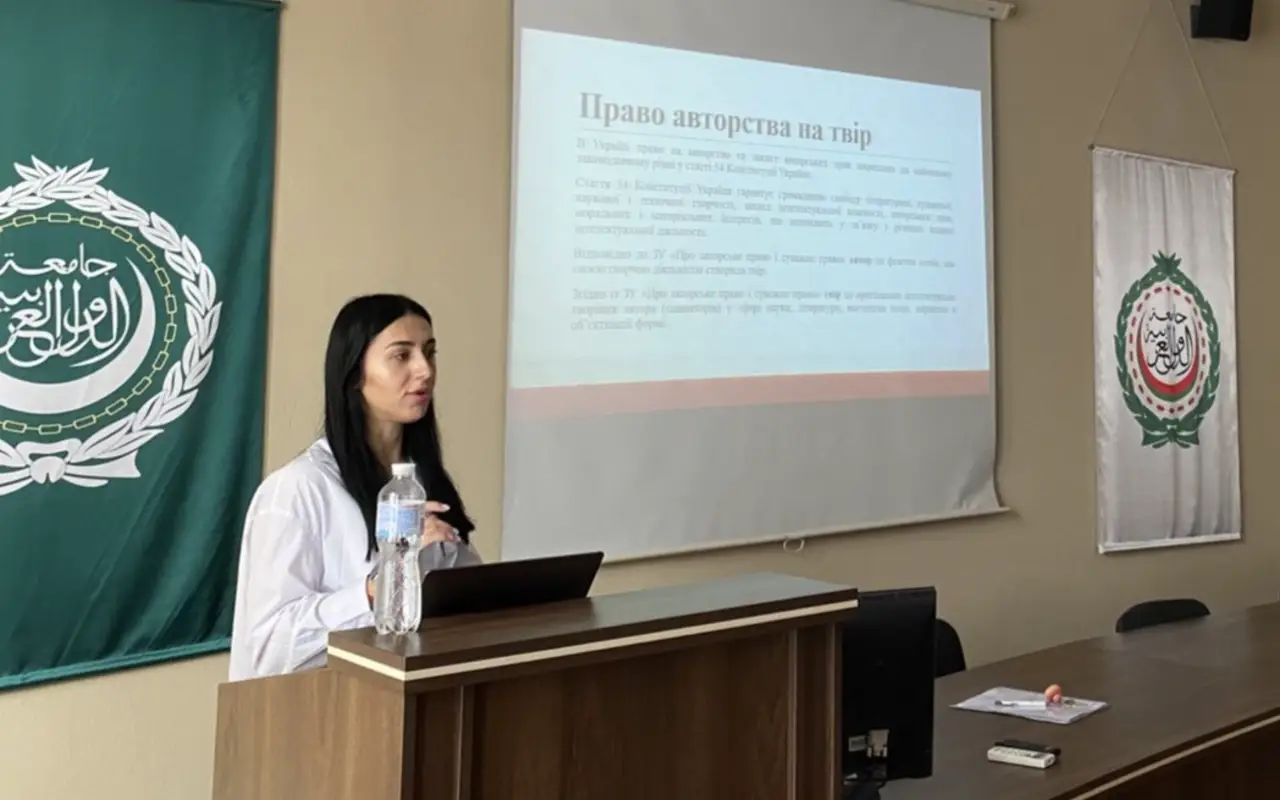
A one-time payment or royalties? Students were briefed on changes to copyright agreements
As a general rule, property rights to a work created by an employee are transferred to the employer, but the author retains the right to remuneration. European law requires that this remuneration be based on the actual income generated by the work, rather than being limited to a one-time payment.
Publications

Vasyl Kolishnyi, «Law and Business» Supporting mental health should become part of the professional culture of the Bar, - H. Udovenko

Volodymyr Matsko Extradition during wartime: when the risks outweigh the request

Volodymyr Matsko Extradition as a systemic form of rights violations

Victoria Yakusha, Law and Business The anti-corruption vertical cannot «take care» of the Bar as an institution, - acting head of the HQDCB

Censor.net Protecting advocates – protecting justice: addressing concerns about the new law

Ihor Kolesnykov A BRIEF SUMMARY REGARDING THE APPLICATION OF THE ORDER ON EXTENDED CONFISCATION IN LATVIA REGARDING FINANCIAL ASSETS OF…

Valentyn Gvozdiy WORKING IN A WAR ZONE

Lydia Izovitova Formula of perfection

