


Children under temporary protection: jurisdiction, evidence and a local advocate
In a cross-border dispute involving a child, temporary protection status alone does not determine jurisdiction or guarantee a specific outcome. An advocate needs coordinated action in Ukraine and the host country, a timely legal opinion, a local colleague, and a professional translation.
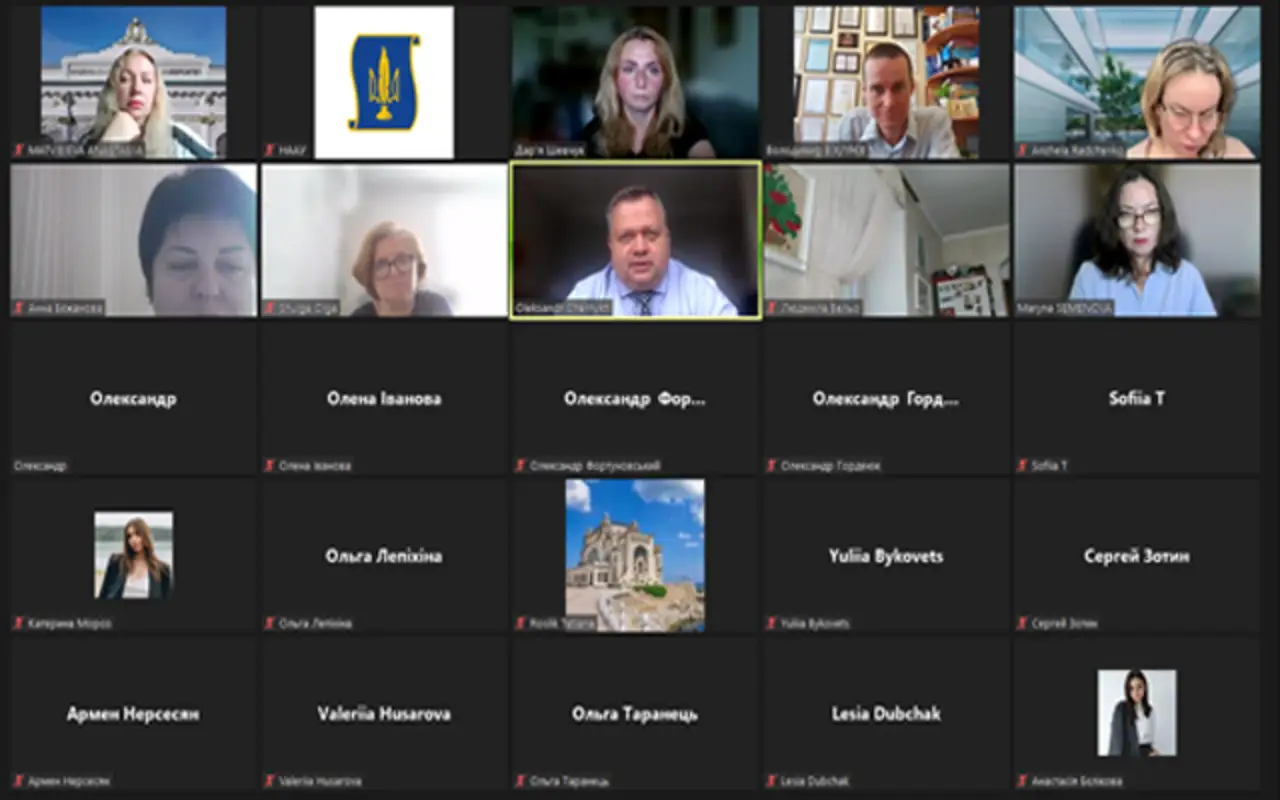
This was discussed at the roundtable «Cross-border family conflicts in wartime: tools for protecting children with temporary protection status in Europe», organized by the UNBA Committee on international relations. The event was moderated by UNBA representatives abroad Oleksandr Chernykh (United Kingdom) and Marina Semenova (France).
One of the central cases involved a Ukrainian woman who, after the outbreak of full-scale war, left for Denmark with her daughter and husband. Following a family dispute, Danish authorities began considering the child’s residence, even though the mother insisted that the dispute should be resolved in Ukraine. Upon returning home, she filed lawsuits seeking divorce, child support, and determination of her daughter’s place of residence. Meanwhile, the proceedings in Denmark continued, and a local court temporarily granted full custody to the father.
Ukrainian advocates, a Danish advocate, the Ministry of Justice, and the Ministry of Foreign Affairs of Ukraine became involved in the case. A legal expert’s opinion was prepared regarding the temporary nature of the protective measures and the child’s legal ties to Ukraine. Ultimately, the Danish court dismissed the case, ruling that Ukraine should handle the matter.
M. Semenova explained that the outcome was achieved through a consistent strategy. Simultaneously filing lawsuits in Ukraine allowed them to demonstrate to the Danish court that a family case was already being heard there. Their position was also supported by appeals to government agencies.
M. Semenova cited cooperation between the Ukrainian advocate and a colleague in the host country as another key factor. The former explains Ukrainian law and formulates the position, while the latter files documents in accordance with local procedures and presents the arguments to the foreign court. In the Danish case, direct contact between the advocates made it possible to present the position within both legal systems.
An expert opinion in the field of law can serve as an additional tool. An associate professor at the Yaroslav Mudryi National Law University Anastasia Matveeva noted that such a document is an analytical study that explains the meaning of a legal concept, norm, or institution. For a court in another country, Ukrainian law is foreign; therefore, an opinion from a Ukrainian expert can help clarify the meaning of the relevant norms and legal institutions.
The opinion for the Danish case explained the difference between temporary protection and permanent residence. Temporary protection is time-limited, whereas citizenship remained the permanent legal link between the mother and child and Ukraine. This was used to justify the application of Ukrainian law.
The document must be ordered and submitted at the beginning of the strategy-formulation process. M. Semenova cited another case in which the opinion was submitted only after the court had already begun the decision-making process, so the court was unable to fully examine it. A. Matveeva added that even in a relatively typical case, preparation requires at least two weeks, consultations with the applicant and the advocate, and precise formulation of the questions.
Advocate Anna Bezhanova highlighted the psychological and legal aspects. She noted that using a child as a tool in a conflict between parents can take the form of psychological abuse. Manifestations of this include turning the child against one of the parents, restricting communication, withholding information about the child’s health, education, or place of residence, as well as financial blackmail.
In a cross-border dispute, it is more difficult to obtain an objective assessment of the situation. If the child resides abroad, Ukrainian child welfare authorities lack the ability and authority to investigate the child’s living conditions and prepare a corresponding report. At the same time, the child’s opinion must be evaluated taking into account their age, developmental stage, and susceptibility to suggestion. Repeating phrases formulated by adults or unfounded aggression toward one of the parents may indicate manipulative influence, which a psychological evaluation can help establish.
The chairman of the Committee on legal practice and professional development of the Zaporizhzhia Regional Bar Association Volodymyr Vikhlyaev drew attention to the discrepancies between Ukrainian rules regarding the travel of children and the requirements of EU countries regarding their representation. A child may be legally accompanied by a grandmother or other close relative; however, in the host country, such a person may not be recognized as a legal representative without a separate court order. In that case, social services may initiate the appointment of a local guardian.
If there is a risk of the child being taken into custody, V. Vikhlyaev outlined the procedure recommended by the Ombudsman’s Office: notify the Ukrainian consular office and the Verkhovna Rada Commissioner for Human Rights, and engage a local advocate and interpreter. One should not physically resist law enforcement officials or attempt to secretly remove the child: this could create a risk of criminal prosecution for child abduction.
Advocate Yana Rechitska, who works with Ukrainians in Poland, explained the importance of a properly formulated request. In one case, a father demanded that his child be returned to a region of Ukraine where active hostilities were taking place. During the proceedings, it became clear that his actual request was to resume contact with the child. After an inspection of the child’s living conditions in Poland, he amended his request and asked that a schedule for visitation be established, to be facilitated by the mother.
Translation is no less important. In another Polish case, the child’s words were initially interpreted to mean that the child had slept on a mattress on the balcony during the winter. Only after the interpreter clarified that the child had slept on a mattress inside the apartment referring to the bed as a «mattress» was the misunderstanding resolved. Without this clarification, the error could have influenced the assessment of the mother’s living conditions and behavior.
J. Rechicka also explained that establishing temporary custody in Poland for a child living with a relative does not mean that the mother’s parental rights are revoked. This mechanism grants the adult the authority to sign documents, take the child to the doctor, and represent the child before schools and institutions.
In cross-border family disputes, time becomes a distinct factor. Delays facilitate the child’s adaptation to the host country and the establishment of a de facto situation, which will subsequently be taken into account when assessing the child’s best interests.
Popular news
Interaction
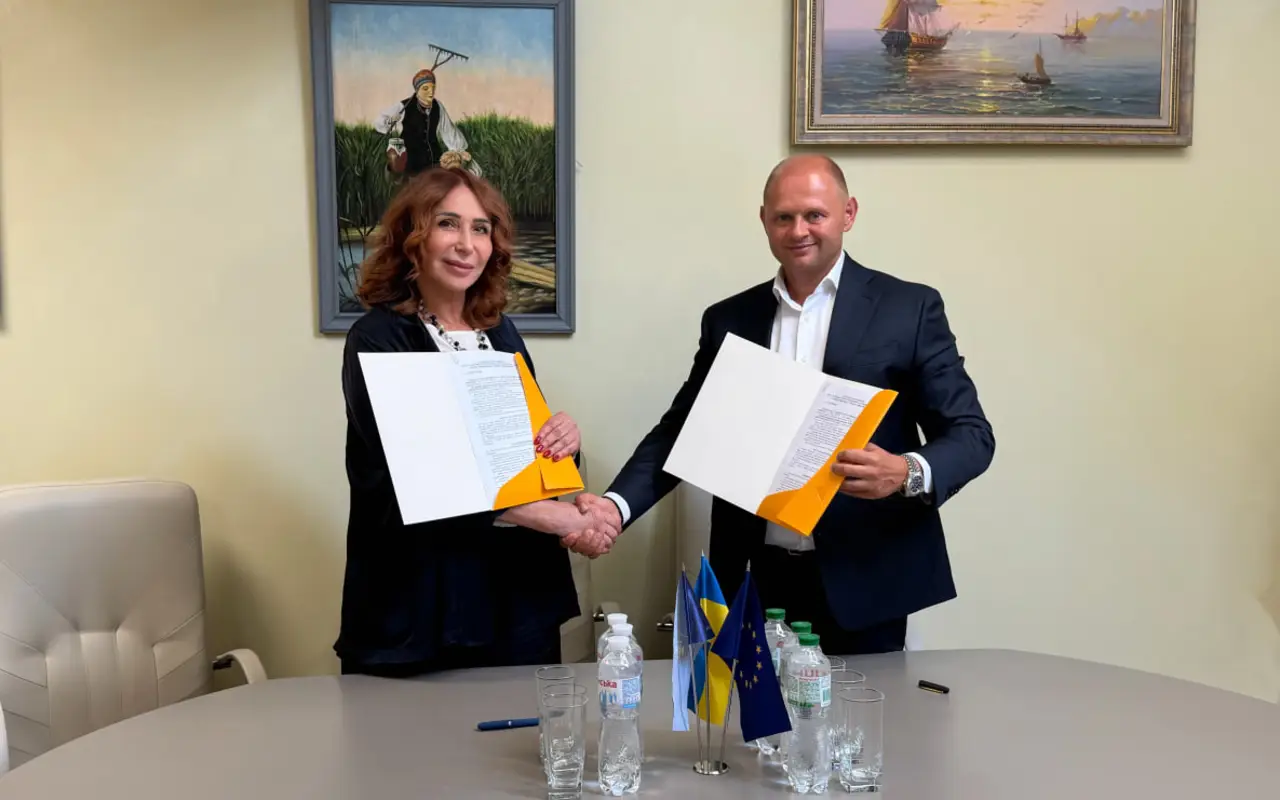
Energy law: the UNBA and the ADMGE have agreed to cooperate
Advocates will deepen their professional expertise in the field of energy law, and participants in the distributed and flexible generation market will have greater opportunities to obtain professional legal assistance.
Discussion
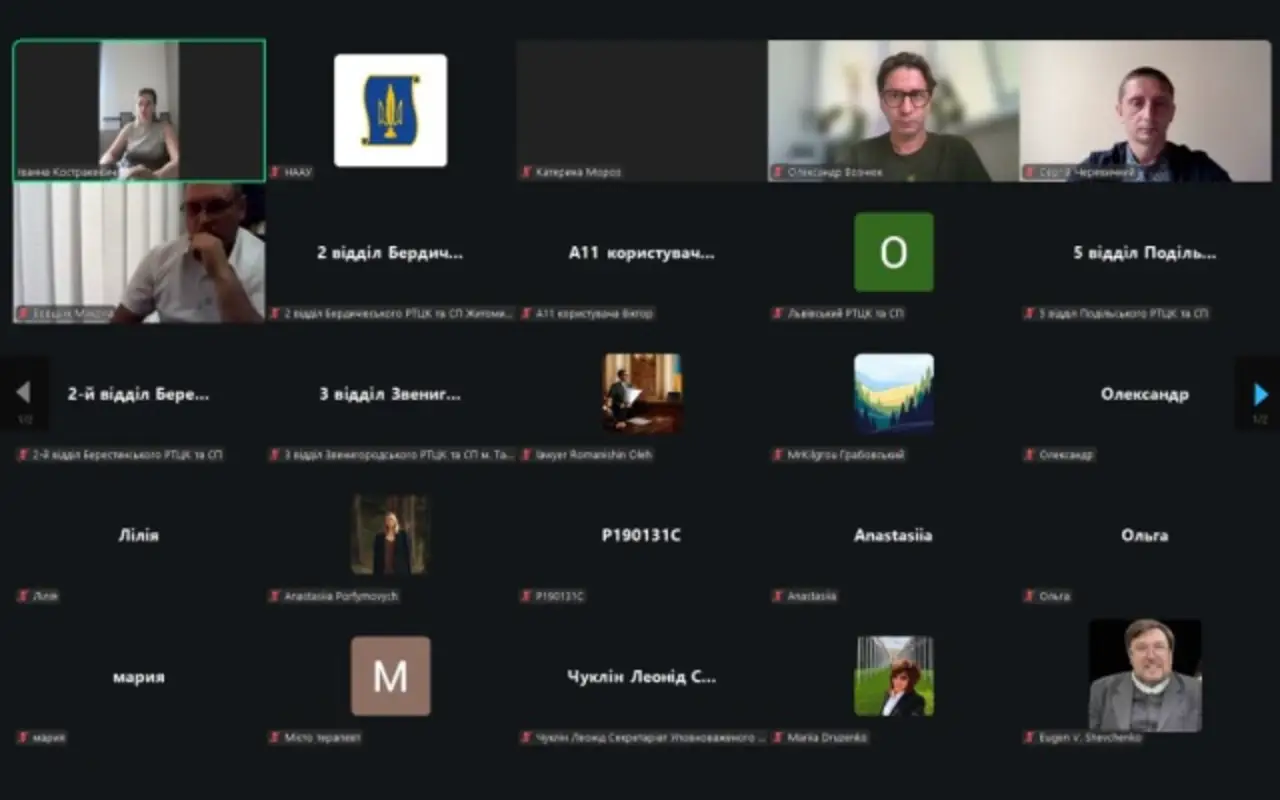
The Ministry of Defense is preparing new procedures for MMC: what changes are being proposed
The Ministry of Defense is establishing an interagency working group to develop a new procedure for military medical examinations conducted by military medical commissions. Among the issues requiring resolution are the issuance of documents based on examination results, referrals for repeat medical examinations, verification of the medical basis for decisions, and the accountability of military medical commission members.
Interaction
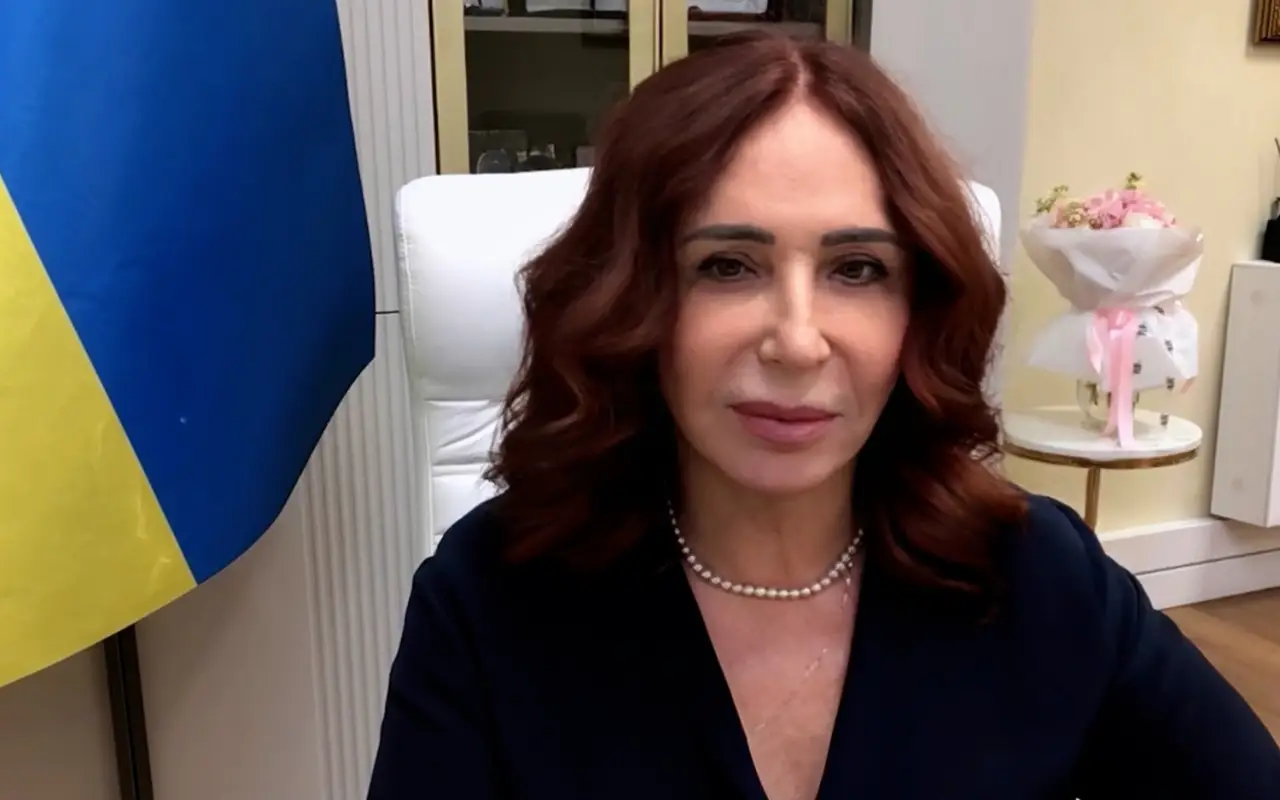
The UNBA is developing a concept for a Center for expert research
The Ukrainian National Bar Association has begun work on a concept for a Center for expert research, which is intended to provide advocates and their clients with access to specialized knowledge and the ability to have expert opinions professionally reviewed.
Guarantees of the practice of law
Ombudsman calls for a firm response to violence against advocates
Every instance of obstruction of an advocate’s lawful activities, use of physical force, delaying an investigation, or concealment of evidence must be subject to a proper legal assessment. The state is obligated to ensure that the right to a defense is a genuine guarantee.
Discussion
Children under temporary protection: jurisdiction, evidence and a local advocate
In a cross-border dispute involving a child, temporary protection status alone does not determine jurisdiction or guarantee a specific outcome. An advocate needs coordinated action in Ukraine and the host country, a timely legal opinion, a local colleague, and a professional translation.
Greetings
The UNBA congratulates Denis Maslov on his appointment as Minister of Justice
Denis Maslov’s many years of experience as a advocate, his work as a judge and his tenure as chairman of the Verkhovna Rada of Ukraine’s Committee on legal policy have given him a deep understanding of how the legal system functions and the challenges it faces.
Legislation
The Verkhovna Rada explained why the section on advocacy should be removed from the anti-corruption strategy
The section on advocacy and legal aid in the draft anti-corruption strategy for 2026–2030 goes beyond the scope of anti-corruption policy and is inconsistent with the constitutional guarantees of the independence of the legal profession.
Announcements
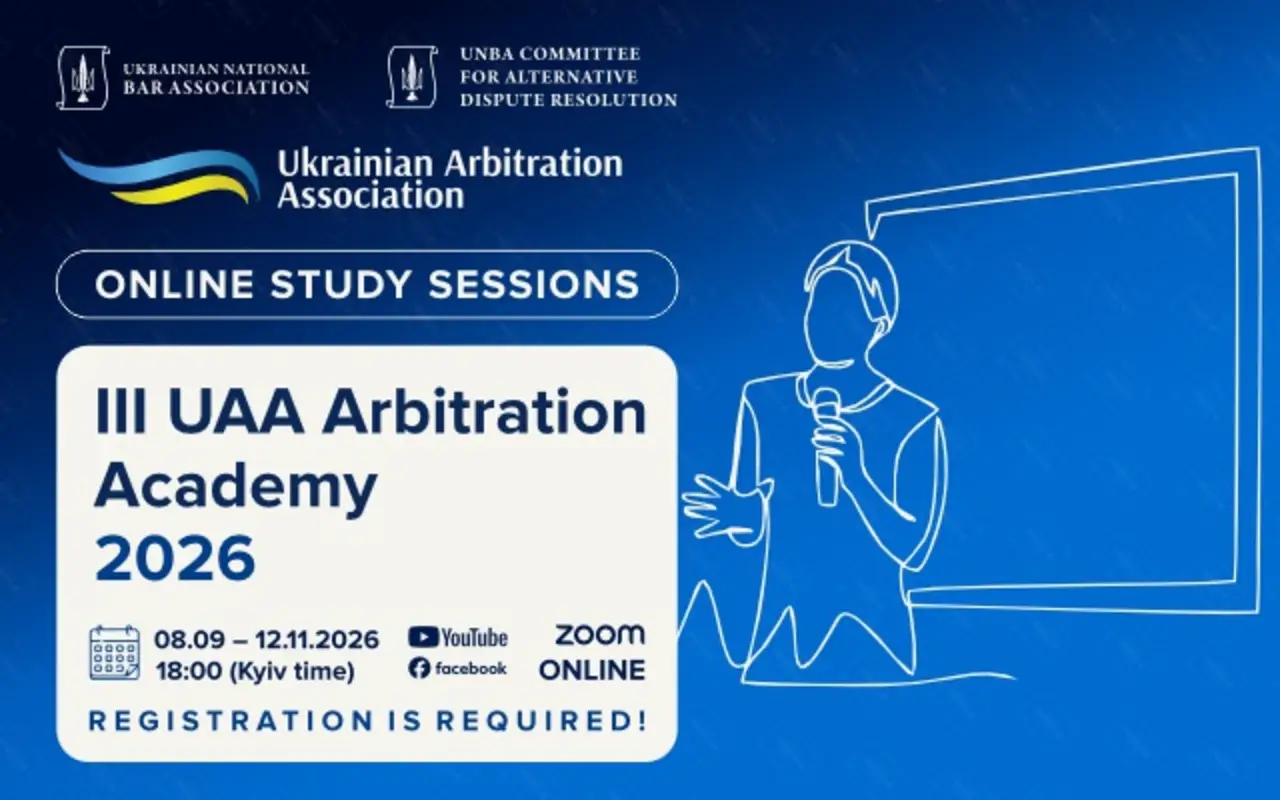
Advocates are invited to the III UAA Arbitration Academy 2026
The UNBA, at the initiative of the Committee on alternative dispute resolution, invites advocates, lawyers, students, judges, government officials and anyone interested in international arbitration to participate in the III UAA Arbitration Academy 2026.
Publications

Volodymyr Matsko Extradition during wartime: when the risks outweigh the request

Volodymyr Matsko Extradition as a systemic form of rights violations

Victoria Yakusha, Law and Business The anti-corruption vertical cannot «take care» of the Bar as an institution, - acting head of the HQDCB

Censor.net Protecting advocates – protecting justice: addressing concerns about the new law

Ihor Kolesnykov A BRIEF SUMMARY REGARDING THE APPLICATION OF THE ORDER ON EXTENDED CONFISCATION IN LATVIA REGARDING FINANCIAL ASSETS OF…

Valentyn Gvozdiy WORKING IN A WAR ZONE

Lydia Izovitova Formula of perfection

Sergiy Vylkov Our judicial system is so built that courts do not trust advocates