


Those who equate advocates with clients will be fined – law passed
Public identification of an advocate with a client to whom such advocate provides professional legal assistance will become an administrative offense, and forms of interference in the activities of an advocate, for which liability is provided for in Article 397 of the Criminal Code, are detailed.
Today, July 16, the Verkhovna Rada adopted the Law «On amendments to the Code of Ukraine on Administrative Offenses and the Criminal Code of Ukraine to ensure compliance with guarantees of advocacy».
The Ukrainian National Bar Association welcomes this decision of the parliament, as it allows for the formation of a clear mechanism for responding to violations of the rights of advocates and guarantees of their activities, in particular, cases of pressure, public discrediting, and identification with clients, which contradicts the principle of independence of the advocacy profession.
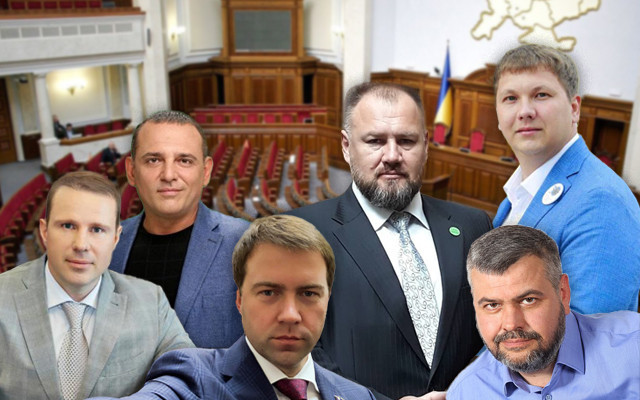
Lidiya Izovitova, the President of the UNBA, BCU, expressed her special gratitude to the authors of Draft Law No. 12320 - Grigory Mamka, Vyacheslav Medianyk, Maksym Buzhansky, Serhiy Ionushas, Serhiy Mink, Volodymyr Zakharchenko, the leadership and members of the Verkhovna Rada Committee on law enforcement and the Verkhovna Rada Committee on legal policy, as well as all members of parliament who supported the legislative initiative.
«The adopted law is a concrete response to the systemic problem of identifying advocates with their clients and the lack of effective protection against interference in the practice of law. This is an important step towards ensuring that advocates can work without pressure and with respect for their professional status, as required by the Constitution of Ukraine and international standards», - said L. Izovitova.
According to the Law, a separate Article 185-16, «Violation of the prohibition on identifying a lawyer with a client» will be added to the Code of Ukraine on Administrative Offenses:
«1. Public, including through the media, journalists, public associations, professional unions, digital platforms, social networks, identifying a lawyer with a client to whom such lawyer provides professional legal assistance, committed without the intent to obstruct the lawyer's performance of his or her statutory powers to defend, represent, and provide other types of legal assistance to the client, -
shall entail the imposition of a fine on citizens of between two hundred and three hundred non-taxable minimum incomes and on officials of between three hundred and four hundred non-taxable minimum incomes.
2. An act provided for in part one of this article, committed by a person who has been subject to administrative penalties for the same violation within a year, -
shall entail the imposition of a fine of six hundred to eight hundred non-taxable minimum incomes.
The article will also contain a note explaining the meaning of the term «identification of an advocate with a client» – any identification (association, linking) of an advocate with a client, with the activities or actions of his client, which creates a biased attitude towards the advocate, indicates the personal involvement of the advocate in the client's case, affects the independent status of the advocate and/or exerts negative pressure during the performance of advocacy activities, and/or violates the guarantees of advocacy activities, and/or impedes the exercise of the rights of the advocate provided for by the Law of Ukraine «On advocacy and advocacy activities».
Cases involving such administrative offenses will be considered by judges of district, city, or city district courts. Protocols will be drawn up by the chairmen of regional bar councils or a member of the bar council authorized by the BCU.
In addition, the Law amends Article 397 (Interference in the activities of an advocate) of the Criminal Code.
Today, criminal liability is established for «any form of obstruction of the lawful activities of a defender or representative of a person in providing legal assistance or violation of the guarantees established by law for their activities and professional secrecy».
According to the law, these forms will be detailed: «illegal obstruction of the arrival of an advocate to a court, prosecution authorities, pre-trial investigation authorities, enterprises, institutions, organizations, regardless of their form of ownership, to their separate premises for the purpose of representing the interests of a person to whom such advocate provides legal assistance, illegal obstruction of a meeting between an advocate and a person to whom legal assistance is provided, as well as any other intentional obstruction of the professional activities of an advocate and the exercise of his or her powers, as defined by laws or other normative legal acts on the protection or representation of persons».
Some members of the public interpret the law as increasing pressure on the media. At the same time, the legal community emphasizes that the provision does not restrict freedom of expression and does not prevent public discussion of the activities of lawyers or their clients. It is aimed solely at protecting against unlawful personalisation — when an advocate is deliberately identified with the position or actions of a client, leading to discrediting, pressure or interference with the independence of the advocacy profession. This is not about prohibiting criticism, but about introducing clear boundaries that comply with both the Constitution of Ukraine and international standards. The establishment of such limits in law ensures an appropriate balance between the right of society to information and the right of lawyers to professional impartiality and protection from prejudice. At the same time, the new mechanism of accountability will not operate automatically — each violation must be recorded and proven in accordance with the established procedural order.
«This is, without exaggeration, one of the most significant achievements of the advocacy community in recent years in the field of professional guarantees. For the first time, real mechanisms have been introduced at the legislative level to hold accountable those who violate the prohibition on identifying a lawyer with their client. This not only strengthens the position of advocates in complex proceedings, but also increases trust in the legal system as a whole. Every advocate will be able to refer not only to the relevant article of the law, but also to the direct provision of the Code of Administrative Offenses and the Criminal Code, which has a preventive and protective nature, - said Valentin Gvozdiy, the Vice President of the UNBA, BCU. - Therefore, I am grateful to everyone who was involved in the preparation of the bill, its submission and support in the Verkhovna Rada, as well as those who voted for it in the session hall».
Popular news
Legislation
A bill implementing the Convention on the Protection of the Professions of Lawyer has been introduced
The constitutional guarantees of legal aid, defense, and the independence of advocacy cannot be realized without protecting advocates from unwarranted interference in their professional activities, including searches, the seizure of professional materials and the use of criminal procedural mechanisms to exert pressure.
Abroad
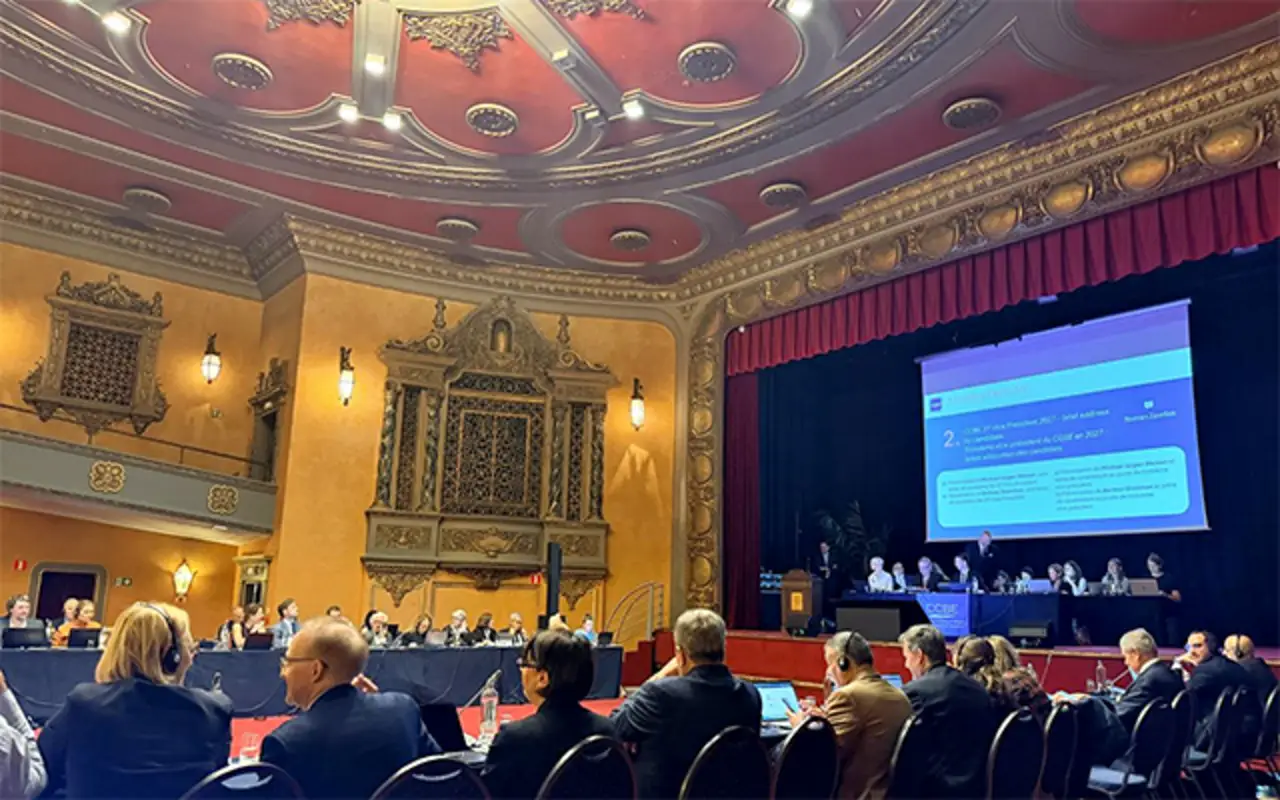
The CCBE is discussing European justice and issues related to the protection of advocates
Today, October 2, a meeting of the Standing Committee of the Council of Bars and Law Societies of Europe (CCBE) is taking place in Brussels. On the agenda are the protection of the advocate profession, the rule of law, attorney-client privilege, and changes in the European justice system.
Rule of Law Roadmap
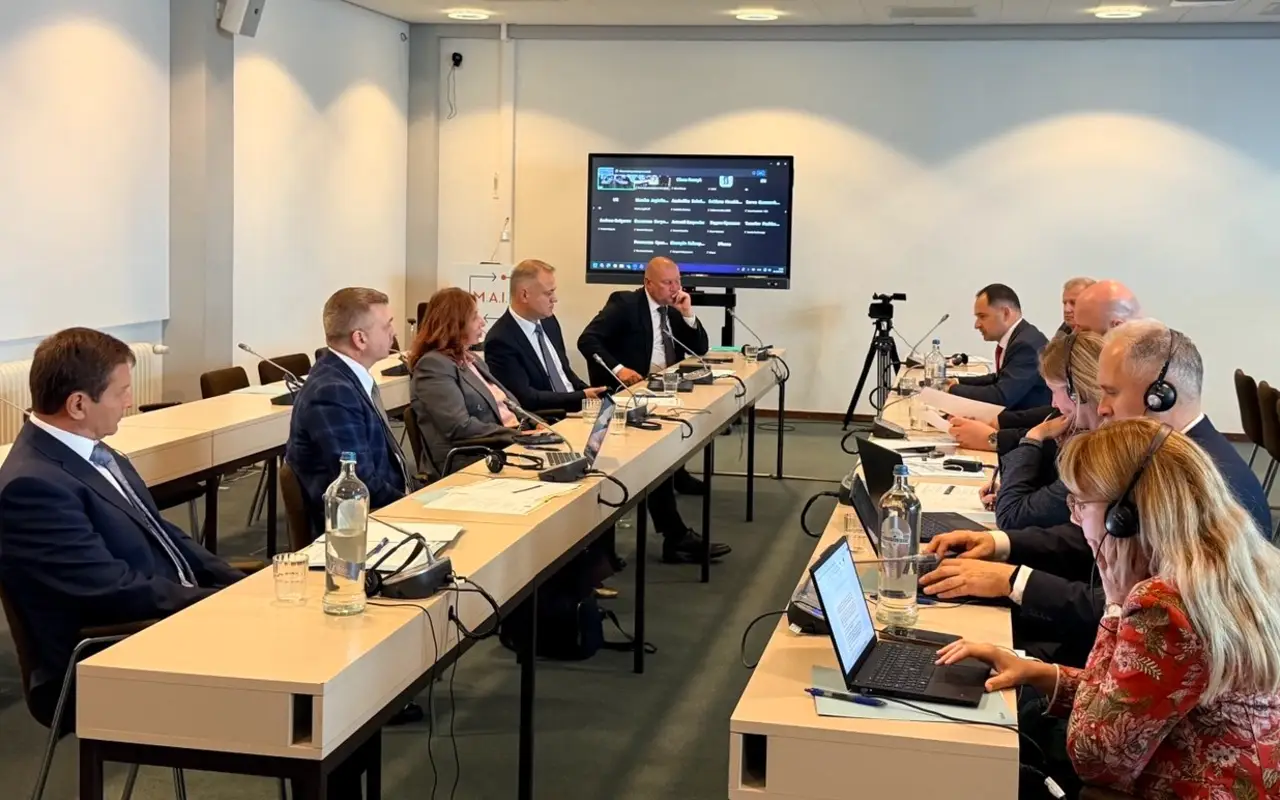
The UNBA presented the key provisions of the future law on advocacy in Brussels
The Ukrainian National Bar Association presented its proposals for the upcoming law on advocacy, aligned with the Rule of Law Roadmap. The presentation covered topics such as access to the profession, self-governance, disciplinary procedures, professional development and guarantees for the practice of advocacy.

Educational events
Advocates were taught to voice their complaints without making accusations
In a difficult conversation, it’s easy to confuse facts with opinions, feelings with accusations, and requests with demands. How can you express dissatisfaction, explain your own needs, and propose a specific solution while still allowing your conversation partner the opportunity to refuse or suggest an alternative?

Guarantees of the practice of law
Unrestricted access to advocates' accounts poses a risk of client data disclosure — BCU
Information regarding transactions in the bank accounts of an advocate, a law firm, or a bar association from which clients can be identified, as well as the fact and subject matter of a request for legal assistance, the purpose of payments, and the amount of the fee constitutes attorney-client privilege. This rule applies regardless of whether the information also constitutes banking information and is in the possession of a bank.

Guarantees of the practice of law
The contract provides for a video conference, but the court requires in-person appearance: how should an advocate proceed?
Many advocates today work remotely; therefore, their agreements with clients provide for the provision of legal assistance via videoconferencing. However, this form of work does not, in and of itself, create an unconditional obligation for the court to conduct every hearing via videoconference.
Guarantees of the practice of law
Independent oversight is necessary before using CISA materials against an advocate – Lidiya Izovitova
Before the prosecution uses information obtained during covert investigative actions and related to an advocate’s activities, independent procedural oversight must be conducted. It is necessary to determine whether such information is covered by attorney-client privilege and whether it may be disclosed.

Legal Aid
Entering into contracts with advocates in the FLA system: new terms and obligations
The Cabinet of Ministers of Ukraine has updated the Procedure and Conditions for Entering into Contracts with Advocates Who Provide Free Secondary Legal Aid, approved by Resolution No. 8 dated January 11, 2012.
Publications

Vasyl Kolishnyi, «Law and Business» Supporting mental health should become part of the professional culture of the Bar, - H. Udovenko

Volodymyr Matsko Extradition during wartime: when the risks outweigh the request

Volodymyr Matsko Extradition as a systemic form of rights violations

Victoria Yakusha, Law and Business The anti-corruption vertical cannot «take care» of the Bar as an institution, - acting head of the HQDCB

Censor.net Protecting advocates – protecting justice: addressing concerns about the new law

Ihor Kolesnykov A BRIEF SUMMARY REGARDING THE APPLICATION OF THE ORDER ON EXTENDED CONFISCATION IN LATVIA REGARDING FINANCIAL ASSETS OF…

Valentyn Gvozdiy WORKING IN A WAR ZONE

Lydia Izovitova Formula of perfection