Advocates and polygraph examiners expand partnership
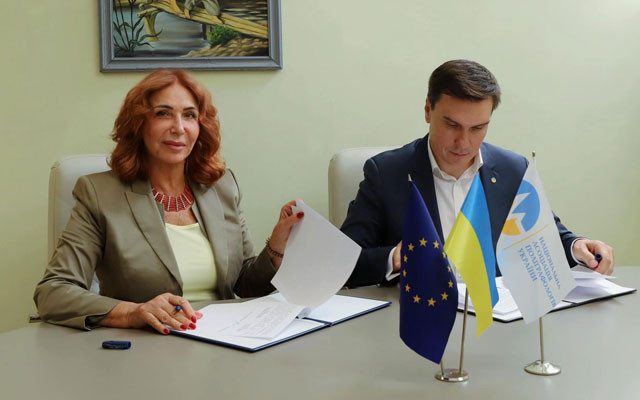
The Ukrainian National Bar Association and the National Association of Polygraph Examiners of Ukraine have signed a Memorandum of cooperation. The document aims to strengthen cooperation between specialists in the field of legal aid and forensic psychological research using polygraphs.
The Memorandum was signed by the president of the UNBA, BCU Lidiya Izovitova and the president of the NAPE Volodymyr Vedmid.
The document provides for the implementation of joint activities, including conferences, round tables, seminars, and training programs dedicated to polygraph and legal practice. The parties also agreed to exchange scientific information, prepare joint publications, and provide practical support within their competence.
Within the framework of the memorandum, the parties may involve other institutions, organizations, and experts in the cooperation, as well as create temporary working groups.
Coordination of cooperation on the part of the UNBA will be carried out by the Committee on expert support for advocate activity.
«The signing of the Memorandum with the Ukrainian National Bar Association is a strategic decision for the development of polygraphology as a tool for legal protection. We are convinced that the combination of the professional experience of advocates and our scientific and practical achievements will become an effective mechanism for the protection of human rights and will contribute to increasing public confidence in justice», - commented V. Vedmid.
«The purpose of this memorandum is primarily to provide professional information and education in the field of polygraph use in the context of legal practice. We realize that the results of polygraph testing are not in themselves evidence in criminal proceedings. But the polygraph can be a valuable tool for us in forming a defense position, verifying a client's internal statements, assessing the reliability of the information provided, or general case tactics, - noted L. Izovitova. - Therefore, within the framework of cooperation with the NAPE, we plan to conduct educational events for advocates, prepare practical materials and explanations to ensure a correct understanding of the potential and limits of this useful tool. This is not about replacing evidence, but about strengthening the advocate's toolkit when it comes to psychologically or emotionally complex cases».
The NAPE and the UNBA confirmed their readiness for systematic cooperation and determined that a detailed plan for the implementation of joint activities will be developed in the near future.
Popular news
Guarantees of the practice of law
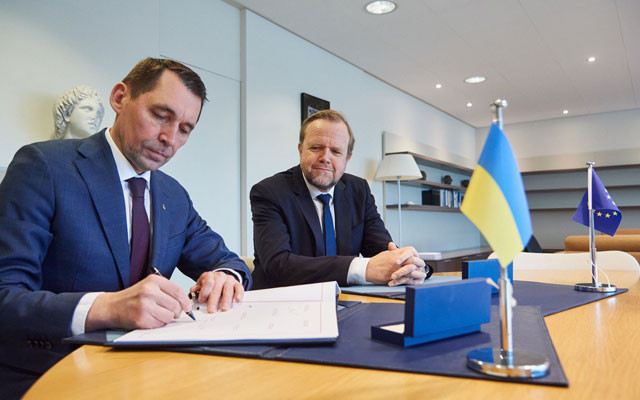
Ukraine has signed the Convention for the Protection of the Profession of Lawyer
Today, on 9 March, Ukraine's Permanent Representative to the Council of Europe Mykola Tochytskyi signed the Council of Europe Convention for the Protection of the Profession of Lawyer. This makes our country the 28th to sign this important international treaty.
European integration
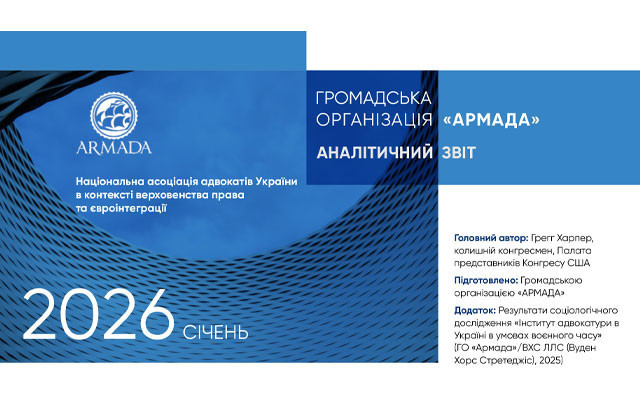
A translation of the report on advocacy presented to the European Parliament has been published
A translation of a research report on the Ukrainian advocacy profession in wartime, previously presented to the European Parliament in Brussels, has been published. The document is presented as a basis for discussion on the rule of law, Ukraine's European integration aspirations, and countering Russian disinformation in the legal sphere.
Legal defence of military personnel
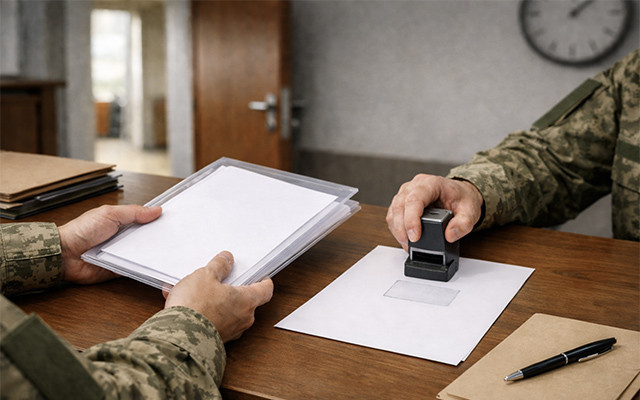
How to formalize discharge from military service: practical workshop
The issue of discharge from military service remains one of the most pressing and complex for Ukrainian defenders and their families. Due to constant changes in legislation, military personnel often face refusals to discharge them from service or even to consider their reports.
Legislation
The Verkhovna Rada Committee criticized the format of the government working group on advocacy
The implementation of the Roadmap on the rule of law (approved by Cabinet of Ministers Resolution No. 475-r of May 14, 2025) in relation to advocacy raises the practical question of who exactly should prepare legislative changes and how.
Self-government
The BCU demands a review of the composition of the government working group on reforming the advocacy profession
The President of the UNBA, BCU Lidiya Izovitova, appealed to the Cabinet of Ministers of Ukraine to review the composition of the working group on improving legislation in the field of advocacy and legal practice.
Guarantees of the practice of law
The President has determined, who will sign the Convention for the Protection of the Profession of Lawyer
President of Ukraine Volodymyr Zelenskyy authorized Ukraine's Permanent Representative to the Council of Europe Mykola Tochytskyi to sign the Council of Europe Convention for the Protection of the Profession of Lawyer.
Legislation
After the war amnesty for criminals or exemption from responsibility?
To ensure national reconciliation, rehabilitation of persons who have been persecuted for political reasons, restoration of justice, and establishment of lasting peace, it is proposed to introduce an amnesty after the war.
Discussion
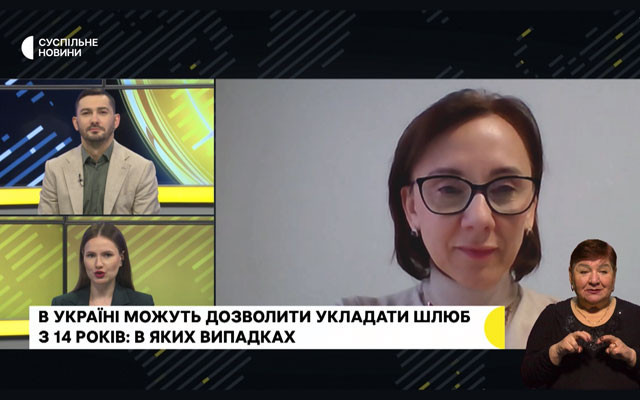
Why lowering the age of marriage lacks legal logic
Although until 2012 there was a provision in family law that allowed children to marry from the age of 14 under certain circumstances, its return to Ukrainian law would contradict international obligations and the logic of criminal law.
Publications

Volodymyr Matsko Extradition during wartime: when the risks outweigh the request

Volodymyr Matsko Extradition as a systemic form of rights violations

Victoria Yakusha, Law and Business The anti-corruption vertical cannot «take care» of the Bar as an institution, - acting head of the HQDCB

Censor.net Protecting advocates – protecting justice: addressing concerns about the new law

Ihor Kolesnykov A BRIEF SUMMARY REGARDING THE APPLICATION OF THE ORDER ON EXTENDED CONFISCATION IN LATVIA REGARDING FINANCIAL ASSETS OF…

Valentyn Gvozdiy WORKING IN A WAR ZONE

Lydia Izovitova Formula of perfection

Sergiy Vylkov Our judicial system is so built that courts do not trust advocates