


UNBA looks forward to institutional dialogue in the fourth phase of the Pravo-Justice project
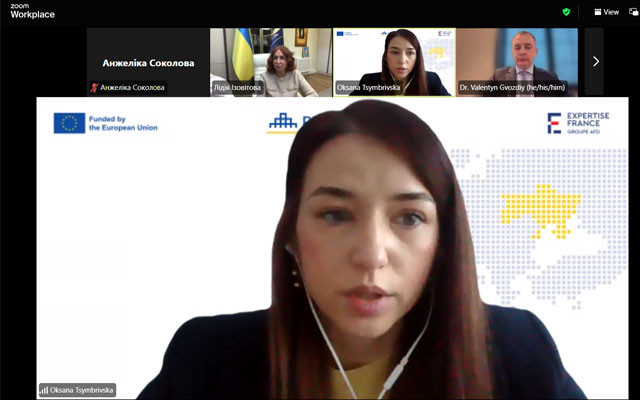
On January 16, as part of consultations on the formation of the mandate for the fourth phase of the EU's Pravo-Justice project, which provides technical support for reforms in the justice sector and the implementation of European integration tasks, a meeting was held between the leadership of the UNBA and international experts from the preparatory mission.
The subject of the conversation was the collection of the needs and expectations of the professional community to support the implementation of the Roadmap on the rule of law, approved by the Cabinet of Ministers on May 14, 2025, No. 475-r. The conversation took place in the context of how Pravo-Justice interacts with advocacy and whether there is institutional dialogue.
Project manager Oksana Tsymbrovska reported that the third phase will continue until the end of June, with preparations for the next phase underway in parallel, and that the current meeting was necessary to hear the UNBA's «vision of needs» for the purposes of European integration.
Experts from the European Union project expressed their expectations for the meeting. Matijaž Saloven (Slovenia) formulated the mission's request: what needs of the advocacy association can the project support, what challenges should be addressed together with the European side, and what is the current state of advocacy association reform in the context of EU accession. Reda Moliene (Lithuania) emphasized the reform of justice and the importance of hearing from the UNBA about the challenges and requests for support to achieve the goals of the Roadmap. And Pascal Turlan (France) asked for specific suggestions in order to be able to refine the future phase of the project.
In this context, the President of the UNBA, BCU Lidiya Izovitova, noted that advocacy is one of the key institutions without which it is impossible to objectively assess the quality of reforms and the real state of the rule of law. She directly identified the problem: in terms of advocacy, the Pravo-Justice project has not yet carried out systematic work with professional institutions, as there has been no regular and institutional interaction with the UNBA as the only professional organization designated by law as the representative of advocacy. According to her, the project's approaches and recommendations were developed without the participation of and without proper consultation with the UNBA. This creates the risk of obtaining results without proper legitimacy and without compliance with European standards.
The head of the Ukrainian advocacy bar reminded that the 2012 Law «On the advocacy and the practice of law» is modern and has been positively assessed by the Venice Commission, in particular in terms of the organization of bar self-government bodies. She referred to Ukraine's obligations upon joining the Council of Europe, which concerned the protection of the status of the legal profession by law, the institutional representation of the advocacy profession by a professional association, and the fact that the state is obliged to provide guarantees for the profession, but should not control the advocacy profession or replace its self-government. Separately, L. Izovitova noted that the independence of advocacy is enshrined in the Constitution of Ukraine, so the Roadmap should be seen as a tool for improving, not weakening, the institution.
The President of the UNBA, BCU then reported on the steps taken by the Bar Council of Ukraine to implement the Roadmap within the framework of the current legislation: the decision to create a working group based at the UNBA and the approval of the program. She noted the start of the implementation of European standards in regulating the access of foreign advocates, pointed to the practice of annual publication of financial and statistical reports of bar self-government bodies, the system of internal financial control by audit commissions, changes to the regulations of the Higher Qualification and Disciplinary Commission of the Bar, development of the concept of digital testing and improvement of qualification procedures. L. Izovitova named the priorities of today's work as guarantees of advocacy and protection of advocates, preventing the identification of advocates with their clients, counteracting the use of mobilization procedures as a form of pressure, and developing rapid response mechanisms.
In addition, the Council of Europe Convention for the Protection of the Profession of Lawyer serves as a basis. The UNBA has translated it into Ukrainian, and the BCU has instructed the preparation of an appeal to the President, the Verkhovna Rada, and the Cabinet of Ministers for the prompt signing and ratification of this international agreement.
The existing problems in this area were outlined by the Vice President of the UNBA, BCU Valentin Gvozdiy, who was directly involved in the development of the international treaty. In his opinion, the signing of the Convention is being blocked by the temporary leadership of the Ministry of Justice. It is expected that by the end of February, a professional Minister of Justice will be appointed who will put an end to the manipulation.
V. Gvozdiy emphasized that before the Convention, the concept of European standards for the organization of advocacy did not exist. He called the Convention the first document in the world in the last 200 years that established standards for the organization of the legal profession, open for signature and ratification, including by third countries. He also said that Ukrainian legislation is one of the best in Europe in terms of regulating the profession of advocate, and gave examples of differences between jurisdictions. He separately noted that not all advocacy associations in Europe are independent and cited the example of Germany, where, according to him, the acts of the advocacy association as a self-governing institution must be verified by the Ministry of Justice. The deputy chairman of the UNBA noted that the Ukrainian bar association gained full independence from the state in 2012, and since then there have been forces and institutions that do not like an independent bar association that cannot be influenced.
He pointed out that in the context of war, the information space has become vulnerable to targeted influences. Since 2023, the UNBA has been facing systematic information attacks that are built on repetitive narratives. Unfortunately, some civil society organizations are involved in these attacks. At the official level, there have been attempts to replace the institutional representation of the advocacy sector with the participation of representatives of these organizations or its individual members.
In conclusion, V. Gvozdiy noted that Ukrainian advocacy is part of the European legal community and has experience of cooperation with European colleagues.
M. Saloven thanked the representatives of Ukrainian advocacy for their speeches, noting that the experts understand the comments made, in particular regarding the independence of advocacy, as they see similar challenges in their own country. He asked what forms of further support the UNBA envisages within the framework of the project's continuation.
In response, V. Gvozdiy thanked him for his willingness to join the process and noted that the UNBA has been designated as the executor of the Roadmap together with the parliament and the Ministry of Justice. He recalled that in order to ensure the progress of the process, the Bar Council of Ukraine had formed a working group comprising members of the relevant parliamentary Committee, representatives of central and regional bar self-government bodies, and top-level international experts. At the same time, the Ministry of Justice initiated a government decision to form its own group, which will effectively duplicate the work and does not provide for the proper participation of the UNBA.
V. Gvozdiy linked this duplication to attempts to control the bar association and stressed that independence must be defended. In this context, he recalled previous initiatives which, in his opinion, were aimed at weakening the unified professional organization by dividing it into regional structures, and noted that parliament did not support them at the time. Concluding his response, he stated that the UNBA does not refuse cooperation and assistance, but expects a professional approach, respect, and an honest position in communications with the Pravo-Justice project.
Popular news

Legislation
The Verkhovna Rada is preparing a bill to implement the Convention on the Protection of the Professions of Lawyer
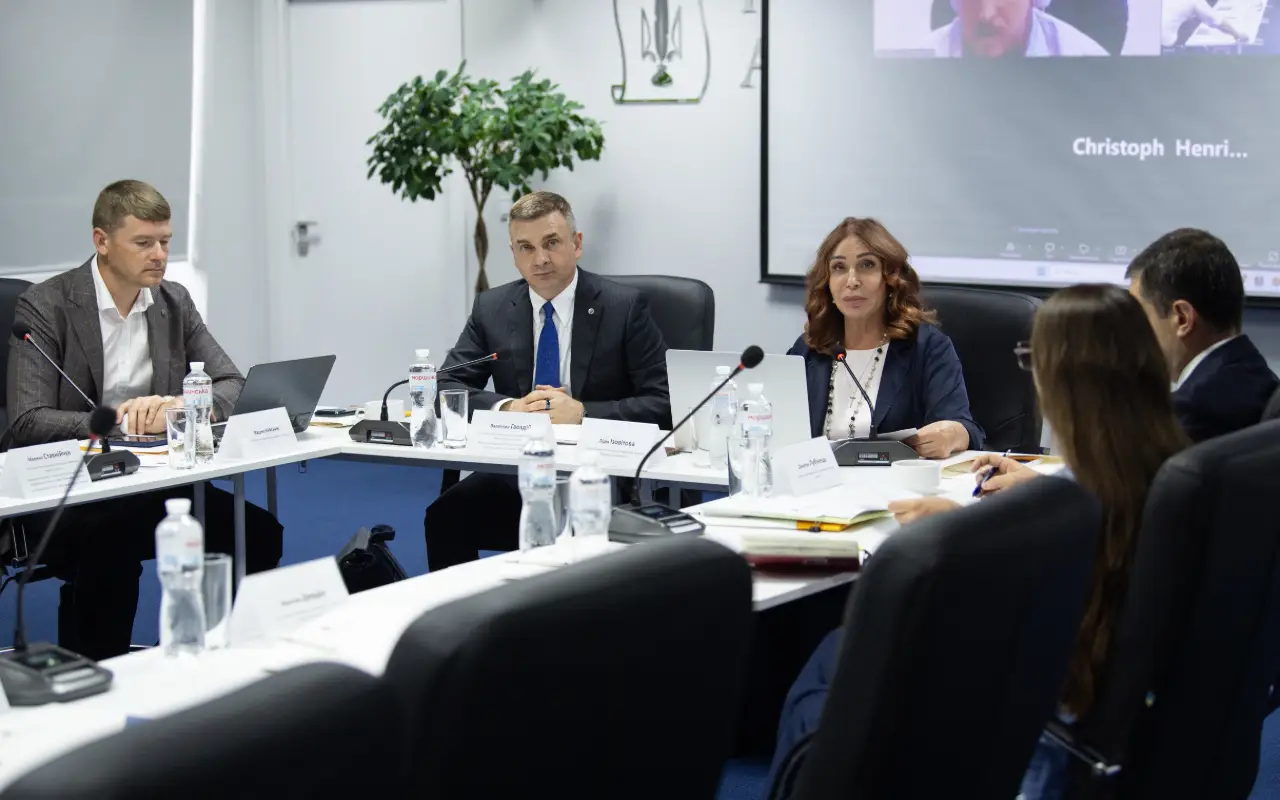
Members of Parliament plan to introduce a bill in the near future to implement the main provisions of the Council of Europe Convention on the Protection of the Professions of Lawyer. This parliamentary initiative may also prompt the government to expedite the preparation of the ratification package.
Legislation
The path to ratification of the Convention must not end in yet another delay — L. Izovitova
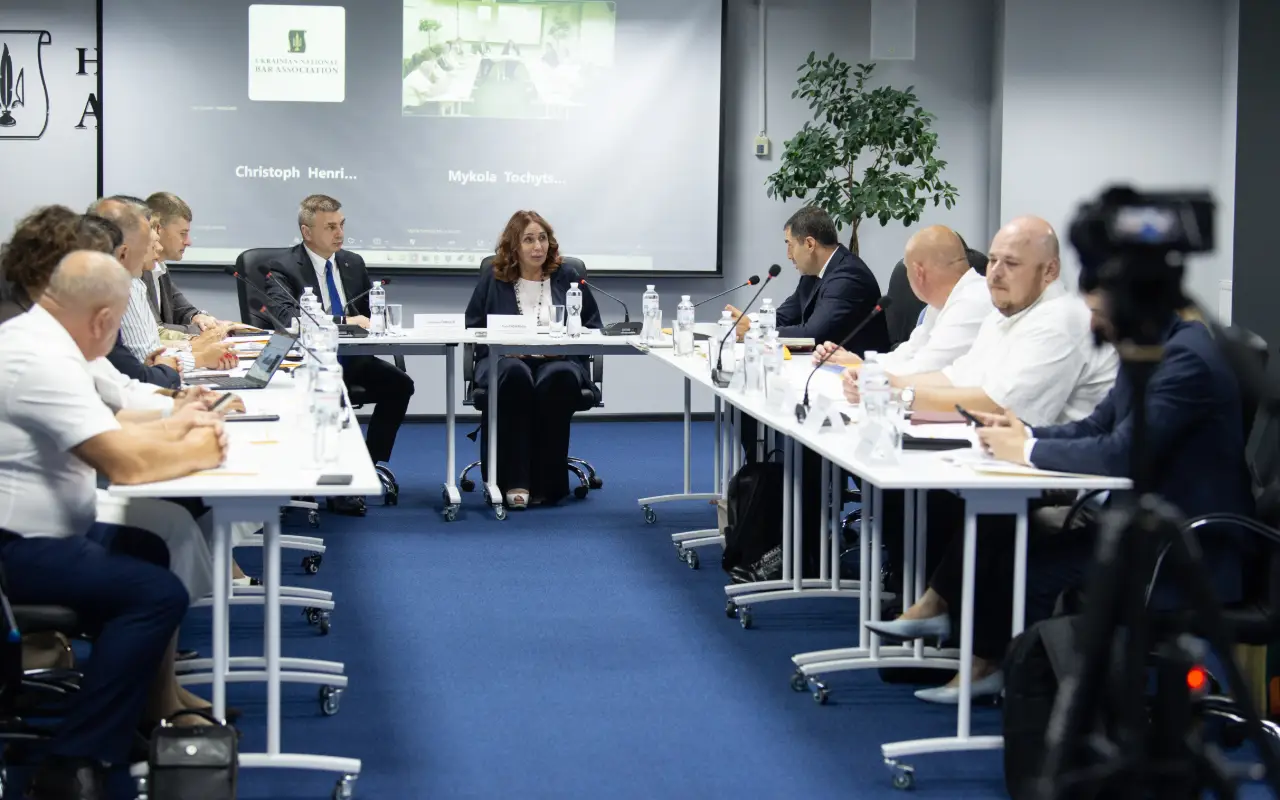
Ukraine’s preparations for the ratification of the Council of Europe Convention on the Protection of the Professions of Lawyer have already passed key stages. Now, government institutions must submit the matter to the Verkhovna Rada for consideration. In doing so, Ukraine may complete the ratification process faster than EU member states.
Guarantees of the practice of law
Ukraine could be the first to implement a European mechanism for the protection of advocates. What’s holding it back?
Ukraine has a chance to be the first country to ratify the Council of Europe Convention on the Protection of the Professions of Lawyer. Political support for this exists, but the government’s legislative package has not yet been submitted to parliament. Meanwhile, the number of violations of advocates’ rights is on the rise.
Educational events
How can an advocate verify that work has been completed if the client refuses to sign the report?
When billing by the hour, the primary document for determining the fee may be a detailed report on the time spent by the advocate and the work performed. To prevent the client from withholding payment, the contract should specify in advance the procedure for submitting and approving such a report.
Self-government
The BCU took note of the public appeal from the HCJ
The Bar Council of Ukraine has determined that, given the current security situation, it is objectively impossible to hold, in accordance with the procedure established by the Law «On the advocacy and the practice of law», meetings of advocates, regional conferences of advocates and the Congress of Ukrainian Advocates, including for the purpose of electing two members of the High Council of Justice under the quota allocated to the Congress of Ukrainian Advocates.
War
The BCU has launched a digital project «Wall of Remembrance and Honor»
The Bar Council of Ukraine has adopted a resolution to launch the digital project «Wall of Remembrance and Honor». To this end, the UNBA is beginning to collect information on advocates and paralegals who lost their lives as a result of the Russian Federation’s armed aggression against Ukraine.
Legal defence of military personnel
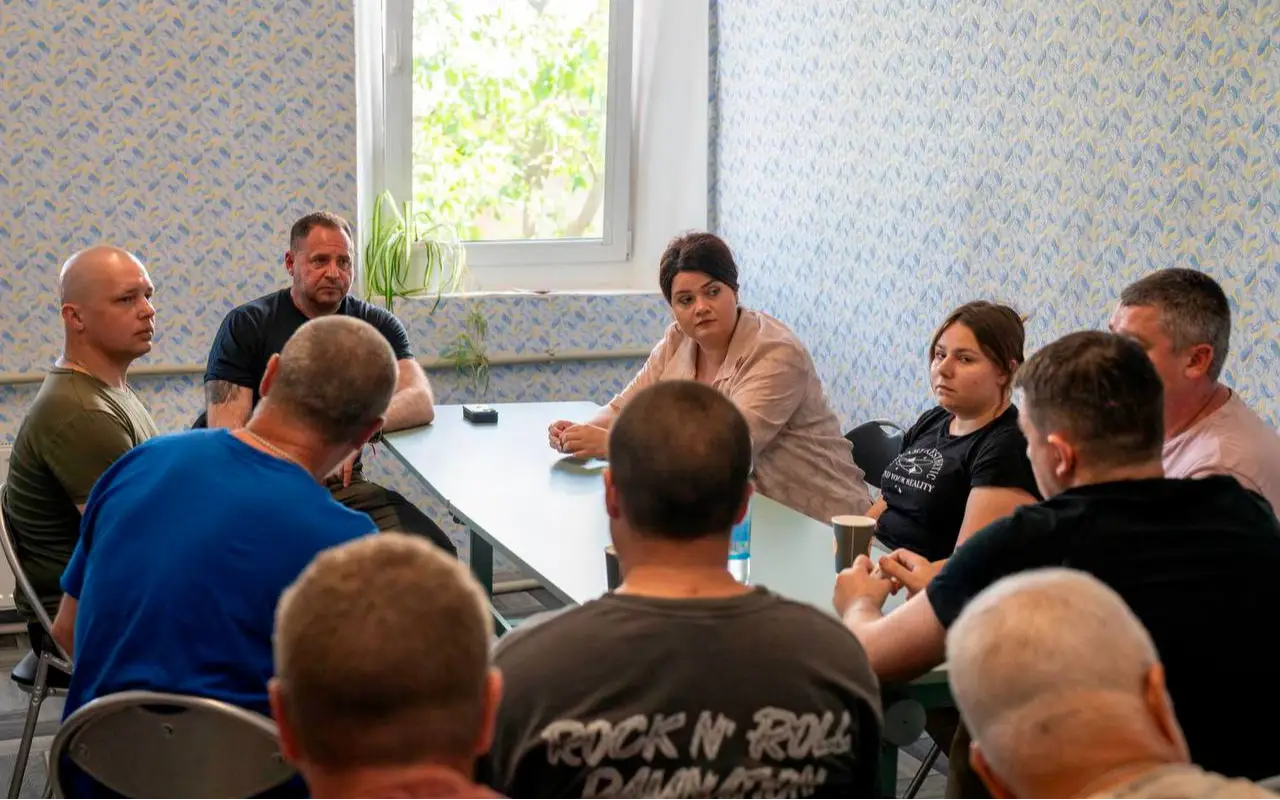
«Advocate+» has expanded its operations to 18 military units
The «Advocate+» project of the Ukrainian National Bar Association, which assigns advocates to military units, has expanded its operations to 18 units. Specialists have already been assigned to the new participants and are set to begin consultations next week.
Edition
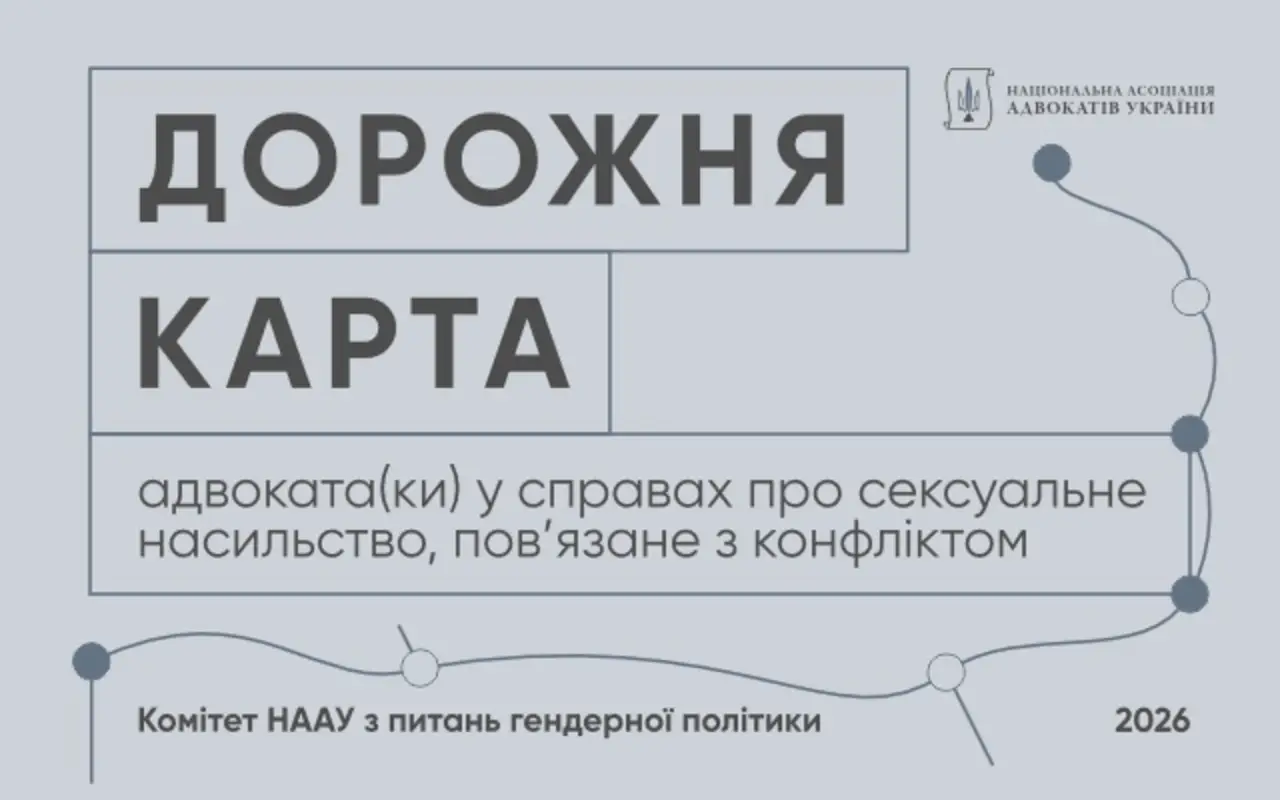
A roadmap for the CRSV cases has been prepared for the advocates
The UNBA Committee on gender policy has prepared a Roadmap for cases of Conflict-Related Sexual Violence.
Publications

Vasyl Kolishnyi, «Law and Business» Supporting mental health should become part of the professional culture of the Bar, - H. Udovenko

Volodymyr Matsko Extradition during wartime: when the risks outweigh the request

Volodymyr Matsko Extradition as a systemic form of rights violations

Victoria Yakusha, Law and Business The anti-corruption vertical cannot «take care» of the Bar as an institution, - acting head of the HQDCB

Censor.net Protecting advocates – protecting justice: addressing concerns about the new law

Ihor Kolesnykov A BRIEF SUMMARY REGARDING THE APPLICATION OF THE ORDER ON EXTENDED CONFISCATION IN LATVIA REGARDING FINANCIAL ASSETS OF…

Valentyn Gvozdiy WORKING IN A WAR ZONE

Lydia Izovitova Formula of perfection