






Lidiya Izovitova: reform of the advocacy profession should make the profession stronger and individuals better protected
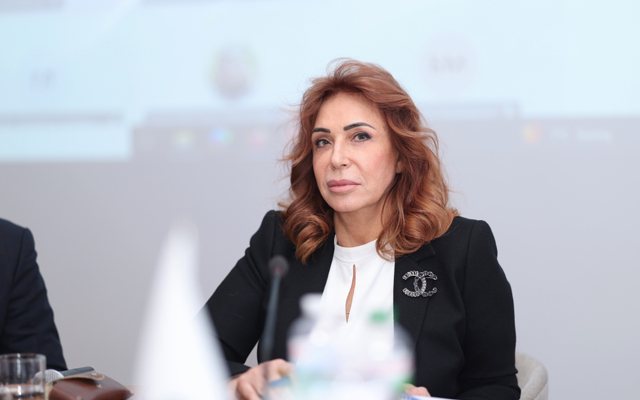
The Ukrainian advocacy community is finalizing work on a new version of the relevant law. The roadmap on the rule of law has set the fourth quarter of 2026 as the deadline for achieving results in this area. The draft is intended to ensure safeguards for the practice of law through mechanisms of accountability for violations.
This was emphasized by the President of the UNBA, BCU Lidiya Izovitova in her speech at the XVI International scientific and practical conference «Advocacy: past, present and future», which is taking place today, October 30, in Odessa. The event is organized annually by the National University «Odessa Law Academy» and the Odessa Regional Bar Association.
According to the President of the UNBA, BCU, the reform is based on the model established by the Law «On the advocacy and the practice of law» and Article 131-2 of the Constitution: a single professional organization, self-governance, access to the profession, and disciplinary responsibility under the jurisdiction of the bar itself. This foundation remains intact, while the new regulations build upon it.
L. Izovitova recalled that on March 9, 2026, Ukraine signed the Council of Europe Convention on the Protection of the Professions of Lawyer. The Roadmap designated the UNBA as a co-implementer of the reform, so the advocacy community is participating in it as a responsible entity, which is precisely what the Convention requires. The draft, parts of which were discussed with European bar associations and the CCBE, was presented in Brussels on October 1.
Access to the profession will be phased: an electronic preliminary test, a qualification exam focused on practical skills, and an internship with electronic tracking.
Guarantees for the practice of advocacy must be backed by enforcement mechanisms, as a guarantee that carries no consequences for violations remains merely a declaration. The draft provides for a special procedure and additional judicial oversight of procedural actions concerning advocates. Court warrants for seizure must contain an exhaustive list. It is also proposed to amend Article 397 of the Criminal Code and introduce administrative liability for publicly identifying an advocate with a client and for denying an advocate access to a client.
The disciplinary system will be developed through standing panels, automated case assignment, and full access by advocates to case materials. An advocate’s legal position, complaints, and motions are excluded from the grounds for disciplinary proceedings.
Regarding integrity, the chairman of the UNBA noted that advocates do not hold positions of authority; therefore, the criteria established for judges, prosecutors, and civil servants require a distinct approach. For candidates for self-governing bodies, four comprehensive criteria are proposed, which are verified against bar association records. These include the absence of a conviction for an intentional crime, the absence of any current disciplinary sanctions, fulfillment of the obligation of continuous professional development, and timely payment of annual dues over the past five years.
The draft deliberately does not provide for integrity declarations, which are designed for those holding public office. The vetting process should remain a tool of trust and should not take into account an advocate’s views, legal stance, or the clients they have represented.
L. Izovitova described the unified electronic system for advocacy as a tool of trust with a clear boundary: procedures are digitized, while the assessment of qualifications, disciplinary findings, and the legal position in a case remain the responsibility of a human being. The advocate is responsible for documents prepared using AI: his signature appears on them. Therefore, a machine error that the advocate fails to notice becomes his own error. Access to the advocate’s devices and accounts must be subject to the same safeguards as an office search. «Confidentiality guaranteed only within the walls of an office is worth nothing in the digital world», - emphasized the President of the UNBA, BCU.
According to her, every provision of the draft is evaluated based on a single question: Does it make the profession stronger, more transparent, and more independent, or does it create a new channel for external influence. «Reform should make the profession stronger and individuals better protected», - concluded L. Izovitova.
Popular news
Rule of Law Roadmap
Lidiya Izovitova: reform of the advocacy profession should make the profession stronger and individuals better protected
The Ukrainian advocacy community is finalizing work on a new version of the relevant law. The roadmap on the rule of law has set the fourth quarter of 2026 as the deadline for achieving results in this area. The draft is intended to ensure safeguards for the practice of law through mechanisms of accountability for violations.
Support
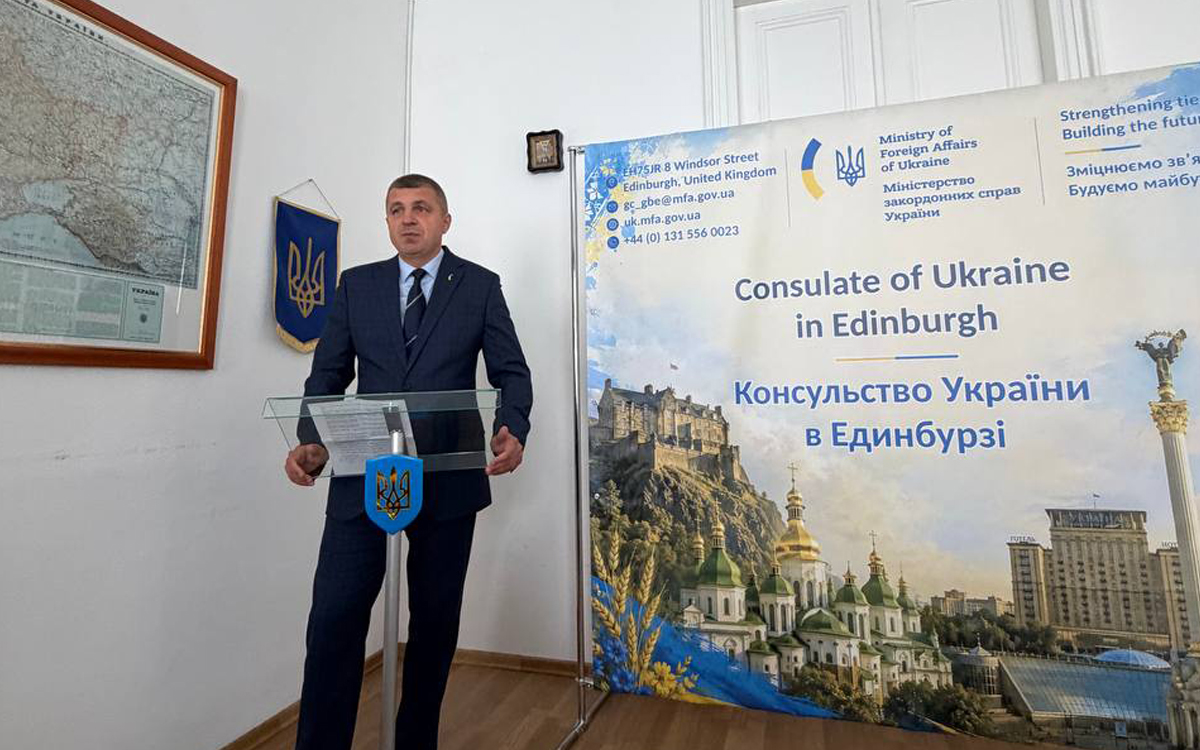
In Edinburgh expressed gratitude to those who are helping Ukrainian advocates and citizens
Since the start of the full-scale invasion, Scottish legal institutions and the Ukrainian community, with the participation of the UNBA, have been helping Ukrainian advocates obtain their qualifications and Ukrainians receive legal assistance. The parties are now planning joint professional and educational events.
Educational events
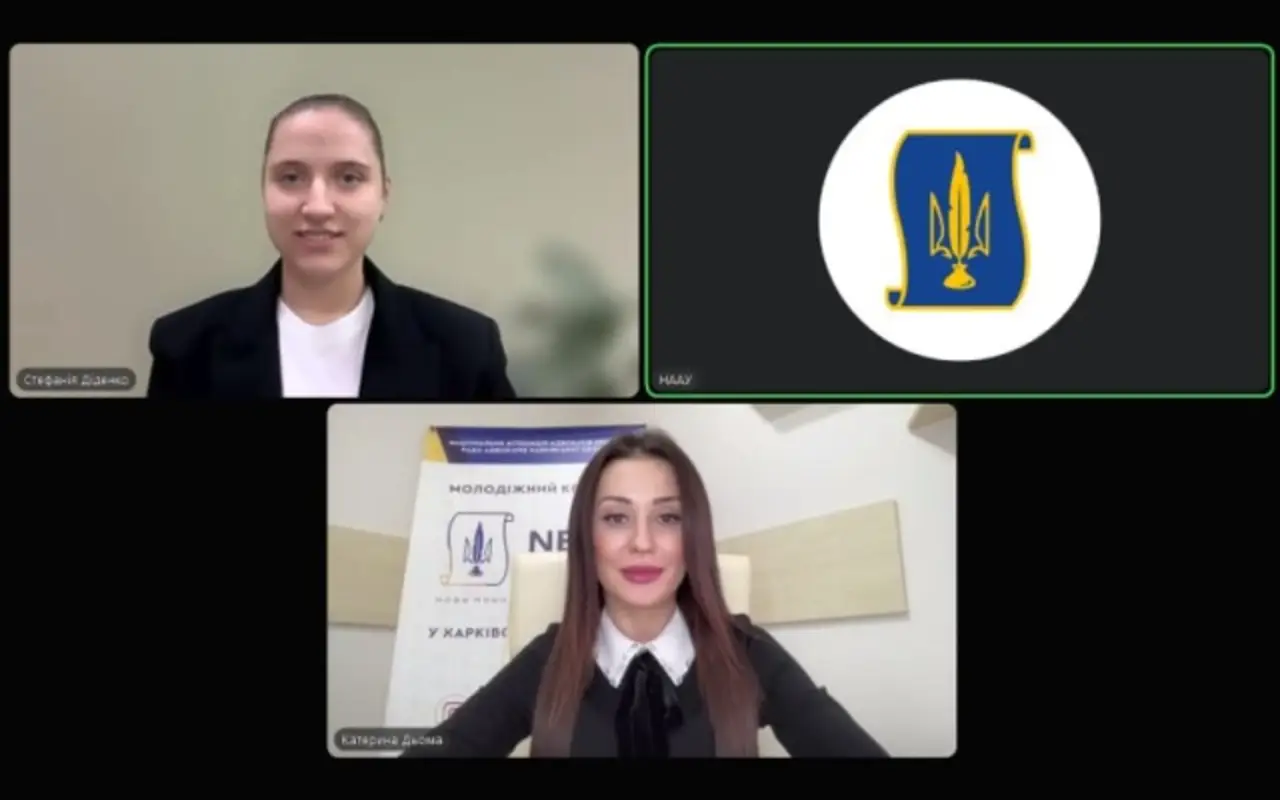
An advocate's meeting with a client outside the office: how to conduct it without giving away too much
If a client suggests meeting in a public place, keep in mind that any name or amount mentioned aloud could be overheard by bystanders. Therefore, it’s important to plan ahead regarding the table, seating arrangements, and the scope of the conversation.

Legislation
The UNBA explained what could undermine the plan to introduce plea agreements
Information regarding who pays whom, how much, and on what grounds under a plea agreement must be made public. However, as long as this information is classified as a state secret or personal data, the court will continue to be able to close proceedings and restrict access to judgments.

Interaction
The UNBA and the German Institute for Eastern Law will prepare joint legal opinions
Ukrainian advocates and German legal scholars will jointly prepare comparative legal studies, expert opinions, and professional events. The UNBA reached this agreement with the Institute for Eastern European Law in Regensburg, which has been researching the laws of Central and Eastern European countries for nearly 70 years.

Legislation
Proceedings against military personnel following AWOL require clear deadlines — UNBA
A soldier’s return to duty after AWOL does not necessarily mean the end of criminal proceedings. To ensure that the case does not remain at the pretrial investigation stage, a clear procedure for the investigator and prosecutor is required.
Educational events
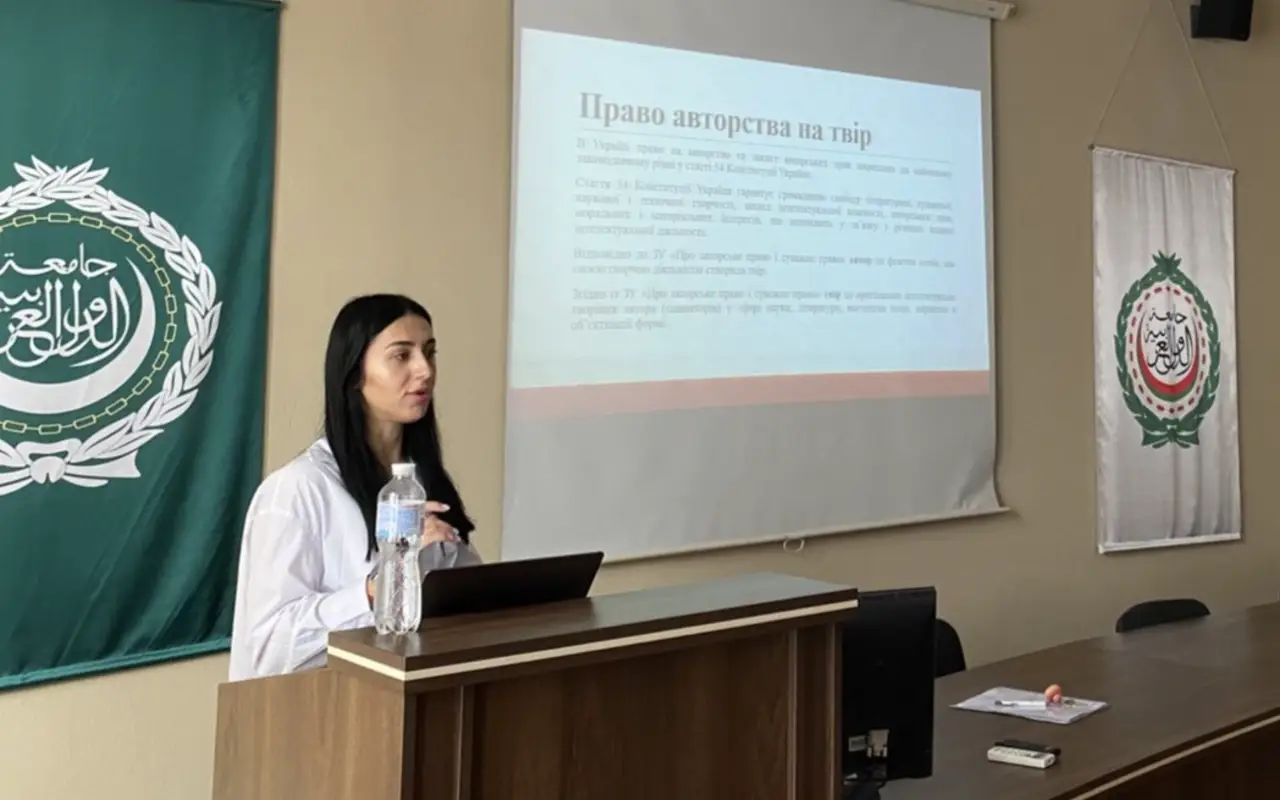
A one-time payment or royalties? Students were briefed on changes to copyright agreements
As a general rule, property rights to a work created by an employee are transferred to the employer, but the author retains the right to remuneration. European law requires that this remuneration be based on the actual income generated by the work, rather than being limited to a one-time payment.

Legislation
The UNBA warned of the risk of customs barriers for Ukrainian paper and furniture
Ukraine’s anti-deforestation rules are intended to preserve export access to the EU market. However, without paper and furniture on the list of goods, without effective sanctions, and with enforcement beginning only in 2030, these rules could hinder that goal.
Publications

Vasyl Kolishnyi, «Law and Business» Supporting mental health should become part of the professional culture of the Bar, - H. Udovenko

Volodymyr Matsko Extradition during wartime: when the risks outweigh the request

Volodymyr Matsko Extradition as a systemic form of rights violations

Victoria Yakusha, Law and Business The anti-corruption vertical cannot «take care» of the Bar as an institution, - acting head of the HQDCB

Censor.net Protecting advocates – protecting justice: addressing concerns about the new law

Ihor Kolesnykov A BRIEF SUMMARY REGARDING THE APPLICATION OF THE ORDER ON EXTENDED CONFISCATION IN LATVIA REGARDING FINANCIAL ASSETS OF…

Valentyn Gvozdiy WORKING IN A WAR ZONE

Lydia Izovitova Formula of perfection

