


Researchers have shown how media hype is created around advocacy in Ukraine

Communication campaigns aimed at creating the impression of a supposed «crisis of legitimacy» of the self-governing bodies of the advocacy in Ukraine have become noticeably more active in the public sphere. By their very nature, these processes go beyond the scope of normal professional discussion or reasonable criticism.
These conclusions were reached by the American Armada Network based on the results of its research. The corresponding analytical report «The Ukrainian National Bar Association in the context of the rule of law and European integration», was presented in early February at the European Parliament.
The researchers noted a number of recurring patterns that contribute to the information bubble effect and the artificial reinforcement of certain narratives.
First, there are synchronized publications in the media or «leaks» when materials with similar structures, wording, and key messages appear in different publications almost simultaneously. Such synchronization creates the impression of a broad public consensus on the existence of an institutional crisis, even in the absence of independent confirmation.
Second, attention should be paid to the use of anonymous or pseudo-anonymous digital channels as sources of alleged «insider information». Such content is often retransmitted in traditional media as semi-factual material, despite the lack of primary verification or a clearly identified source.
Third, the technique of associative accusation is widespread, where insinuations, assumptions, and associative links are used instead of institutional or legal analysis. Although such methods have no evidential value from a legal or methodological point of view, they have a significant psychological impact on the audience's perception of information.
Finally, there is a systemic lack of corrective mechanisms: initial statements are rarely accompanied by clarifications, refutations, or updates, even if the facts change or the initial publication was incomplete. In the digital environment, the first version of a narrative usually has the greatest impact, regardless of any subsequent clarifications.
Together, these factors create media «resonance», in which the repetitiveness and popularity of messages replace their analytical quality. This effect poses a particular risk to institutions that play a key role in the justice system, as it can influence public opinion and regulatory decisions without a proper factual basis.
The resulting media «resonance» poses a separate risk for external partners and international stakeholders. In such an information environment, quantitative indicators of visibility — the number of publications, the emotional intensity of headlines, the repetition of key messages — can be mistakenly perceived as empirical evidence of a systemic problem, even in the absence of a proper evidence base.
This risk is particularly sensitive in the context of European integration. Simplified or campaign-driven media narratives can influence the framework for discussing reforms, shifting the focus from institutional strengthening and the development of self-government mechanisms to decisions that actually lead to institutional weakening. Such a substitution of an analytical approach with media intensity can have long-term negative consequences for the quality of reforms and the sustainability of institutions.
Instead, researchers argue that analysis of empirical data obtained during the survey does not reveal any signs of delegitimization of the Ukrainian National Bar Association. On the contrary, the survey results show that the institutional stability of the advocacy sector and the high level of professional trust are maintained even in conditions of martial law.
Thus, 69% of citizens trust the advocacy sector as an institution to one degree or another. Among judges, prosecutors, and law enforcement officials, 70% fully or partially trust advocacy as an institution, and 63% of respondents in this group consider the UNBA to be a strong and influential organization in the justice system.
Popular news

Legislation
The Verkhovna Rada is preparing a bill to implement the Convention on the Protection of the Professions of Lawyer
Members of Parliament plan to introduce a bill in the near future to implement the main provisions of the Council of Europe Convention on the Protection of the Professions of Lawyer. This parliamentary initiative may also prompt the government to expedite the preparation of the ratification package.
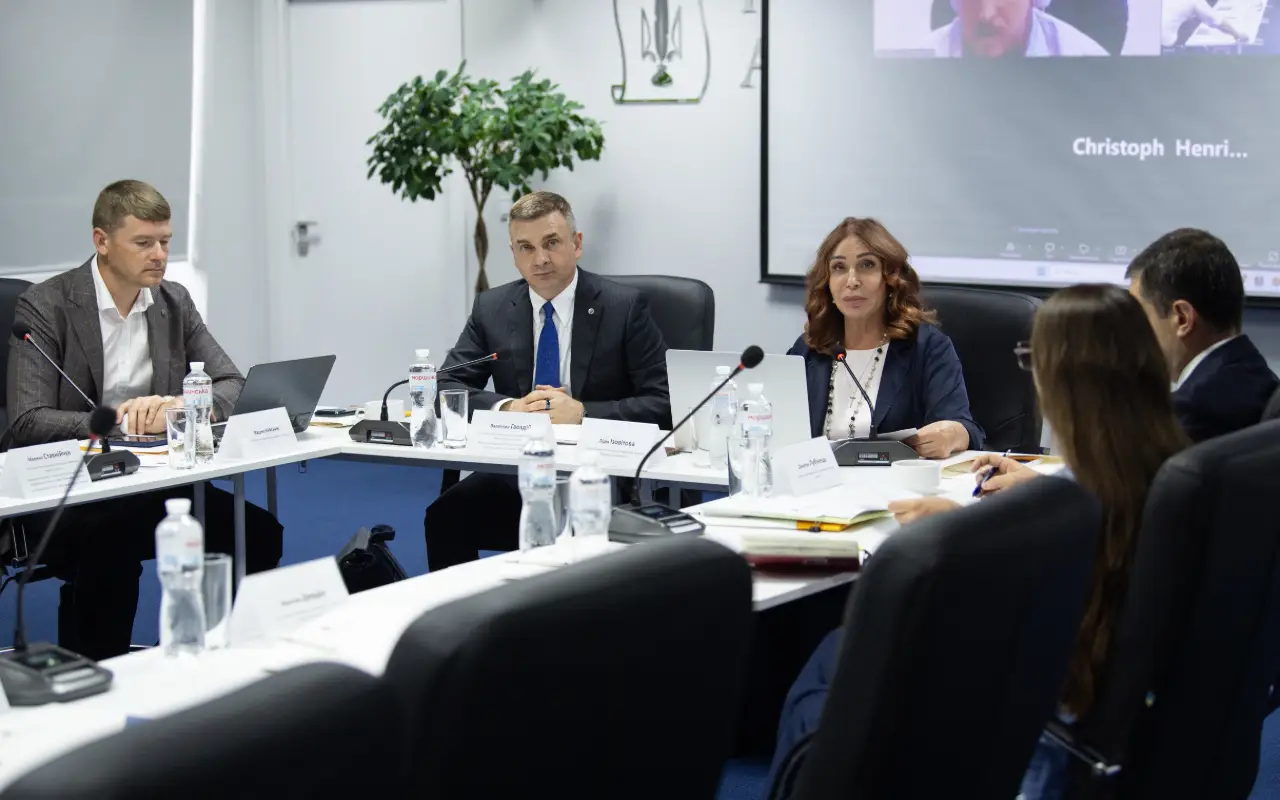
Legislation
The path to ratification of the Convention must not end in yet another delay — L. Izovitova
Ukraine’s preparations for the ratification of the Council of Europe Convention on the Protection of the Professions of Lawyer have already passed key stages. Now, government institutions must submit the matter to the Verkhovna Rada for consideration. In doing so, Ukraine may complete the ratification process faster than EU member states.
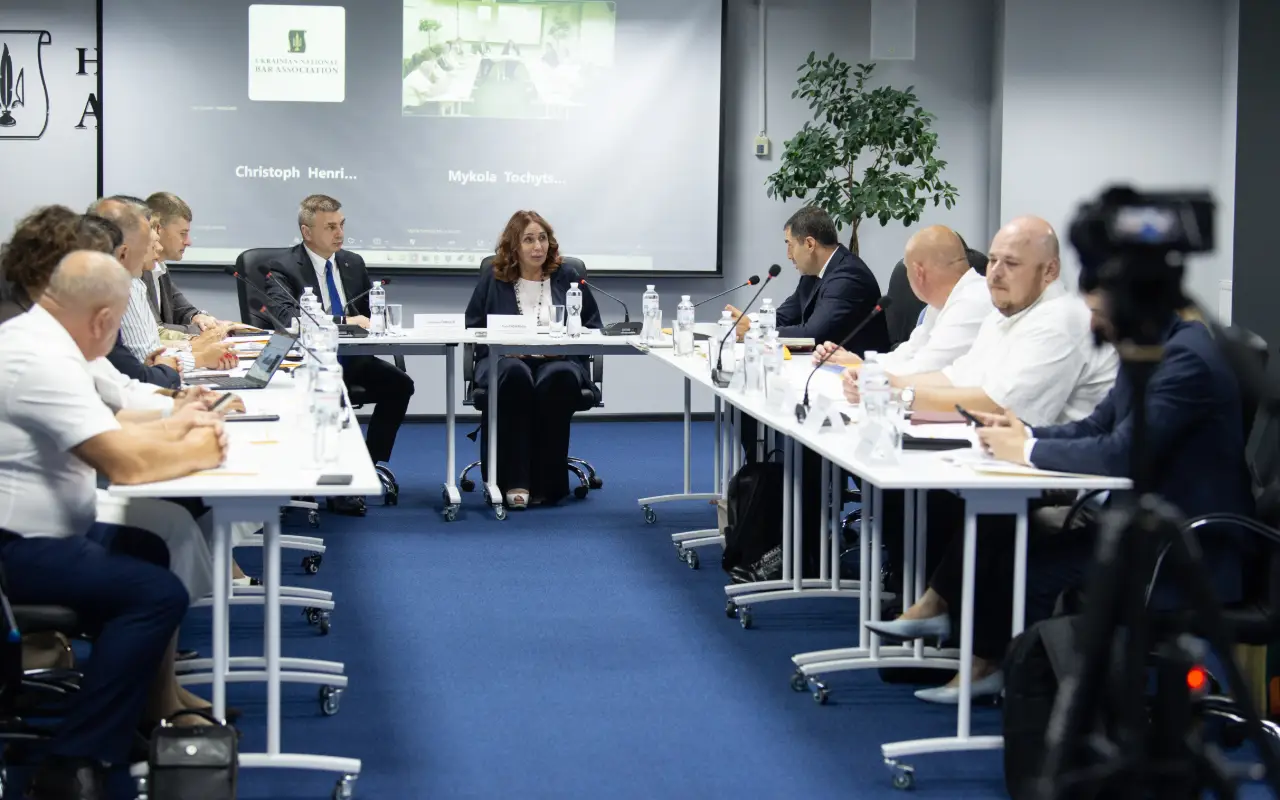
Guarantees of the practice of law
Ukraine could be the first to implement a European mechanism for the protection of advocates. What’s holding it back?
Ukraine has a chance to be the first country to ratify the Council of Europe Convention on the Protection of the Professions of Lawyer. Political support for this exists, but the government’s legislative package has not yet been submitted to parliament. Meanwhile, the number of violations of advocates’ rights is on the rise.

Educational events
How can an advocate verify that work has been completed if the client refuses to sign the report?
When billing by the hour, the primary document for determining the fee may be a detailed report on the time spent by the advocate and the work performed. To prevent the client from withholding payment, the contract should specify in advance the procedure for submitting and approving such a report.
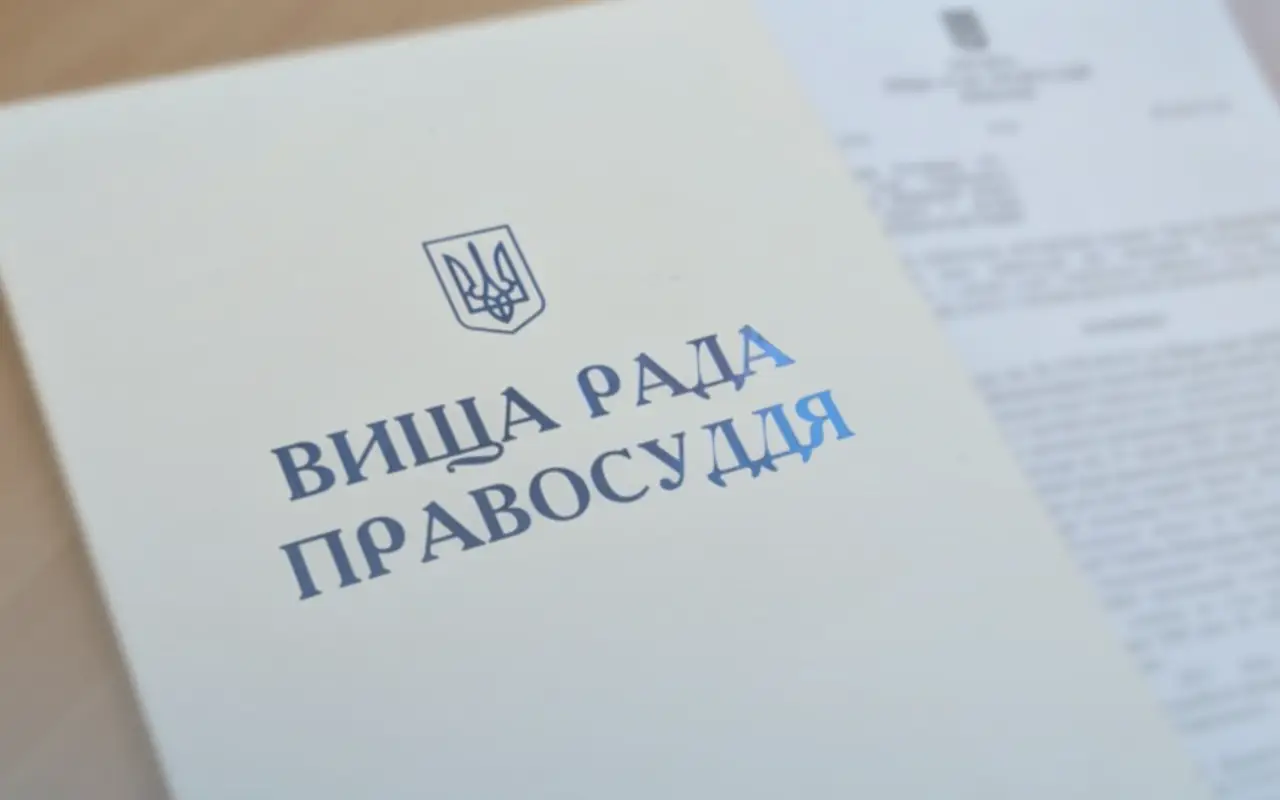
Self-government
The BCU took note of the public appeal from the HCJ
The Bar Council of Ukraine has determined that, given the current security situation, it is objectively impossible to hold, in accordance with the procedure established by the Law «On the advocacy and the practice of law», meetings of advocates, regional conferences of advocates and the Congress of Ukrainian Advocates, including for the purpose of electing two members of the High Council of Justice under the quota allocated to the Congress of Ukrainian Advocates.
War
The BCU has launched a digital project «Wall of Remembrance and Honor»
The Bar Council of Ukraine has adopted a resolution to launch the digital project «Wall of Remembrance and Honor». To this end, the UNBA is beginning to collect information on advocates and paralegals who lost their lives as a result of the Russian Federation’s armed aggression against Ukraine.
Legal defence of military personnel
«Advocate+» has expanded its operations to 18 military units
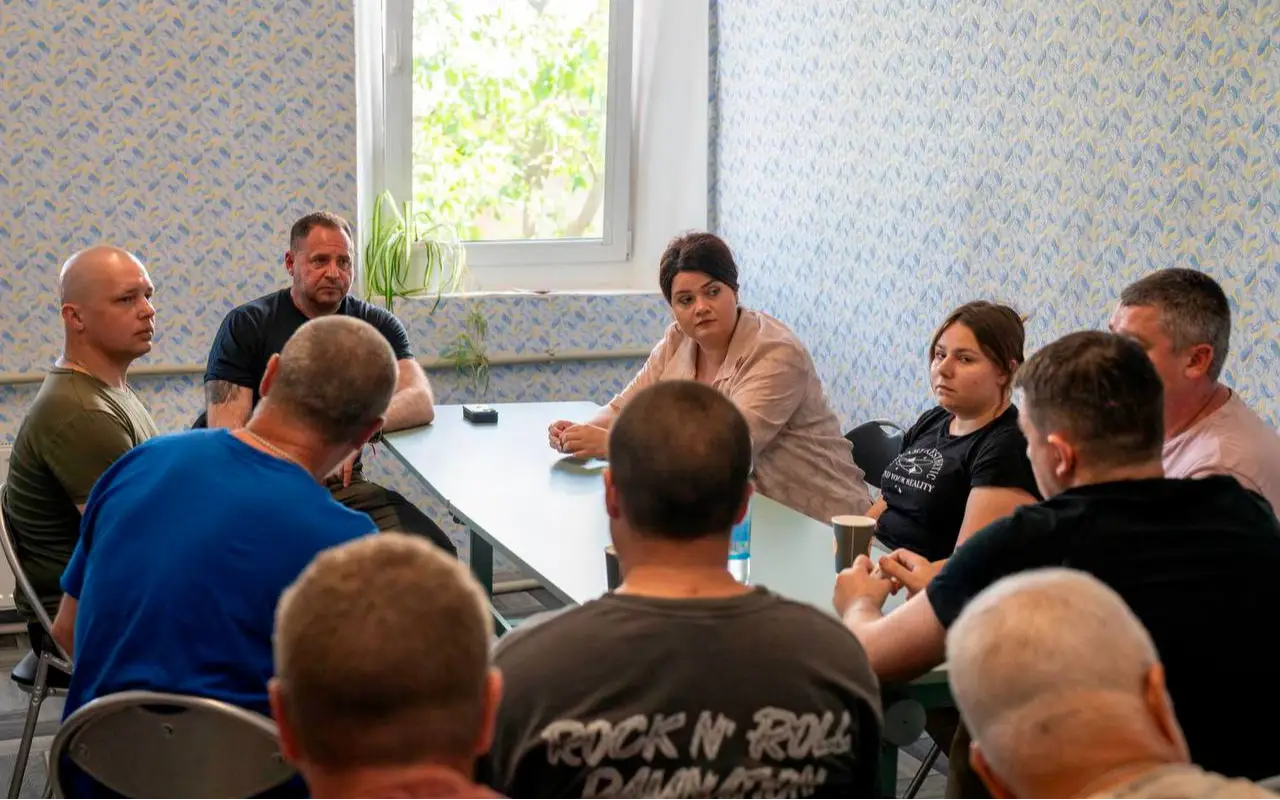
The «Advocate+» project of the Ukrainian National Bar Association, which assigns advocates to military units, has expanded its operations to 18 units. Specialists have already been assigned to the new participants and are set to begin consultations next week.
Edition
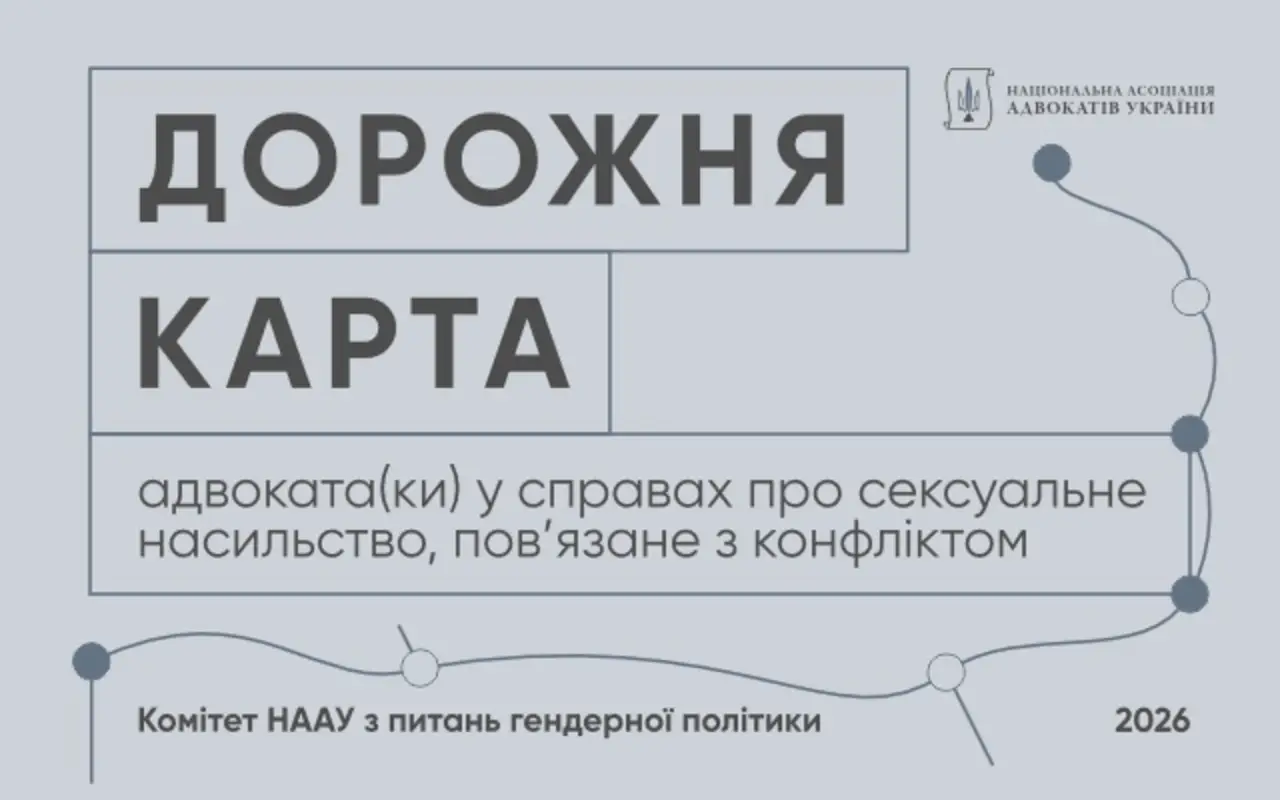
A roadmap for the CRSV cases has been prepared for the advocates
The UNBA Committee on gender policy has prepared a Roadmap for cases of Conflict-Related Sexual Violence.
Publications

Vasyl Kolishnyi, «Law and Business» Supporting mental health should become part of the professional culture of the Bar, - H. Udovenko

Volodymyr Matsko Extradition during wartime: when the risks outweigh the request

Volodymyr Matsko Extradition as a systemic form of rights violations

Victoria Yakusha, Law and Business The anti-corruption vertical cannot «take care» of the Bar as an institution, - acting head of the HQDCB

Censor.net Protecting advocates – protecting justice: addressing concerns about the new law

Ihor Kolesnykov A BRIEF SUMMARY REGARDING THE APPLICATION OF THE ORDER ON EXTENDED CONFISCATION IN LATVIA REGARDING FINANCIAL ASSETS OF…

Valentyn Gvozdiy WORKING IN A WAR ZONE

Lydia Izovitova Formula of perfection