


A report on Ukrainian advocacy was presented in the European Parliament
Can a shadow report on advocacy replace the political framework of the Roadmap on the rule of law with demands for the restructuring of self-government? Where is the line between accountability and the seizure of institutions? And how can we respond to narratives with data rather than impressions?
In a time of crisis
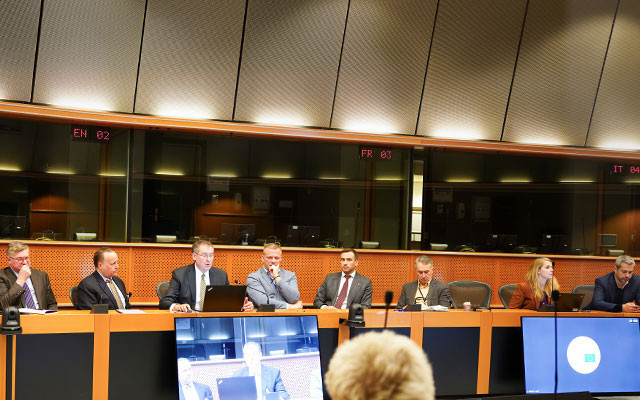
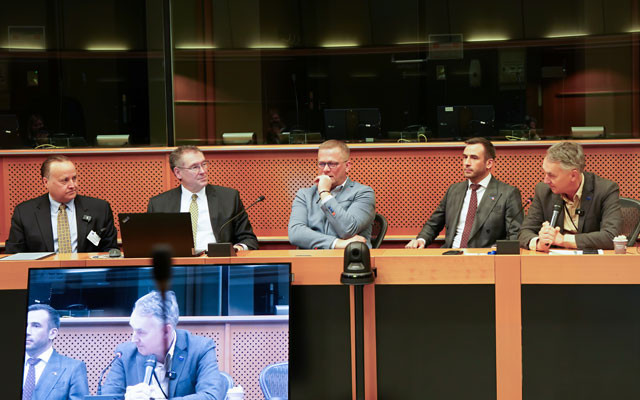
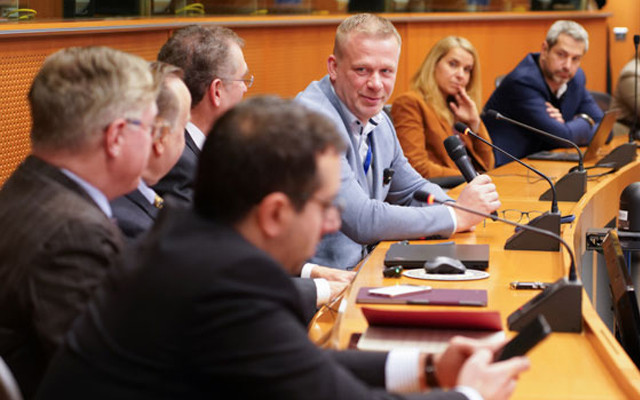
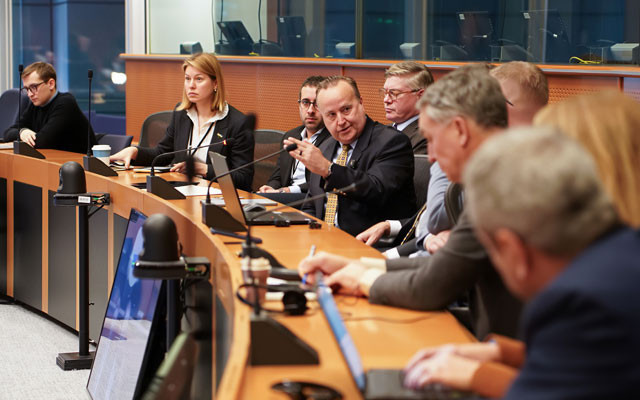
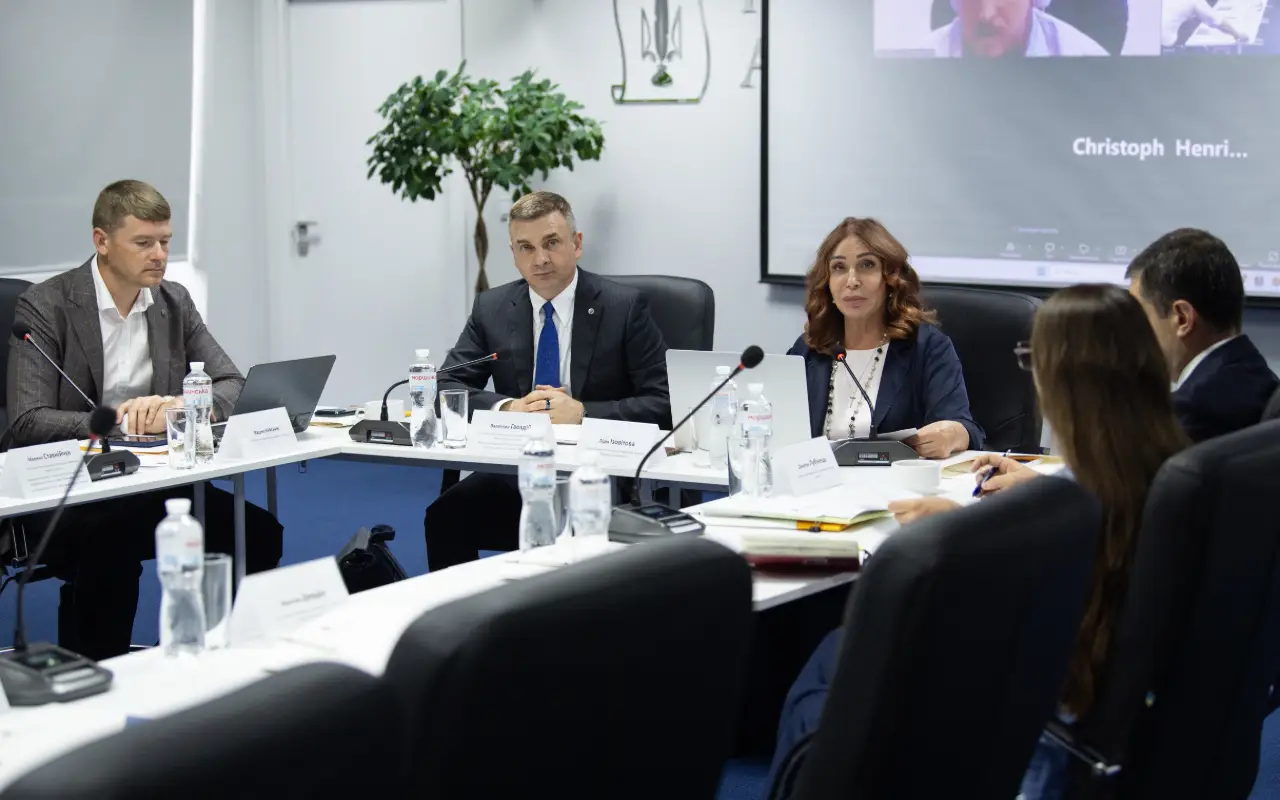
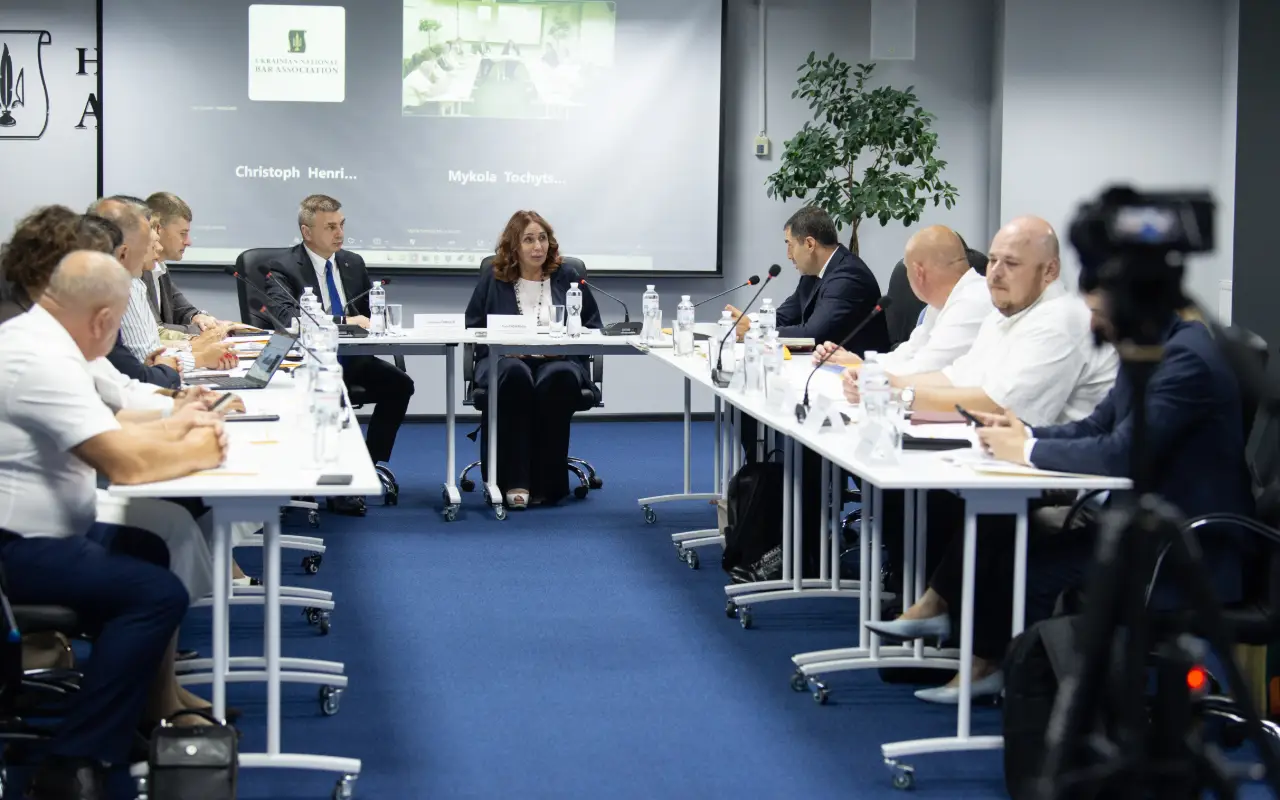
On February 5, 2026, the European Parliament in Brussels hosted a presentation of a research report on Ukrainian advocacy in wartime. The event was billed as a discussion on the rule of law, Ukraine's European integration aspirations, and countering Russian disinformation in the legal sphere.
The report «The Ukrainian National Bar Association in the context of the rule of law and European integration» was prepared by a team of experts from the American non-profit organization Armada Network, founded in 1987. The team has been actively involved in the Ukrainian context since the beginning of the war in 2014. Since then, the organization has sought to contribute to strengthening trust in institutions operating in extraordinary circumstances and has participated in discussions and communications with former presidents and parliamentarians, assessing the resilience of institutions in crisis situations.
Therefore, the prepared report is based on factual data on the functioning of the rule of law during the war, the institutional resilience of the justice sector with a focus on advocacy, the role of advocacy as an independent self-governing profession and a guarantor of access to justice and the protection of human rights. Special attention was paid to the Roadmap on the rule of law, approved by the Cabinet of Ministers on May 14, 2025, No. 475-r, in the process of Ukraine's accession to the EU and the risks of distorted application of reform programs in the context of the negotiation process.
The event was moderated by Member of the European Parliament Reinis Poznaks. Opening the discussion, he briefly outlined the framework of the conversation through his personal story of a trip to Ukraine. R. Poznaks said that during his visit, he visited a camp where Russian prisoners of war are held and was impressed by the level of treatment and medical care. According to him, when he asked why it was not difficult for Ukrainians to adhere to such standards, he was told that even in war, Ukraine adheres to humanity and the rule of law, and therefore it is essential for it to preserve values in practical decisions.
The founder and director of Armada Network Dale Armstrong described the prepared materials as a separate analytical document with factual data and conclusions on the topics raised in the Shadow Report to the section «Justice and fundamental rights» of the European Commission's Report on Ukraine. «We have brought together a strong team of experts to present you with not just an opinion, not just an echo or a media publication, but real empirical data», - he said.
Not to be confused
The keynote speaker at the event was Chris Holzen, who headed the International Republican Institute in Ukraine (a USA-funded democracy promotion program) for 20 years. He has worked in various areas related to the rule of law, support for political parties, and interaction with regional authorities. He has also collaborated extensively with lawyers, particularly during election periods, and has long-standing experience in communicating with government agencies and the professional community.
He emphasized that the status and development of the professional capacity of advocacy as an institution were important for his work in Ukraine. In this context, C. Holzen noted that over time he had observed efforts, both deliberate and inadvertent, that blurred the line between what is the real advocacy and its professional organization, as defined by law, and what constitutes the environment of public organizations.
In this context, the expert explained that both the USA government and European institutions support the development of the legal system in Ukraine through grant mechanisms and other programs, but there is often a misunderstanding of the Ukrainian model in this area. «We found that there was often a great deal of misunderstanding about the Ukrainian legal system, in particular about the Ukrainian National Bar Association, which, of course, like any bar association, is provided for by law and should never be confused with public organizations of a legal nature», - explained C. Holzen.
He also said that the team of experts analyzed the Shadow Report on the section «Justice and fundamental rights» of the European Commission's Report on Ukraine and prepared its own document, in which it went through it point by point in order, according to one of the authors, «to shed a little more light on the real situation with the legal community in Ukraine». The document is divided into eight sections, and the speaker briefly outlined the key points of each of them.
A framework, not a norm
The first section begins by stating that the Roadmap is a «political framework, not a legally binding ac»t, which «sets strategic goals but leaves the methods of implementation to Ukraine's national institutions». C. Holzen explained that discussions often confuse the nature of the Roadmap: it confirms, rather than undermines, the independence of the advocacy profession, focusing on harmonizing legislation on the advocacy profession with EU and Council of Europe standards, improving transparency of access to the profession, and strengthening professional development. «A very important part of the activities of any bar association is to ensure continuous and regular professional development», - the speaker added.
In the same context, he said that the Roadmap «provides guidelines for reform, but is not a mandate for restructuring», while the shadow report calls for a radical restructuring of the UNBA. «In our opinion, this is not something that should be the subject of a shadow report», - C. Holzen is convinced.
The second section deals with elections, digital tools, and the role of advocacy as an institution that ensures discipline in the profession. The third section describes the changes that the advocacy community is already implementing within its current mandate. As examples, the speaker mentioned alignment with EU approaches to foreign advocates, updating disciplinary procedures, regularly updating rules, and the mandatory continuing professional development system provided by the UNBA.
The fourth section is devoted to «shadow reporting» and the limits of its use. «You know that the Shadow Report contains some good recommendations. But again, this is a common method used by some organizations in Ukraine to promote their interpretation of the Shadow Report, which we consider to be erroneous, - said C. Holzen. - The logic of the Roadmap in this Shadow Report has been replaced by a detailed institutional restructuring. Again, we believe that this goes beyond what the Shadow Report should offer». He also said that this document effectively ignores the realities of war, the reforms that have already been implemented, and that the statements are not supported by evidence. «It ignores the realities of the war in Ukraine, which, frankly, shocks me. It ignores the existing reforms that have been carried out by the UNBA and which are significant, and it also ignores internal self-government mechanisms, - the expert noted. - If you are going to make accusations, you must be very specific about what these shortcomings are. We do not believe that the shadow report does this. It has essentially become an alternative roadmap without a mandate».
Mandate for a Roadmap
Outlining the content of other sections, C. Holzen raised the issue of conflicts of interest in the civil society sector, where, according to him, there is an interconnected ecosystem of structures that reinforce each other in their comments and analyses of advocacy. He spoke about closed expert networks and the risk when advocacy, funding, and evaluation are mixed, and under the guise of accountability, a mechanism of institutional «capture» rather than real responsibility can form. «This risks becoming a political tool, which, in our opinion, is dangerous. This is capture, not accountability, and it is an ecosystem of civil society organizations that are funded by grants», - the expert concluded.
At the same time, he emphasized that he supports civil society and the role of civil society organizations: «I have worked in non-governmental organizations in Ukraine for twenty years. I support non-governmental organizations and believe they do a wonderful job. There is no greater supporter of the importance of civil society and civil society organizations than me», - the speaker assured.
«But that doesn't mean that every non-governmental organization that makes recommendations doesn't have its own agenda. And it doesn't mean that every such organization actually fulfills its publicly stated obligations, - C. Holzen said. - We argue that the efforts to develop radical recommendations for reforming the UNBA in the shadow report are based on narratives created by organizations and individuals with their own interests, which, in our opinion, are not in the best interests of the legal profession in Ukraine. And that is a very serious accusation».
Concluding his speech, the expert called for careful analysis of any shadow reports, including who cites them, the context, and the incentives and motivations behind the organizations and authors. He also said that the team sees shadow reports as an attempt to help Ukraine, but that they should be treated critically. «In Brussels, too many people rely on a limited circle of individuals in Ukraine who do the work and analysis, which means they don't get a complete picture of what's going on,» - C. Holzen explained.
Modernization without dismantling
The Ukrainian National Bar Association has a special status as a self-governing and self-regulating professional organization with mandatory membership, and the country's constitution defines advocacy as an institution that provides professional legal assistance and guarantees its independence. This was emphasized by Gregg Harper, who was a member of the USA House of Representatives from 2009 to 2019.
He presented Armada Network's findings as a document on Ukrainian advocacy and legal reform in the context of Ukraine's accession to the EU and questioned the advisability of giving weight to reports if they are aimed at undermining trust in the profession.
«Why are you creating turmoil for more than 70,000 members (meaning the number of advocates in Ukraine who are members of the UNBA, ed.) by giving any weight to so-called shadow reports? – G. Harper asks. - This should be enough to avoid getting involved in the propaganda war waged by external groups. You cannot trust groups and publications whose goal is to undermine public confidence in the profession. These interested and well-funded external groups resort to manipulation, with little regard for the truth».
In this regard, he referred to the results of a survey that indicate institutional stability and professional trust. This once again confirms the thesis about the need to modernize the current model, rather than dismantle it.
Harper placed particular emphasis on the Roadmap. He described it as a policy document. «It is not a law, directive, or binding regulatory act, but rather defines strategic goals, benchmarks, and timelines for reforms within the framework of the European integration process, - the expert noted. - The Roadmap does not contain requirements for dismantling the existing model of bar self-government, does not provide for the subordination of the bar to state bodies, and does not impose a specific organizational architecture on the professional community. The roadmap provides for the preparation of legislative changes regarding advocacy in the medium term, namely by December 2026. This approach indicates that the reforms are evolutionary rather than revolutionary».
In this context, he mentioned the areas covered by the document: improving electoral procedures, developing digital tools and cybersecurity, and updating disciplinary mechanisms.
«However, none of these provisions gives individual public organizations or expert networks the right to impose a single model of self-government or to question the constitutionally guaranteed independence of the legal profession», - the former congressman noted.
Digitalization to the rescue
Speaking about digital solutions, G. Harper emphasized that the legal profession is humanitarian in nature and cannot be reduced to technical skills, and therefore digitalization should be an auxiliary tool, not a substitute for professional assessment. He explained that the complete digitalization of qualification procedures without preserving elements of «live» professional review could distort perceptions of competence.
«Advocates not only apply the law, but also persuade with words, logic, language, and the ability to build trust. The professional activity of an advocate requires developed communication and analytical skills, the ability to work with people in situations of conflict, stress, or vulnerability. This requires not only a thorough knowledge of the law, but also other elements such as psychology, ethics, rhetoric, and, in a much broader sense, general humanities training. It is these qualities that determine the effectiveness of human rights protection and cannot be fully assessed solely with the help of digital or automated tools», - the expert noted.
He focused separately on the topic of electronic voting, calling the requirement to introduce such a tool high-risk in terms of trust in the results and the overall stability of self-government, especially in wartime. «Ultimately, the requirement for standard electronic voting is not a technical improvement, but high-risk political engineering. It could undermine trust in local government, create prolonged turbulence, and give the enemy additional tools to influence the legitimacy of legal processes, - G. Harper believes. - At this point, the recount of votes in digital format does not inspire confidence in the accuracy of digital solutions».
As an approach that he considers more justified for wartime, he favors a hybrid model with a priority on offline procedures, supplemented by digital modules and backup solutions that must be technologically reliable. «Digital tools should be an auxiliary environment, not a substitute for the professional nature of the legal profession», - the expert noted.
Returning to the topic of the Shadow Report, G. Harper said that such documents ignore the nature of the Roadmap as a political framework and do not take into account the steps already being taken in the field of advocacy as part of the implementation of reforms.
He also spoke about the risks of delegitimization or institutional weakening of bar self-government during the war and linked this to a decline in the quality of procedural guarantees and access to legal aid. Concluding his speech, the former congressman called for support for the evolutionary improvement of advocacy, preventing destabilization through information attacks. «The Ukrainian National Bar Association was created from scratch and has come a long way through hard work to build this institution — for the benefit of the profession and the citizens of Ukraine. Let's continue to make advocacy better, despite the challenges and propaganda from outside groups, which, in my opinion, seek to sow discord for their own benefit and interests», - G. Harper said.
Data, not impressions
Returning to the topic of the presented document after the speeches of the main speakers, D. Armstrong clarified that the prepared material contains about 60 pages of analysis and data collected from more than a thousand respondents.
He emphasized that this document was conceived as an empirical basis for discussion about the state of institutions in the field of justice, rather than as a set of general assessments or journalistic generalizations. The research objectives were to assess the perception of advocacy by Ukrainian citizens; gather the opinions of judges, prosecutors, and law enforcement officials; examine the positions of advocates on independence, sense of security, attitudes toward advocacy, disciplinary procedures, and financial requirements for self-government; and take into account the views of representatives of bar self-government bodies. «And thanks to all this, the purpose of the document is to form a balanced analytical picture that you can read and analyze», - explained the director of Armada Network.
Armstrong presented one of the key findings of the study as follows: In the survey, the Ukrainian National Bar Association appears as a prominent and generally effective institution, which respondents associate with protecting the independence of the profession, maintaining standards, and organizing continuing professional development. The materials also reflect the perception of the UNBA's role in wartime and the potential for further strengthening its participation in justice reform. In this regard, the position is expressed that suspicions or accusations against institutions operating during wartime should be correlated with available data and viewed critically, rather than as self-sufficient statements.
The expert placed particular emphasis on the issue of perception and vulnerability to disinformation. He linked this to the fact that shadow reports, in his words, may contain a lot of information that is not data, and therefore such narratives need to be countered with facts. «Therefore, we hope that this analysis, if read carefully and conscientiously, will make the reader less vulnerable to disinformation», - D. Armstrong concluded.
Question from the audience
During the question and answer session, C. Holzen responded to a comment from the audience about corruption in Ukraine. He explained that the document refers to institutional issues in advocacy that can reduce corruption risks, in particular regular training and professional development, within which advocates learn about anti-corruption programs and discuss anti-corruption legislation. At the same time, he noted that the Shadow Report ignores these elements and in some cases even proposes to abandon them.
He also responded to a question from Member of the European Parliament Petras Auštrevičius about self-governance and possible external oversight, emphasizing that membership in a professional organization is mandatory and, therefore, the independence of the advocacy profession is critical. C. Holzen emphasized the question of who would exercise oversight if it were introduced, and said that, in his opinion, self-governance currently provides a stronger guarantee of independence for Ukraine than any state intervention or oversight. «In the case of Ukraine, we are inclined to believe that self-government of the bar association will provide it with greater independence than any state intervention or supervision», - the expert explained.
In this regard, he called for a close look at organizations that advocate not only for tighter control over the bar, but also for the transfer of control levers to structures that are themselves unaccountable and opaque, which, in his opinion, creates the risk of power being concentrated in the hands of a narrow circle of people.
When journalist Milana Golovan asked him to elaborate on his attitude toward the Shadow Report, C. Holzen replied that the team had already made its critical position clear enough. As another example, he cited the Shadow Report authors' approach to studying the issue of professional development: according to him, when analyzing professional development programs for advocates, they did not consult with the Ukrainian National Bar Association or interview its representatives on this issue. He also noted that the authors of the Shadow Report did not take into account many practices that exist in the professional environment.
At the same time, C. Holzen added that he did not want to question the motives of those in Brussels who accompanied the preparation of the Shadow Report. However, he reiterated that these people rely too much on individuals and groups in Ukraine, and this affects the assessment of advocacy. He also stressed that a thorough analysis should be based on survey data and professional interviews, but this is precisely what the Shadow Report lacks.
The research report «The Ukrainian National Bar Association in the context of the rule of law and European integration» can be downloaded in its original language at this link. A Ukrainian translation will be published on the UNBA website in the near future.
Popular news

Legislation
The Verkhovna Rada is preparing a bill to implement the Convention on the Protection of the Professions of Lawyer
Members of Parliament plan to introduce a bill in the near future to implement the main provisions of the Council of Europe Convention on the Protection of the Professions of Lawyer. This parliamentary initiative may also prompt the government to expedite the preparation of the ratification package.
Legislation
The path to ratification of the Convention must not end in yet another delay — L. Izovitova
Ukraine’s preparations for the ratification of the Council of Europe Convention on the Protection of the Professions of Lawyer have already passed key stages. Now, government institutions must submit the matter to the Verkhovna Rada for consideration. In doing so, Ukraine may complete the ratification process faster than EU member states.
Guarantees of the practice of law
Ukraine could be the first to implement a European mechanism for the protection of advocates. What’s holding it back?
Ukraine has a chance to be the first country to ratify the Council of Europe Convention on the Protection of the Professions of Lawyer. Political support for this exists, but the government’s legislative package has not yet been submitted to parliament. Meanwhile, the number of violations of advocates’ rights is on the rise.
Educational events
How can an advocate verify that work has been completed if the client refuses to sign the report?
When billing by the hour, the primary document for determining the fee may be a detailed report on the time spent by the advocate and the work performed. To prevent the client from withholding payment, the contract should specify in advance the procedure for submitting and approving such a report.
Self-government
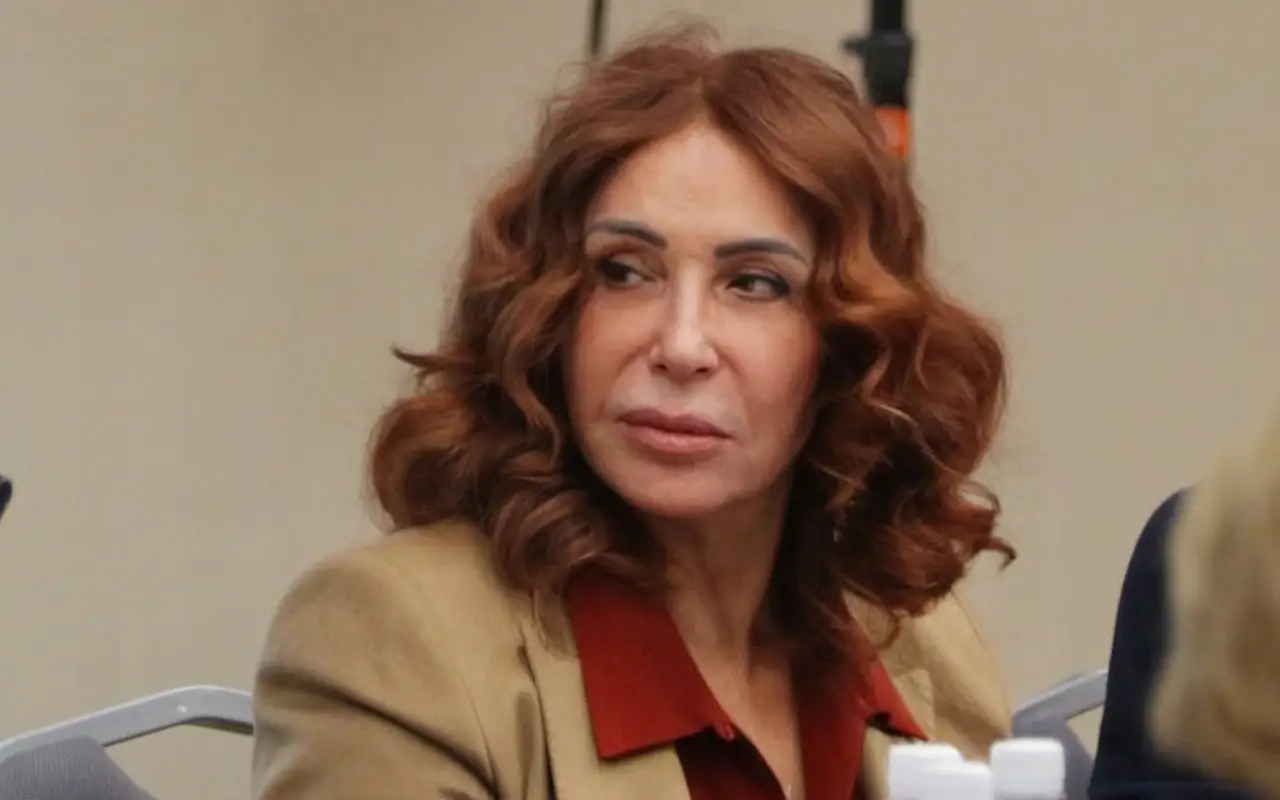
The BCU took note of the public appeal from the HCJ
The Bar Council of Ukraine has determined that, given the current security situation, it is objectively impossible to hold, in accordance with the procedure established by the Law «On the advocacy and the practice of law», meetings of advocates, regional conferences of advocates and the Congress of Ukrainian Advocates, including for the purpose of electing two members of the High Council of Justice under the quota allocated to the Congress of Ukrainian Advocates.
War
The BCU has launched a digital project «Wall of Remembrance and Honor»
The Bar Council of Ukraine has adopted a resolution to launch the digital project «Wall of Remembrance and Honor». To this end, the UNBA is beginning to collect information on advocates and paralegals who lost their lives as a result of the Russian Federation’s armed aggression against Ukraine.
Legal defence of military personnel
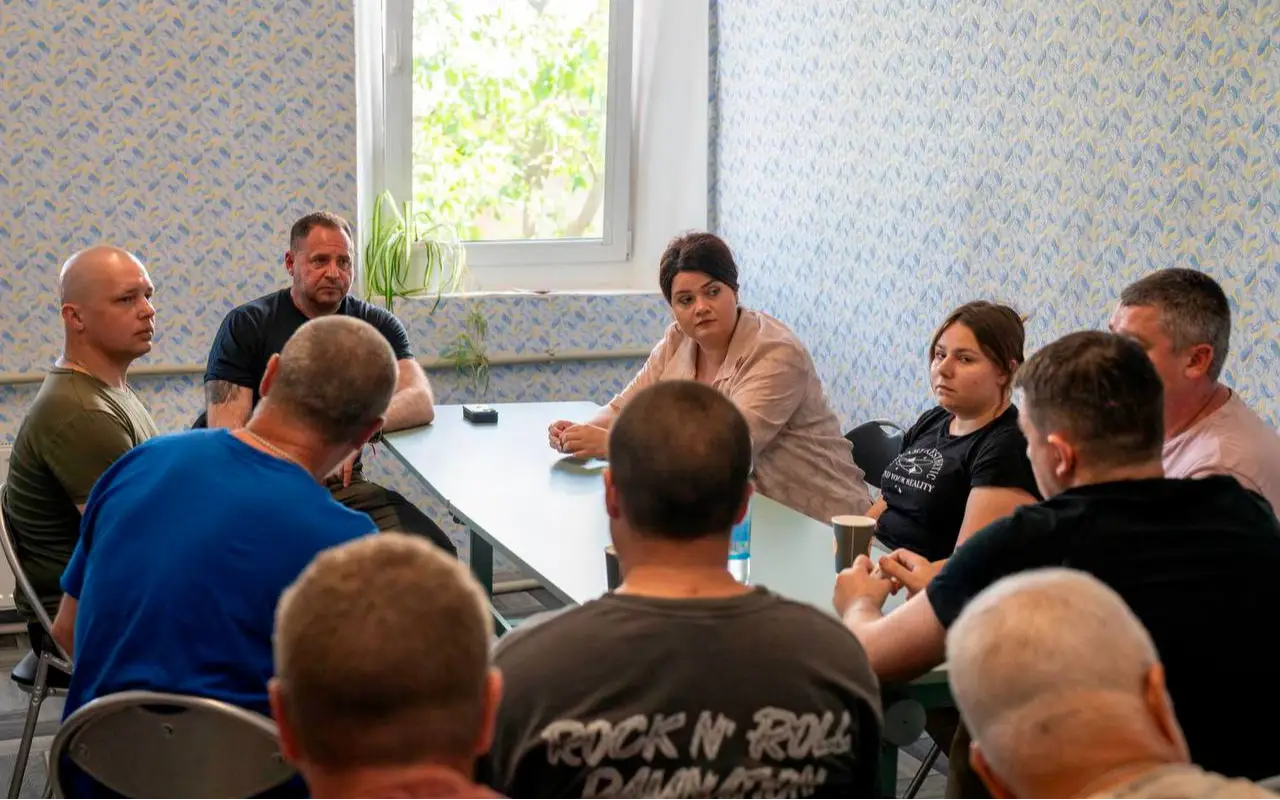
«Advocate+» has expanded its operations to 18 military units
The «Advocate+» project of the Ukrainian National Bar Association, which assigns advocates to military units, has expanded its operations to 18 units. Specialists have already been assigned to the new participants and are set to begin consultations next week.
Edition
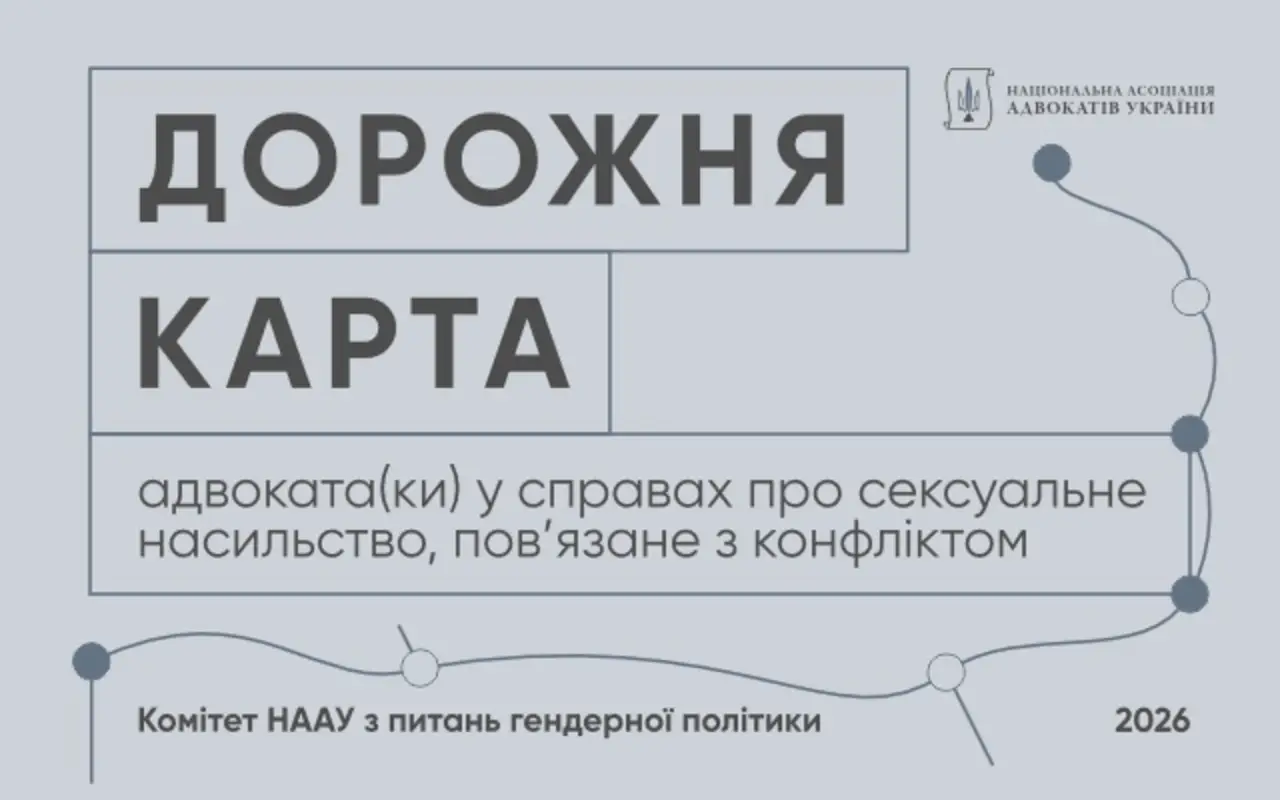
A roadmap for the CRSV cases has been prepared for the advocates
The UNBA Committee on gender policy has prepared a Roadmap for cases of Conflict-Related Sexual Violence.
Publications

Vasyl Kolishnyi, «Law and Business» Supporting mental health should become part of the professional culture of the Bar, - H. Udovenko

Volodymyr Matsko Extradition during wartime: when the risks outweigh the request

Volodymyr Matsko Extradition as a systemic form of rights violations

Victoria Yakusha, Law and Business The anti-corruption vertical cannot «take care» of the Bar as an institution, - acting head of the HQDCB

Censor.net Protecting advocates – protecting justice: addressing concerns about the new law

Ihor Kolesnykov A BRIEF SUMMARY REGARDING THE APPLICATION OF THE ORDER ON EXTENDED CONFISCATION IN LATVIA REGARDING FINANCIAL ASSETS OF…

Valentyn Gvozdiy WORKING IN A WAR ZONE

Lydia Izovitova Formula of perfection