Advocates will be assigned to the brigades: results of the UNBA Committee meeting
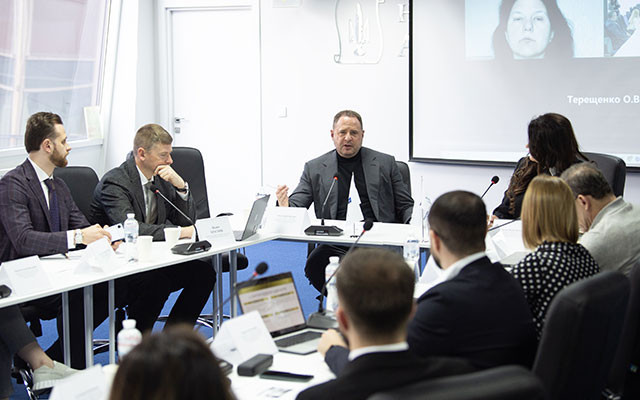
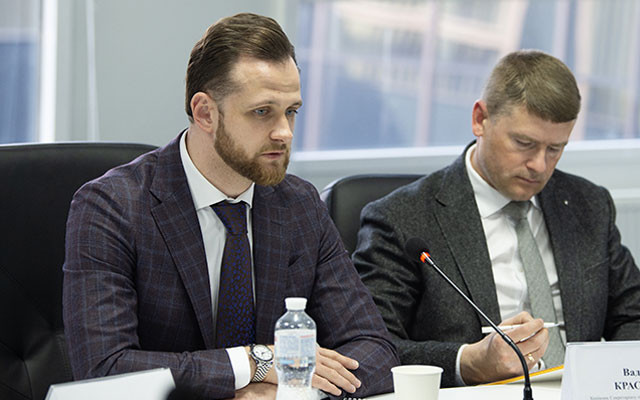
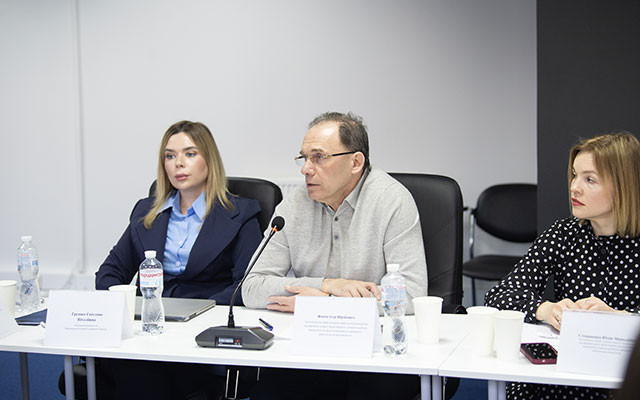
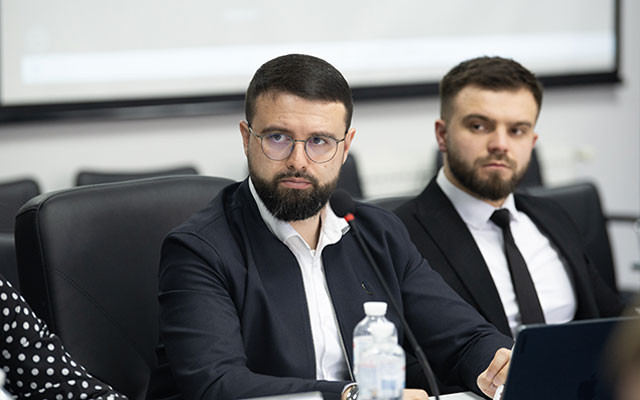
During a meeting of the UNBA Committee on the protection of victims of armed aggression against Ukraine, compensation mechanisms and European integration legal support for recovery participants discussed a comprehensive approach to providing legal support for military personnel.
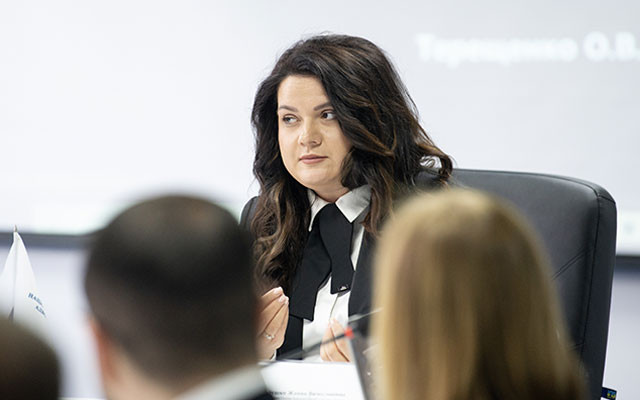
The Committee meeting was attended by Committee chairman Andriy Yermak, deputy chairman Zhanna Hrusko, Committee members, relevant experts and a representative of the Office of the Military Ombudsman.
The discussion focused on a combined model for legal support for military personnel — a combination of online tools and in-person consultations directly within military units.
The «Advocate+» model (the name of the pilot project) will provide military personnel with systematic primary legal assistance at the brigade level. It is based on digital routing via a website and a chatbot for simple, high-volume inquiries, as well as live primary consultations and legal support within units for more complex cases.
The project will launch in a test phase for three brigades of the Armed Forces of Ukraine and the National Guard. Advocates will be assigned to the units — serving as the first point of contact for service members on typical legal matters: consultations, clarifications, assistance with drafting reports, statements, and complaints, and determining the course of action in specific situations. Consultations will last for one month; if a case requires full legal representation, it will be provided under a separate agreement.
Zh. Hrusko emphasized that «Advocate+» is primarily intended for active-duty service members, particularly those undergoing treatment or rehabilitation, and eventually for their family members and those subject to military service. The idea is to handle simple and high-volume inquiries using pre-built algorithms and digital tools, while referring complex cases to specialists. As an example of the need for offline support, she cited the issue of a servicemember’s transfer: sometimes the problem lies not in an actual refusal, but in a failure to follow the proper procedure.
Committee member Ihor Fomin noted that the project should provide not only assistance in individual cases but also material for systematic work: typical problems are planned to be summarized and communicated in this form to government agencies and military authorities. As an example, A. Yermak cited the issue of awards, which should be addressed systematically in collaboration with the Ministry of Defense and the General Staff. Other typical requests include mobilization, medical examinations, and financial support.
Practical steps and future plans: as part of the project’s preparation, over 30 guidelines with explanations and action algorithms regarding the most common issues faced by military personnel have already been drafted; they are scheduled to be presented at the next Committee meeting. Committee members will visit pilot brigades, review the first requests, and, based on the experience gained, refine the «Advocate+» model and the technical solutions to support it. Next steps include systematizing the experience and scaling up the initiative, as well as building a broader network of advocates ready to join the project.
Popular news
Rule of Law Roadmap
Reform without data and advocacy: what the Ministry of Justice’s launch has revealed
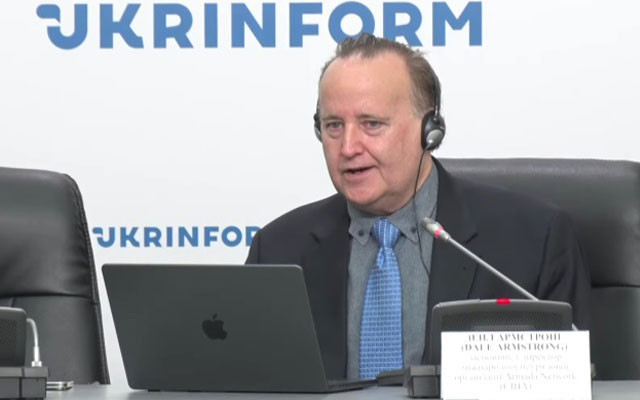
The Ministry of Justice hosted the first meeting of the working group on bar reform. But instead of professional preparation of legislative changes, we saw exactly what Armada Network Director Dale Armstrong had spoken about the day before in Kyiv: not reform, but a struggle for control over the agenda through a narrow circle of “stakeholders” who create an echo chamber of influence for themselves.
Rule of Law Roadmap
Advocacy, European integration and the limits of intervention: an American report presented in Kyiv
Following its presentation in Brussels, the report «The Ukrainian advocacy in the context of the rule of law and European integration» made its way to Kyiv. It highlighted critical issues both in understanding the very nature of the self-governing profession and in the emergence of a «shadow market» surrounding the Ukrainian advocacy.
Rule of Law Roadmap
Organization of advocacy: subgroup agrees on approaches to regulatory reform
On March 13, a meeting was held of the «Organization of the advocacy and self-government» subgroup of the Working Group on the implementation of the Rule of Law Roadmap regarding bar reform. The event was conducted via videoconference.
Guarantees of the practice of law
Ukraine has signed the Convention for the Protection of the Profession of Lawyer
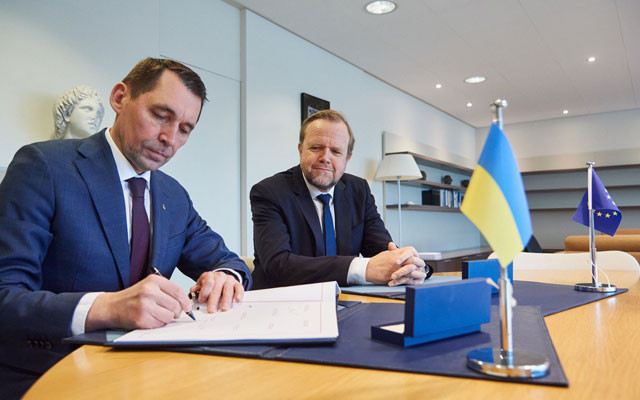
Today, on 9 March, Ukraine's Permanent Representative to the Council of Europe Mykola Tochytskyi signed the Council of Europe Convention for the Protection of the Profession of Lawyer. This makes our country the 28th to sign this important international treaty.
European integration
«Freedom or security» — a false formula: speech by L. Izovitova at the conference of bar presidents
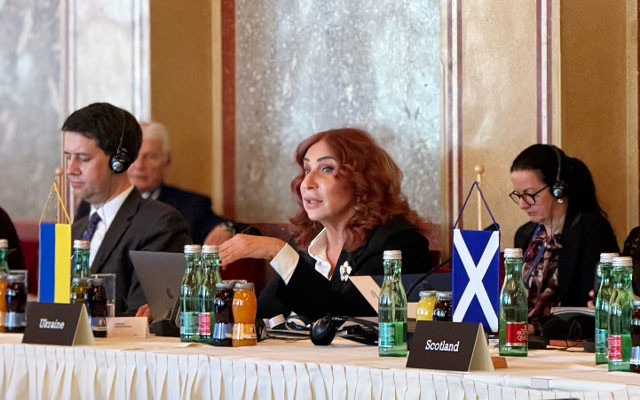
Is the state protecting society from crime today, or is it gradually destroying the rule of law under the guise of this fight? These alarming trends were outlined by the President of the UNBA, BCU Lidiya Izovitova, during her speech at the 54th European Conference of bar presidents.
Discussion
AI in advocacy and justice: ethics, regulation, limits of application
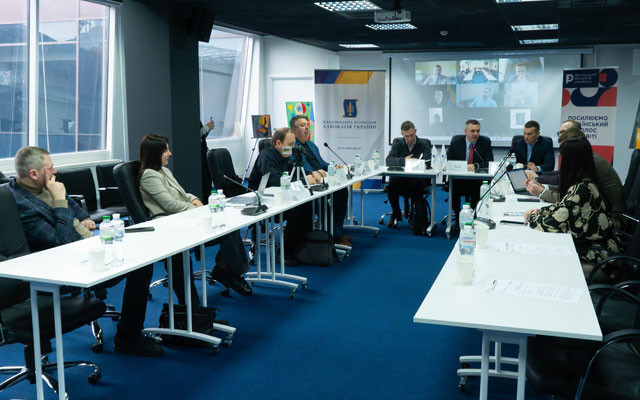
The Ukrainian National Bar Association held a roundtable discussion entitled «Artificial Intelligence in the цork of advocates: ethics, responsibility, legal process engineering». Participants discussed how artificial intelligence systems are already being used in the professional activities of advocates and where the ethical boundaries of what is permissible lie.
European integration
Researchers from the USA explain how shadow reports became a grant service
Shadow reporting often becomes a tool for the grant economy and competition for influence on policy. Such «expertise» replaces impartial analysis with the delegitimization of bar self-government, masks conflicts of interest, and is used as a channel for external pressure on the institution.
European integration
A translation of the report on advocacy presented to the European Parliament has been published
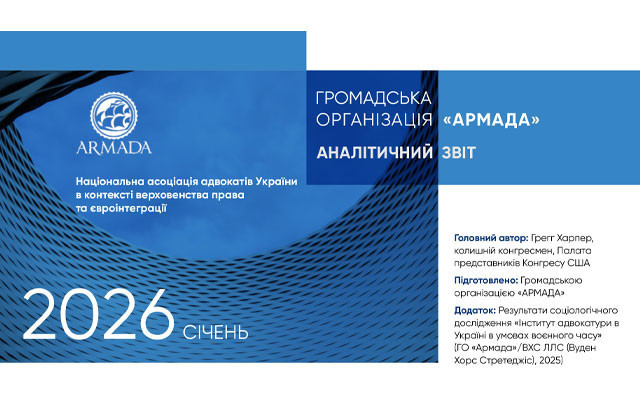
A translation of a research report on the Ukrainian advocacy profession in wartime, previously presented to the European Parliament in Brussels, has been published. The document is presented as a basis for discussion on the rule of law, Ukraine's European integration aspirations, and countering Russian disinformation in the legal sphere.
Publications

Volodymyr Matsko Extradition during wartime: when the risks outweigh the request

Volodymyr Matsko Extradition as a systemic form of rights violations

Victoria Yakusha, Law and Business The anti-corruption vertical cannot «take care» of the Bar as an institution, - acting head of the HQDCB

Censor.net Protecting advocates – protecting justice: addressing concerns about the new law

Ihor Kolesnykov A BRIEF SUMMARY REGARDING THE APPLICATION OF THE ORDER ON EXTENDED CONFISCATION IN LATVIA REGARDING FINANCIAL ASSETS OF…

Valentyn Gvozdiy WORKING IN A WAR ZONE

Lydia Izovitova Formula of perfection

Sergiy Vylkov Our judicial system is so built that courts do not trust advocates