






Ukrainian and French advocates discussed the protection of professional safeguards
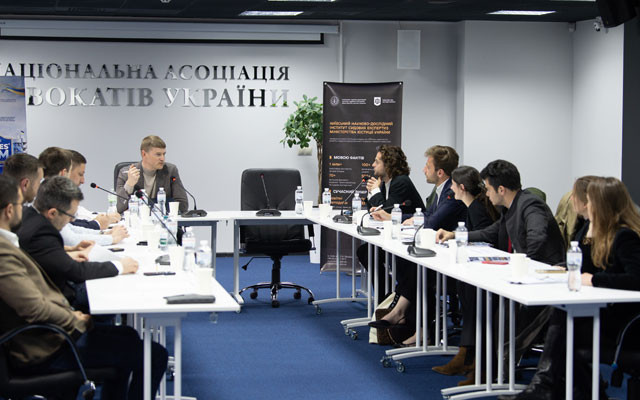
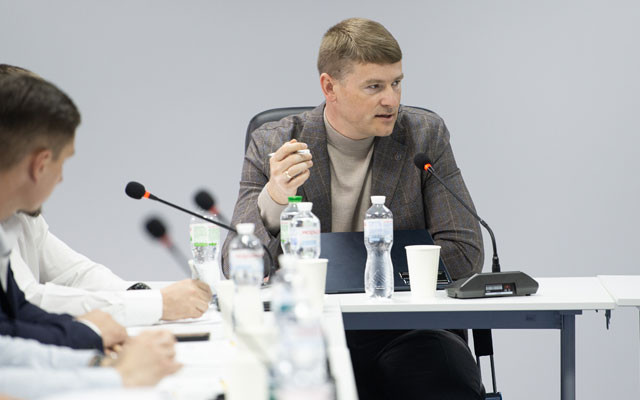
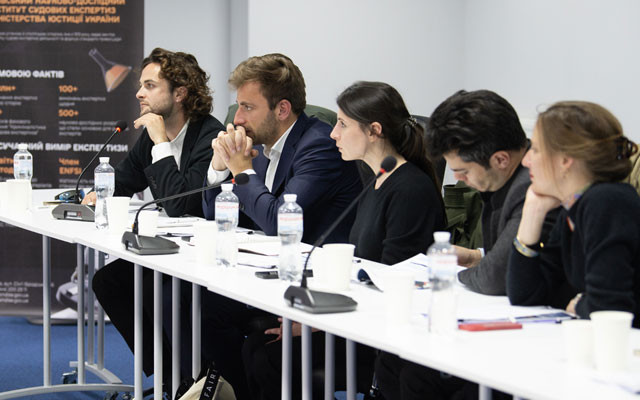
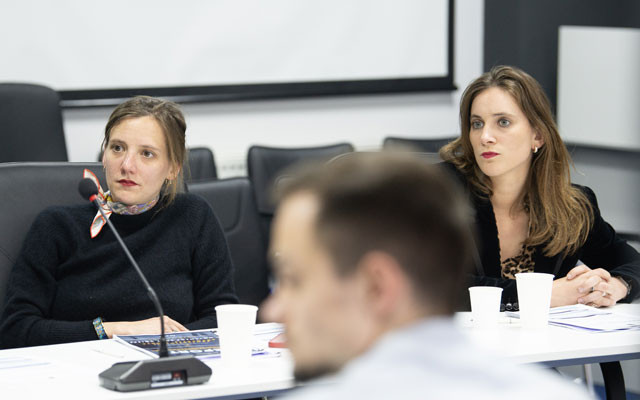
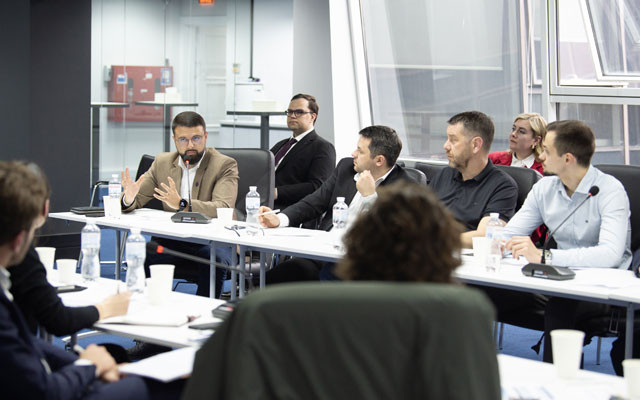
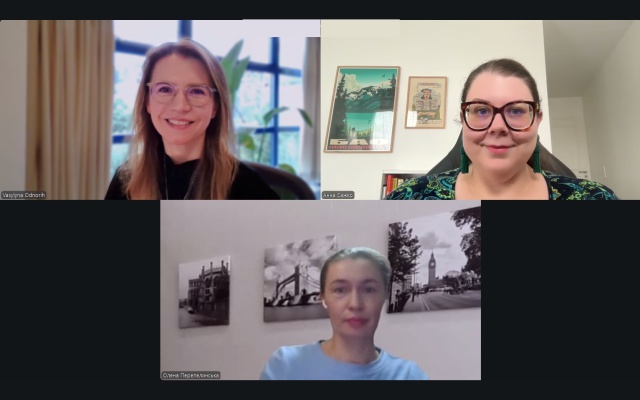
The Ukrainian National Bar Association hosted a meeting with representatives of the Paris Bar Association (La Conférence des Avocats du Barreau de Paris). The discussion focused on safeguards for the practice of law, the protection of attorney-client privilege during investigative proceedings, and the work of advocates in wartime conditions.
The French delegation was represented by the secretaries of the Conference: Sophie Ginamant, Guillemette Des Boscs, Raphaelle Varaut, Louis-Joseph Ricard, Eliott Amzallag and Gianni De Georgi. On the Ukrainian side, the meeting was attended by the head of the UNBA Secretariat Vadym Krasnyk, representatives of the Committee on the protection of advocates’ rights and guarantees of legal practice, as well as the chairman of the UNBA NextGen Ihor Andriyev.
Opening the meeting, V. Krasnik noted that Ukrainian advocates work under conditions that have significantly altered the practice of the profession. According to him, even after nighttime shelling, they participate in procedural actions, court hearings, searches, and arrests the following morning.
Deputy chairman of the UNBA Committee on the protection of advocates’ rights and guarantees of legal practice Oleksandr Levadnyi spoke about the practice of defending advocates’ professional rights. According to him, approximately 50 advocates from the Committee are regularly involved in investigative and procedural activities: searches, arrests, and examinations of physical evidence.
Among the most common violations, O. Levadnyi cited the denial of an advocate’s access to a client, particularly in matters related to the TCC and SP, the Ministry of Defense, and military authorities. Other issues discussed included the detention of advocates while providing legal assistance, attempts to forcibly mobilize defense advocates, the issuance of summonses in connection with their legal positions, the conflation of an advocate with a client, and unwarranted searches and seizures of items and documents that may contain attorney-client privilege.
Separately, a representative of the Committee drew attention to searches of advocates’ offices. The law requires the presence of a representative of the bar association. However, in practice, there are cases where this requirement is ignored, and bar associations are not notified or are notified improperly. In such situations, there is a risk of access to advocates’ files, equipment, data storage devices, and correspondence between the advocate and the client.
French advocates explained that in France, searches of advocates’ offices are conducted pursuant to a court order and only in cases where the investigation concerns the advocate themselves. A representative of the Advocacy Office participates in the procedure. Before seizing any media or documents, the representative must assess whether they contain attorney-client privilege. According to our French colleagues, unauthorized searches without a court order are not typical in their system.
At the same time, the French side noted that in France, too, there is a problem of pressure on advocates due to their clients’ cases. In particular, in southern regions, advocates defending individuals in proceedings related to drug trafficking and organized crime may face pressure from the police or civil society organizations simply because they are defending such clients.
In the Ukrainian context, as explained by representatives of the UNBA, such violations are not always linked solely to martial law or criminal proceedings regarding treason. A separate issue involves cases where an advocate is effectively removed from a case through mobilization mechanisms. Such situations pose a risk not only to the advocate themselves but also to the client’s right to defense, as the individual may lose their defense counsel during the proceedings.
Member of the Committee Ruslan Kulshenko cited examples of procedural violations that may seem minor individually but are systemic in nature. These included, in particular, conducting searches before the scheduled time, seizing phones despite the lack of a corresponding court order, as well as the practice of seizing devices instead of copying information.
French colleagues also inquired about mechanisms for responding to violations by judges or law enforcement agencies. The Ukrainian side explained that it uses appeals to law enforcement agencies, complaints, references to ECHR case law, and international communication. According to V. Krasnik, in the most high-profile cases, the UNBA informs European advocacy organizations through reports on violations of advocates’ rights, after which they can send letters to Ukrainian authorities.
I. Andreyev drew attention to the impact of the war on the work of advocates in the field of military law. According to him, Ukrainian legislation was not sufficiently prepared for a full-scale war, which created a significant number of problems regarding mobilization, military service, and the protection of the rights of those subject to military service. He identified a separate risk: the possibility that an advocate’s actions — when helping a person defend the legality of the mobilization procedure — could be criminally prosecuted as obstruction of the lawful activities of the Armed Forces.
Summing up the meeting, V. Krasnik emphasized that the Ukrainian advocacy community is simultaneously responding to violations of advocates’ rights and providing legal assistance to military personnel, their families, and the families of those missing in action and the deceased.
The parties also discussed the possibility of continuing the exchange of experience between the Ukrainian and French advocacy associations on issues of legal ethics, advocacy legislation, and disciplinary procedures, which could be useful for bringing Ukrainian regulations in line with European standards.
Popular news
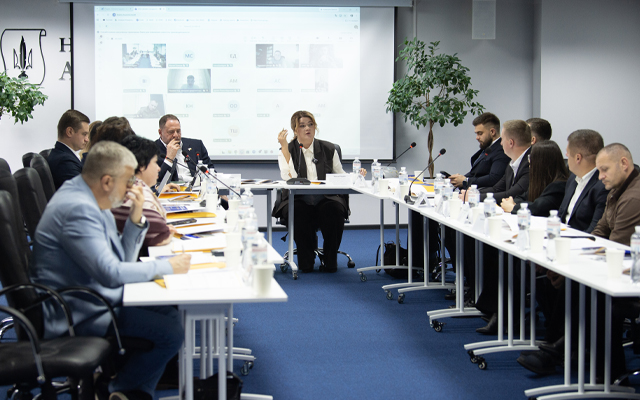
Legal defence of military personnel
Guarantees in the event of detention and procedures for military personnel: recommendations from the UNBA Committee
Most often, military personnel turn to advocates regarding frozen bank accounts and delays in discharge. Step-by-step procedures have been prepared for such situations. A guide on one-time financial assistance has been provided for the families of those killed in action. And the new regulations governing the stay of mobilized individuals at TCCs require changes regarding guarantees of communication with an advocate.
Rule of Law Roadmap
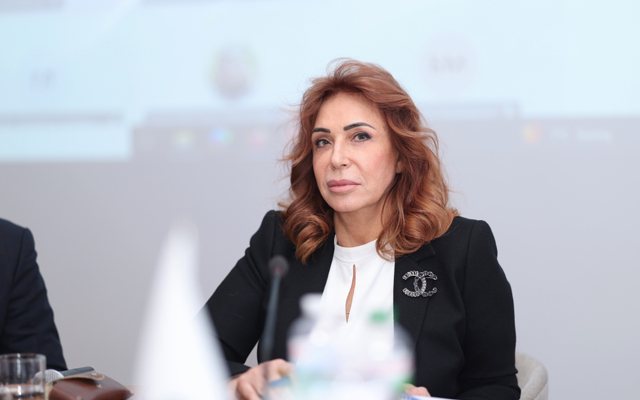
Lidiya Izovitova: reform of the advocacy profession should make the profession stronger and individuals better protected
The Ukrainian advocacy community is finalizing work on a new version of the relevant law. The roadmap on the rule of law has set the fourth quarter of 2026 as the deadline for achieving results in this area. The draft is intended to ensure safeguards for the practice of law through mechanisms of accountability for violations.
Abroad
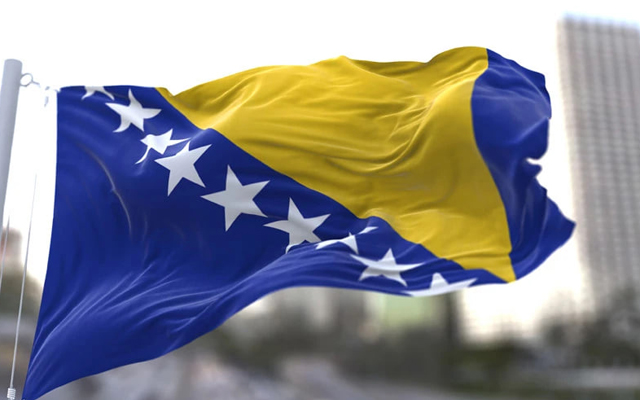
The first country to ratify the Convention on the Protection of the Professions of Lawyer
Bosnia and Herzegovina became the first country to ratify the Council of Europe Convention on the Protection of the Professions of Lawyer (CETS No. 226). The country signed the Convention on March 17, 2026, so it took just over seven months to ratify it.
Discussion
Civil security and guidelines for investors: representatives of the UNBA attend a forum in Prague
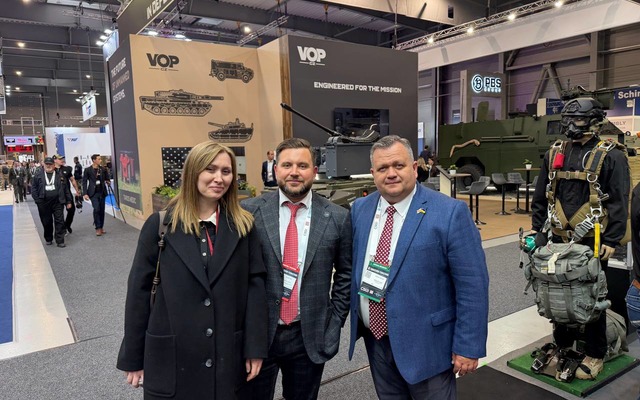
How to establish a business in Ukraine, protect investments, and comply with regulatory requirements — these were the issues that foreign companies in the security sector discussed with representatives of the UNBA during an international forum in Prague.
Legislation
An emergency search without a warrant? What changes are advocates proposing to the CPC
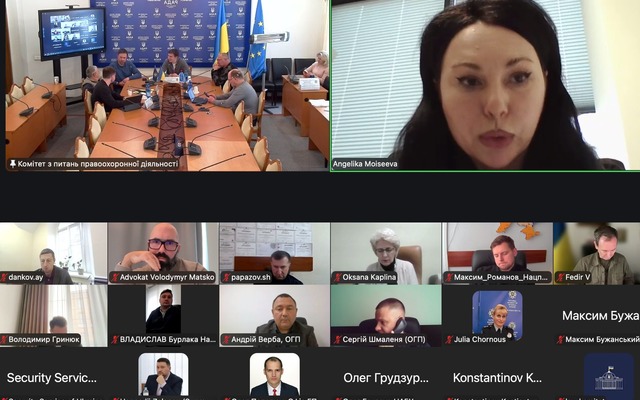
The Verkhovna Rada is preparing a consolidated draft of amendments to the Criminal Procedure Code regarding searches in urgent cases without a prior ruling by an investigating judge. The UNBA insists that judicial oversight following such a search must be effective, and that homeowners must be full participants in the procedure.
Discussion
Seizure does not mean return: how to get an exchange to return stolen crypto assets
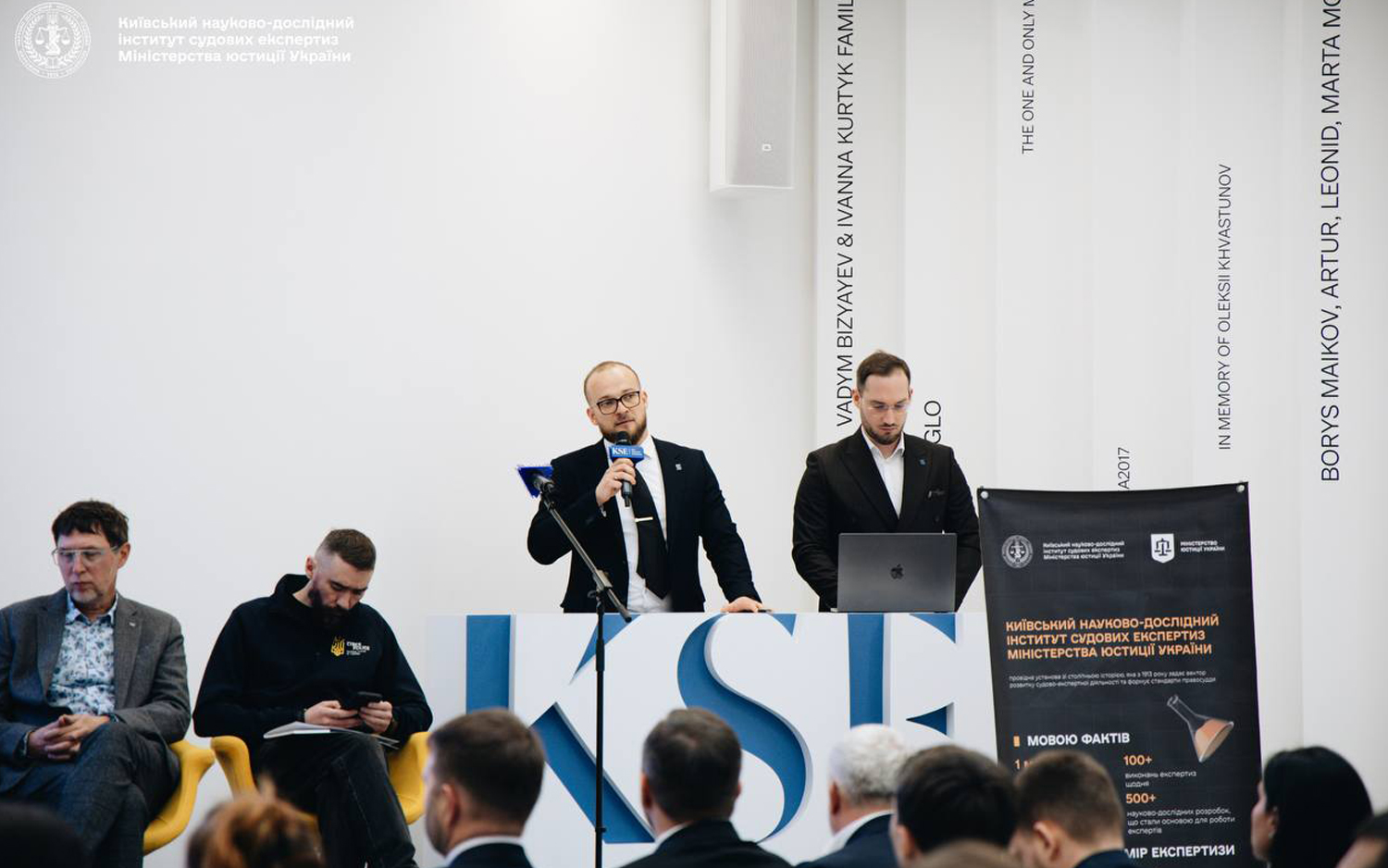
In cases involving cryptocurrency theft, the assets move faster than the criminal proceedings, so it is best to first freeze and seize them, and only then identify the perpetrator. However, even a seizure will not recover the funds unless the court order specifies exactly what the exchange or issuer must do.
Support
In Edinburgh expressed gratitude to those who are helping Ukrainian advocates and citizens
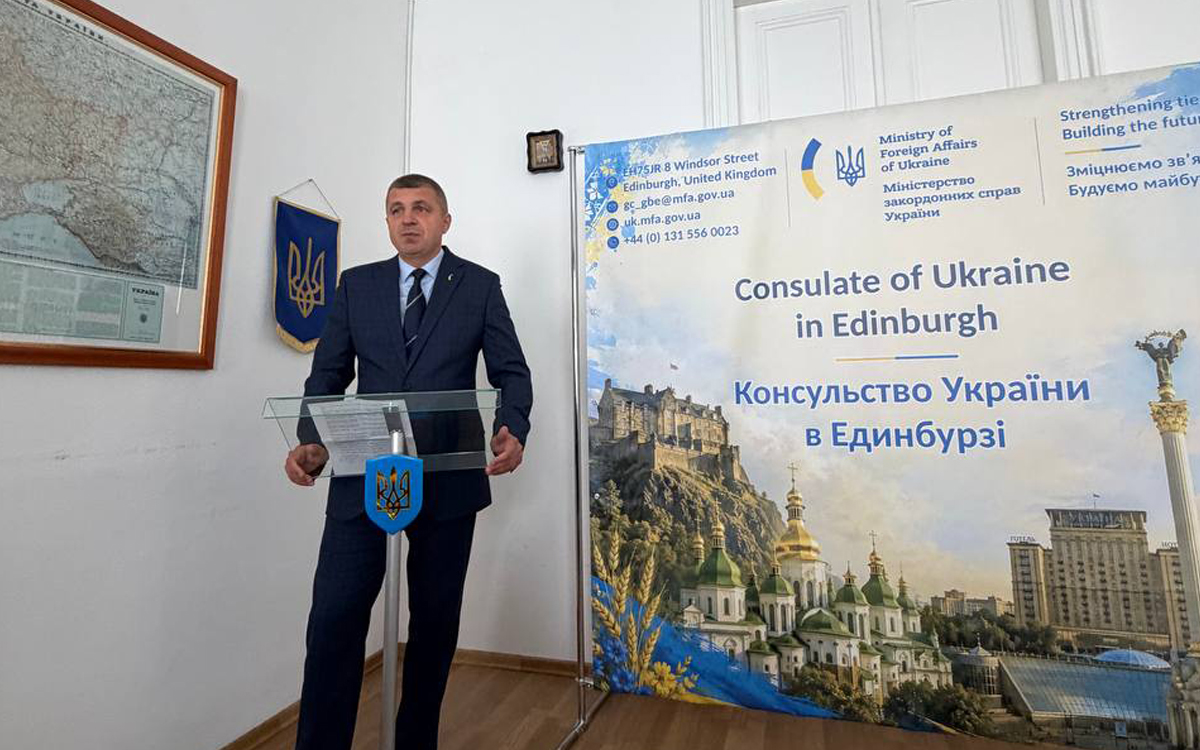
Since the start of the full-scale invasion, Scottish legal institutions and the Ukrainian community, with the participation of the UNBA, have been helping Ukrainian advocates obtain their qualifications and Ukrainians receive legal assistance. The parties are now planning joint professional and educational events.
Educational events
What to do when you need immediate protection in the LCIA
A dispute with a counterparty has been referred to the London Court of International Arbitration (LCIA), but it will take several weeks to appoint the arbitrators, and the client needs legal representation immediately? This can be achieved through an emergency arbitrator or expedited tribunal formation.
Publications

Vasyl Kolishnyi, «Law and Business» Supporting mental health should become part of the professional culture of the Bar, - H. Udovenko

Volodymyr Matsko Extradition during wartime: when the risks outweigh the request

Volodymyr Matsko Extradition as a systemic form of rights violations

Victoria Yakusha, Law and Business The anti-corruption vertical cannot «take care» of the Bar as an institution, - acting head of the HQDCB

Censor.net Protecting advocates – protecting justice: addressing concerns about the new law

Ihor Kolesnykov A BRIEF SUMMARY REGARDING THE APPLICATION OF THE ORDER ON EXTENDED CONFISCATION IN LATVIA REGARDING FINANCIAL ASSETS OF…

Valentyn Gvozdiy WORKING IN A WAR ZONE

Lydia Izovitova Formula of perfection

