

The UNBA presented the CCBE with an overview of legal reform and challenges
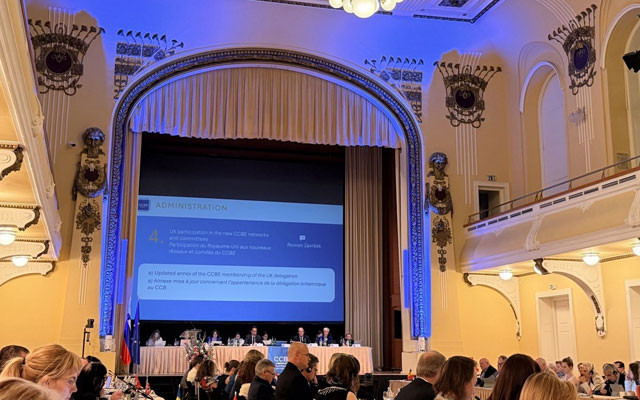
Reform of the legal profession, Ukraine’s European integration commitments, guarantees of the profession’s independence, and practices of bar self-governance in European countries — these issues were the subject of discussion at the Council of Bars and Law Societies of Europe (CCBE).
Hanna Udovenko, a leading expert on European integration at the Ukrainian National Bar Association, participated in the meetings held on May 28–29 in Ljubljana (Slovenia).
During the meeting of the CCBE Committee on Central and Eastern Europe (PECO), she presented key initiatives related to European integration, the protection of the independence of the advocacy profession, and the implementation of the Rule of Law Roadmap, approved by Decree No. 475-r of the Cabinet of Ministers dated May 14, 2025.
Participants were briefed on the status of Ukraine’s accession to the Council of Europe Convention on the Protection of the Professions of Lawyer. The UNBA noted that the signing of the international treaty was preceded by public appeals to the President, the Government, the Ministry of Justice and the Ministry of Foreign Affairs, as well as coordination of positions with the Permanent Representation of Ukraine to the EU and the Council of Europe. On May 13, the Verkhovna Rada Committee on legal policy held a special working meeting with the participation of the UNBA, where the draft law on ratification and the schedule for its consideration were discussed. The position of the bar association is that the ratification of the Convention and the reform of the bar under the Roadmap are parallel processes, so ratification should not be postponed until the reform is completed.
H. Udovenko also presented the results of the work of the UNBA Committee on the protection of advocates’ rights and guarantees of legal practice. Among the problematic trends cited were obstruction of legal practice by territorial recruitment and social support centers, instances of publicly equating an advocate with a client, searches without a warrant from an investigating judge, and the use of mobilization procedures as a tool to pressure advocates.
Another topic raised at the PECO meeting concerned the activities of the UNBA Working Group on the Implementation of the Rule of Law Roadmap. The group has been operating since January 2026 and comprises eight thematic subgroups corresponding to the sections of the future Law «On the advocacy and practice of law»: access to the profession and digital exams, organization of self-governance, disciplinary procedures, guarantees for legal practice, transparency and financial control, European integration and digitalization, and continuing professional development for advocates. Based on the work completed, the UNBA prepared a consolidated report, which was submitted to the European Commission’s Directorate-General for Enlargement and Eastern Neighborhood (DG ENEST) and forwarded to the CCBE for a structured dialogue on Cluster 1.
In addition, as early as October 2025, the Bar Council of Ukraine fulfilled the Roadmap’s requirement for harmonization with Directives 77/249/EEC and 98/5/EC ahead of schedule by adopting Resolution No. 100 on the regulation of foreign advocates’ activities in Ukraine.
There was also discussion of attempts at state interference in bar self-governance in the draft Anti-Corruption Strategy for 2026–2030. The document, prepared by the National Agency for Corruption Prevention, contains a separate section on advocacy, which provides for interference in the formation of self-governing bodies, a qualifying exam, disciplinary proceedings, and financial management. In this regard, the UNBA appealed to the CCBE with a request to support Ukrainian advocacy. Possible formats include a comparative survey of member bar associations regarding the relationship between advocacy and the state on anti-corruption issues, the preparation of a consolidated summary for dialogue with Ukrainian authorities and EU institutions within Cluster 1, as well as consideration of the possibility of a public statement by the CCBE.
Participants in the PECO meeting discussed models of bar self-governance in various countries, including the status of presidents of national associations and the conditions under which they practice law. H. Udovenko explained the Ukrainian model, under which the chairman of the UNBA may continue to practice law without legislative restrictions. The law provides for the possibility of setting a fee, but currently the chairman of the UNBA performs his duties on a pro bono basis.
The issue of annual dues paid by advocates whose right to practice law has been suspended was also discussed. According to information presented during the meeting, in most European countries, such advocates continue to pay dues — either in full or at a reduced rate. Ukraine is one of the few countries where advocates whose right to practice law has been suspended do not pay dues for the entire period of suspension.
Additionally, participants were informed about a new joint project between the UNBA and the International Bar Association (IBA) aimed at protecting attorney-client privilege and institutional digital systems in wartime conditions. The project is scheduled to last six months and includes an independent assessment of cyber risks, the development of a practical cybersecurity guide for Ukrainian advocates, a training program through the Higher School of Advocacy, and a security audit of the Unified Register of Advocates of Ukraine.
The CCBE plenary session addressed issues related to the organization’s activities and development, the approval of the 2025 financial statements, planning for 2027, and the implementation of CCBE priorities. Separate discussions were held on the protection of human rights and the selection of the CCBE Award winner in this field, anti-money laundering, the development of the European Platform for Information Exchange between advocacy organizations, and the CCBE’s positions on current EU legislative initiatives.
«The UNBA’s participation in the work of CCBE bodies is part of an ongoing dialogue with European partners regarding guarantees of the independence of the legal profession, the fulfillment of Ukraine’s European integration commitments, and the alignment of professional self-governance with European standards», - commented H. Udovenko on the outcomes of the meetings.
Popular news

Legislation
The Verkhovna Rada is preparing a bill to implement the Convention on the Protection of the Professions of Lawyer
Members of Parliament plan to introduce a bill in the near future to implement the main provisions of the Council of Europe Convention on the Protection of the Professions of Lawyer. This parliamentary initiative may also prompt the government to expedite the preparation of the ratification package.
Legislation
The path to ratification of the Convention must not end in yet another delay — L. Izovitova
Ukraine’s preparations for the ratification of the Council of Europe Convention on the Protection of the Professions of Lawyer have already passed key stages. Now, government institutions must submit the matter to the Verkhovna Rada for consideration. In doing so, Ukraine may complete the ratification process faster than EU member states.
Guarantees of the practice of law
Ukraine could be the first to implement a European mechanism for the protection of advocates. What’s holding it back?
Ukraine has a chance to be the first country to ratify the Council of Europe Convention on the Protection of the Professions of Lawyer. Political support for this exists, but the government’s legislative package has not yet been submitted to parliament. Meanwhile, the number of violations of advocates’ rights is on the rise.
Educational events
How can an advocate verify that work has been completed if the client refuses to sign the report?
When billing by the hour, the primary document for determining the fee may be a detailed report on the time spent by the advocate and the work performed. To prevent the client from withholding payment, the contract should specify in advance the procedure for submitting and approving such a report.
Self-government
The BCU took note of the public appeal from the HCJ
The Bar Council of Ukraine has determined that, given the current security situation, it is objectively impossible to hold, in accordance with the procedure established by the Law «On the advocacy and the practice of law», meetings of advocates, regional conferences of advocates and the Congress of Ukrainian Advocates, including for the purpose of electing two members of the High Council of Justice under the quota allocated to the Congress of Ukrainian Advocates.
War
The BCU has launched a digital project «Wall of Remembrance and Honor»
The Bar Council of Ukraine has adopted a resolution to launch the digital project «Wall of Remembrance and Honor». To this end, the UNBA is beginning to collect information on advocates and paralegals who lost their lives as a result of the Russian Federation’s armed aggression against Ukraine.
Legal defence of military personnel
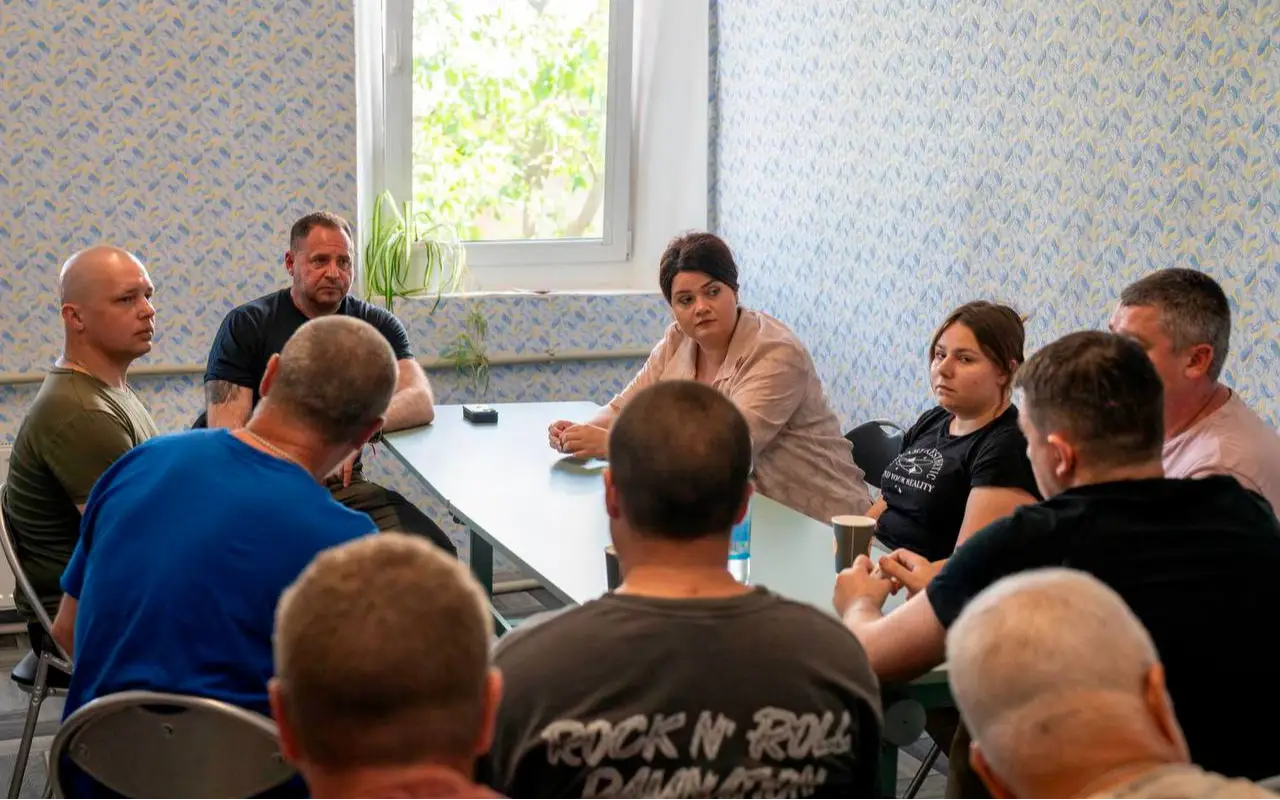
«Advocate+» has expanded its operations to 18 military units
The «Advocate+» project of the Ukrainian National Bar Association, which assigns advocates to military units, has expanded its operations to 18 units. Specialists have already been assigned to the new participants and are set to begin consultations next week.
Edition
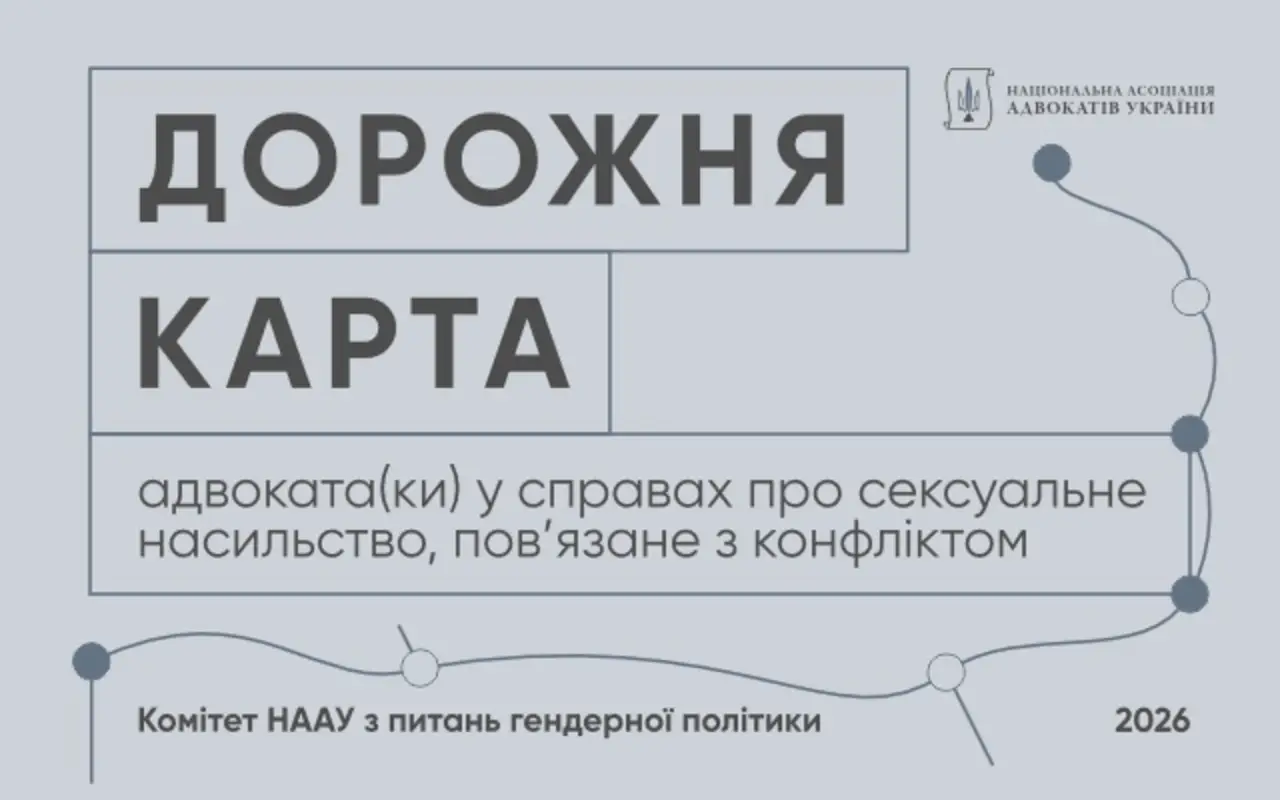
A roadmap for the CRSV cases has been prepared for the advocates
The UNBA Committee on gender policy has prepared a Roadmap for cases of Conflict-Related Sexual Violence.
Publications

Vasyl Kolishnyi, «Law and Business» Supporting mental health should become part of the professional culture of the Bar, - H. Udovenko

Volodymyr Matsko Extradition during wartime: when the risks outweigh the request

Volodymyr Matsko Extradition as a systemic form of rights violations

Victoria Yakusha, Law and Business The anti-corruption vertical cannot «take care» of the Bar as an institution, - acting head of the HQDCB

Censor.net Protecting advocates – protecting justice: addressing concerns about the new law

Ihor Kolesnykov A BRIEF SUMMARY REGARDING THE APPLICATION OF THE ORDER ON EXTENDED CONFISCATION IN LATVIA REGARDING FINANCIAL ASSETS OF…

Valentyn Gvozdiy WORKING IN A WAR ZONE

Lydia Izovitova Formula of perfection