


Suspension of the right to practice law does not exempt one from complying with the CPE – court

An advocate does not lose his or her professional status due to the suspension of the right to practice law. His or her public statements continue to be associated with the professional community and, therefore, may be evaluated in terms of compliance with the Rules of Professional Conduct and their impact on the reputation of advocacy.
This was the conclusion reached by the Eighth Administrative Court of Appeal in Case No. 260/6591/24, which upheld the appeals filed by the Higher Qualification and Disciplinary Commission of the Bar and the Qualification and Disciplinary Commission of the Bar of Zakarpattia Oblast, according to the Higher Qualification and Disciplinary Commission of the Bar.
The basis for the disciplinary proceedings was complaints regarding public statements made by advocate K. on Facebook using profanity. Following the review, the Disciplinary Chamber of the Transcarpathian Regional Bar Association held the advocate disciplinarily liable and imposed a penalty in the form of a warning.
In appealing this decision to the Transcarpathian District Administrative Court, K. argued that his right to practice law had been suspended, he was performing military service, and he was not actually practicing law. Therefore, in his opinion, there were no grounds for disciplinary liability. The court of first instance granted the appeal.
However, the appellate court did not agree with these arguments. The court noted that, pursuant to Part 5 of Article 31 of the Law «On the advocacy and the practice of law», during the period in which the right to practice law is suspended, an advocate is not permitted to practice law. At the same time, the individual does not lose their status as an advocate.
The rules of legal ethics are binding not only on advocates who are actually practicing law but also on those lawyers whose right to practice law has been suspended in accordance with the procedure established by law.
Therefore, the suspension of the right does not exempt a person from the obligation to comply with the requirements of the Code of Professional Ethics for Advocates, in particular Articles 57 and 59 regarding an advocate’s conduct on the Internet.
In the court’s assessment, the advocate’s public statements continue to be associated with the legal community and affect the authority of the advocacy profession as a whole. Therefore, the use of profanity on social media may be considered a violation of the ethical standards of the legal profession.
The court also rejected the argument that K. had performed military service. The panel of judges noted that this circumstance does not negate an advocate’s obligation to adhere to generally accepted ethical norms and standards of conduct.
The court took into account that the advocate did not dispute the substance or circumstances of the disciplinary offense, did not refute authorship of the relevant public statements, and did not provide evidence to refute the conclusions of the Disciplinary Chamber of the Qualification and Disciplinary Bar Commission.
Under these circumstances, the Eighth Administrative Court of Appeal concluded (in its ruling dated June 16, 2026) that there were no grounds for overturning the decision to hold the advocate disciplinarily liable.
Popular news

Legislation
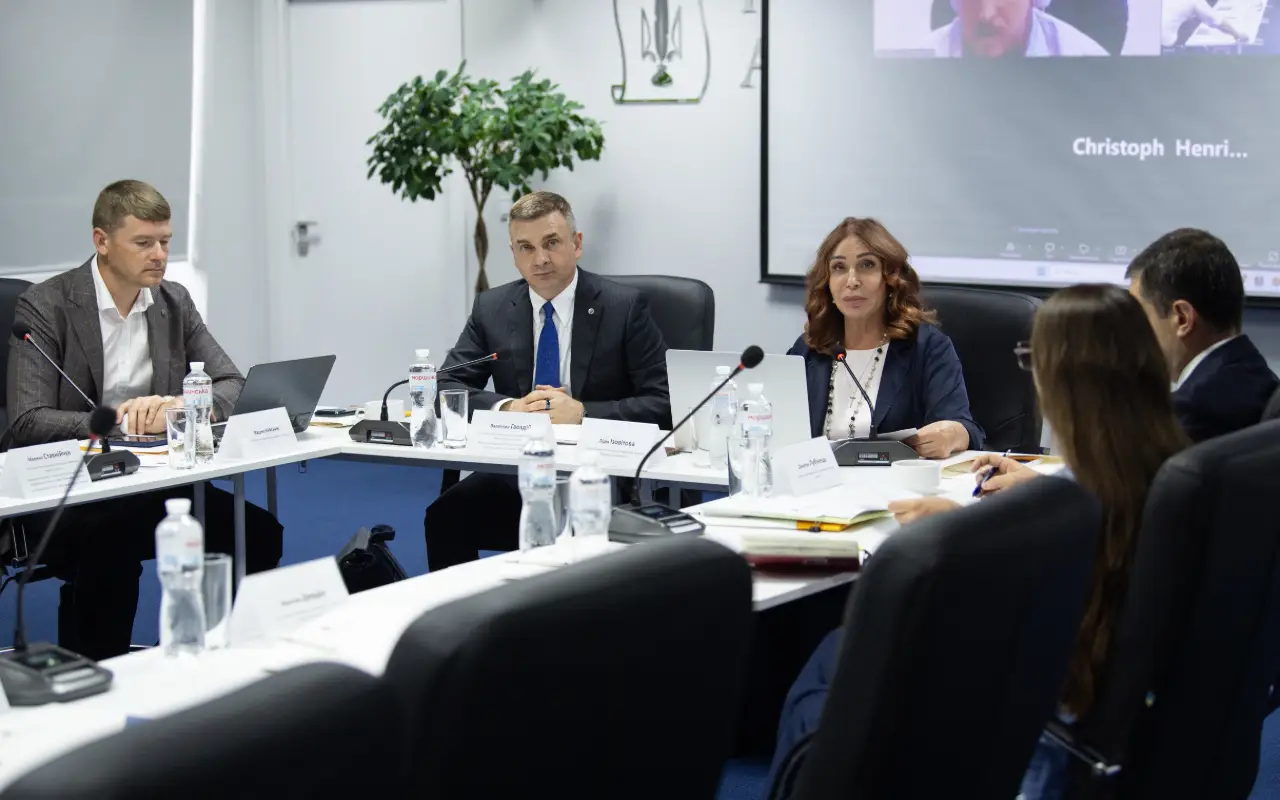
The Verkhovna Rada is preparing a bill to implement the Convention on the Protection of the Professions of Lawyer
Members of Parliament plan to introduce a bill in the near future to implement the main provisions of the Council of Europe Convention on the Protection of the Professions of Lawyer. This parliamentary initiative may also prompt the government to expedite the preparation of the ratification package.
Legislation
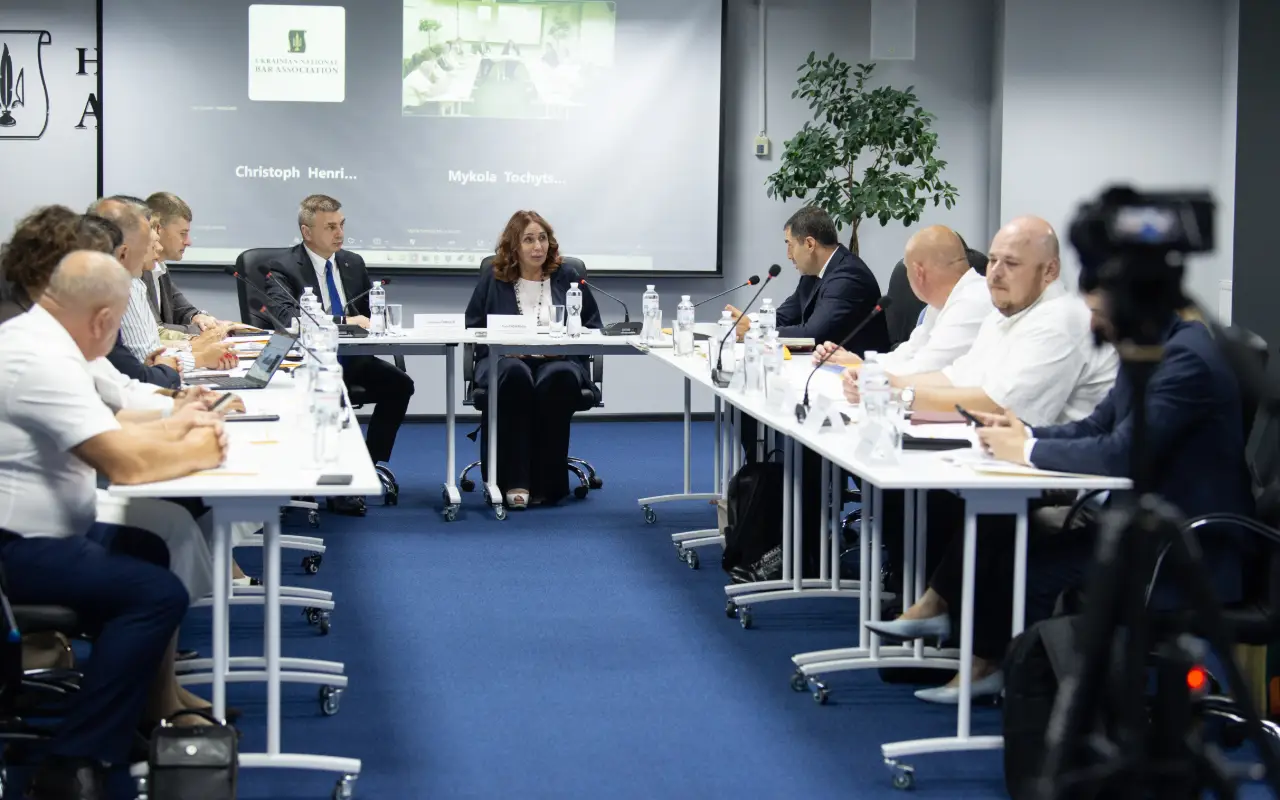
The path to ratification of the Convention must not end in yet another delay — L. Izovitova
Ukraine’s preparations for the ratification of the Council of Europe Convention on the Protection of the Professions of Lawyer have already passed key stages. Now, government institutions must submit the matter to the Verkhovna Rada for consideration. In doing so, Ukraine may complete the ratification process faster than EU member states.
Guarantees of the practice of law
Ukraine could be the first to implement a European mechanism for the protection of advocates. What’s holding it back?
Ukraine has a chance to be the first country to ratify the Council of Europe Convention on the Protection of the Professions of Lawyer. Political support for this exists, but the government’s legislative package has not yet been submitted to parliament. Meanwhile, the number of violations of advocates’ rights is on the rise.

Educational events
How can an advocate verify that work has been completed if the client refuses to sign the report?
When billing by the hour, the primary document for determining the fee may be a detailed report on the time spent by the advocate and the work performed. To prevent the client from withholding payment, the contract should specify in advance the procedure for submitting and approving such a report.
Self-government
The BCU took note of the public appeal from the HCJ
The Bar Council of Ukraine has determined that, given the current security situation, it is objectively impossible to hold, in accordance with the procedure established by the Law «On the advocacy and the practice of law», meetings of advocates, regional conferences of advocates and the Congress of Ukrainian Advocates, including for the purpose of electing two members of the High Council of Justice under the quota allocated to the Congress of Ukrainian Advocates.
War
The BCU has launched a digital project «Wall of Remembrance and Honor»
The Bar Council of Ukraine has adopted a resolution to launch the digital project «Wall of Remembrance and Honor». To this end, the UNBA is beginning to collect information on advocates and paralegals who lost their lives as a result of the Russian Federation’s armed aggression against Ukraine.
Legal defence of military personnel
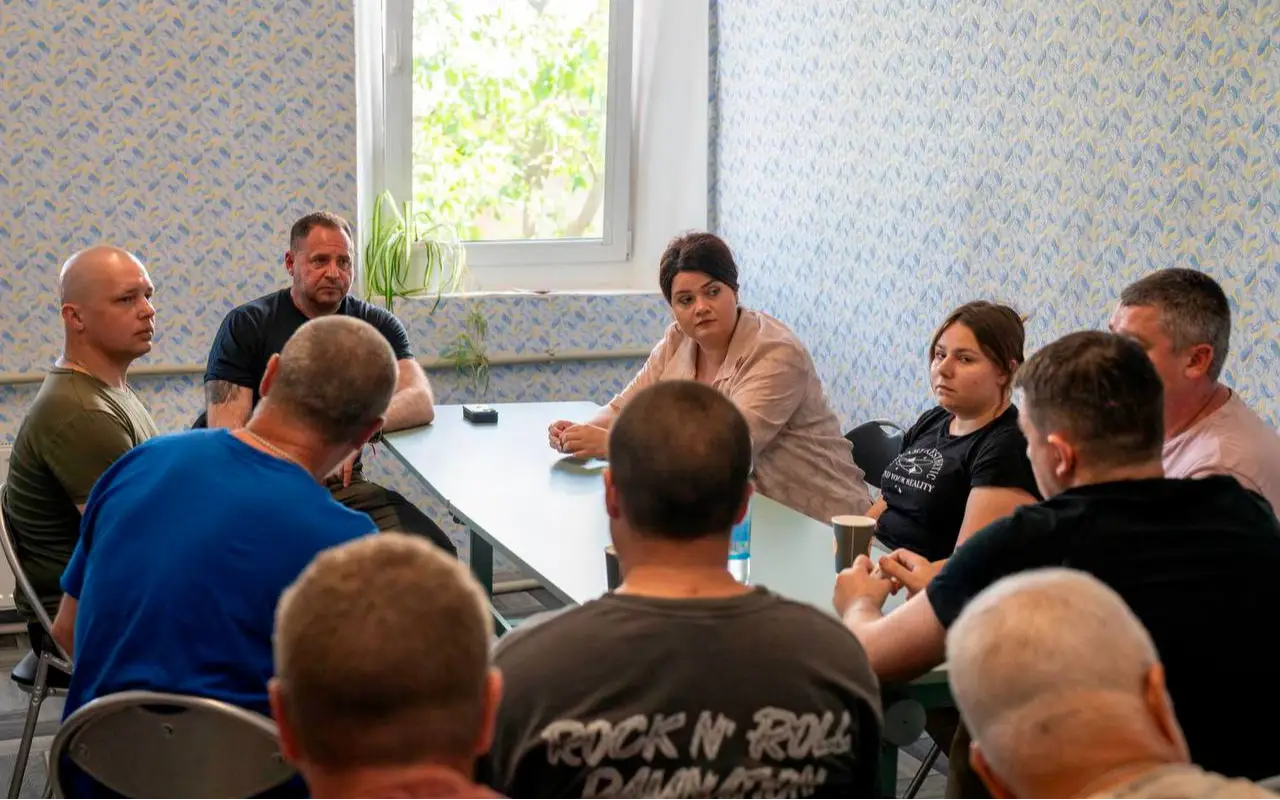
«Advocate+» has expanded its operations to 18 military units
The «Advocate+» project of the Ukrainian National Bar Association, which assigns advocates to military units, has expanded its operations to 18 units. Specialists have already been assigned to the new participants and are set to begin consultations next week.
Edition
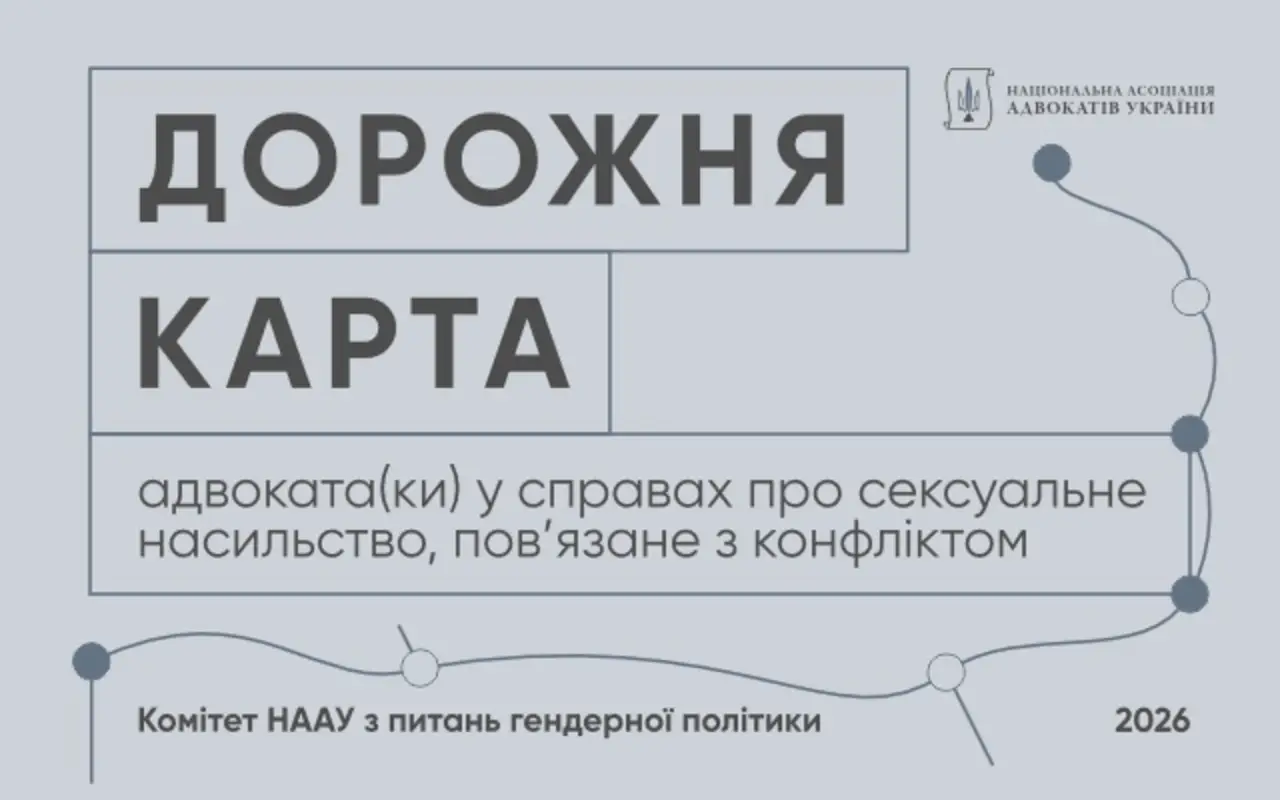
A roadmap for the CRSV cases has been prepared for the advocates
The UNBA Committee on gender policy has prepared a Roadmap for cases of Conflict-Related Sexual Violence.
Publications

Volodymyr Matsko Extradition during wartime: when the risks outweigh the request

Volodymyr Matsko Extradition as a systemic form of rights violations

Victoria Yakusha, Law and Business The anti-corruption vertical cannot «take care» of the Bar as an institution, - acting head of the HQDCB

Censor.net Protecting advocates – protecting justice: addressing concerns about the new law

Ihor Kolesnykov A BRIEF SUMMARY REGARDING THE APPLICATION OF THE ORDER ON EXTENDED CONFISCATION IN LATVIA REGARDING FINANCIAL ASSETS OF…

Valentyn Gvozdiy WORKING IN A WAR ZONE

Lydia Izovitova Formula of perfection

Sergiy Vylkov Our judicial system is so built that courts do not trust advocates