






An advocate's meeting with a client outside the office: how to conduct it without giving away too much
If a client suggests meeting in a public place, keep in mind that any name or amount mentioned aloud could be overheard by bystanders. Therefore, it’s important to plan ahead regarding the table, seating arrangements, and the scope of the conversation.
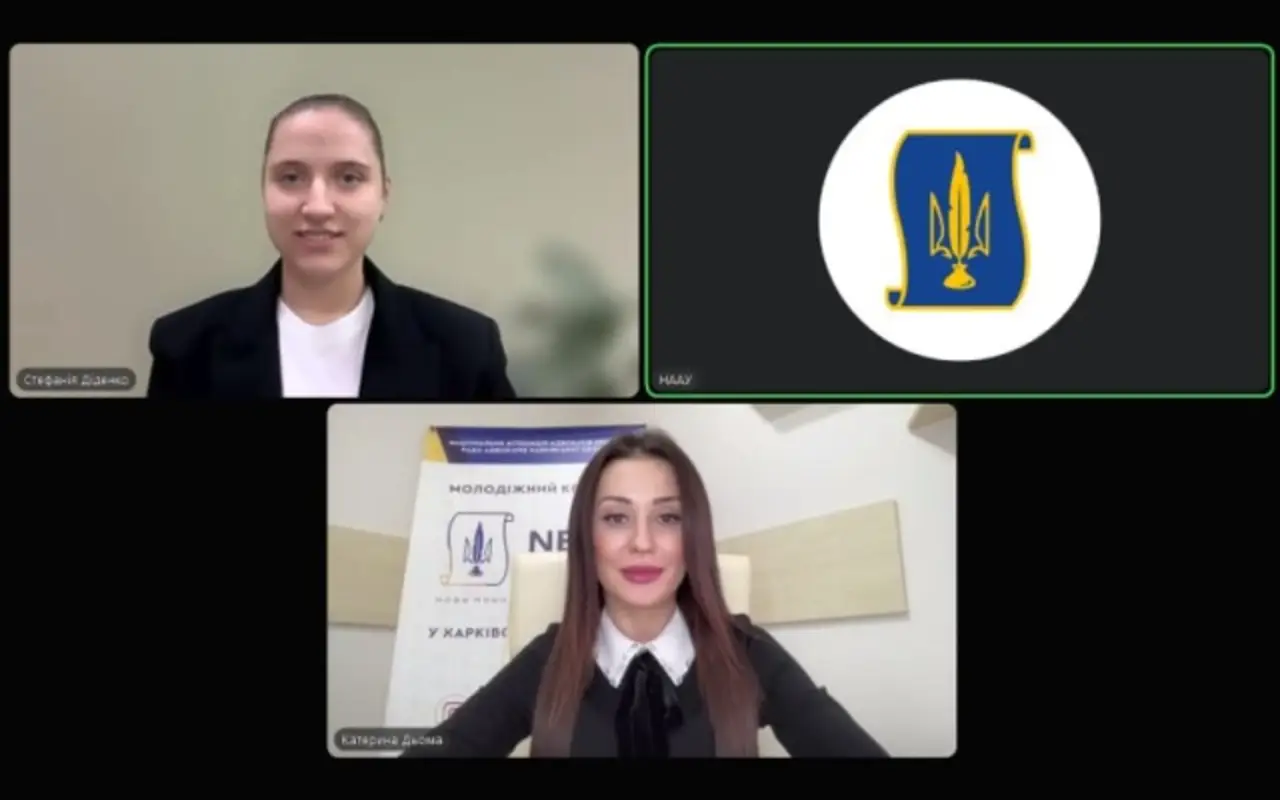
This topic was discussed during the webinar «The art of business etiquette: how to build an impeccable image and conduct effective negotiations». The event took place on October 13 at the initiative of the UNBA NextGen in the Kharkiv region. The speaker was an expert on diplomatic etiquette, protocol and public representation Stefania Didenko. The meeting was moderated by the Committee’s regional representative Kateryna Dyoma.
A webinar participant asked how to handle a situation where a client suggests meeting at a café. The speaker replied that even on neutral ground, the person who arranges the space in advance can take on the role of host. She advised arriving 15–20 minutes early and choosing a table in a corner or alcove. It should be away from the entrance, the cash register, the restroom, and a noisy coffee machine.
S. Didenko recommended that the client suggest a seat facing the room or a nice view so that he feels comfortable, while the advocate herself should sit with her back to the main flow of visitors. As she explained, this is how an advocate shows respect for the person she is speaking with. At the same time, this shields working materials and the screen of a laptop or tablet from prying eyes.
Public spaces, the speaker emphasized, pose a risk of information leaks. Therefore, in a café, one should avoid mentioning surnames, specific amounts, or company names out loud. It is better to replace them with neutral phrases such as «in our case» or «the other side». If a client begins to delve into sensitive details, they should be gently stopped. These nuances are best discussed in a secure setting, while at the table, the focus should remain on the overall strategy.
The speaker advised ordering items that won’t distract from the conversation or pose a risk to clothing or documents: coffee, tea, or water. It’s best to avoid full meals unless a business lunch has been arranged in advance. The relaxed atmosphere of a café blurs the boundaries of the meeting. Therefore, she suggested setting clear boundaries from the start: for example, stating that you have about 40 minutes and plan to go over the key documents during that time.
According to S. Didenko, the conversation itself should be prepared in advance. You need to define the goal, as well as the desired and minimum acceptable outcomes. At the end of the meeting, it’s a good idea to summarize the agreements out loud: who does what and by when. Ending the conversation politely is helped by a phrase that specifies the next concrete step. «Thank you, I’ve received all the necessary information. I’ll get back to you with a proposal by Friday», - the speaker cited as an example from her own experience.
Within 24 hours of the meeting, you should send a follow-up email summarizing the discussion. Such an email, she explained, helps keep everyone on track and clears up any differences in interpretation.
Previously, UNBA NextGen speakers explained why the highest degree of formality is appropriate for an advocate in court and discussed how eye contact, pauses, and cell phone use affect a client’s trust. Advocates were also given advice on what to do when a client is under severe stress.
Popular news

Legislation
Proceedings against military personnel following AWOL require clear deadlines — UNBA
A soldier’s return to duty after AWOL does not necessarily mean the end of criminal proceedings. To ensure that the case does not remain at the pretrial investigation stage, a clear procedure for the investigator and prosecutor is required.
Guarantees of the practice of law
Guarantees for advocacy without protective measures: proposed changes to the codes
The current law sets forth the rights and guarantees of the legal profession, but lacks the tools to protect them. The future law on advocacy is intended to fill this gap through amendments to criminal, administrative and procedural legislation.
Legislation
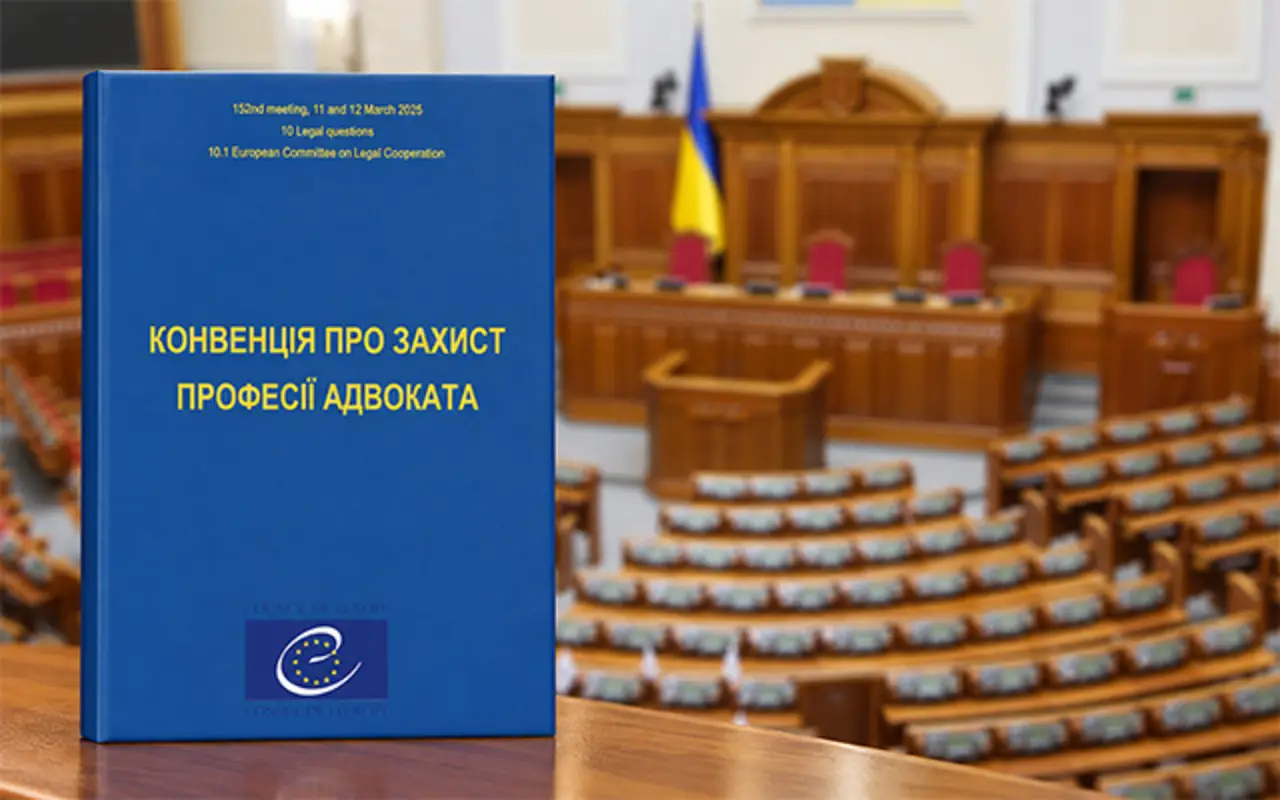
A bill implementing the Convention on the Protection of the Professions of Lawyer has been introduced
The constitutional guarantees of legal aid, defense, and the independence of advocacy cannot be realized without protecting advocates from unwarranted interference in their professional activities, including searches, the seizure of professional materials and the use of criminal procedural mechanisms to exert pressure.
Discussion
War-related business losses: from documenting damage to seeking sources of compensation
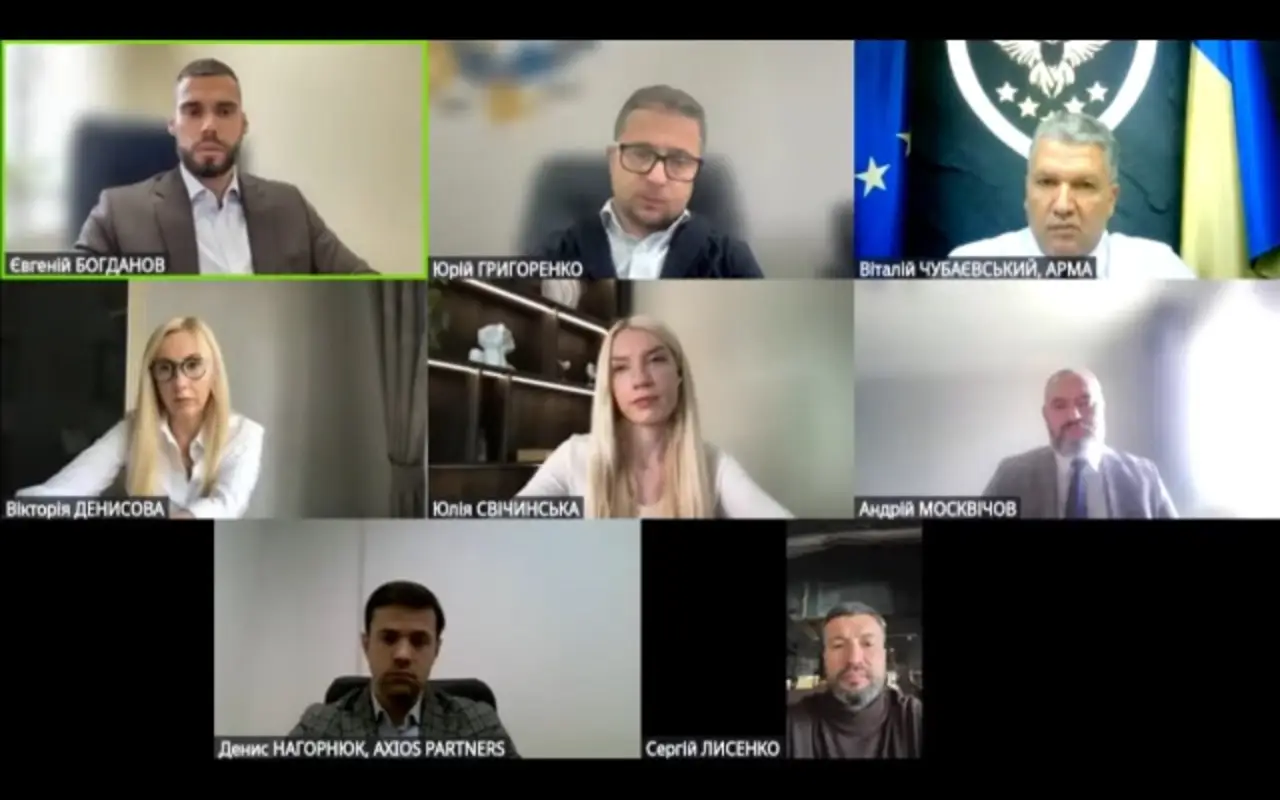
How can businesses document war-related losses without losing evidence during the recovery process? What does an insurance policy actually cover, and where can assets be found for recovery? These are the questions facing businesses for which a court ruling does not yet mean actual compensation.
Abroad
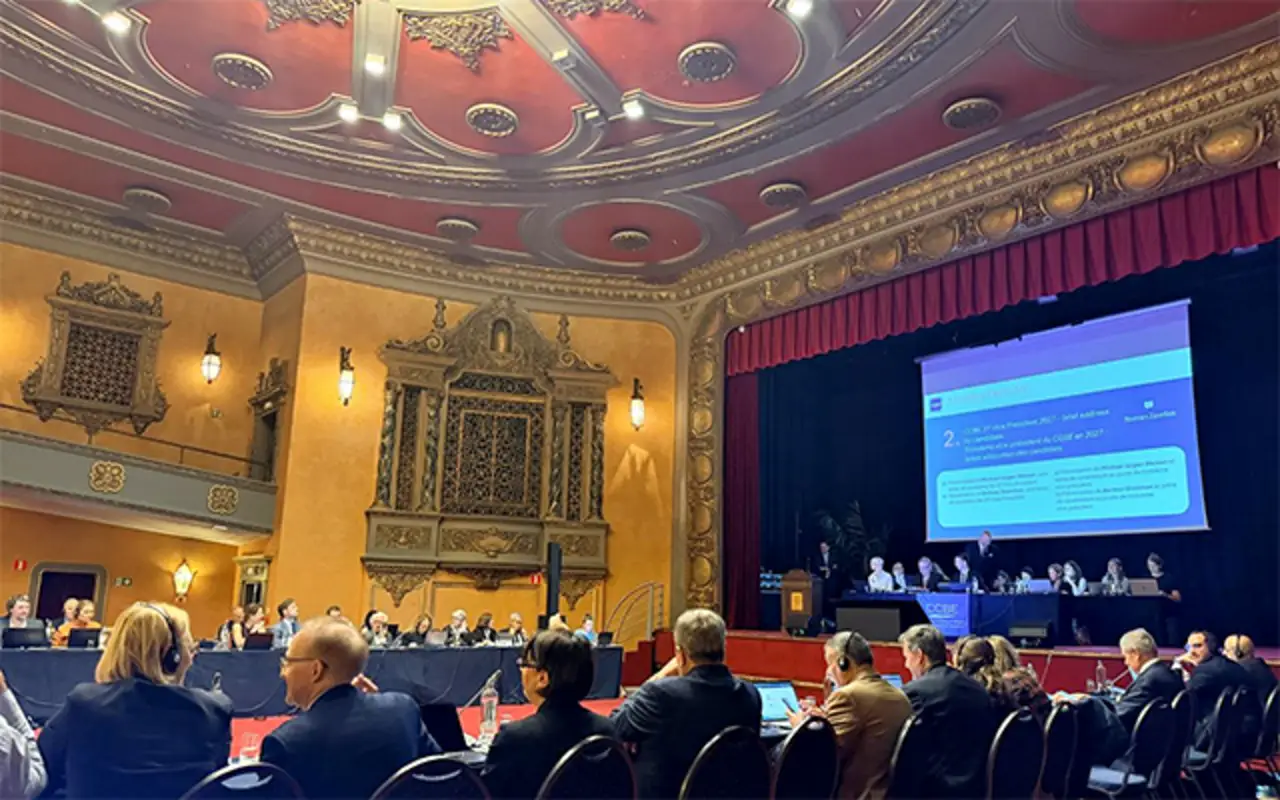
The CCBE is discussing European justice and issues related to the protection of advocates
Today, October 2, a meeting of the Standing Committee of the Council of Bars and Law Societies of Europe (CCBE) is taking place in Brussels. On the agenda are the protection of the advocate profession, the rule of law, attorney-client privilege, and changes in the European justice system.
Rule of Law Roadmap
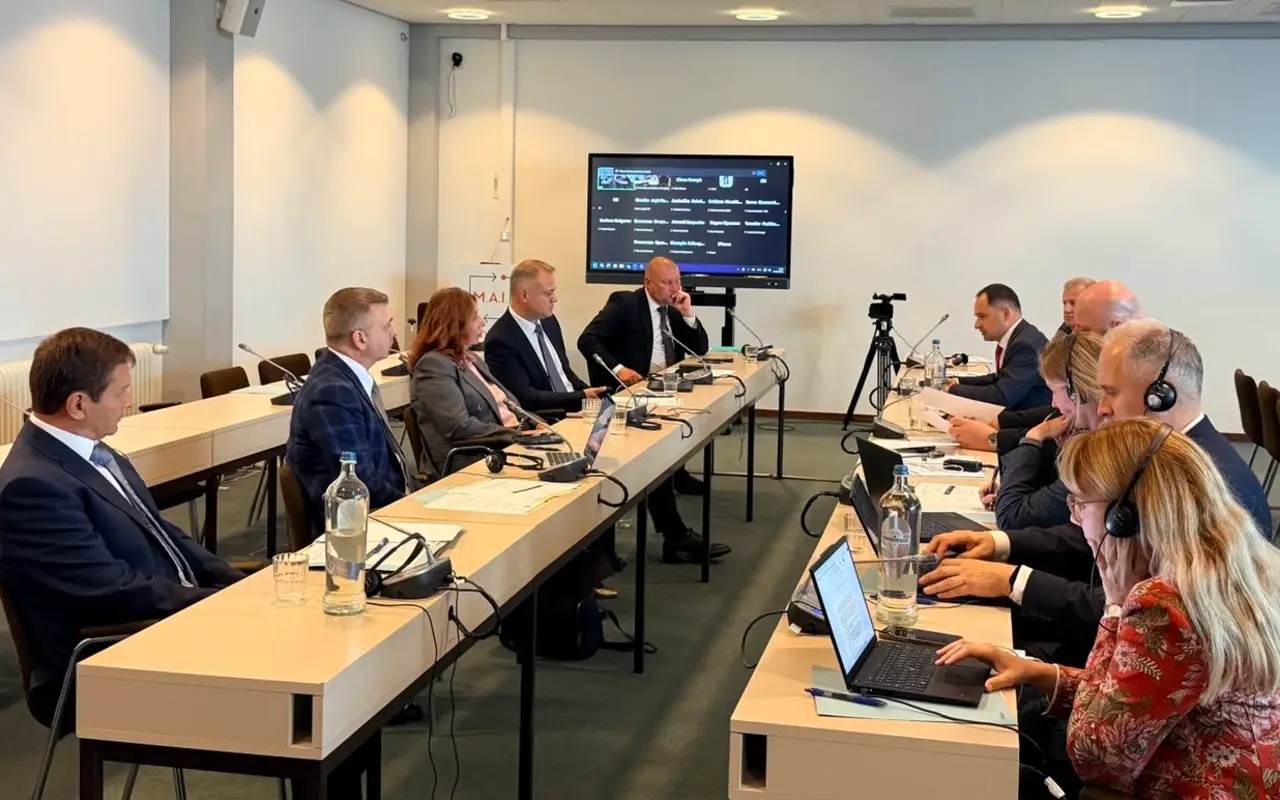
The UNBA presented the key provisions of the future law on advocacy in Brussels
The Ukrainian National Bar Association presented its proposals for the upcoming law on advocacy, aligned with the Rule of Law Roadmap. The presentation covered topics such as access to the profession, self-governance, disciplinary procedures, professional development and guarantees for the practice of advocacy.

Discussion
First the return of assets, then subsidiary liability — an opinion
In bankruptcy cases, the legal entity’s ability to preserve and restore the financial foundation of its operations requires legal protection. In this regard, the right to solvency in which the legal entity is the aggrieved party should be an independent object of legal protection.

Educational events
Advocates were taught to voice their complaints without making accusations
In a difficult conversation, it’s easy to confuse facts with opinions, feelings with accusations, and requests with demands. How can you express dissatisfaction, explain your own needs, and propose a specific solution while still allowing your conversation partner the opportunity to refuse or suggest an alternative?
Publications

Vasyl Kolishnyi, «Law and Business» Supporting mental health should become part of the professional culture of the Bar, - H. Udovenko

Volodymyr Matsko Extradition during wartime: when the risks outweigh the request

Volodymyr Matsko Extradition as a systemic form of rights violations

Victoria Yakusha, Law and Business The anti-corruption vertical cannot «take care» of the Bar as an institution, - acting head of the HQDCB

Censor.net Protecting advocates – protecting justice: addressing concerns about the new law

Ihor Kolesnykov A BRIEF SUMMARY REGARDING THE APPLICATION OF THE ORDER ON EXTENDED CONFISCATION IN LATVIA REGARDING FINANCIAL ASSETS OF…

Valentyn Gvozdiy WORKING IN A WAR ZONE

Lydia Izovitova Formula of perfection

