






The SC has clarified the different ways to respond to a lawyer's request that is ignored

If there is no response to an advocate’s request, the advocate has the right to file a petition with the Bar Association to hold the person administratively liable. An advocate may challenge the failure to provide information necessary for the provision of legal assistance on behalf of the client, rather than in their own name.
These conclusions were reached by the Administrative Court of Cassation of the Supreme Court in Case No. 320/30984/25.
An advocate sent a lawyer’s request in connection with providing legal assistance to a client. Having received no response within the time limit established by law, she filed a petition with the administrative court in her own name, seeking a ruling that the respondent’s inaction was unlawful and an order requiring the provision of the requested information and documents. The court of first instance refused to open proceedings and the appellate court upheld the ruling.
The Supreme Court noted (ruling of July 17, 2026) that the Law «On advocacy and the practice of law» provides for liability for refusing to provide information in response to a lawyer’s request, for providing it late or incompletely, as well as for providing information that is untrue, except in cases of refusal to provide information with restricted access.
Administrative liability for such actions is established by Article 212-3 of the Code of Administrative Offenses. The procedure, approved by Decision No. 238 of the Bar Council of Ukraine dated November 19, 2013, defines the preparation of materials regarding administrative offenses and their submission to court.
Thus, it is precisely Article 212-3 of the Code of Administrative Offenses (a specific legal provision) that establishes the procedure for protecting an advocate’s right to obtain information in response to an advocate’s request, a procedure which the plaintiff did not utilize. Upon filing a complaint with the relevant Bar Council and the drafting of a protocol, the materials are submitted to the court for consideration.
At the same time, the Supreme Court noted that the information was necessary to provide legal assistance to a client, whereas the advocate filed the lawsuit on her own behalf. Under these circumstances, the Court concluded that the plaintiff’s rights had not been violated.
An advocate has the right to challenge inaction in the interests of a client. If there is no response to an advocate’s request, the advocate may apply to the bar association to bring the relevant person to administrative liability.
The ruling also cites the position of the courts, according to which a party to a case who is unable to independently obtain the evidence necessary for its consideration may file a motion to compel the production of such evidence.
Popular news
Legal defence of military personnel
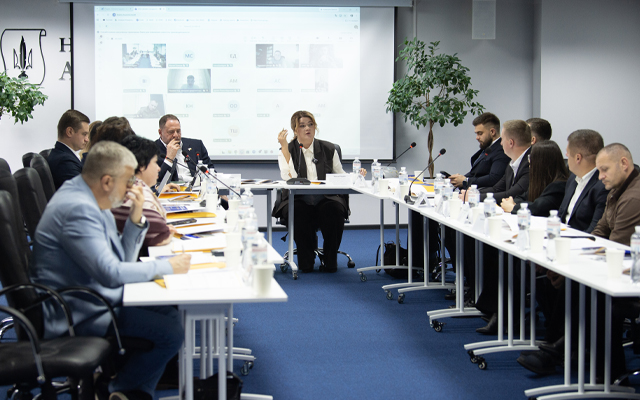
Guarantees in the event of detention and procedures for military personnel: recommendations from the UNBA Committee
Most often, military personnel turn to advocates regarding frozen bank accounts and delays in discharge. Step-by-step procedures have been prepared for such situations. A guide on one-time financial assistance has been provided for the families of those killed in action. And the new regulations governing the stay of mobilized individuals at TCCs require changes regarding guarantees of communication with an advocate.
Rule of Law Roadmap
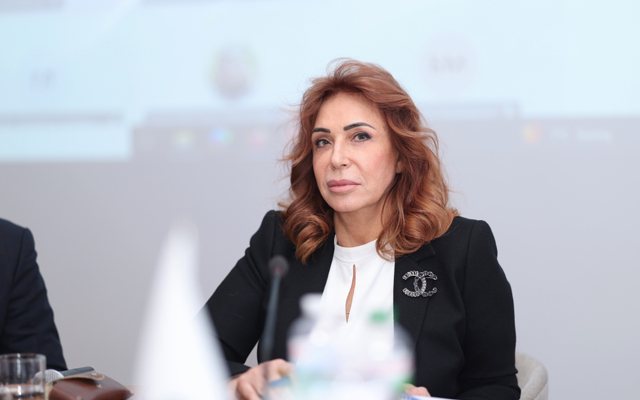
Lidiya Izovitova: reform of the advocacy profession should make the profession stronger and individuals better protected
The Ukrainian advocacy community is finalizing work on a new version of the relevant law. The roadmap on the rule of law has set the fourth quarter of 2026 as the deadline for achieving results in this area. The draft is intended to ensure safeguards for the practice of law through mechanisms of accountability for violations.
Abroad
The first country to ratify the Convention on the Protection of the Professions of Lawyer
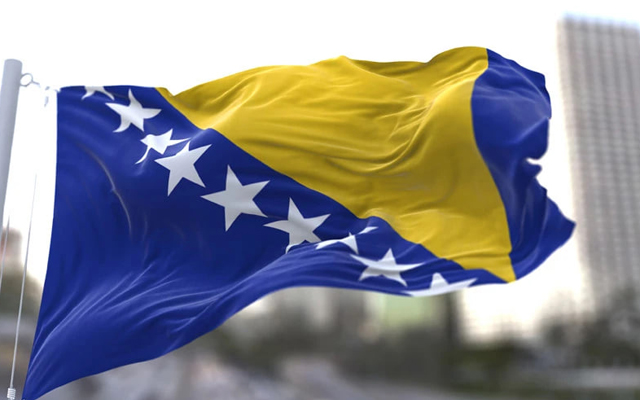
Bosnia and Herzegovina became the first country to ratify the Council of Europe Convention on the Protection of the Professions of Lawyer (CETS No. 226). The country signed the Convention on March 17, 2026, so it took just over seven months to ratify it.
Legislation
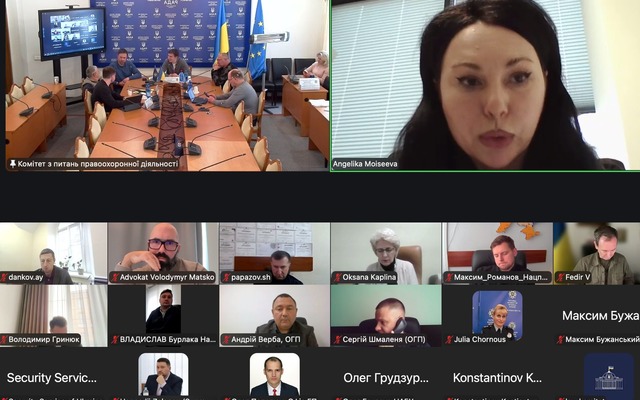
An emergency search without a warrant? What changes are advocates proposing to the CPC
The Verkhovna Rada is preparing a consolidated draft of amendments to the Criminal Procedure Code regarding searches in urgent cases without a prior ruling by an investigating judge. The UNBA insists that judicial oversight following such a search must be effective, and that homeowners must be full participants in the procedure.
Discussion
Seizure does not mean return: how to get an exchange to return stolen crypto assets
In cases involving cryptocurrency theft, the assets move faster than the criminal proceedings, so it is best to first freeze and seize them, and only then identify the perpetrator. However, even a seizure will not recover the funds unless the court order specifies exactly what the exchange or issuer must do.
Support
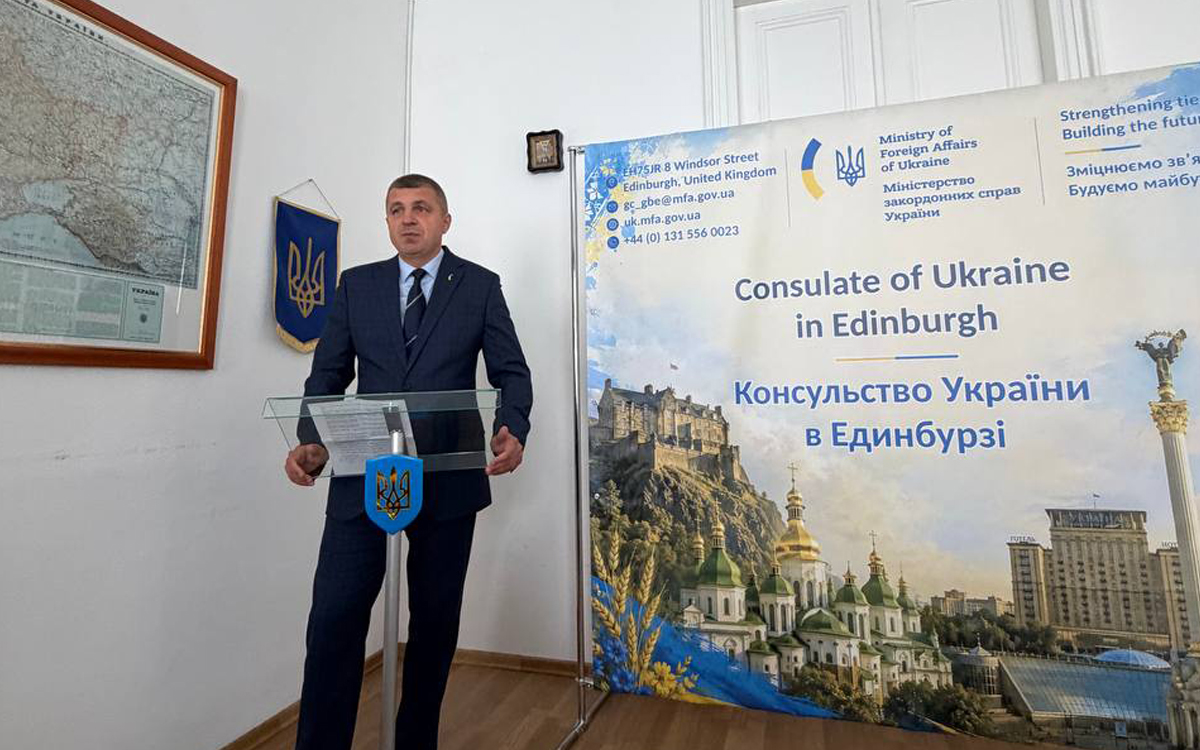
In Edinburgh expressed gratitude to those who are helping Ukrainian advocates and citizens
Since the start of the full-scale invasion, Scottish legal institutions and the Ukrainian community, with the participation of the UNBA, have been helping Ukrainian advocates obtain their qualifications and Ukrainians receive legal assistance. The parties are now planning joint professional and educational events.
Educational events
What to do when you need immediate protection in the LCIA
A dispute with a counterparty has been referred to the London Court of International Arbitration (LCIA), but it will take several weeks to appoint the arbitrators, and the client needs legal representation immediately? This can be achieved through an emergency arbitrator or expedited tribunal formation.
Educational events
An advocate's meeting with a client outside the office: how to conduct it without giving away too much
If a client suggests meeting in a public place, keep in mind that any name or amount mentioned aloud could be overheard by bystanders. Therefore, it’s important to plan ahead regarding the table, seating arrangements, and the scope of the conversation.
Publications

Vasyl Kolishnyi, «Law and Business» Supporting mental health should become part of the professional culture of the Bar, - H. Udovenko

Volodymyr Matsko Extradition during wartime: when the risks outweigh the request

Volodymyr Matsko Extradition as a systemic form of rights violations

Victoria Yakusha, Law and Business The anti-corruption vertical cannot «take care» of the Bar as an institution, - acting head of the HQDCB

Censor.net Protecting advocates – protecting justice: addressing concerns about the new law

Ihor Kolesnykov A BRIEF SUMMARY REGARDING THE APPLICATION OF THE ORDER ON EXTENDED CONFISCATION IN LATVIA REGARDING FINANCIAL ASSETS OF…

Valentyn Gvozdiy WORKING IN A WAR ZONE

Lydia Izovitova Formula of perfection

