


Medical care, veterans' benefits and legal assistance: what changes are needed to protect service members
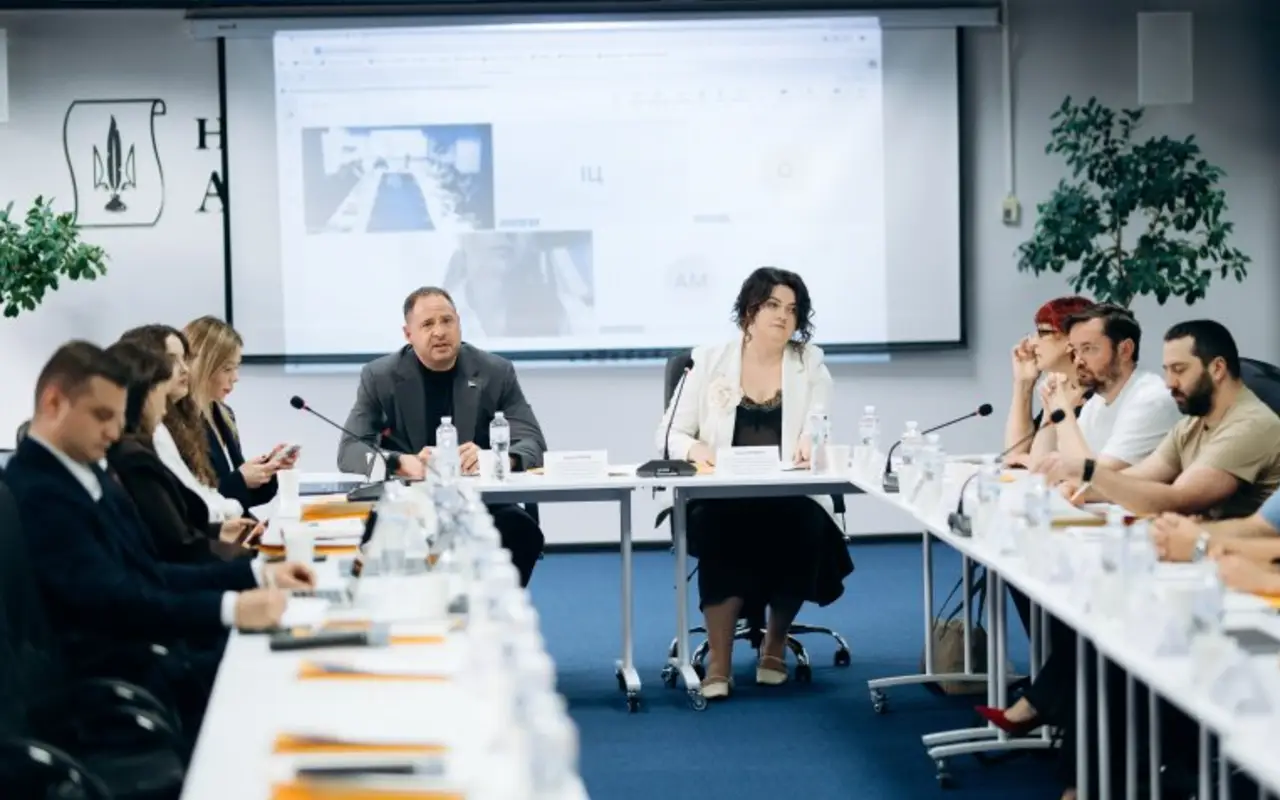
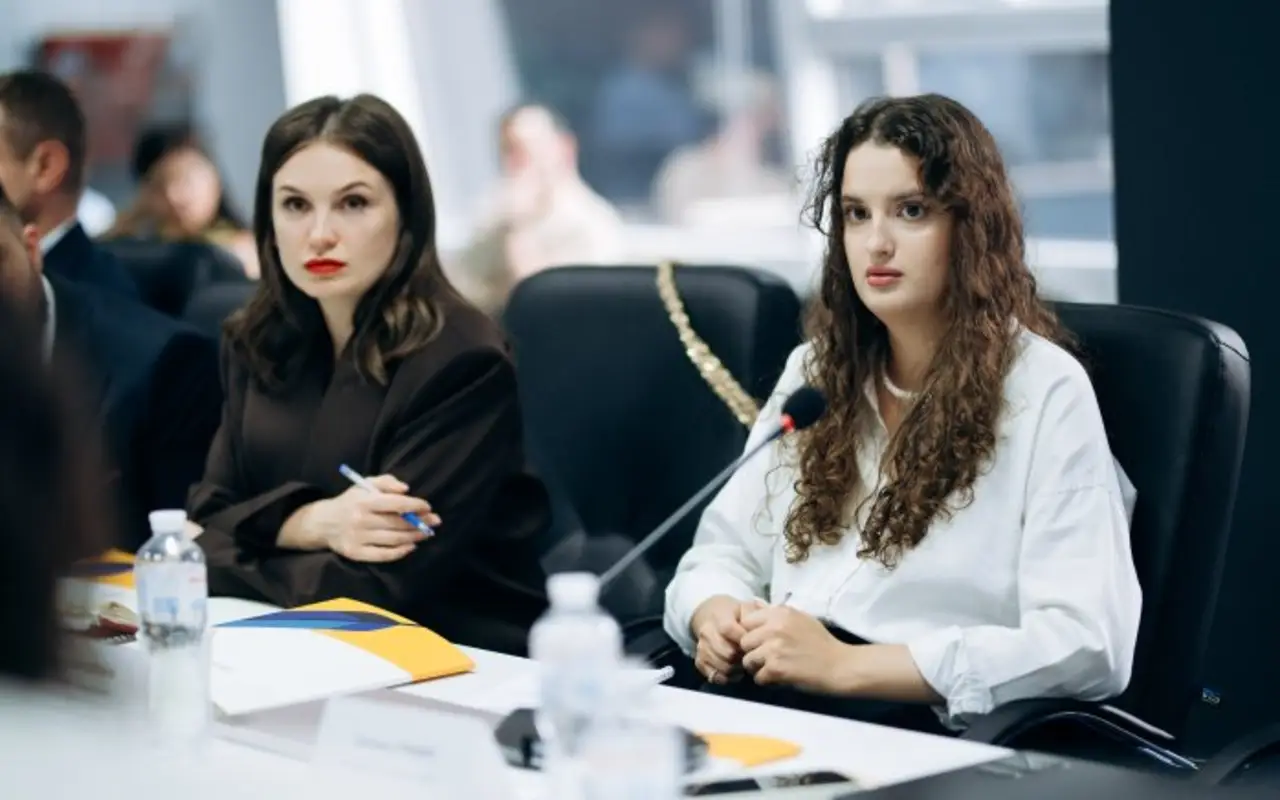
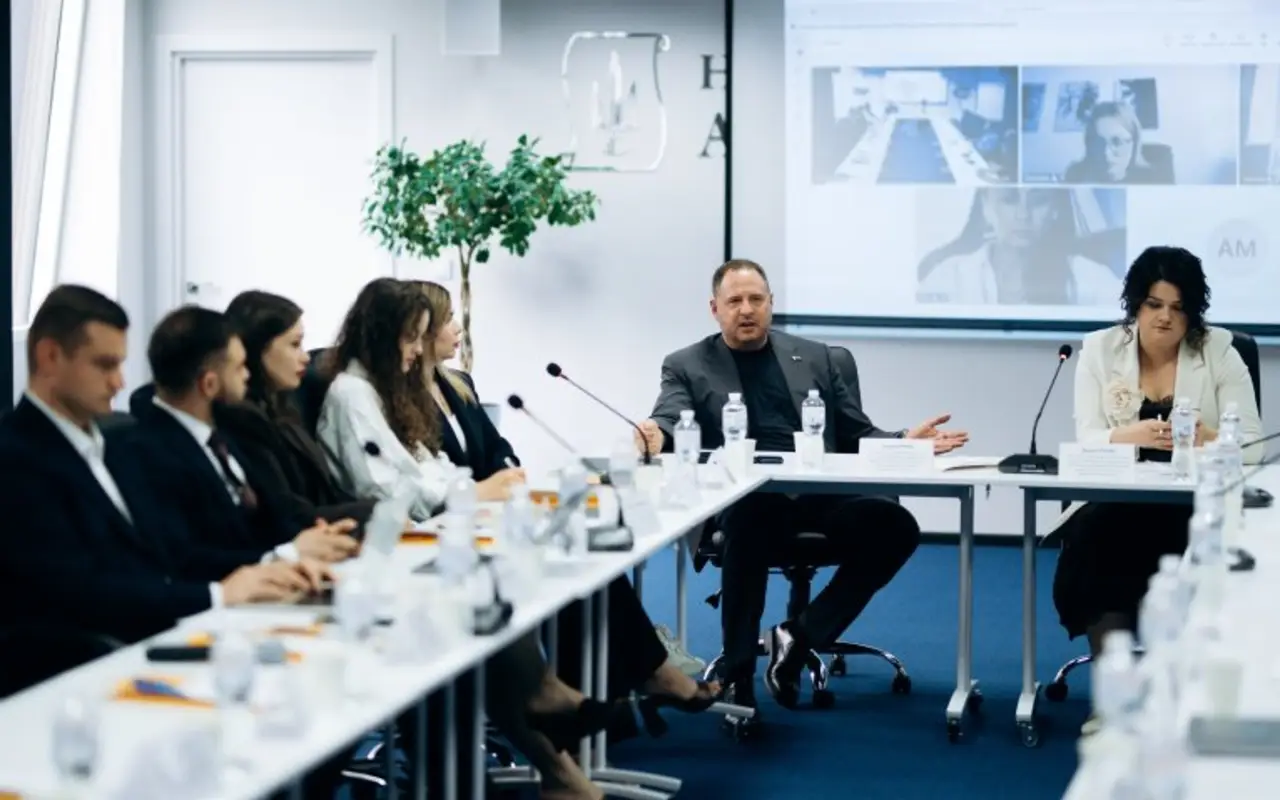
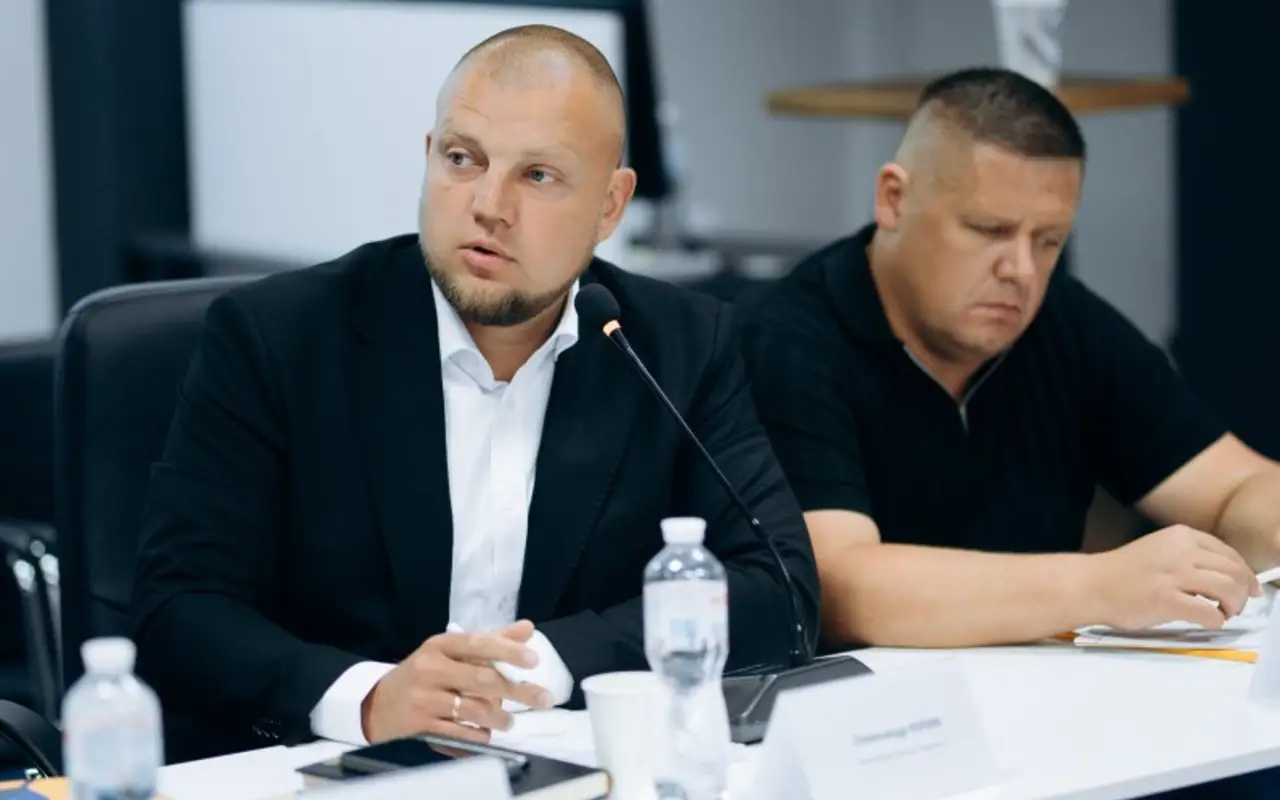
The consequences of torture and illnesses suffered by Ukrainian servicemembers while in captivity are not always properly documented or taken into account when providing social benefits. Therefore, a medical examination is crucial during the reintegration phase; it is also necessary for documenting war crimes.
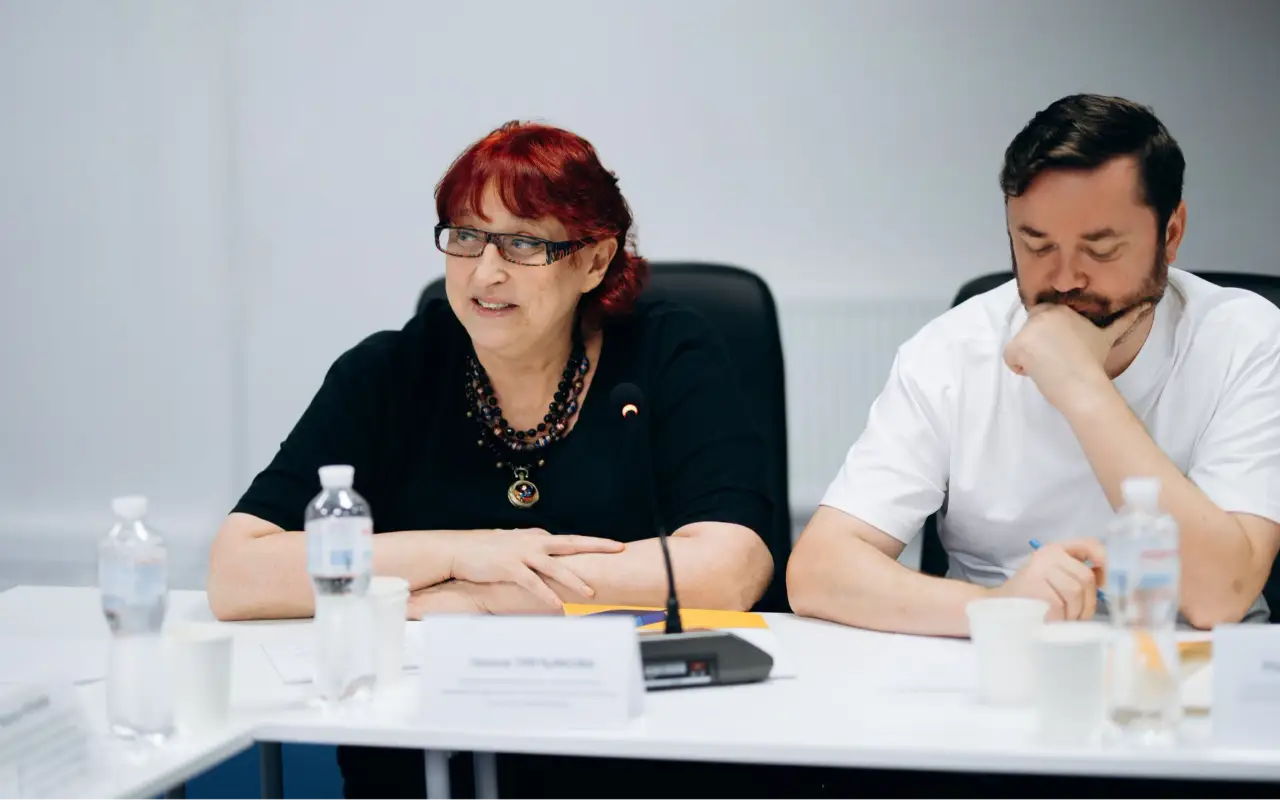
Issues related to medical, social and legal support for service members released from captivity, veterans and their families were discussed on August 5 during a meeting of the UNBA Committee on the protection of victims of armed aggression against Ukraine, compensation mechanisms and European integration legal support for recovery within the Context of European Integration. Servicemembers and their family members, as well as representatives of civil society, parliament, and the Office of the Military Ombudsman, participated in the discussion.
The meeting was chaired by Committee chairman Andriy Yermak, who reported that the Ministry of Defense’s Department of Health had endorsed a previously proposed recommendation to equate illnesses contracted in captivity with battlefield injuries. Work on a final resolution of the issue will continue.
A. Yermak noted that upon returning from captivity, people face various legal issues, yet no unified procedure for assisting them has been established. In particular, a released servicemember may need an advocate, but access to legal aid and its quality are not always guaranteed.
The chairman of the «Stalevi» Charitable Foundation Tetyana Kharko explained that the foundation operates in three areas: assisting military personnel, drawing attention to the problems of prisoners of war, and providing medical support to the wounded and those released from captivity. The foundation is also approached by people awaiting the return of their loved ones. According to her observations, not all Ukrainian specialists including doctors who deal with military-related issues take into account the psychological state of people after captivity. She cited an example where, during a medical procedure, a servicemember was not warned about the use of an electric shock, which caused him to have a traumatic reaction.
A representative of the Foundation Anastasia Savova confirmed the existence of this problem; in her view, an initial examination and a comprehensive medical evaluation of the individual during the reintegration phase should be a priority. Those released from captivity may require dental and hearing prosthetics, surgeries, and long-term treatment, but due to their traumatic experiences, they do not always seek help on their own.
The results of the medical examination must be documented as evidence of the consequences of war crimes committed in places of detention. Comprehensive information on their health status may be required to file individual cases abroad and to resolve issues regarding interim reparations.
Military lawyer Pavlo Bersan drew attention to the differences in the legal status of military personnel who have sustained injuries, trauma, or illnesses. He noted that such cases were not included among the grounds for additional compensation in Cabinet of Ministers Resolution No. 168 of February 28, 2022, «On certain payments to military personnel, enlisted personnel and officers, police officers and their families during martial law».
Receipt of payments after release from captivity depends, in particular, on passing a medical examination and establishing the need for long-term treatment. At the same time, the medical examination board’s practice regarding establishing a link between injuries and illnesses and the defense of the homeland varies.
P. Bersan also raised the issue of counting time spent in captivity toward years of service. Currently, this period is accounted for in the calendar calculation; however, there is no provision for a preferential coefficient similar to that applied for participation in combat operations.
The chairman of the Verkhovna Rada Committee on social policy and the protection of veterans’ rights Galina Tretyakova explained that to resolve this issue, it must be clearly defined and a specific text of legislative amendments must be drafted. The issue of preferential service time for military personnel who were held captive can be addressed through a separate bill or through amendments to another bill. The MP also drew attention to the need to develop treatment protocols for the consequences of torture. After all, existing protocols for treating combat injuries do not cover all the consequences that those released from captivity face upon their return.
The director of the Legal Support Department of the Office of the Military Ombudsman Oleksandr Pashinin reported that representatives of the Office regularly conduct monitoring visits to reintegration centers. Experts with experience working with those released from captivity are already preparing recommendations for professionals involved in providing psychological assistance. Based on the results of the planned event, these recommendations are expected to become part of the psychological assistance program. At the same time, a representative of the Military Ombudsman expressed a willingness to develop proposals regarding preferential military service terms.
The chairman of the Subcommittee on the restoration of state authority and local self-government in the temporarily occupied territories of the Verkhovna Rada Committee on the organization of state authority, local self-government, regional development and urban planning Tamila Tasheva drew attention to the need for legal assistance for civilian hostages and political prisoners. According to her, more than 300 people are being held for political reasons, half of whom are Crimean Tatars.
Among the issues requiring legal support, she cited the inclusion of information about captives in the relevant lists, the transmission of information to the center for the release of captives, and the confirmation in court of the fact that a person is being held captive. In the event of death, it may be necessary to establish the relevant legal fact. There are also plans to identify specific amendments to the legislation needed to assist this category of citizens and their families.
The head of the Lviv Regional Military Administration Maksym Kozytskyi reported that in the first half of the year alone, the regional family support headquarters received approximately 4,500 requests. A significant portion of these requests involves legal issues.
Coordination centers operate in each of the seven district administrations, and their representatives travel to 73 communities alongside lawyers, psychologists, and staff from other services. M. Kozytskyi proposed involving lawyers in these visits, particularly on a pro bono basis.
There are also over 128 specialists providing support to veterans in the Lviv region. They are present in every community but require professional information about changes in legislation to better advise veterans and their families. A rehabilitation program is available for veterans who are residents of the region, which allows them to undergo rehabilitation together with their families.
Another segment of the meeting focused on vehicles imported for military use. A member of the Verkhovna Rada Committee on finance, tax and customs policy Marian Zablotsky explained that used vehicles are primarily purchased abroad and registered as humanitarian aid due to the high rates of excise tax, VAT, and customs duties. According to him, 76% of convictions for the illegal use of humanitarian aid involve vehicles.
At the same time, transferring a vehicle to another unit, exchanging it, or transferring it for an additional fee may also be considered illegal transactions involving humanitarian aid.
According to information the MP received from government agencies, more than 3,500 vehicles have been seized in such cases. Some of the vehicles have been sitting in impound lots for a long time or have been transferred to other units rather than those for which they were originally purchased. Therefore, M. Zablotsky proposed that advocates develop a step-by-step guide for individuals facing such fines and formulate a defense strategy for the relevant criminal proceedings.
Summing up the meeting, A. Yermak announced the continuation of the «Advocate+» project and the intention to involve advocates in working with other departments.
Popular news
Legislation
The path to ratification of the Convention must not end in yet another delay — L. Izovitova
Ukraine’s preparations for the ratification of the Council of Europe Convention on the Protection of the Professions of Lawyer have already passed key stages. Now, government institutions must submit the matter to the Verkhovna Rada for consideration. In doing so, Ukraine may complete the ratification process faster than EU member states.
Guarantees of the practice of law
Ukraine could be the first to implement a European mechanism for the protection of advocates. What’s holding it back?
Ukraine has a chance to be the first country to ratify the Council of Europe Convention on the Protection of the Professions of Lawyer. Political support for this exists, but the government’s legislative package has not yet been submitted to parliament. Meanwhile, the number of violations of advocates’ rights is on the rise.
Educational events
How can an advocate verify that work has been completed if the client refuses to sign the report?
When billing by the hour, the primary document for determining the fee may be a detailed report on the time spent by the advocate and the work performed. To prevent the client from withholding payment, the contract should specify in advance the procedure for submitting and approving such a report.
Self-government
The BCU took note of the public appeal from the HCJ
The Bar Council of Ukraine has determined that, given the current security situation, it is objectively impossible to hold, in accordance with the procedure established by the Law «On the advocacy and the practice of law», meetings of advocates, regional conferences of advocates and the Congress of Ukrainian Advocates, including for the purpose of electing two members of the High Council of Justice under the quota allocated to the Congress of Ukrainian Advocates.
War
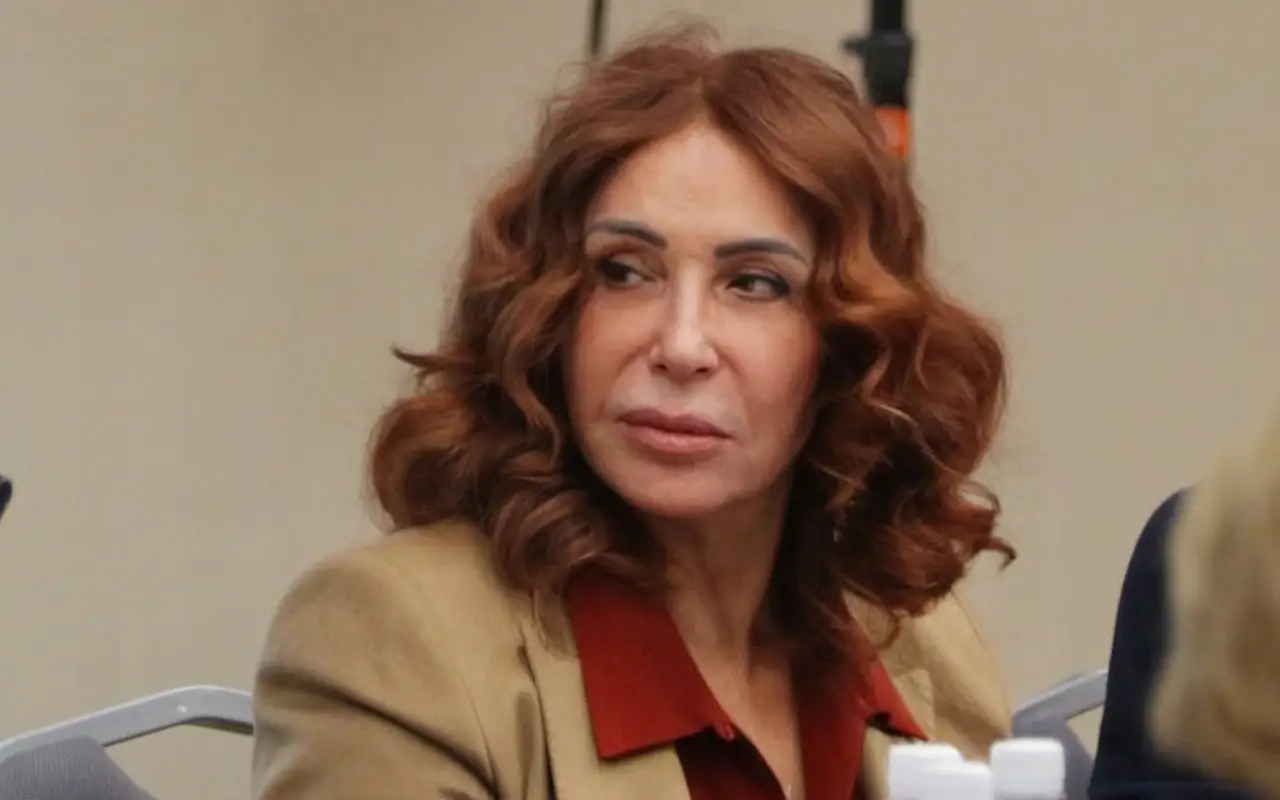
The BCU has launched a digital project «Wall of Remembrance and Honor»
The Bar Council of Ukraine has adopted a resolution to launch the digital project «Wall of Remembrance and Honor». To this end, the UNBA is beginning to collect information on advocates and paralegals who lost their lives as a result of the Russian Federation’s armed aggression against Ukraine.
Legal defence of military personnel
Medical care, veterans' benefits and legal assistance: what changes are needed to protect service members
The consequences of torture and illnesses suffered by Ukrainian servicemembers while in captivity are not always properly documented or taken into account when providing social benefits. Therefore, a medical examination is crucial during the reintegration phase; it is also necessary for documenting war crimes.
Interaction
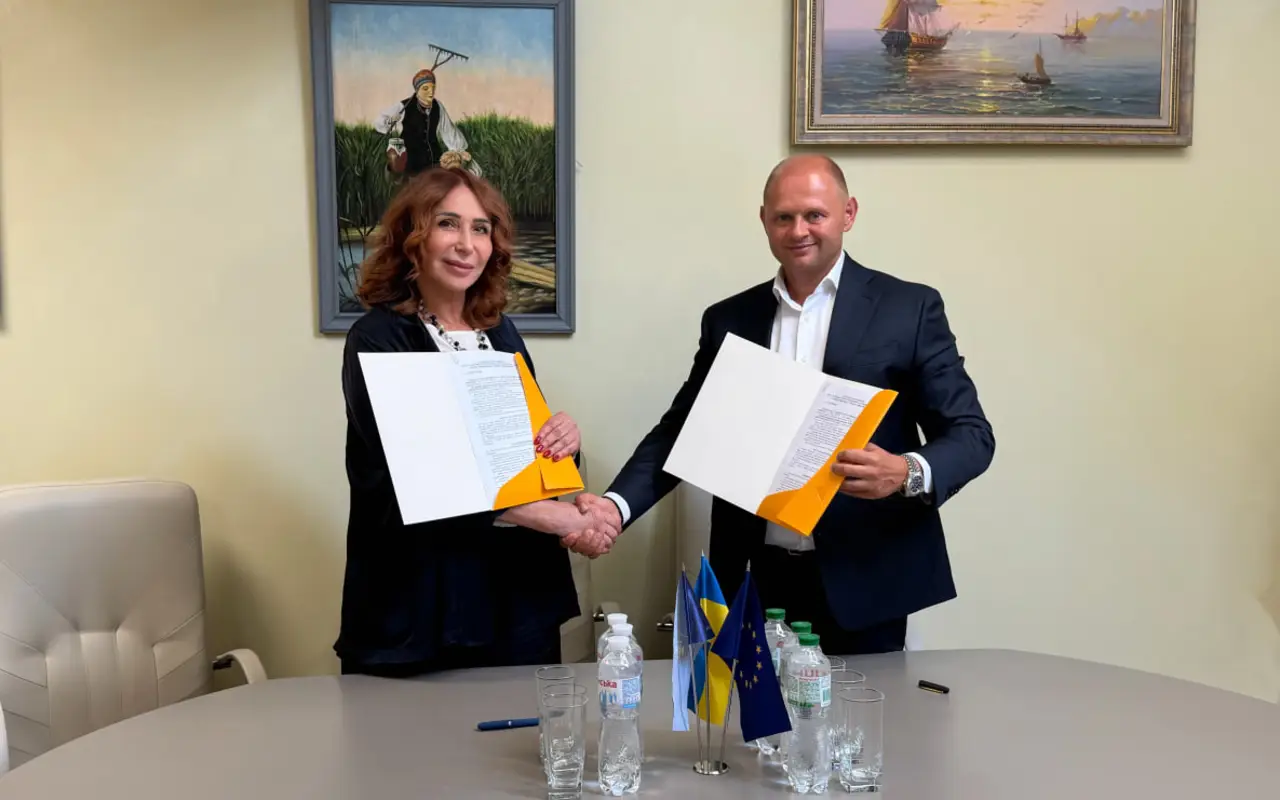
Energy law: the UNBA and the ADMGE have agreed to cooperate
Advocates will deepen their professional expertise in the field of energy law, and participants in the distributed and flexible generation market will have greater opportunities to obtain professional legal assistance.
Educational events
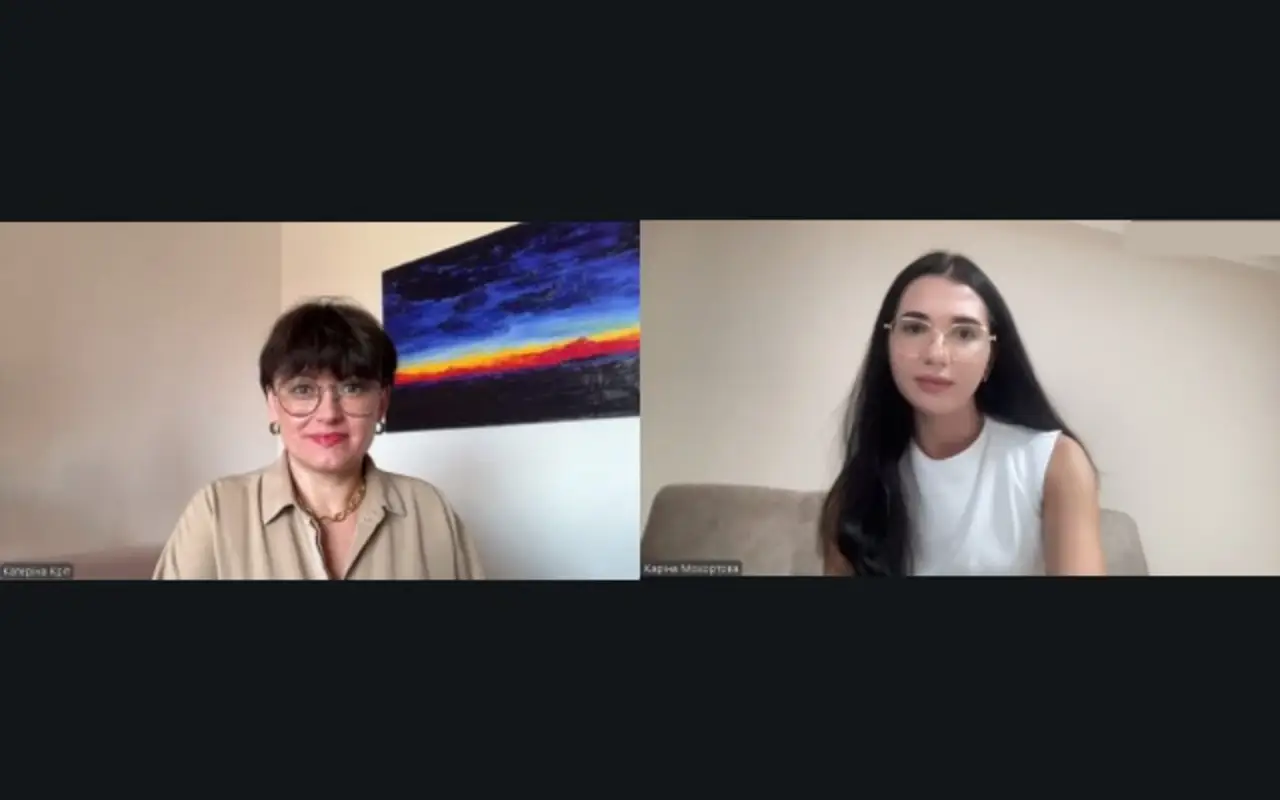
How glasses help you switch off advocate mode – a lifehack
The constant need to be available to clients, thinking about cases outside of work hours, and internalizing others’ emotions blur the line between an advocate’s professional and personal life. That is why it is important to practice switching between contexts, use external «anchors» and separate one’s own responsibilities from those of the client.
Publications

Volodymyr Matsko Extradition during wartime: when the risks outweigh the request

Volodymyr Matsko Extradition as a systemic form of rights violations

Victoria Yakusha, Law and Business The anti-corruption vertical cannot «take care» of the Bar as an institution, - acting head of the HQDCB

Censor.net Protecting advocates – protecting justice: addressing concerns about the new law

Ihor Kolesnykov A BRIEF SUMMARY REGARDING THE APPLICATION OF THE ORDER ON EXTENDED CONFISCATION IN LATVIA REGARDING FINANCIAL ASSETS OF…

Valentyn Gvozdiy WORKING IN A WAR ZONE

Lydia Izovitova Formula of perfection

Sergiy Vylkov Our judicial system is so built that courts do not trust advocates