






What should an advocate do if a client is under severe stress?
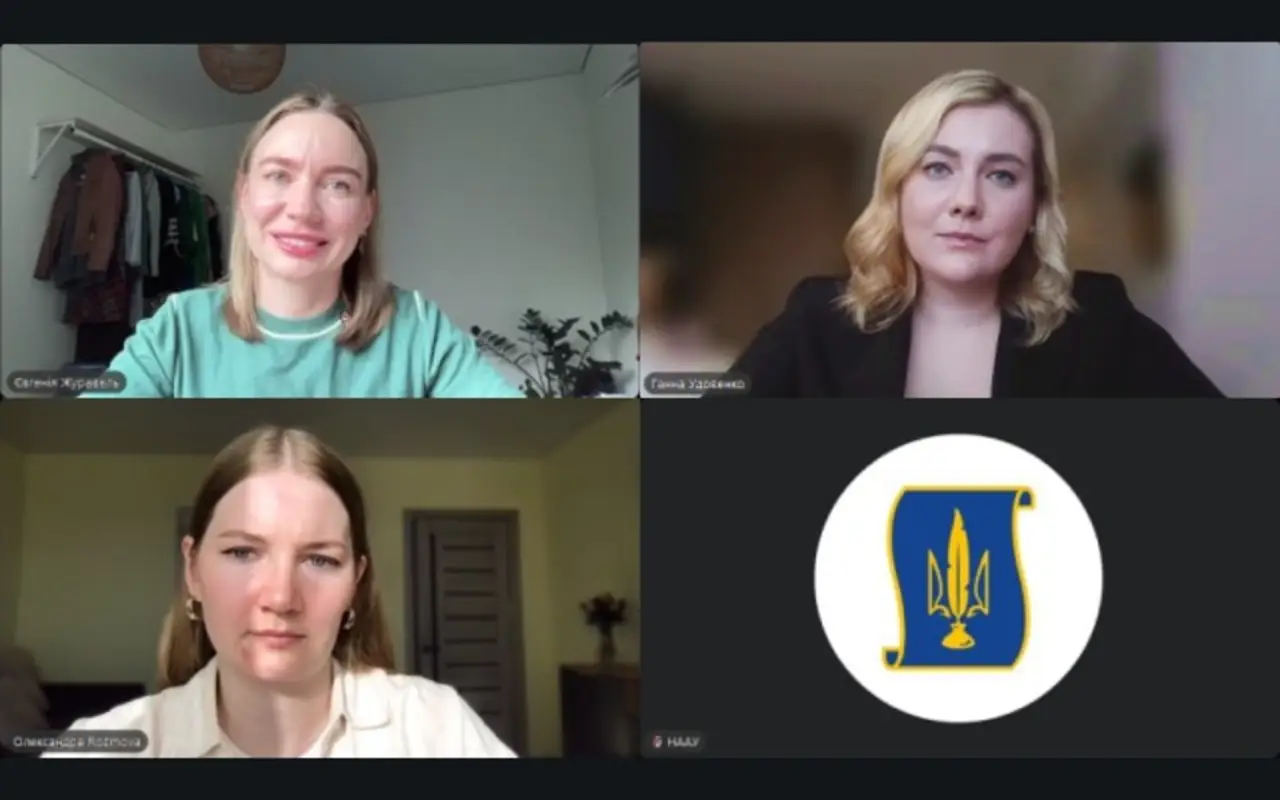
An advocate may encounter a client in a state of acute stress, when the person is looking at the other person but does not see them. Before discussing the case, it is important to bring the client back to reality: establish contact, ask a few questions, and engage their senses.
This advice for advocates was provided by psychologist, head of the psychological rehabilitation service at a recovery center for military personnel and civilians «Gart» Yevheniia Zhuravel. She spoke at the webinar «Basics of psychological first aid for adults and children», which took place on October 8. The event was held as part of the project «Supporting the mental health of Ukrainian advocates during the war», which the UNBA is implementing with the support of the International Bar Association (IBA).
According to the speaker, anyone can provide psychological first aid, just as anyone can provide first aid before medical help arrives; no special psychological training is required. Such assistance may be needed not only after shelling or an accident. It is also necessary when a person receives news of the death of a loved one. The goal of this assistance is to reduce an acute stress reaction and restore a person’s ability to act appropriately in the situation.
Y. Zhuravel listed the signs of acute stress. The person is disoriented and does not understand where they are or what is happening. They may stare blankly at the person they’re speaking with, cry or scream intensely, move erratically, tremble, be unable to exhale, or fail to comprehend even simple words. Most notably, the person’s behavior does not correspond to the situation they find themselves in. The psychologist explained that in this state, the brain is focused on survival, and the ability to think critically is suppressed. Therefore, safety must be ensured first; otherwise, the person will not be able to calm down.
You should approach the person calmly and stop at a distance that feels natural for conversation, as they will perceive rapid approach as a threat. If the person is sitting or lying down, you should get down to their level, try to make eye contact, introduce yourself, and calmly explain what happened. If the person is in a daze, the speaker advised first saying that you’re about to touch their hand, and only then touching them. You can ask them to squeeze your hand in response: this shows whether there’s a connection.
The next step is to ask questions that require some thought: where are we right now, do you have children, what day is it today? According to the psychologist, asking for their name is pointless, because people give it automatically.
Grounding techniques help stabilize a person. The first one is breathing together: raise your hand for four counts as you inhale and lower it for six counts as you exhale. A long exhale helps you relax. The second is the «5–4–3–2–1» exercise: name five objects around you, touch four different surfaces, distinguish three sounds, sense two smells, and taste one flavor. This engages all the senses, bringing the person back to the “here and now.” It’s also helpful to offer a few sips of water, but not alcohol. According to Y. Zhuravel, a few minutes of these exercises are usually enough for a person to be able to function again.
But, the speaker noted, words are secondary; what matters most is genuine presence. «I’m here, I’m close by, I’m with you. That might be enough», - the psychologist explained. She advised explaining to the person that their reaction is normal under abnormal circumstances. On the other hand, phrases like «calm down», «don’t cry», «everything will be okay» or «someone else has it worse» trivialize the person’s experience. You must not shake the person or slap them on the cheeks, as this only intensifies their sense of danger.
First psychological aid is no substitute for professional help. If a person needs a doctor or a psychologist, they should be referred to one. The psychologist advises keeping a list of such specialists on hand, including advocates whom clients in crisis turn to.
Popular news

Legislation
Proceedings against military personnel following AWOL require clear deadlines — UNBA
A soldier’s return to duty after AWOL does not necessarily mean the end of criminal proceedings. To ensure that the case does not remain at the pretrial investigation stage, a clear procedure for the investigator and prosecutor is required.

Legislation
The UNBA warned of the risk of customs barriers for Ukrainian paper and furniture
Ukraine’s anti-deforestation rules are intended to preserve export access to the EU market. However, without paper and furniture on the list of goods, without effective sanctions, and with enforcement beginning only in 2030, these rules could hinder that goal.
Guarantees of the practice of law
Guarantees for advocacy without protective measures: proposed changes to the codes
The current law sets forth the rights and guarantees of the legal profession, but lacks the tools to protect them. The future law on advocacy is intended to fill this gap through amendments to criminal, administrative and procedural legislation.
Legislation
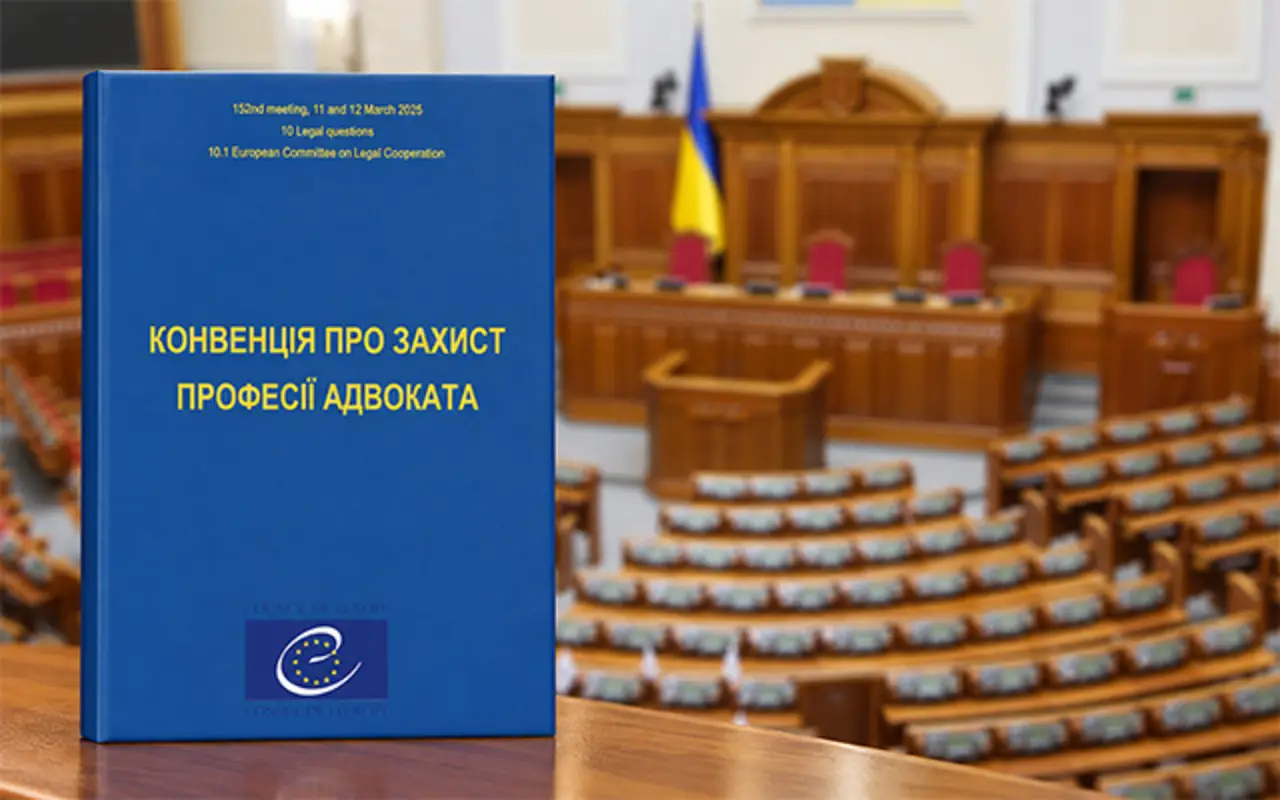
A bill implementing the Convention on the Protection of the Professions of Lawyer has been introduced
The constitutional guarantees of legal aid, defense, and the independence of advocacy cannot be realized without protecting advocates from unwarranted interference in their professional activities, including searches, the seizure of professional materials and the use of criminal procedural mechanisms to exert pressure.
Discussion
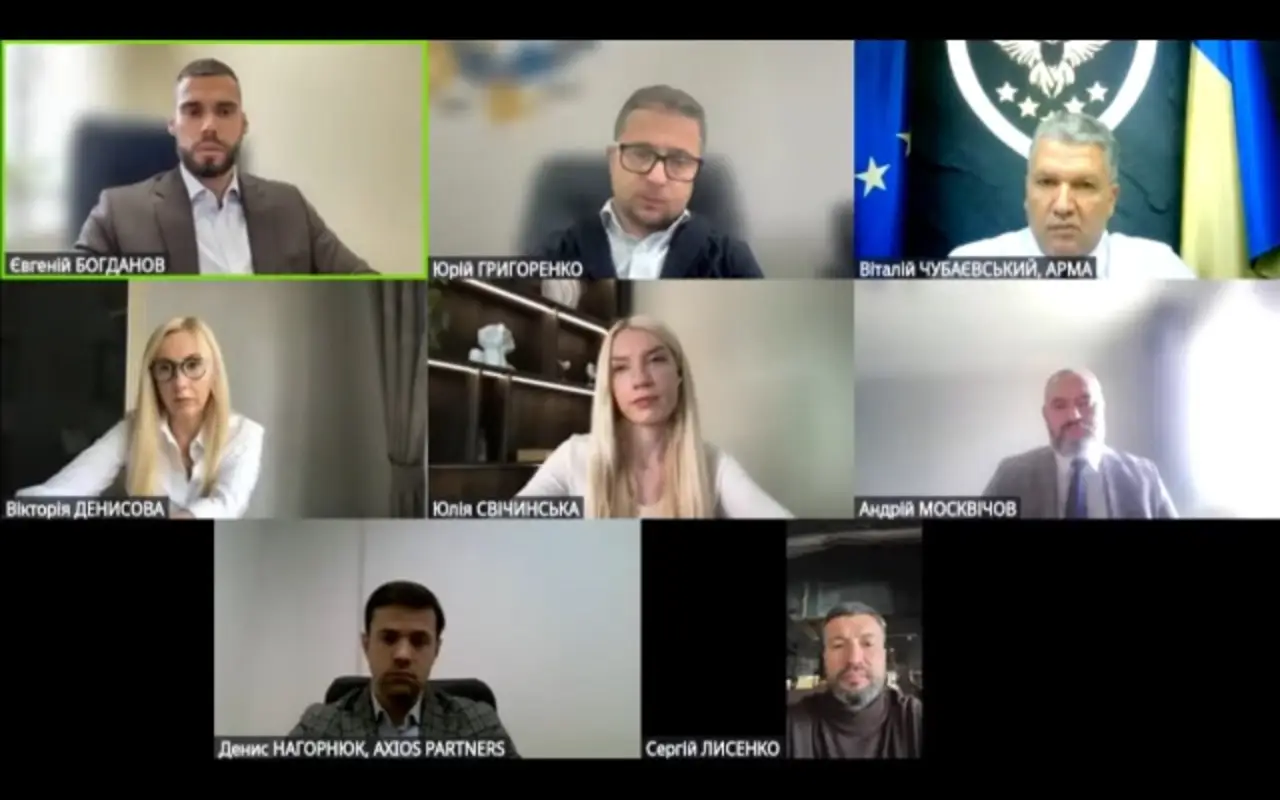
War-related business losses: from documenting damage to seeking sources of compensation
How can businesses document war-related losses without losing evidence during the recovery process? What does an insurance policy actually cover, and where can assets be found for recovery? These are the questions facing businesses for which a court ruling does not yet mean actual compensation.
Abroad
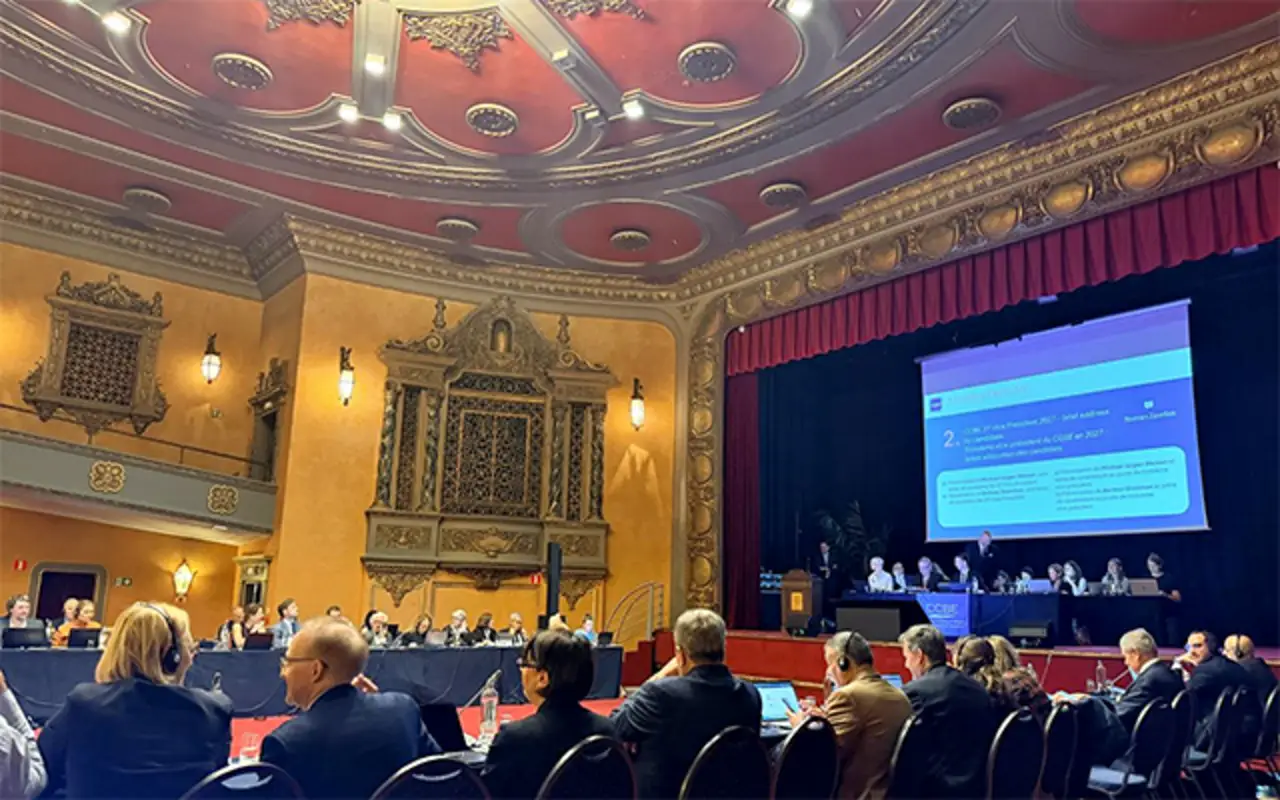
The CCBE is discussing European justice and issues related to the protection of advocates
Today, October 2, a meeting of the Standing Committee of the Council of Bars and Law Societies of Europe (CCBE) is taking place in Brussels. On the agenda are the protection of the advocate profession, the rule of law, attorney-client privilege, and changes in the European justice system.
Rule of Law Roadmap
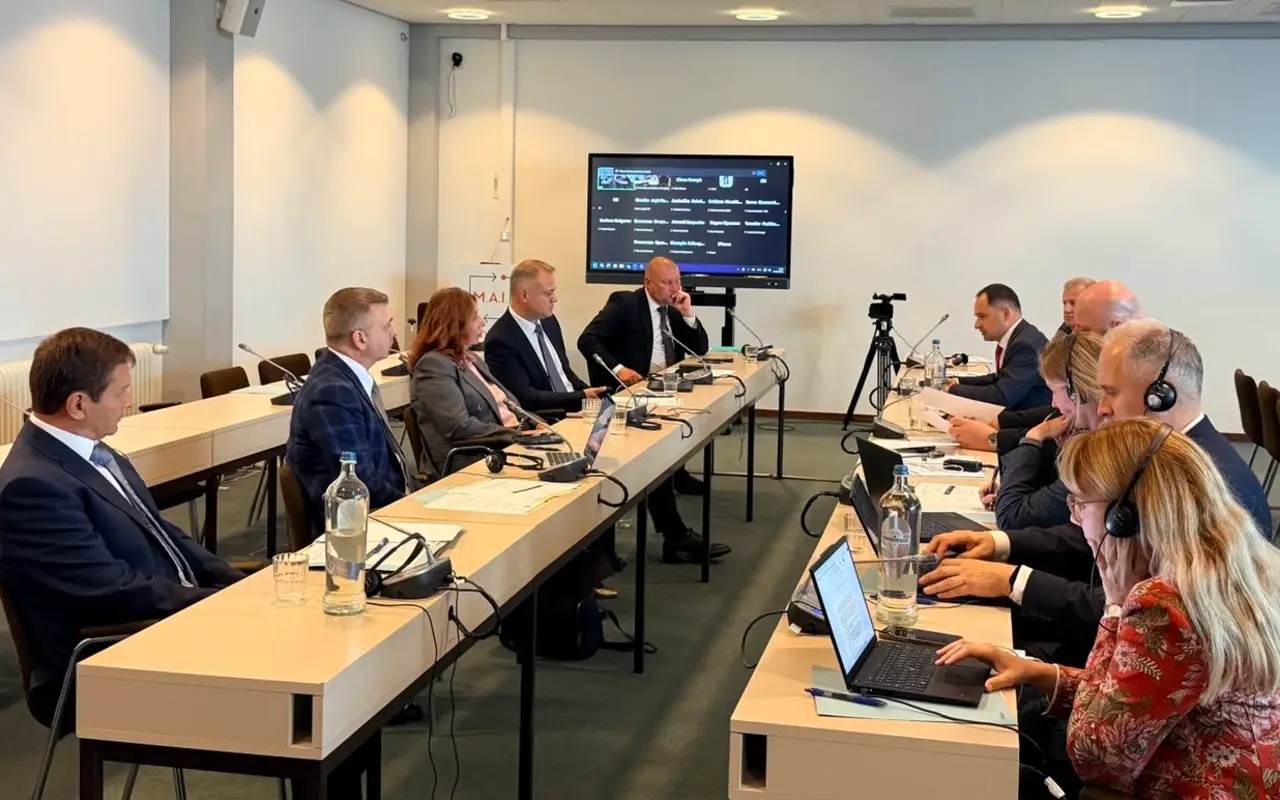
The UNBA presented the key provisions of the future law on advocacy in Brussels
The Ukrainian National Bar Association presented its proposals for the upcoming law on advocacy, aligned with the Rule of Law Roadmap. The presentation covered topics such as access to the profession, self-governance, disciplinary procedures, professional development and guarantees for the practice of advocacy.

Discussion
First the return of assets, then subsidiary liability — an opinion
In bankruptcy cases, the legal entity’s ability to preserve and restore the financial foundation of its operations requires legal protection. In this regard, the right to solvency in which the legal entity is the aggrieved party should be an independent object of legal protection.
Publications

Vasyl Kolishnyi, «Law and Business» Supporting mental health should become part of the professional culture of the Bar, - H. Udovenko

Volodymyr Matsko Extradition during wartime: when the risks outweigh the request

Volodymyr Matsko Extradition as a systemic form of rights violations

Victoria Yakusha, Law and Business The anti-corruption vertical cannot «take care» of the Bar as an institution, - acting head of the HQDCB

Censor.net Protecting advocates – protecting justice: addressing concerns about the new law

Ihor Kolesnykov A BRIEF SUMMARY REGARDING THE APPLICATION OF THE ORDER ON EXTENDED CONFISCATION IN LATVIA REGARDING FINANCIAL ASSETS OF…

Valentyn Gvozdiy WORKING IN A WAR ZONE

Lydia Izovitova Formula of perfection

