






The solution is there, but the money isn't: how to ensure actual payments to military personnel
Did the court order the payment of financial support, but the service member received only part of the expected amount? It is advisable to request the calculations, verify each component and decide in advance how the decision will be carried out.
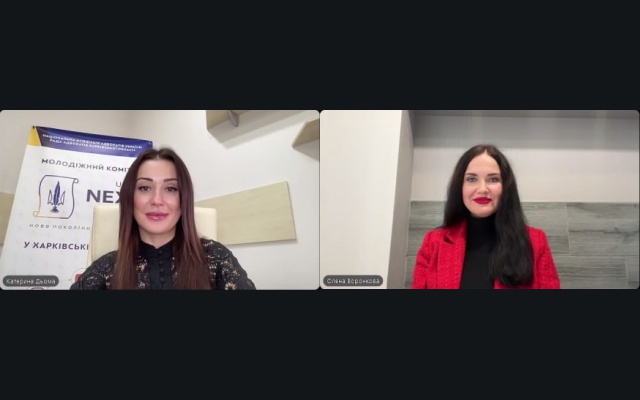
This was emphasized by an advocate specializing in pension law and social security for military personnel and a Ph.D. Olena Voronkova during the webinar «Legal protection for military personnel: from the calculation of financial support and indexation to the actual receipt of funds».
The event took place on October 19 at the initiative of the UNBA NextGen in the Kharkiv region. The meeting was moderated by the Committee’s regional representative Kateryna Dyoma.
According to the speaker, certain agencies implement recalculation decisions in a way that minimizes payments. They retroactively reduce the components of monetary compensation for the period of service, even if the individual has already left the service. The base salary, military rank allowance, and seniority allowance are recalculated, while the bonus and allowance for special service conditions are significantly reduced.
According to O. Voronkova, there is only one way to detect such underpayment. You must request information from the agency regarding the components of the financial compensation before and after the decision was implemented, as well as the amount actually received by the client. «If you were expecting 150,000 UAH, but the client received 10,000, then you know there’s a mistake. Check the calculations — there’s usually a mistake there», - the advocate advised.
In her practice, filing a motion for enforcement did not help; only a new lawsuit yielded results. Most judges consider such a dispute to be a new one.
A separate risk is a lack of funding. In the speaker’s experience, funds are usually paid out three to four months or even a year after the decision becomes final, but there are also longer delays. One solution is to file a motion with the court to change the method of enforcement after receiving notification of the amount due. The key is to replace the phrase «order the calculation and payment of» with «order the collection of» a specific amount. In cases where the court granted such a motion, the funds were received in about a month. However, not all courts agree to apply this mechanism to disputes over financial support.
Another option is to immediately include a claim for the recovery of a specific amount in the complaint. In that case, the calculation must be detailed and accurate. If the court grants the claim, there will be no need to separately seek enforcement. However, some judges grant such claims only partially and order only the transfer of financial support.
Responding to questions from participants, O. Voronkova explained that an expert opinion on the calculation is relevant precisely when an advocate requests the recovery of a specific amount. However, it does not guarantee the outcome.
The speaker described judicial oversight of the enforcement of decisions as an effective tool, although courts are reluctant to fine heads of agencies.
In her opinion, in overburdened courts particularly in Kyiv and Zhytomyr a new lawsuit will be heard faster than judicial oversight can be established. In the regions, oversight can be initiated in parallel with a new lawsuit. However, even established oversight does not guarantee proper enforcement. If an agency cites a change in legislation, the court may accept this argument and the client will lose several months.
Previously advocates explained what mistakes could hinder an appeal against a commander’s actions, why military personnel are not credited with «combat» service and why uniform criteria for payments are necessary.
Popular news
Legislation
A bill implementing the Convention on the Protection of the Professions of Lawyer has been introduced
The constitutional guarantees of legal aid, defense, and the independence of advocacy cannot be realized without protecting advocates from unwarranted interference in their professional activities, including searches, the seizure of professional materials and the use of criminal procedural mechanisms to exert pressure.
Abroad
The CCBE is discussing European justice and issues related to the protection of advocates
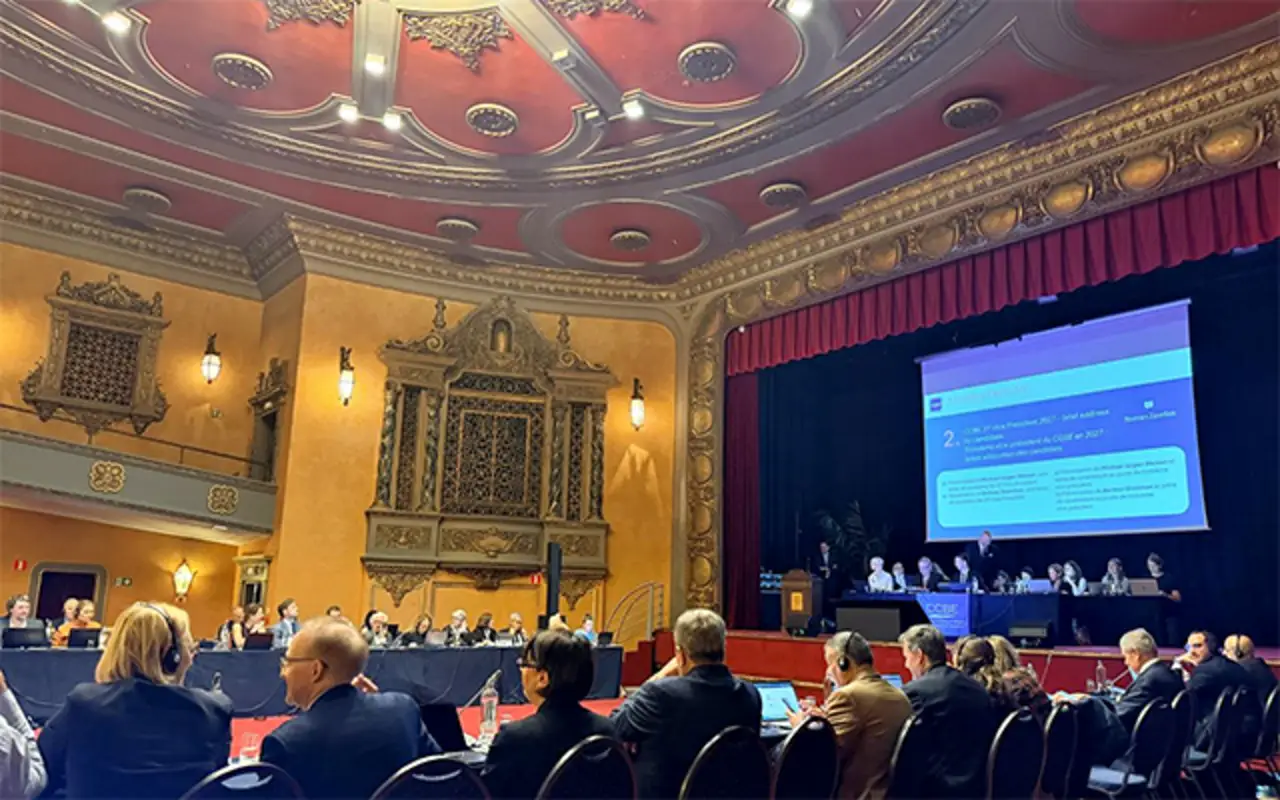
Today, October 2, a meeting of the Standing Committee of the Council of Bars and Law Societies of Europe (CCBE) is taking place in Brussels. On the agenda are the protection of the advocate profession, the rule of law, attorney-client privilege, and changes in the European justice system.
Rule of Law Roadmap
The UNBA presented the key provisions of the future law on advocacy in Brussels
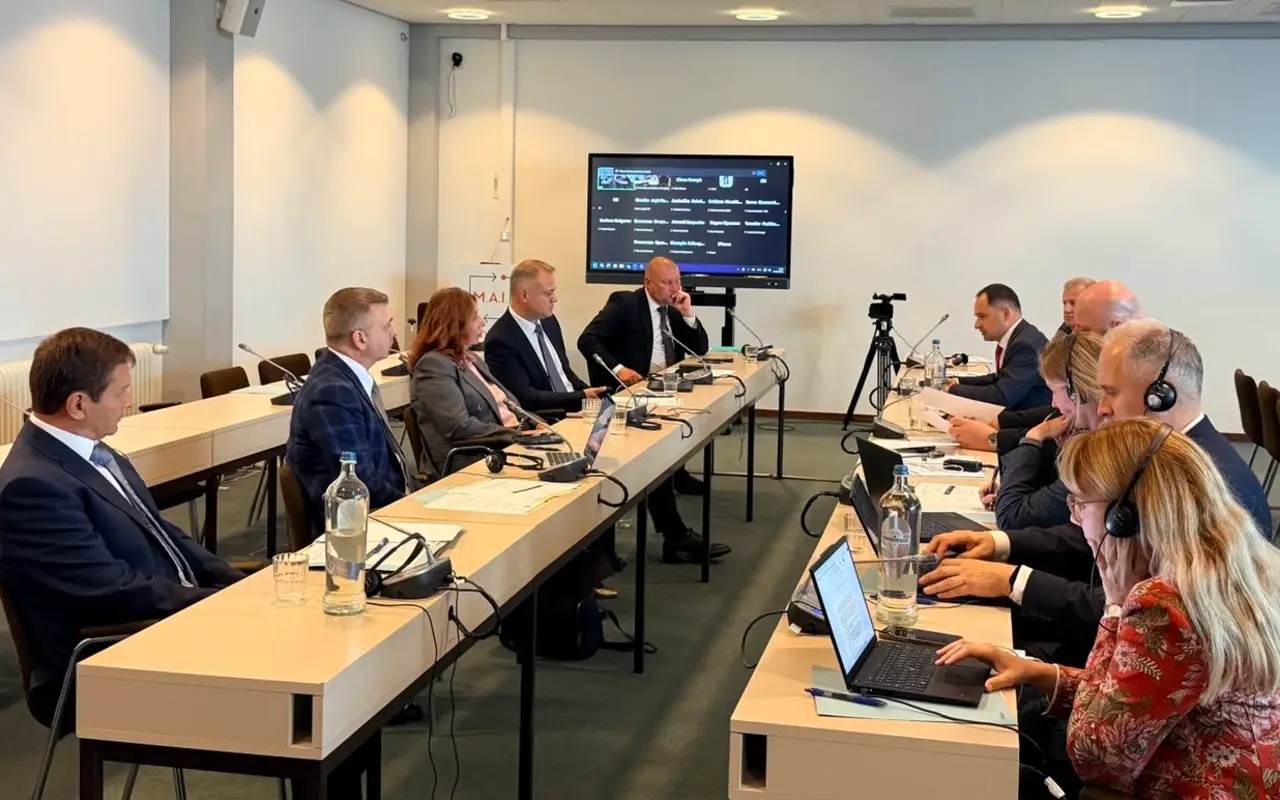
The Ukrainian National Bar Association presented its proposals for the upcoming law on advocacy, aligned with the Rule of Law Roadmap. The presentation covered topics such as access to the profession, self-governance, disciplinary procedures, professional development and guarantees for the practice of advocacy.

Educational events
Advocates were taught to voice their complaints without making accusations
In a difficult conversation, it’s easy to confuse facts with opinions, feelings with accusations, and requests with demands. How can you express dissatisfaction, explain your own needs, and propose a specific solution while still allowing your conversation partner the opportunity to refuse or suggest an alternative?
Guarantees of the practice of law
Search of an advocate's office after client's acquittal: criminal complaint filed
In Kyiv, law enforcement officers conducted a search of the home of an advocate who had defended a client acquitted by the court and seized materials from the advocate’s case file. The proceedings were initiated shortly after the acquittal, even though the document they were searching for was already included in the court case file.
Guarantees of the practice of law
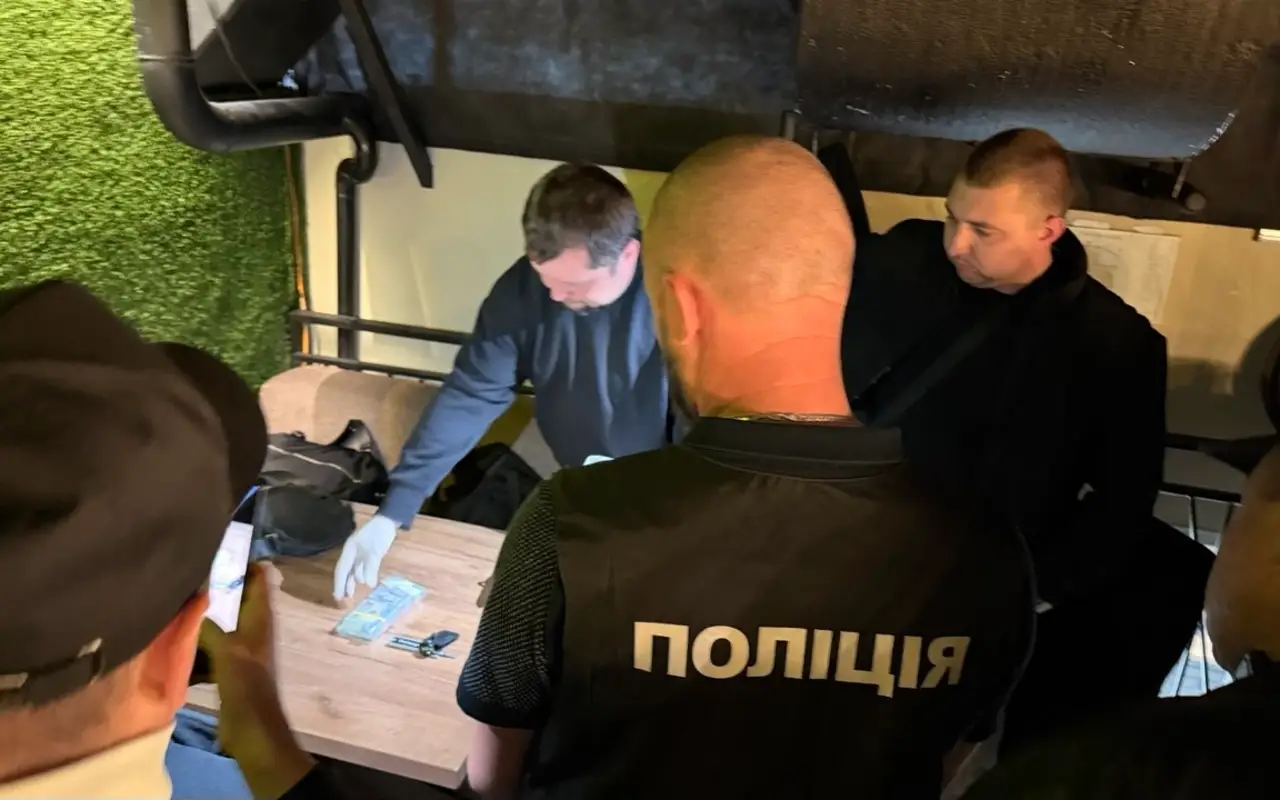
The paradoxes of urgency: is it possible to investigate a crime before it is committed?
On September 24 in Kyiv, National Police officers detained an advocate during an emergency search, having caught him in the act of committing a crime. At the time, the pretrial investigation in this case had already been ongoing for more than four months.
Guarantees of the practice of law
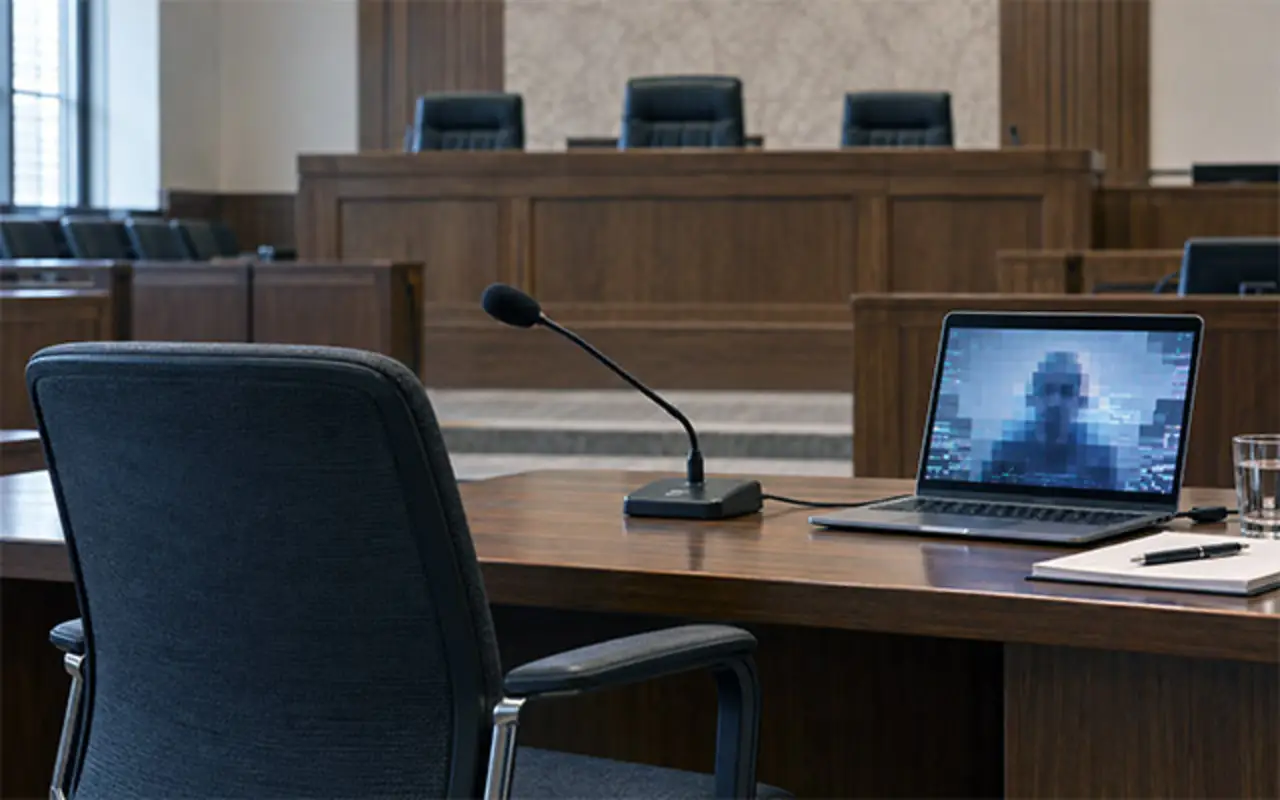
A side effect of the video conference: the judge mistook the sound of a chair for the advocate's response
Technology also has its downsides. The High Council of Justice acquitted a judge who failed to hear the advocates during court proceedings in a civil case. One of the arguments presented to the disciplinary body was poor connectivity, the risks of which are borne by the participants.

Guarantees of the practice of law
Unrestricted access to advocates' accounts poses a risk of client data disclosure — BCU
Information regarding transactions in the bank accounts of an advocate, a law firm, or a bar association from which clients can be identified, as well as the fact and subject matter of a request for legal assistance, the purpose of payments, and the amount of the fee constitutes attorney-client privilege. This rule applies regardless of whether the information also constitutes banking information and is in the possession of a bank.
Publications

Vasyl Kolishnyi, «Law and Business» Supporting mental health should become part of the professional culture of the Bar, - H. Udovenko

Volodymyr Matsko Extradition during wartime: when the risks outweigh the request

Volodymyr Matsko Extradition as a systemic form of rights violations

Victoria Yakusha, Law and Business The anti-corruption vertical cannot «take care» of the Bar as an institution, - acting head of the HQDCB

Censor.net Protecting advocates – protecting justice: addressing concerns about the new law

Ihor Kolesnykov A BRIEF SUMMARY REGARDING THE APPLICATION OF THE ORDER ON EXTENDED CONFISCATION IN LATVIA REGARDING FINANCIAL ASSETS OF…

Valentyn Gvozdiy WORKING IN A WAR ZONE

Lydia Izovitova Formula of perfection

