






A screenshot isn't enough: how to preserve digital evidence so the court will consider it

How can you preserve a web page or a chat history in a messaging app so that a court will accept them as evidence? Can you cite a response from artificial intelligence? And under what conditions will a court recognize a Viber message as valid and admissible evidence?
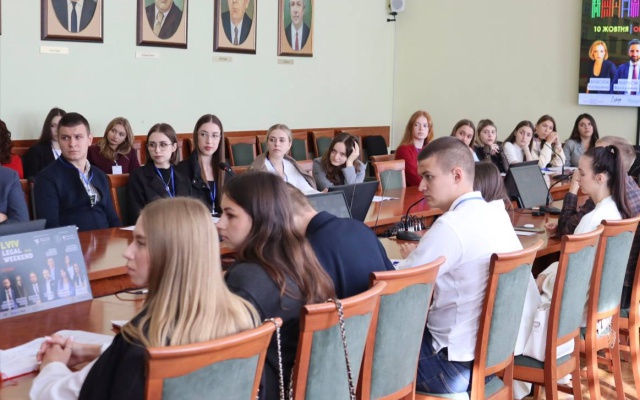
These questions were addressed by deputy chairman of the UNBA Committee on E-justice Tetyana Rabko in her presentation titled «Electronic evidence in legal disputes and its evaluation by the court». She spoke at Lviv Legal Weekend 2026 — an event for law students, young lawyers and advocates, held on October 10, 2026, in Lviv by the Council of Young Lawyers of Ukraine and the Lviv University of Trade and Economics.
T. Rabko noted that electronic evidence consists of digital data relevant to a case: electronic documents, photos, video and audio recordings, web pages, text, multimedia, and voice messages, as well as entries in registries and databases. The speaker also drew attention to metadata — information about the time of creation, geolocation, author, and IP address. She identified this metadata as the key to confirming the authenticity of the evidence.
Regarding the submission of electronic evidence through the «Electronic Court» subsystem, the advocate explained that attached files are signed with the user’s digital signature along with the main document created in the system. The maximum size of a single attached file is 5 GB. The system accepts images, audio and video files, documents in PDF and Word formats, as well as ZIP archives, including those containing documents that have already been signed with a digital signature.
To save a web page as evidence, T. Rabko advised recording its full URL and the exact system time, describing the content of the publication in detail, and saving a screenshot. In the case of messaging app correspondence, it is necessary to identify the other party by their profile, number, ID, and avatar; export the chat history with all attachments; and ensure that system date and time stamps are visible in screenshots.
The speaker recommended documenting the results of this process in an inspection report. This report should describe the technical tools used, the software, IP addresses, and the procedure followed, as well as the method for ensuring data integrity. According to her, such a document can be drafted by an advocate or a notary. This is not a mandatory procedure for documenting electronic evidence. At the same time, it should be kept in mind that the court always evaluates electronic evidence comprehensively alongside other evidence in the case.
Separately, T. Rabko cautioned against placing excessive trust in artificial intelligence when preparing procedural documents. AI responses do not constitute evidence within the meaning of procedural law and cannot replace an expert opinion, she noted.
In her review of case law, the speaker cited the position of the Grand Chamber of the Supreme Court from its ruling dated June 21, 2023, in Case No. 916/3027/21: notifications with attachments sent via email or messaging apps constitute electronic evidence, which the court evaluates in accordance with Article 86 of the Code of Civil Procedure based on its internal conviction, in conjunction with other evidence.
The advocate also drew attention to the «reply letter» doctrine, which the Supreme Court sitting as a panel of judges of the Commercial Court of Cassation applied in its ruling dated August 3, 2022, in Case No. 910/5408/21. If it is proven that a letter or message was sent to a specific person, the message that serves as a reply to it is considered authentic without additional evidence: it is unlikely that anyone else would have received the letter and replied to it, given its content.
T. Rabko cited the ruling of the Civil Cassation Court of the Supreme Court dated January 9, 2026, in Case No. 751/4083/24. The court concluded that the exchange of messages on Viber cannot be evaluated in isolation; however, when considered in conjunction with other evidence, it constitutes proper and admissible proof of a message sent by an employee — provided that the recipient, the content of the message, and the dates of sending and receipt can be identified.
Earlier, T. Rabko analyzed how courts evaluate messaging app correspondence as evidence, discussed the admissibility of electronic evidence and the reasons why courts reject it, explained why artificial intelligence remains only an auxiliary tool in the preparation of procedural documents and examined court decisions regarding a lawyer’s obligation to verify the results of AI-generated work.
Popular news
Legislation
A bill implementing the Convention on the Protection of the Professions of Lawyer has been introduced
The constitutional guarantees of legal aid, defense, and the independence of advocacy cannot be realized without protecting advocates from unwarranted interference in their professional activities, including searches, the seizure of professional materials and the use of criminal procedural mechanisms to exert pressure.
Abroad
The CCBE is discussing European justice and issues related to the protection of advocates
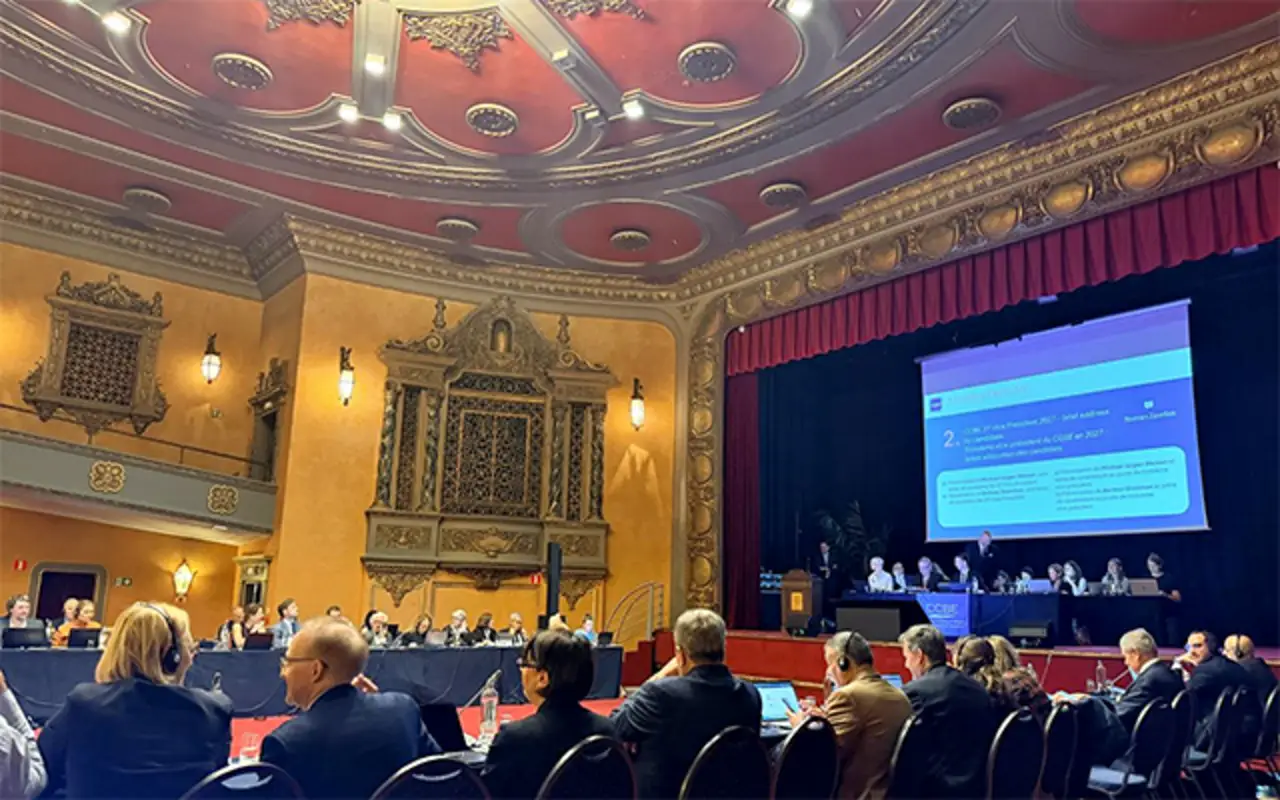
Today, October 2, a meeting of the Standing Committee of the Council of Bars and Law Societies of Europe (CCBE) is taking place in Brussels. On the agenda are the protection of the advocate profession, the rule of law, attorney-client privilege, and changes in the European justice system.
Rule of Law Roadmap
The UNBA presented the key provisions of the future law on advocacy in Brussels
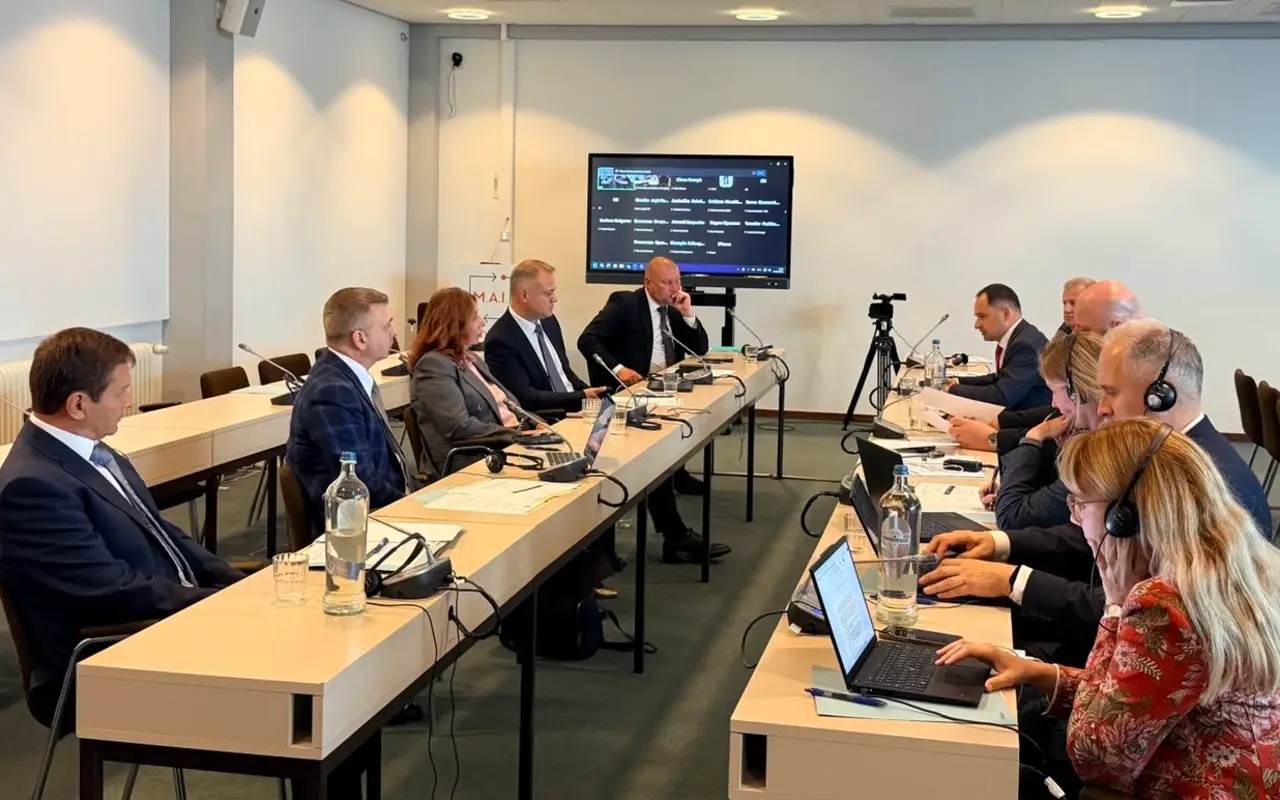
The Ukrainian National Bar Association presented its proposals for the upcoming law on advocacy, aligned with the Rule of Law Roadmap. The presentation covered topics such as access to the profession, self-governance, disciplinary procedures, professional development and guarantees for the practice of advocacy.

Educational events
Advocates were taught to voice their complaints without making accusations
In a difficult conversation, it’s easy to confuse facts with opinions, feelings with accusations, and requests with demands. How can you express dissatisfaction, explain your own needs, and propose a specific solution while still allowing your conversation partner the opportunity to refuse or suggest an alternative?
Guarantees of the practice of law
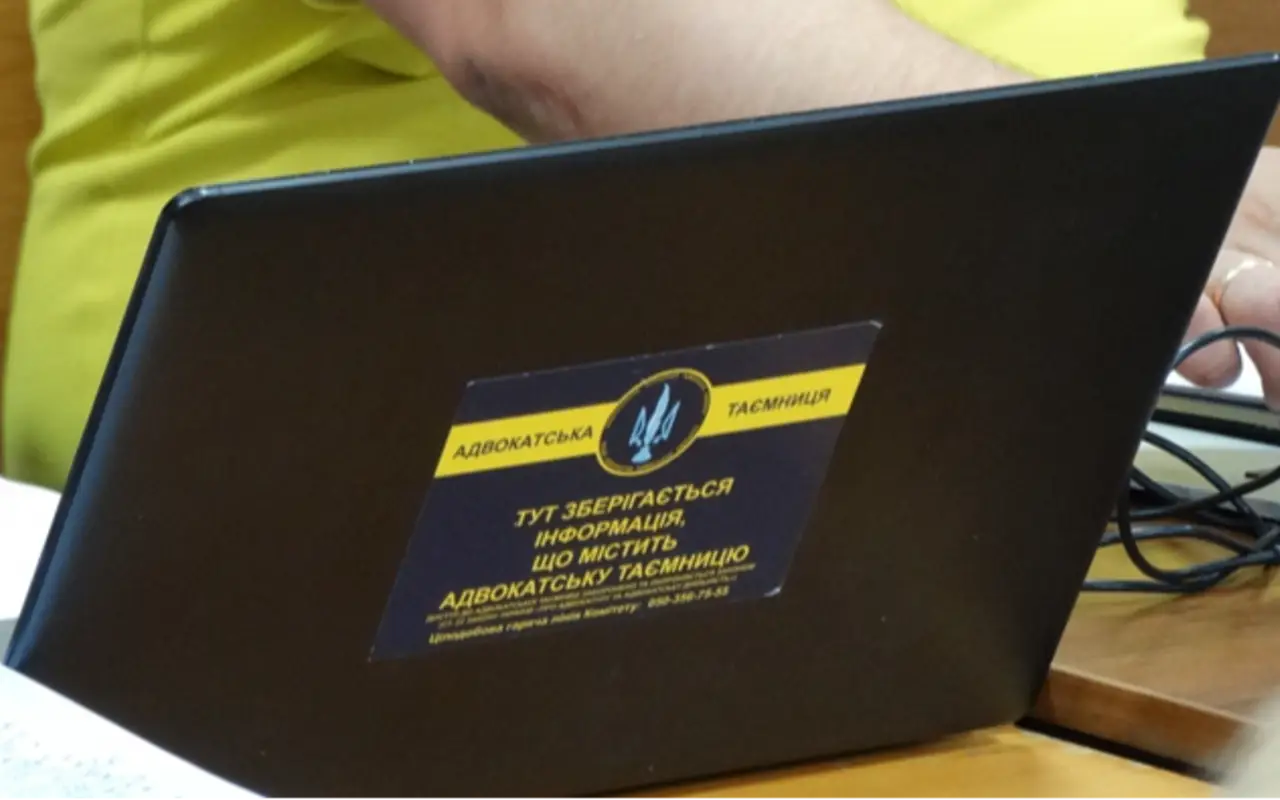
Search of an advocate's office after client's acquittal: criminal complaint filed
In Kyiv, law enforcement officers conducted a search of the home of an advocate who had defended a client acquitted by the court and seized materials from the advocate’s case file. The proceedings were initiated shortly after the acquittal, even though the document they were searching for was already included in the court case file.
Guarantees of the practice of law
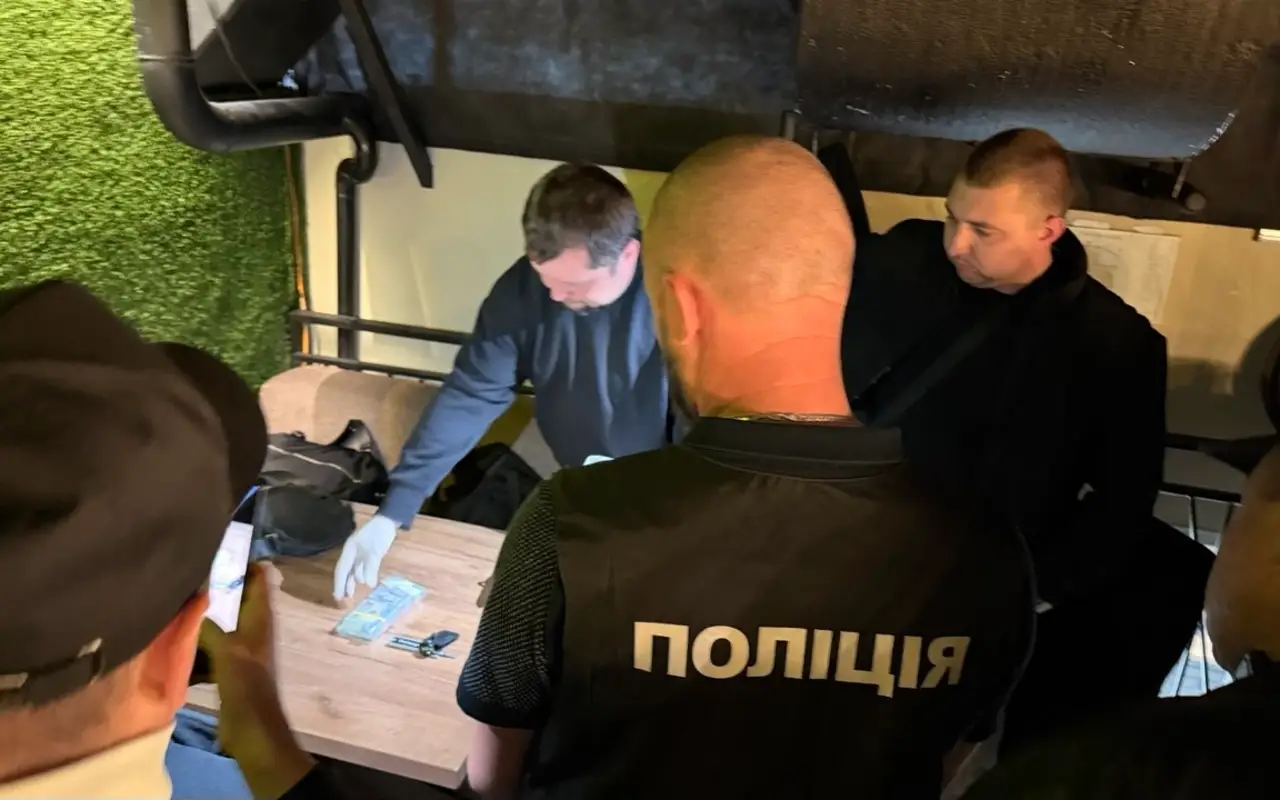
The paradoxes of urgency: is it possible to investigate a crime before it is committed?
On September 24 in Kyiv, National Police officers detained an advocate during an emergency search, having caught him in the act of committing a crime. At the time, the pretrial investigation in this case had already been ongoing for more than four months.
Guarantees of the practice of law
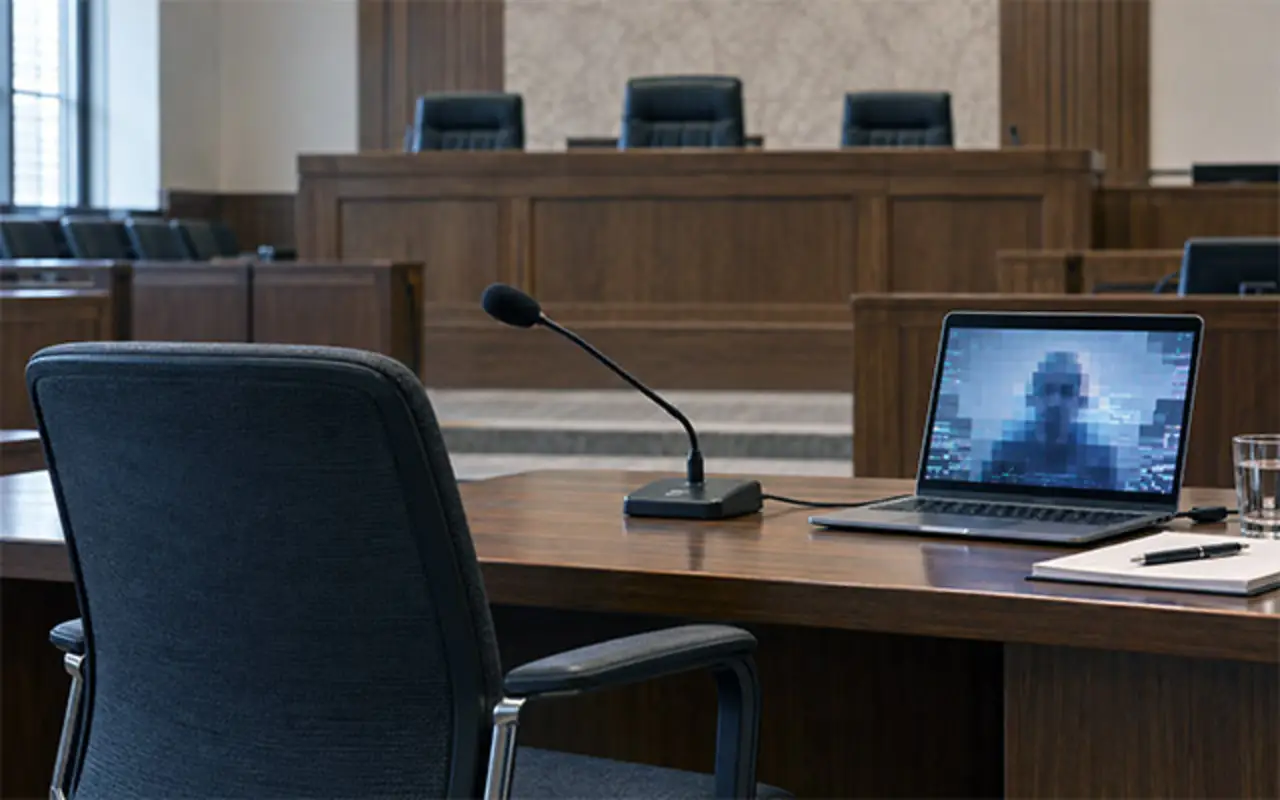
A side effect of the video conference: the judge mistook the sound of a chair for the advocate's response
Technology also has its downsides. The High Council of Justice acquitted a judge who failed to hear the advocates during court proceedings in a civil case. One of the arguments presented to the disciplinary body was poor connectivity, the risks of which are borne by the participants.

Guarantees of the practice of law
Unrestricted access to advocates' accounts poses a risk of client data disclosure — BCU
Information regarding transactions in the bank accounts of an advocate, a law firm, or a bar association from which clients can be identified, as well as the fact and subject matter of a request for legal assistance, the purpose of payments, and the amount of the fee constitutes attorney-client privilege. This rule applies regardless of whether the information also constitutes banking information and is in the possession of a bank.
Publications

Vasyl Kolishnyi, «Law and Business» Supporting mental health should become part of the professional culture of the Bar, - H. Udovenko

Volodymyr Matsko Extradition during wartime: when the risks outweigh the request

Volodymyr Matsko Extradition as a systemic form of rights violations

Victoria Yakusha, Law and Business The anti-corruption vertical cannot «take care» of the Bar as an institution, - acting head of the HQDCB

Censor.net Protecting advocates – protecting justice: addressing concerns about the new law

Ihor Kolesnykov A BRIEF SUMMARY REGARDING THE APPLICATION OF THE ORDER ON EXTENDED CONFISCATION IN LATVIA REGARDING FINANCIAL ASSETS OF…

Valentyn Gvozdiy WORKING IN A WAR ZONE

Lydia Izovitova Formula of perfection

