






The UNBA supported the revision of the rules for determining the amount of the security deposit
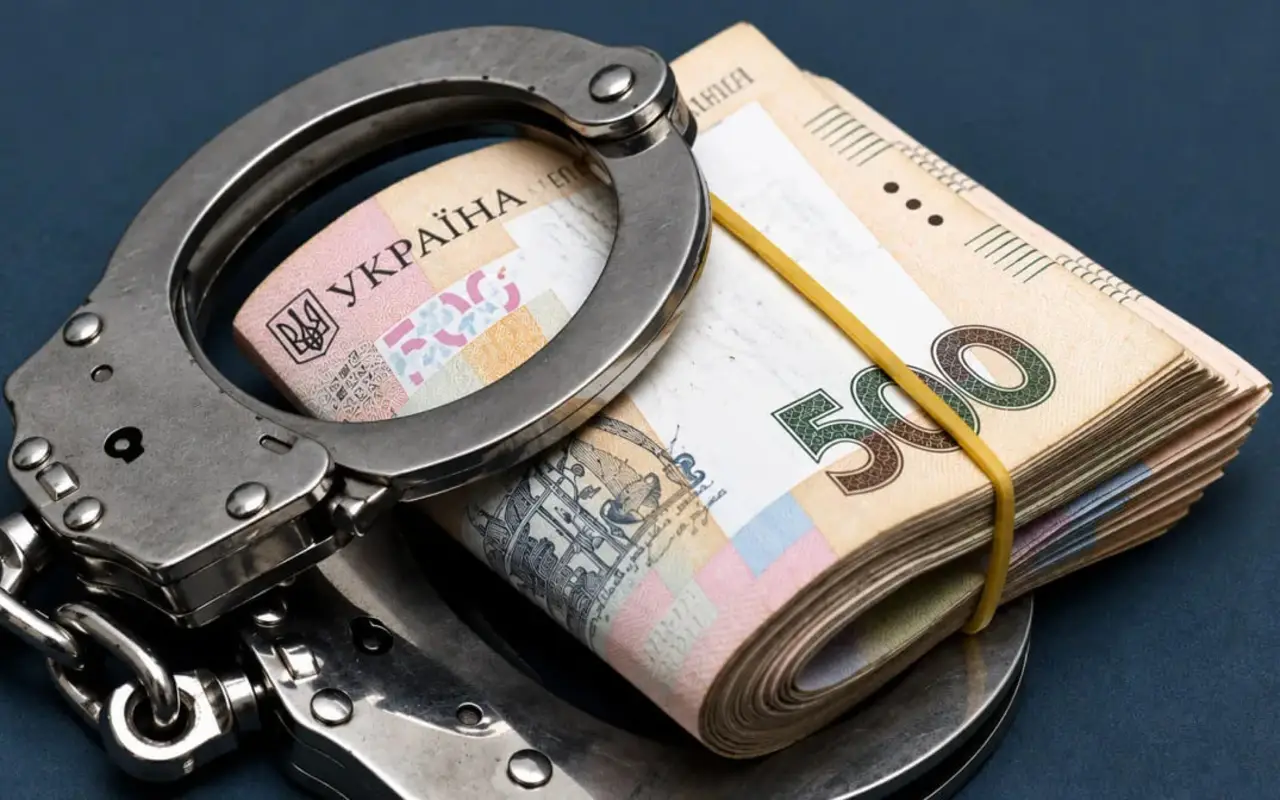
Bail should serve as a procedural guarantee that a suspect will fulfill their obligations, rather than as compensation for damages or a disguised form of punishment. Therefore, the amendments requiring that a person’s actual financial circumstances be taken into account when determining the amount of bail are reasonable and timely.
This conclusion was reached by the UNBA Committee on criminal law and procedure following an analysis of Draft Law No. 15565 dated August 27, 2026, «On amendments to the Criminal Procedure Code of Ukraine regarding the improvement of the procedure for applying bail».
According to the author of the legislative initiative, the document is intended to ensure consistency, rationality, and predictability in the practice of applying bail. To this end, it is proposed to introduce a Unified Methodology for Determining the Amount of Bail and Its Payment. This methodology will be approved by the Prosecutor General following consultation with the heads of the Ministry of Internal Affairs, the SSU, the State Bureau of Investigation, the Bureau of Economic Security, and the SAPO. This methodology will establish maximum bail amounts depending on the severity of the crime. An investigating judge or court will not be able to exceed these limits regardless of the circumstances of the proceedings.
The document also stipulates that bail may not exceed 25% of the total value of a person’s assets, provided that the prosecution proves ownership and value of those assets. The court must determine the suspect’s actual financial situation (income, liabilities, asset liquidity, and number of dependents) and justify the amount of bail in its ruling. Bail may be posted not only with cash but also with property, including seized property.
The UNBA recognized the proposed changes as reasonable and timely. Advocates noted that Part 5 of Article 182 (Bail) of the Code of Criminal Procedure contains a provision regarding «exceptional cases» for which there is no specific legislative definition. This allows for the setting of any bail amount, even one exceeding the maximum limit for a particularly serious crime.
Based on the practice of the ECHR, the key consideration in setting bail is ensuring the defendant’s appearance in court, the UNBA emphasizes. The amount of bail can under no circumstances be a predetermined «form of punishment», given the presumption of innocence enshrined in Article 62 of the Constitution. Furthermore, setting the amount of bail without an individual assessment of a person’s financial circumstances is incompatible with the guarantees of Article 5 (Right to Liberty and Security of Person) of the Convention for the Protection of Human Rights and Fundamental Freedoms. Excessive bail that a person is unable to pay is tantamount to an indirect denial of release. As an example, the UNBA cited the ECHR case «Istomina v. Ukraine», in which the amount of bail was determined based not on actual but on probable damages.
A separate caveat concerns linking bail to the amount of damages. In such cases, the individual is granted an illusory right to release from custody, which violates the rights of both the accused and the victim. While on bail, a person can reach a settlement with the victim, obtain a loan, mortgage property, or find employment to compensate for the damages. In contrast, while in custody, they lose the motivation to seek reconciliation and make restitution.
The UNBA also highlighted frequent instances where, during a search, an individual’s entire savings are seized, their property is frozen, and they are subsequently remanded in custody with the right to post bail. Such a person cannot post bail using either the seized funds even if the legality of their origin is confirmed by documents or the seized property. Therefore, the proposed amendments should facilitate a genuine procedural opportunity to post bail.
The UNBA generally supported Bill No. 15565, considering it aimed at humanizing the legislation and an important step toward bringing national legislation into line with EU and Council of Europe standards.
The full text of the proposals can be viewed at this link.
Popular news
Legislation
The UNBA warned against restricting advocates' rights during the implementation of the Convention
The Ukrainian National Bar Association supported the adoption in principle of draft laws aimed at harmonizing national legislation with the Council of Europe Convention on the Protection of the Professions of Lawyer, and also highlighted the need to refine them in preparation for the second reading.

Legal defence of military personnel
Guarantees in the event of detention and procedures for military personnel: recommendations from the UNBA Committee
Most often, military personnel turn to advocates regarding frozen bank accounts and delays in discharge. Step-by-step procedures have been prepared for such situations. A guide on one-time financial assistance has been provided for the families of those killed in action. And the new regulations governing the stay of mobilized individuals at TCCs require changes regarding guarantees of communication with an advocate.

Guarantees of the practice of law
Ratification first, reform second: Valentin Gvozdiy on the Council of Europe Convention
Albania and Bosnia and Herzegovina have ratified the Council of Europe Convention on the Protection of the Professions of Lawyer. Eight ratifications are required for it to enter into force, so Ukraine may still be among the states that will activate the mechanism for monitoring guarantees for the legal profession.
Rule of Law Roadmap
Lidiya Izovitova: reform of the advocacy profession should make the profession stronger and individuals better protected
The Ukrainian advocacy community is finalizing work on a new version of the relevant law. The roadmap on the rule of law has set the fourth quarter of 2026 as the deadline for achieving results in this area. The draft is intended to ensure safeguards for the practice of law through mechanisms of accountability for violations.

Abroad
The first country to ratify the Convention on the Protection of the Professions of Lawyer
Bosnia and Herzegovina became the first country to ratify the Council of Europe Convention on the Protection of the Professions of Lawyer (CETS No. 226). The country signed the Convention on March 17, 2026, so it took just over seven months to ratify it.
Discussion
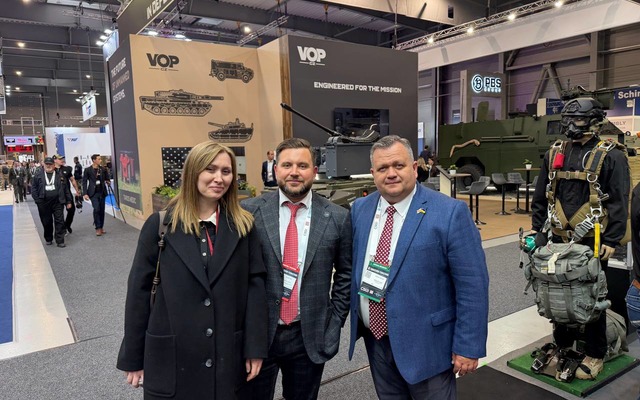
Civil security and guidelines for investors: representatives of the UNBA attend a forum in Prague
How to establish a business in Ukraine, protect investments, and comply with regulatory requirements — these were the issues that foreign companies in the security sector discussed with representatives of the UNBA during an international forum in Prague.
Legislation
An emergency search without a warrant? What changes are advocates proposing to the CPC
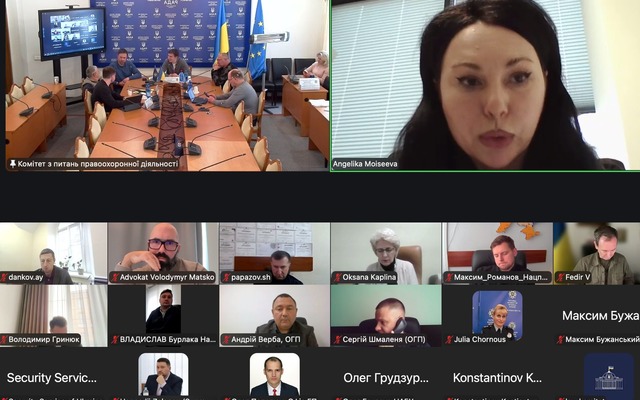
The Verkhovna Rada is preparing a consolidated draft of amendments to the Criminal Procedure Code regarding searches in urgent cases without a prior ruling by an investigating judge. The UNBA insists that judicial oversight following such a search must be effective, and that homeowners must be full participants in the procedure.
Discussion
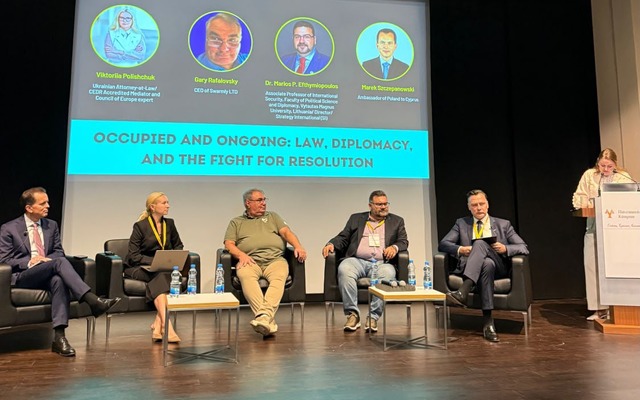
In Nicosia discussions focused on the protection of labor rights under occupation
How can a person’s labor rights be protected if the employer, the archives, and the employment record book remain in the occupied territory? And does a court that takes into account a document issued there legitimize the occupying authority?
Publications

Vasyl Kolishnyi, «Law and Business» Supporting mental health should become part of the professional culture of the Bar, - H. Udovenko

Volodymyr Matsko Extradition during wartime: when the risks outweigh the request

Volodymyr Matsko Extradition as a systemic form of rights violations

Victoria Yakusha, Law and Business The anti-corruption vertical cannot «take care» of the Bar as an institution, - acting head of the HQDCB

Censor.net Protecting advocates – protecting justice: addressing concerns about the new law

Ihor Kolesnykov A BRIEF SUMMARY REGARDING THE APPLICATION OF THE ORDER ON EXTENDED CONFISCATION IN LATVIA REGARDING FINANCIAL ASSETS OF…

Valentyn Gvozdiy WORKING IN A WAR ZONE

Lydia Izovitova Formula of perfection

