


Lidia Izovitova and Valentyn Gvozdy participated in the 4th International Forum of Advocates in Berlin
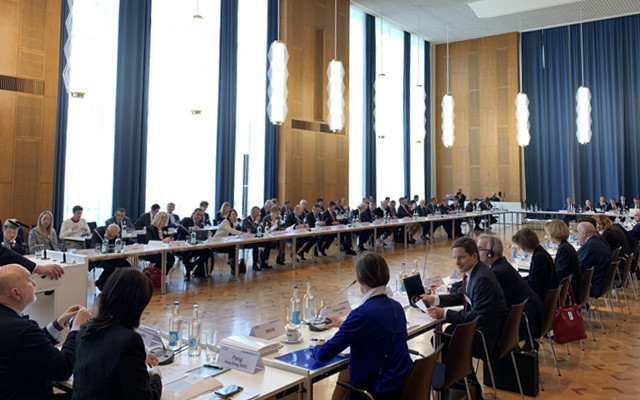
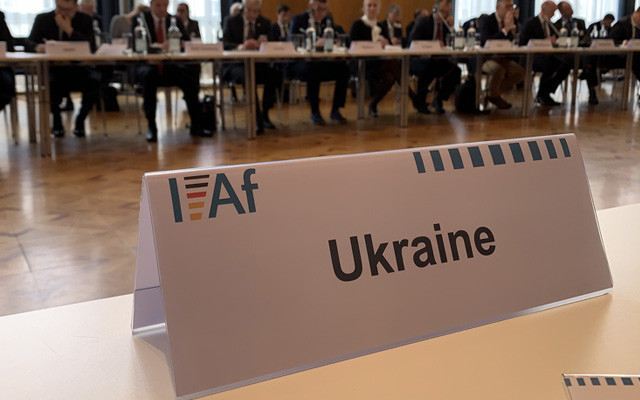
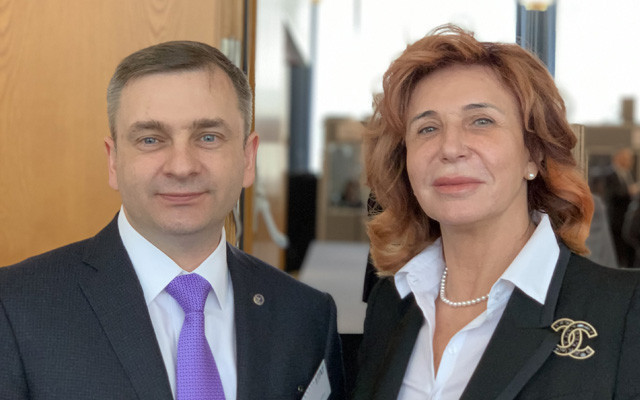
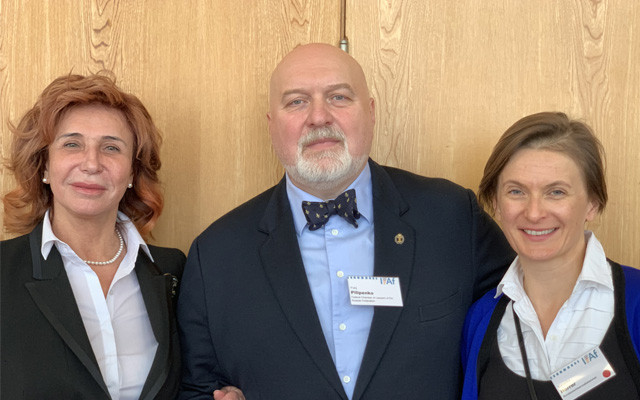
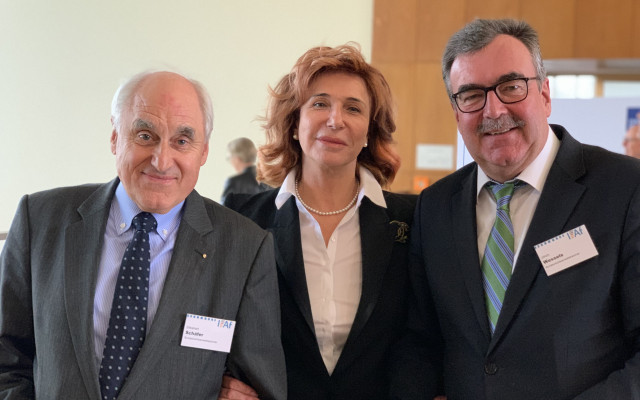
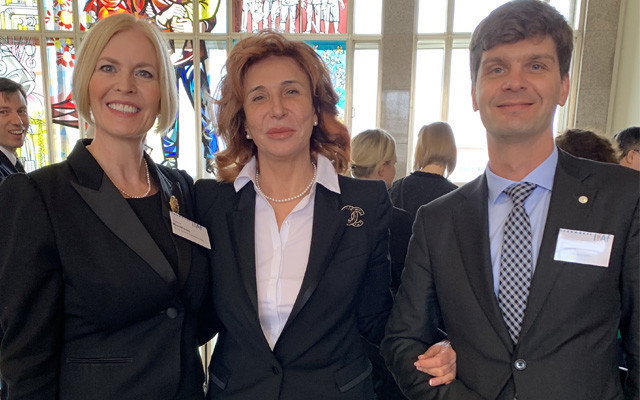
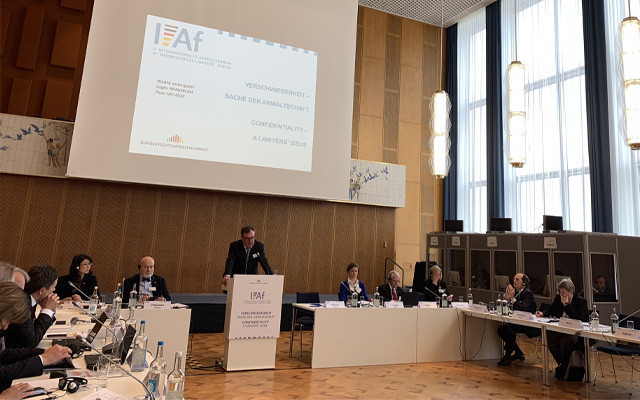
The Head of UNBA, BCU Lidia Izovitova and the Deputy Head of UNBA, BCU Valentyn Gvozdii participated in the 4th International Forum of Advocates, which took place in Berlin on April 4-5.
The forum is organized by the German Federal Bar every two years.
This event is an extremely important platform for discussing the whole spectrum of issues of the legal profession throughout the world.
This year Forum was dedicated to the attorney-client priviledge - the forum was called "Confidentiality - Lawyers' Worry." One of the basic principles of the legal profession now faces numerous challenges - from the requirements of law enforcement agencies to investigate crimes, measures to counter terrorism to the development of media and social networks. The forum participants discussed models of attorney-clients priviledge in different countries, ways of preserving confidential data received by advocates and improving the effectiveness of its protection.
The forum's main speaker was Mark D. Agrast, vice president of World Justice Project, who spoke about world trends and threats to attorney-client priviledge.
Three blocks of discussion were devoted to the obligation to preserve the attorney-client priviledge, conflict zones that threaten the attorney-client priviledge, and the existence of the principle of confidentiality in the virtual space. The leaders of the Bars of Germany, the Netherlands, France, Poland, Slovenia, Russia, Hong Kong, Turkey, Tunisia, representatives of the German large business and structures of the European Union, in particular, the European Anti-Fraud Office (OLAF), became the participants of the panel discussions.
In Berlin, Lidia Izovitova also held a series of meetings with leading Bars from Europe and around the world, as well as with the President of the IBA. As a result, preliminary agreements were reached to hold joint events for Ukrainian advocates in Ukraine and abroad.
Popular news
Legislation
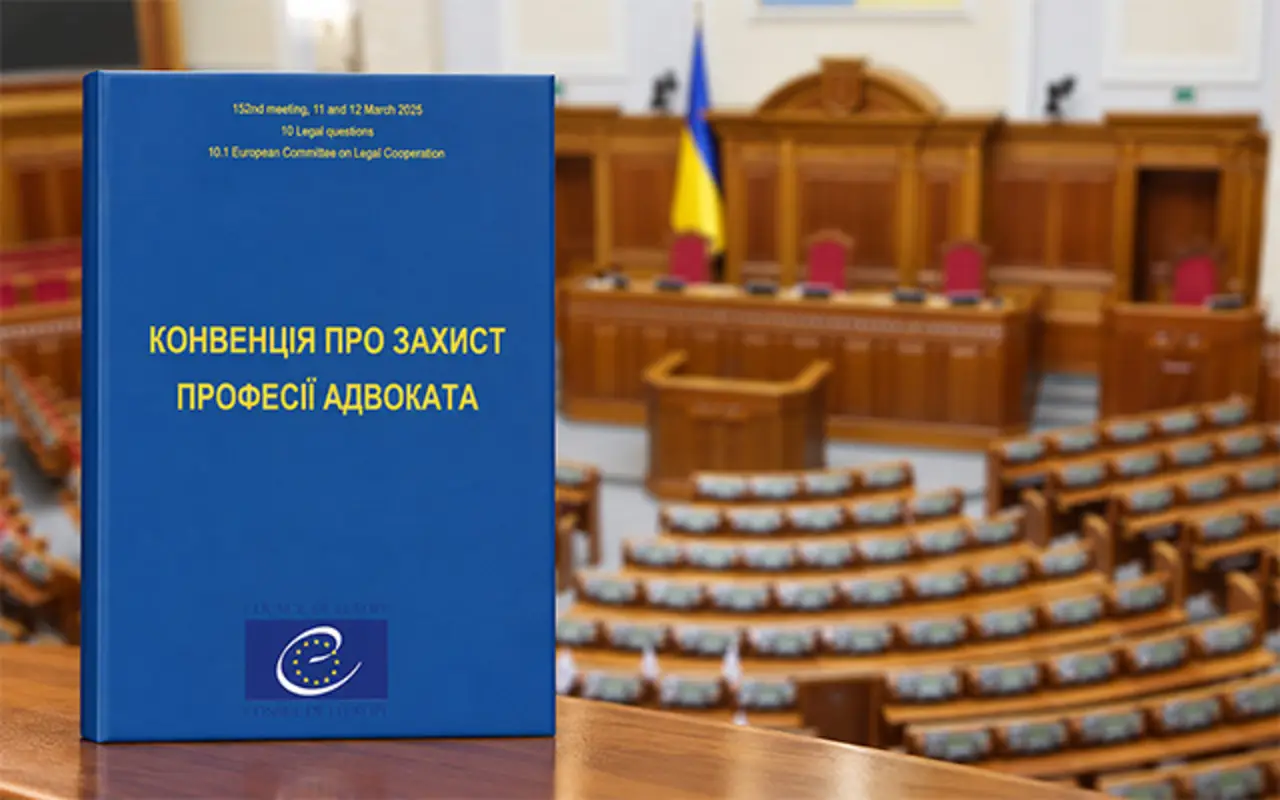
A bill implementing the Convention on the Protection of the Professions of Lawyer has been introduced
The constitutional guarantees of legal aid, defense, and the independence of advocacy cannot be realized without protecting advocates from unwarranted interference in their professional activities, including searches, the seizure of professional materials and the use of criminal procedural mechanisms to exert pressure.
Abroad
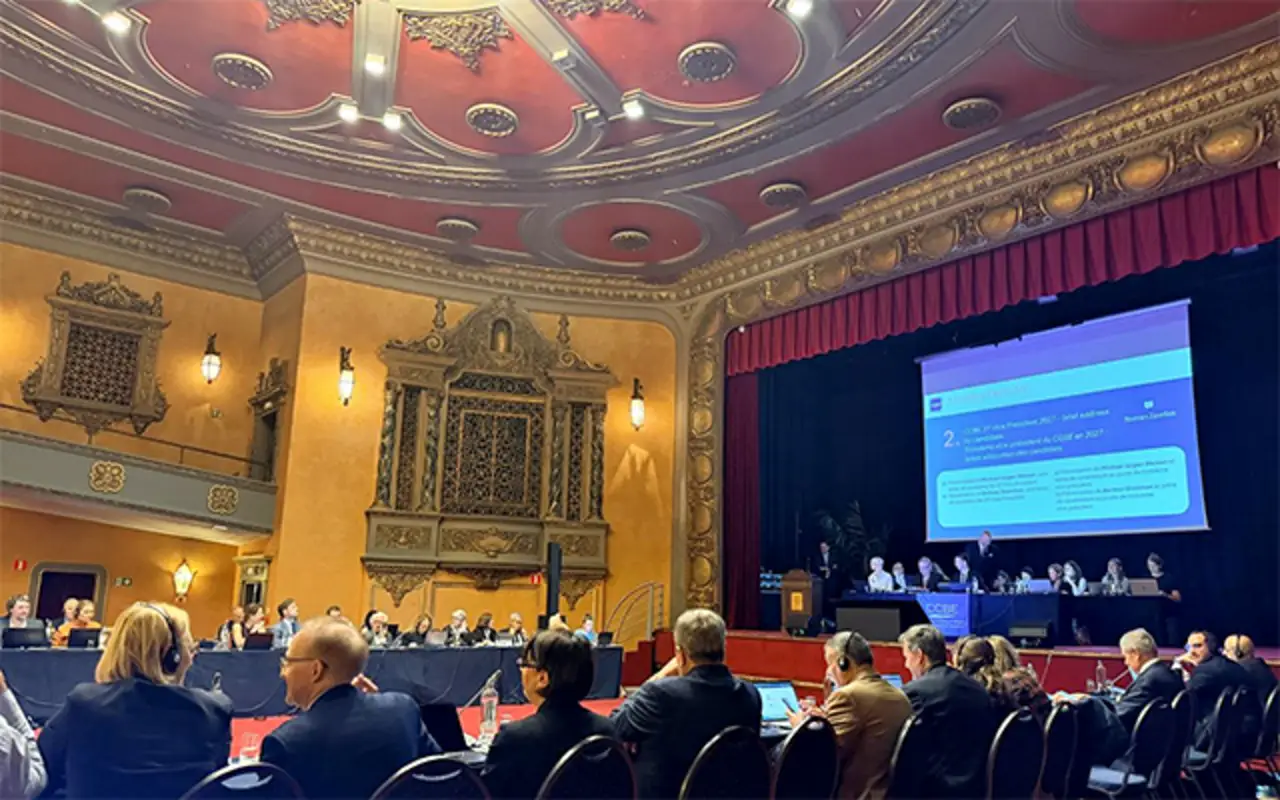
The CCBE is discussing European justice and issues related to the protection of advocates
Today, October 2, a meeting of the Standing Committee of the Council of Bars and Law Societies of Europe (CCBE) is taking place in Brussels. On the agenda are the protection of the advocate profession, the rule of law, attorney-client privilege, and changes in the European justice system.
Rule of Law Roadmap
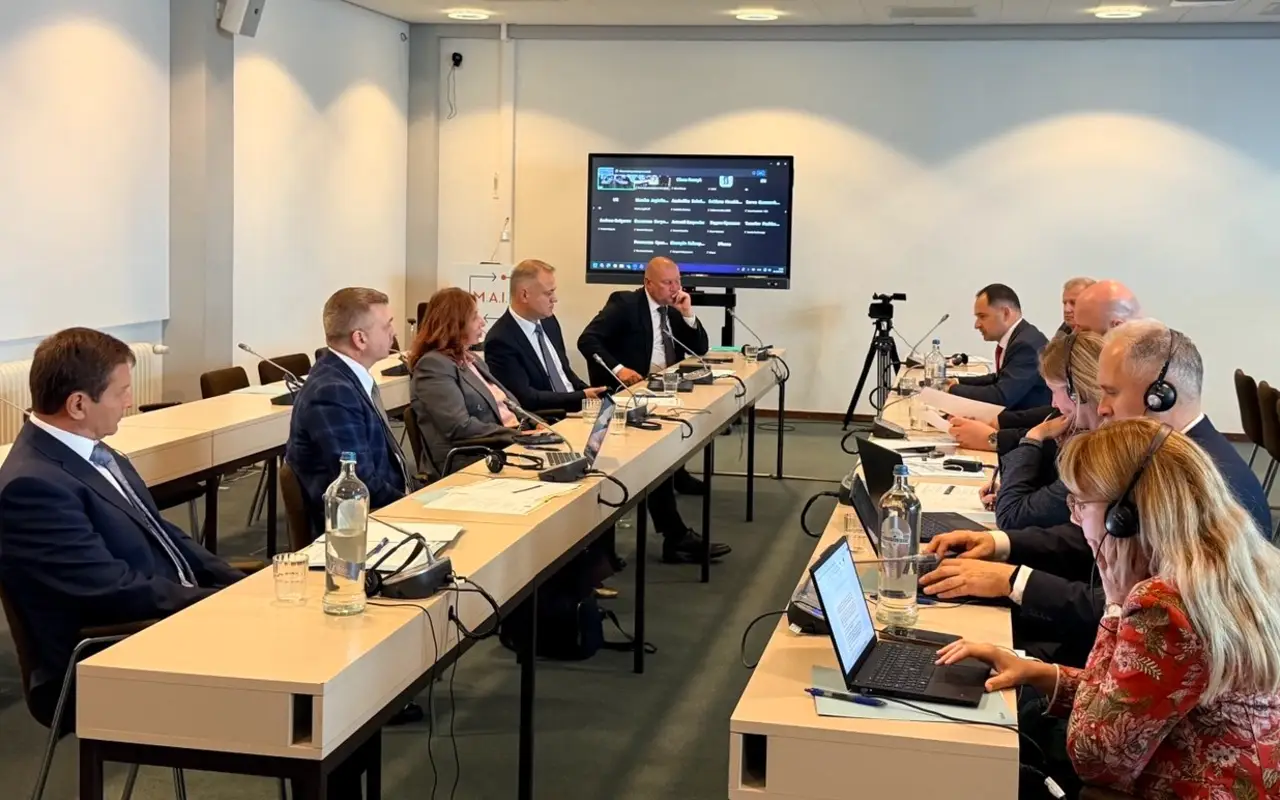
The UNBA presented the key provisions of the future law on advocacy in Brussels
The Ukrainian National Bar Association presented its proposals for the upcoming law on advocacy, aligned with the Rule of Law Roadmap. The presentation covered topics such as access to the profession, self-governance, disciplinary procedures, professional development and guarantees for the practice of advocacy.

Educational events
Advocates were taught to voice their complaints without making accusations
In a difficult conversation, it’s easy to confuse facts with opinions, feelings with accusations, and requests with demands. How can you express dissatisfaction, explain your own needs, and propose a specific solution while still allowing your conversation partner the opportunity to refuse or suggest an alternative?
Guarantees of the practice of law
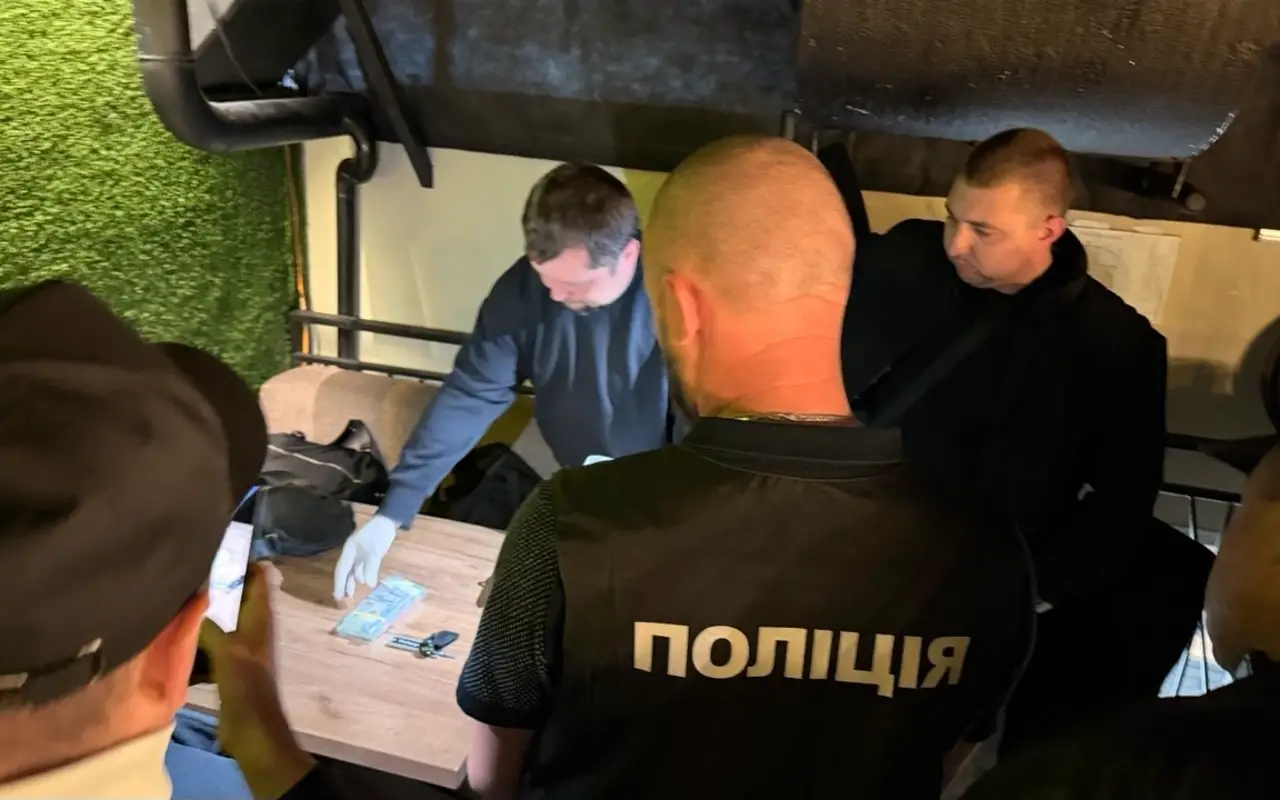
The paradoxes of urgency: is it possible to investigate a crime before it is committed?
On September 24 in Kyiv, National Police officers detained an advocate during an emergency search, having caught him in the act of committing a crime. At the time, the pretrial investigation in this case had already been ongoing for more than four months.

Guarantees of the practice of law
Unrestricted access to advocates' accounts poses a risk of client data disclosure — BCU
Information regarding transactions in the bank accounts of an advocate, a law firm, or a bar association from which clients can be identified, as well as the fact and subject matter of a request for legal assistance, the purpose of payments, and the amount of the fee constitutes attorney-client privilege. This rule applies regardless of whether the information also constitutes banking information and is in the possession of a bank.

Guarantees of the practice of law
The contract provides for a video conference, but the court requires in-person appearance: how should an advocate proceed?
Many advocates today work remotely; therefore, their agreements with clients provide for the provision of legal assistance via videoconferencing. However, this form of work does not, in and of itself, create an unconditional obligation for the court to conduct every hearing via videoconference.
Guarantees of the practice of law
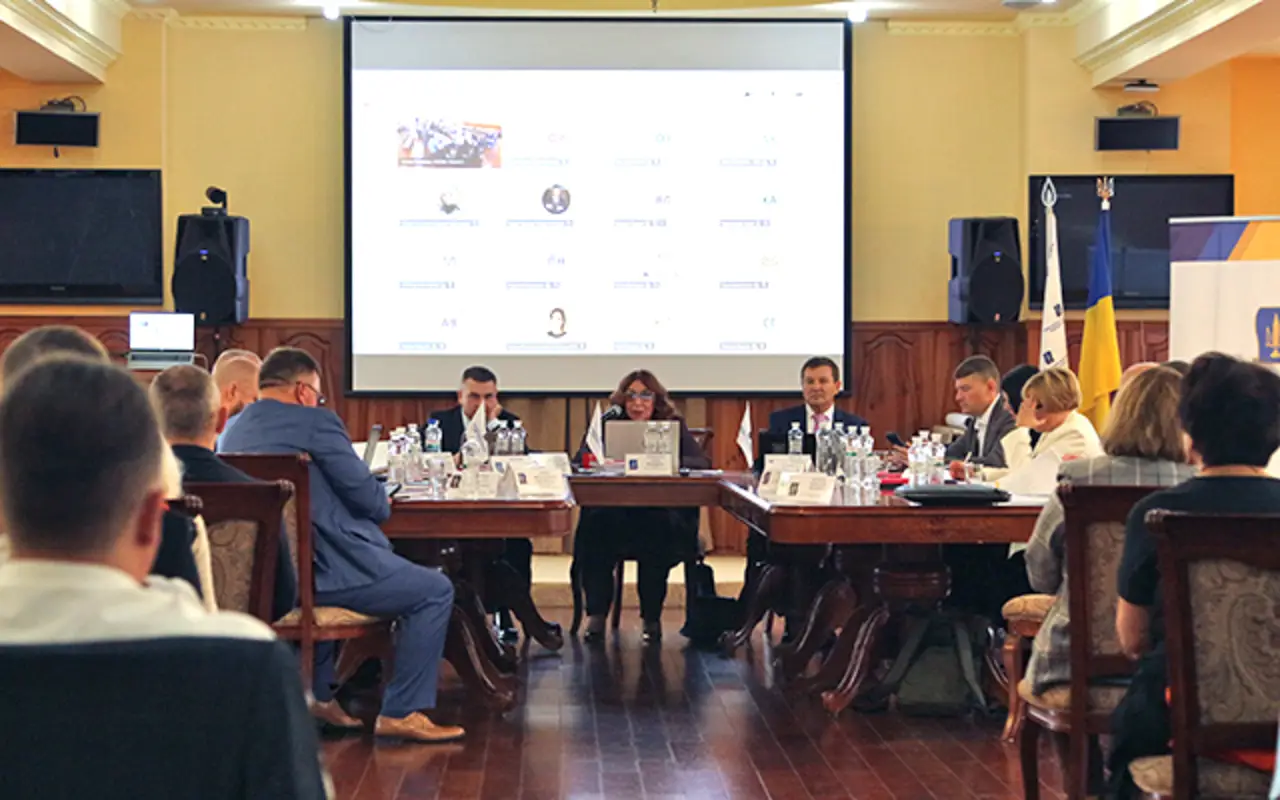
Independent oversight is necessary before using CISA materials against an advocate – Lidiya Izovitova
Before the prosecution uses information obtained during covert investigative actions and related to an advocate’s activities, independent procedural oversight must be conducted. It is necessary to determine whether such information is covered by attorney-client privilege and whether it may be disclosed.
Publications

Vasyl Kolishnyi, «Law and Business» Supporting mental health should become part of the professional culture of the Bar, - H. Udovenko

Volodymyr Matsko Extradition during wartime: when the risks outweigh the request

Volodymyr Matsko Extradition as a systemic form of rights violations

Victoria Yakusha, Law and Business The anti-corruption vertical cannot «take care» of the Bar as an institution, - acting head of the HQDCB

Censor.net Protecting advocates – protecting justice: addressing concerns about the new law

Ihor Kolesnykov A BRIEF SUMMARY REGARDING THE APPLICATION OF THE ORDER ON EXTENDED CONFISCATION IN LATVIA REGARDING FINANCIAL ASSETS OF…

Valentyn Gvozdiy WORKING IN A WAR ZONE

Lydia Izovitova Formula of perfection