


The UNBA proposes a new ground for termination of free legal aid provision by advocates

If criminal proceedings are suspended, the provision of free secondary legal aid should also be suspended (if the FLA center has previously issued a corresponding order).
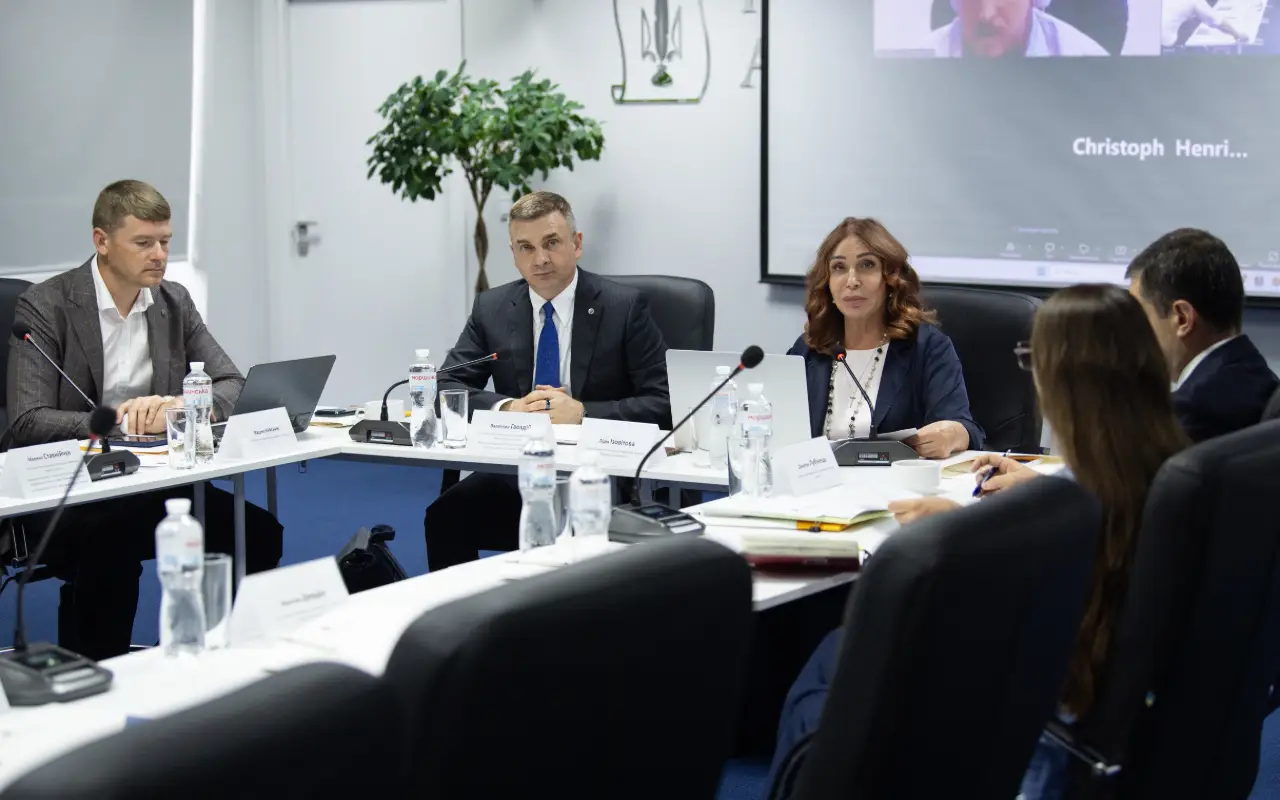
The UNBA has submitted the initiative to the Subcommittee on the Organization and Activities of the Bar and Legal Aid Bodies of the Verkhovna Rada Committee on Legal Policy to improve the legislation on free legal aid.
According to the current version of Art. 335 of the Criminal Procedure Code, if the accused evaded court appearances or suffered from a mental or other serious long-term illness that precludes his participation in court proceedings, or was called up for military service during mobilization for a special period, the court suspends the court proceedings against such an accused until he is found, recovered or discharged from military service.
On this basis, courts often decide to suspend court proceedings. Including in cases where the accused were provided with free secondary legal aid.
And in such cases, lawyers cannot receive payment for the services they have already provided for an indefinite period of time. After all, according to the law, such payment and reimbursement of expenses is made only upon completion of the proceedings or in case of early termination of the power of attorney. And it formally continues to operate, because the FLA centers do not have the necessary authority to terminate it.
In view of the above, it is proposed to supplement part 1 of Article 23 of the Law «On Free Legal Aid» with a new ground for termination of FLA provision: «criminal proceedings in which a person is being provided with free secondary legal aid have been terminated».
The draft law and explanatory note to it are also available.
Popular news
War
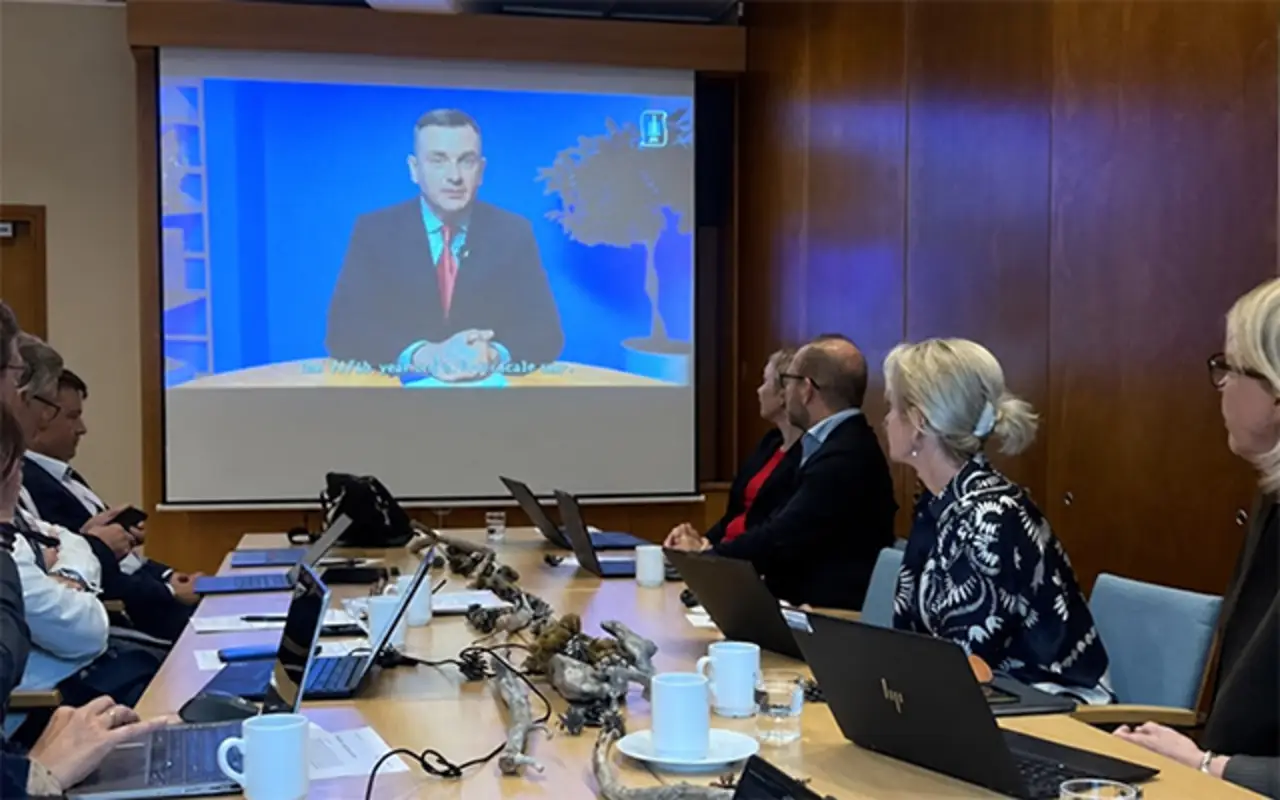
Are Europe's advocacy associations prepared for a potential war? V. Gvozdiy shared lessons from the Ukrainian experience
The continuity of the bar’s self-governance, the protection of professional registries and archives, as well as equal guarantees of employment for advocates, judges, and prosecutors must be enshrined in advance in legislation in the event of war or another emergency.

Educational events
How DISC helps manage «tigers», «monkeys», «elephants» and «turtles»
The same instruction from a manager may motivate one employee to take action, while leaving another without the necessary guidance. People perceive work tasks differently: for some, a deadline and the expected outcome are enough, while others need explanations, time or a detailed plan.

Legislation
The Verkhovna Rada is preparing a bill to implement the Convention on the Protection of the Professions of Lawyer
Members of Parliament plan to introduce a bill in the near future to implement the main provisions of the Council of Europe Convention on the Protection of the Professions of Lawyer. This parliamentary initiative may also prompt the government to expedite the preparation of the ratification package.

Greetings
The UNBA honored the winners of the «In the language of prose» contest and opened a fashion exhibition
The competition was organized by the UNBA Committee on humanitarian issues and creative initiatives in cooperation with the Center for advocacy and legal research. Two dozen advocates from various regions of Ukraine submitted their works to the competition committee for consideration. The entries were evaluated based on originality, the relevance of the chosen topic and the level of technical skill.
Discussion
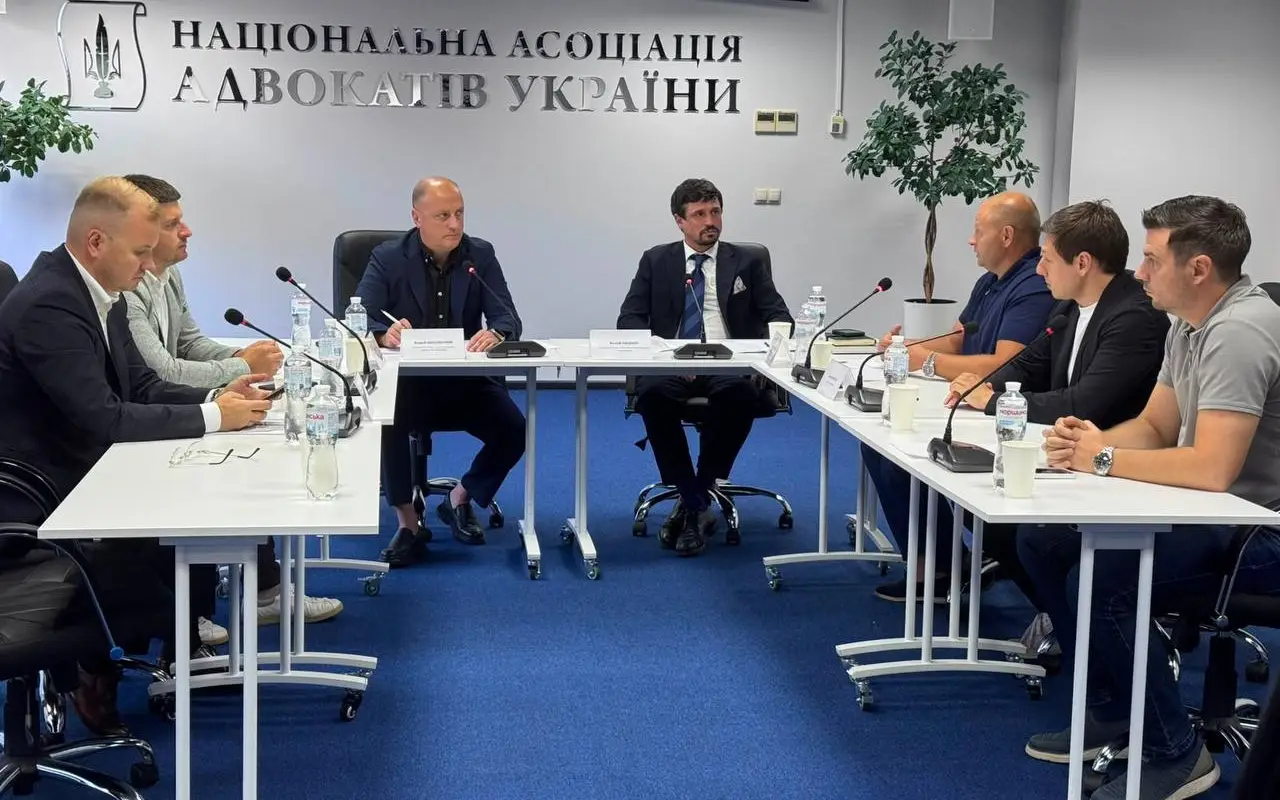
What is holding back funding for gas-fired power generation – discussion between businesses and banks at the UNBA
To provide loans for new gas-fired power generation projects, banks require a predictable cash flow, an investor’s equity contribution, and risk-sharing mechanisms. A business model that relies solely on a preferential gas price is not a sufficient basis for financing.
Educational events
Preparing a court argument: 7 tips for advocates
When preparing a courtroom speech, it is best to begin by formulating the decision the advocate is asking the court to render. Next, the structure of the speech should be built around this outcome, strong arguments should be selected, and weak points should be addressed.
Legislation
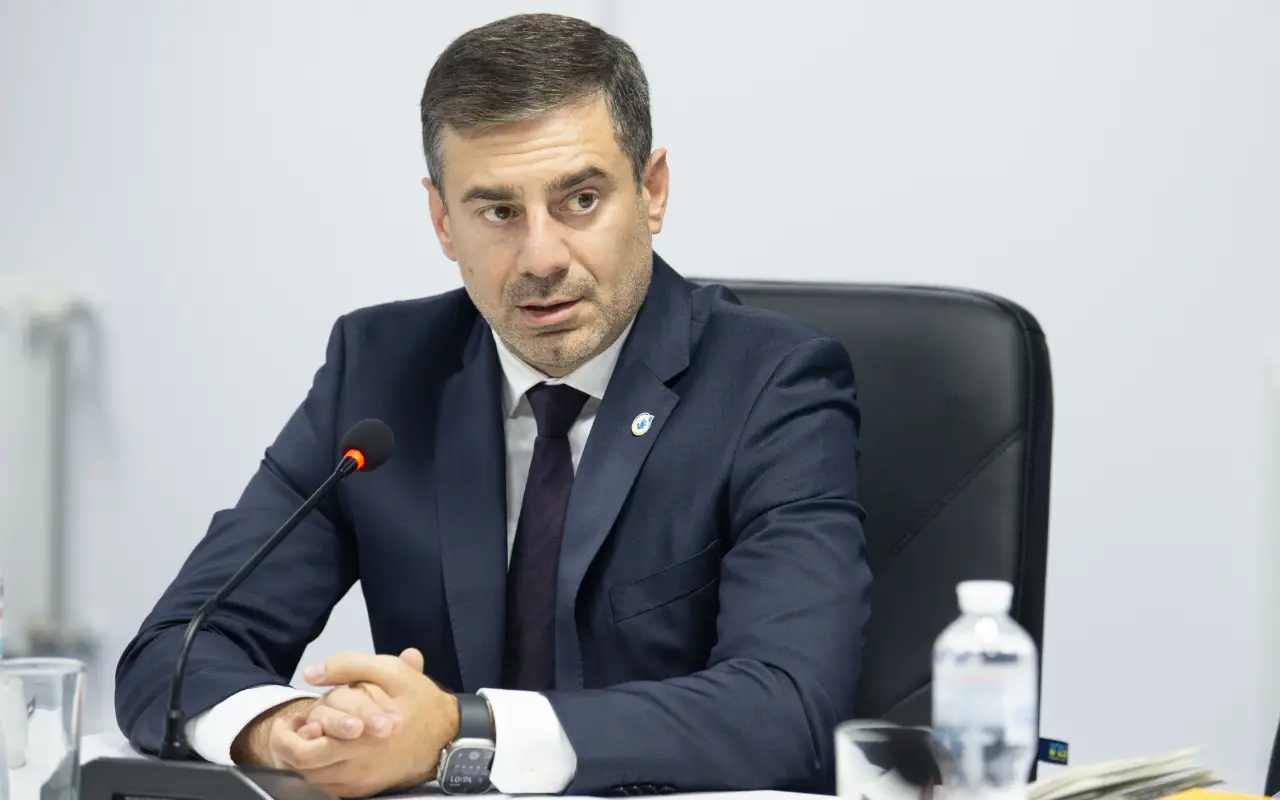
Advocates’ access to the TCC and the SP should be regulated by law – Ombudsman
The practice of denying advocates access to the premises of the TCC and the SP bears the hallmarks of systematic obstruction of the legal profession and deprives people of the opportunity to promptly obtain professional legal assistance. The procedure for such access must be codified in regulations issued by the Ministry of Defense.
Legislation
The path to ratification of the Convention must not end in yet another delay — L. Izovitova
Ukraine’s preparations for the ratification of the Council of Europe Convention on the Protection of the Professions of Lawyer have already passed key stages. Now, government institutions must submit the matter to the Verkhovna Rada for consideration. In doing so, Ukraine may complete the ratification process faster than EU member states.
Publications

Vasyl Kolishnyi, «Law and Business» Supporting mental health should become part of the professional culture of the Bar, - H. Udovenko

Volodymyr Matsko Extradition during wartime: when the risks outweigh the request

Volodymyr Matsko Extradition as a systemic form of rights violations

Victoria Yakusha, Law and Business The anti-corruption vertical cannot «take care» of the Bar as an institution, - acting head of the HQDCB

Censor.net Protecting advocates – protecting justice: addressing concerns about the new law

Ihor Kolesnykov A BRIEF SUMMARY REGARDING THE APPLICATION OF THE ORDER ON EXTENDED CONFISCATION IN LATVIA REGARDING FINANCIAL ASSETS OF…

Valentyn Gvozdiy WORKING IN A WAR ZONE

Lydia Izovitova Formula of perfection