


Why objections to the opening of appeal proceedings do not work

In order to improve the efficiency of the process, the Verkhovna Rada is proposed to grant participants in civil and administrative cases the right to file objections to the opening of appeal proceedings before they are opened. However, such an initiative will have no practical value.
This was noted by the Committee of the Ukrainian National Bar Association on Civil Law and Procedure following the analysis of Draft Law No. 12061 of 24.09.2024 «On Amendments to the Civil Procedure Code of Ukraine, the Commercial Procedure Code of Ukraine and the Code of Administrative Procedure of Ukraine regarding certain rights of participants in cases».
Thus, Articles 359 of the Civil Procedure Code and 300 of the Code of Administrative Procedure define the rules for opening appeal proceedings. The Draft proposes to supplement them with the provision that «before the opening of the appeal proceedings, the parties to the case have the right to file an objection to the opening of the appeal proceedings».
The UNBA noted that a similar provision is already contained in Part 2 of Article 262 of the Commercial Procedure Code, but it is declarative and has not been effectively applied and implemented since its introduction.
One of the purposes of granting the parties to the commercial proceedings the right to file objections to the opening of the appeal proceedings was to provide an opportunity to object to the appellant's filing of an appeal, in the absence of the right to appeal the decision to open the appeal proceedings. However, the EPC, while declaring the right to file such objections, does not contain an effective form of exercising this right that would contribute to achieving the ultimate goal (in particular, taking into account the arguments set forth in the objections by the court of appeal when deciding to open or refuse to open the appeal proceedings).
According to the Unified State Register of Court Decisions, the percentage of exercising the right to file objections to the opening of appeal proceedings is less than 1%. In most cases, such objections are limited to setting out the circumstances that are reviewed by the appellate court when considering the case on the merits, and not at the stage of opening the appeal proceedings. Therefore, the appellate courts do not take into account such content of the objection when opening the appeal proceedings, but are guided solely by Articles 260 and 261 of the EPC.
Therefore, even if we assume the effectiveness of filing objections before the opening of the appeal proceedings, it is still necessary to provide an expanded interpretation of the requirements and criteria for the content, preparation and procedure for filing such objections with the court by analogy with Articles 178, 360 of the Code of Civil Procedure.
However, since the provision enshrined in part 2 of Article 262 of the EPC has not been implemented in practice, supplementing the Code of Civil Procedure and the Code of Administrative Procedure with a similar provision will be inappropriate and ineffective.
For full comments and suggestions to the Draft Law No. 12061, please follow the link.
Popular news
Legislation
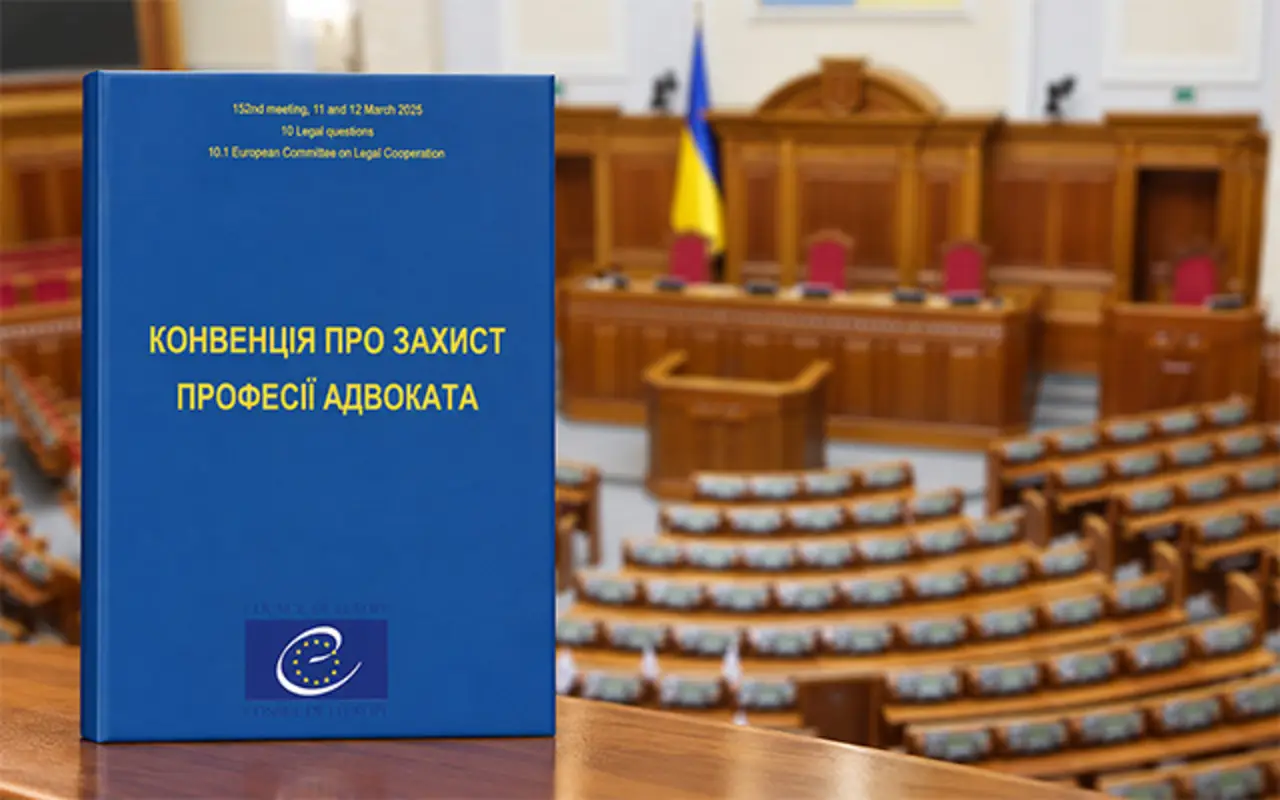
A bill implementing the Convention on the Protection of the Professions of Lawyer has been introduced
The constitutional guarantees of legal aid, defense, and the independence of advocacy cannot be realized without protecting advocates from unwarranted interference in their professional activities, including searches, the seizure of professional materials and the use of criminal procedural mechanisms to exert pressure.
Abroad
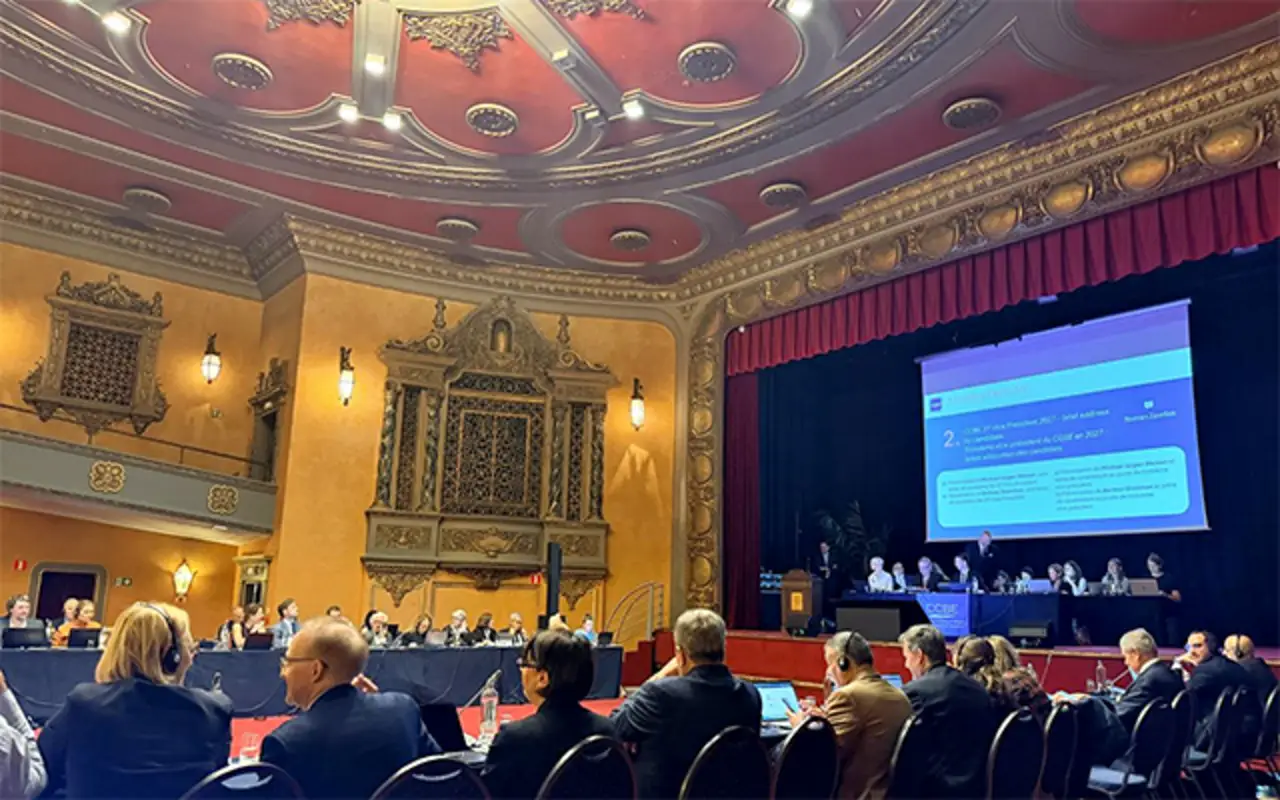
The CCBE is discussing European justice and issues related to the protection of advocates
Today, October 2, a meeting of the Standing Committee of the Council of Bars and Law Societies of Europe (CCBE) is taking place in Brussels. On the agenda are the protection of the advocate profession, the rule of law, attorney-client privilege, and changes in the European justice system.

Rule of Law Roadmap
The UNBA presented the key provisions of the future law on advocacy in Brussels
The Ukrainian National Bar Association presented its proposals for the upcoming law on advocacy, aligned with the Rule of Law Roadmap. The presentation covered topics such as access to the profession, self-governance, disciplinary procedures, professional development and guarantees for the practice of advocacy.

Educational events
Advocates were taught to voice their complaints without making accusations
In a difficult conversation, it’s easy to confuse facts with opinions, feelings with accusations, and requests with demands. How can you express dissatisfaction, explain your own needs, and propose a specific solution while still allowing your conversation partner the opportunity to refuse or suggest an alternative?

Guarantees of the practice of law
Search of an advocate's office after client's acquittal: criminal complaint filed
In Kyiv, law enforcement officers conducted a search of the home of an advocate who had defended a client acquitted by the court and seized materials from the advocate’s case file. The proceedings were initiated shortly after the acquittal, even though the document they were searching for was already included in the court case file.

Guarantees of the practice of law
The paradoxes of urgency: is it possible to investigate a crime before it is committed?
On September 24 in Kyiv, National Police officers detained an advocate during an emergency search, having caught him in the act of committing a crime. At the time, the pretrial investigation in this case had already been ongoing for more than four months.

Guarantees of the practice of law
A side effect of the video conference: the judge mistook the sound of a chair for the advocate's response
Technology also has its downsides. The High Council of Justice acquitted a judge who failed to hear the advocates during court proceedings in a civil case. One of the arguments presented to the disciplinary body was poor connectivity, the risks of which are borne by the participants.

Guarantees of the practice of law
Unrestricted access to advocates' accounts poses a risk of client data disclosure — BCU
Information regarding transactions in the bank accounts of an advocate, a law firm, or a bar association from which clients can be identified, as well as the fact and subject matter of a request for legal assistance, the purpose of payments, and the amount of the fee constitutes attorney-client privilege. This rule applies regardless of whether the information also constitutes banking information and is in the possession of a bank.
Publications

Vasyl Kolishnyi, «Law and Business» Supporting mental health should become part of the professional culture of the Bar, - H. Udovenko

Volodymyr Matsko Extradition during wartime: when the risks outweigh the request

Volodymyr Matsko Extradition as a systemic form of rights violations

Victoria Yakusha, Law and Business The anti-corruption vertical cannot «take care» of the Bar as an institution, - acting head of the HQDCB

Censor.net Protecting advocates – protecting justice: addressing concerns about the new law

Ihor Kolesnykov A BRIEF SUMMARY REGARDING THE APPLICATION OF THE ORDER ON EXTENDED CONFISCATION IN LATVIA REGARDING FINANCIAL ASSETS OF…

Valentyn Gvozdiy WORKING IN A WAR ZONE

Lydia Izovitova Formula of perfection