


BCU initiates disciplinary proceedings against two members of the HQCJ
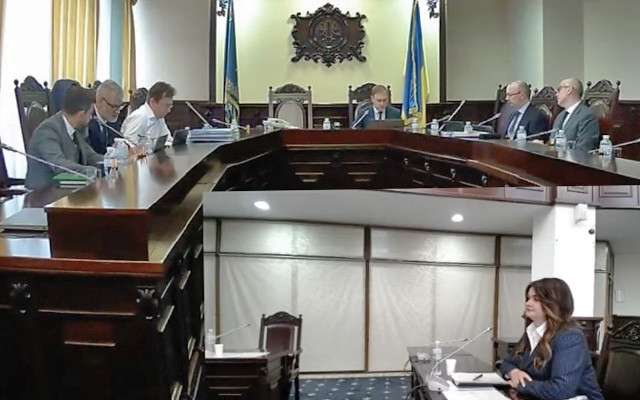
During an interview with advocate Zhanna Grushko as part of the competition for positions of judges of administrative courts of appeal, members of the High Qualification Commission of Judges of Ukraine violated guarantees of the legal profession.
This conclusion was reached by the Bar Council of Ukraine following a review and assessment of the video recording of the BCU meeting on May 6, 2025. Decision No. 72 was published on the UNBA website.
Acting within its discretionary powers to promote guarantees for the practice of advocacy, protect the professional and social rights of advocates, and adhere to the fundamental tasks of the self-government of advocates, the Bar Council of Ukraine established the following violations: identification of an advocate with a client; disclosure of attorney-client privilege; infringement of the professional rights of an advocate; violation of the honor, dignity, and business reputation of Z. Grushko; discrediting the legal profession; interference in the discretionary powers of other bodies.
In particular, during the interview, members of the High Qualification Commission of Judges disclosed the name of the lawyer's client, the amount of the fee received, the source of funding, asked questions about the political affiliation of clients, publicly suggested the possibility of her violating financial monitoring, expressed opinions that clients do not return to her, and linked the success of her work to the location of her office.
Thus, the result of the evaluation of candidate Z. Grushko was formed on the basis of unlawful actions by members of the Commission, who exceeded their competence and violated fundamental principles of the independence of the advocacy, which could have affected the objectivity and fairness of the decision on her non-compliance with the criteria of personal competence.
UNBA noted that the fact that the High Qualification Commission of Judges has discretion in assessing a candidate for the position of judge against the criteria of integrity does not mean that such discretion is unlimited. In any case, the limits of discretion exclude arbitrary actions and the use of powers for purposes other than those for which they were granted. In other words, the procedure for evaluating a candidate must be lawful in the context of fairness. In turn, a legal procedure is a component of the principles of legality and the rule of law and provides legal requirements for the proper adoption of acts by public authorities.
Therefore, the bodies responsible for selecting and evaluating candidates for positions, including advocates, should request relevant information from the Ukrainian National Bar Association regarding compliance with professional requirements by advocates, rather than establishing and evaluating violations themselves.
In connection with the facts revealed, the Bar Council of Ukraine decided to apply to the High Council of Justice with a request to open disciplinary proceedings against members of the High Qualification Commission of Judges Roman Sabodash and Ruslan Sydorovich, as well as to initiate disciplinary proceedings against them as advocates before regional Qualification and Disciplinary Bar Commissions.
Popular news
Interaction
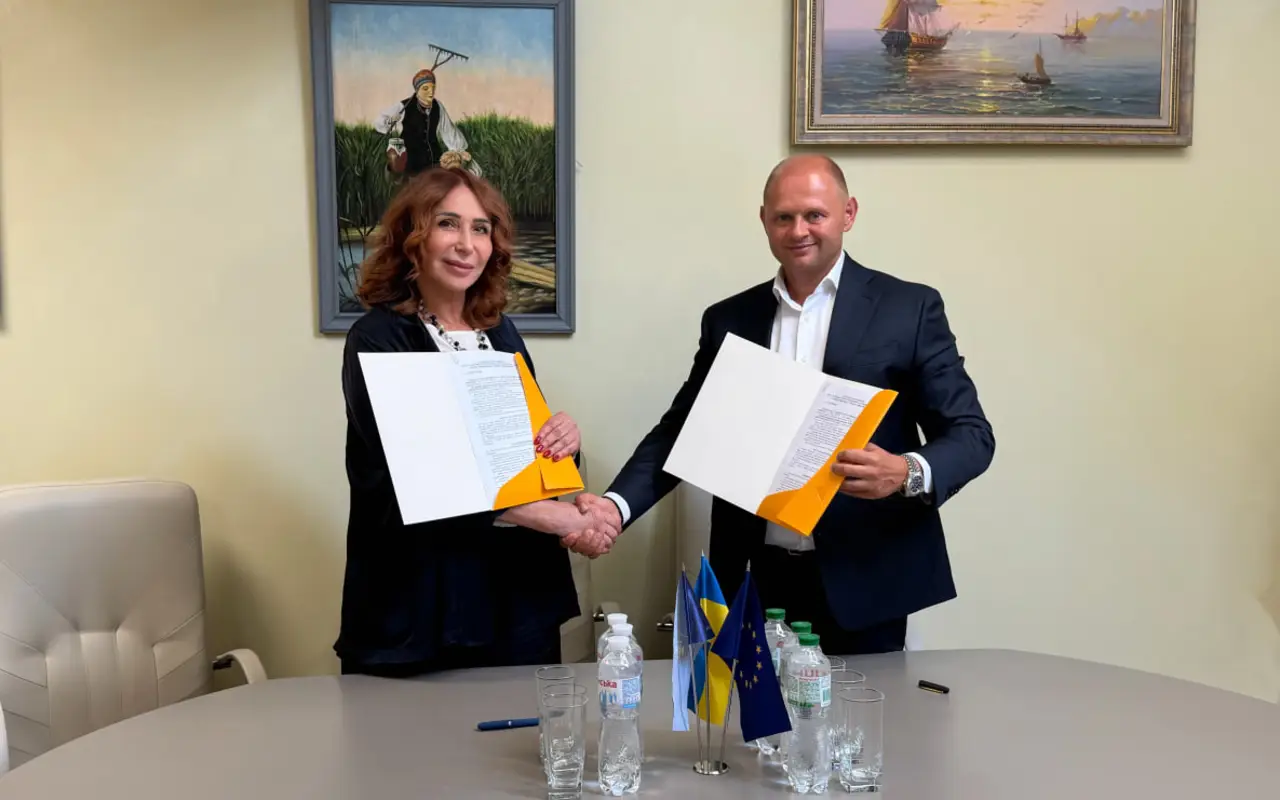
Energy law: the UNBA and the ADMGE have agreed to cooperate
Advocates will deepen their professional expertise in the field of energy law, and participants in the distributed and flexible generation market will have greater opportunities to obtain professional legal assistance.
Discussion
The Ministry of Defense is preparing new procedures for MMC: what changes are being proposed
The Ministry of Defense is establishing an interagency working group to develop a new procedure for military medical examinations conducted by military medical commissions. Among the issues requiring resolution are the issuance of documents based on examination results, referrals for repeat medical examinations, verification of the medical basis for decisions, and the accountability of military medical commission members.
Legal defence of military personnel
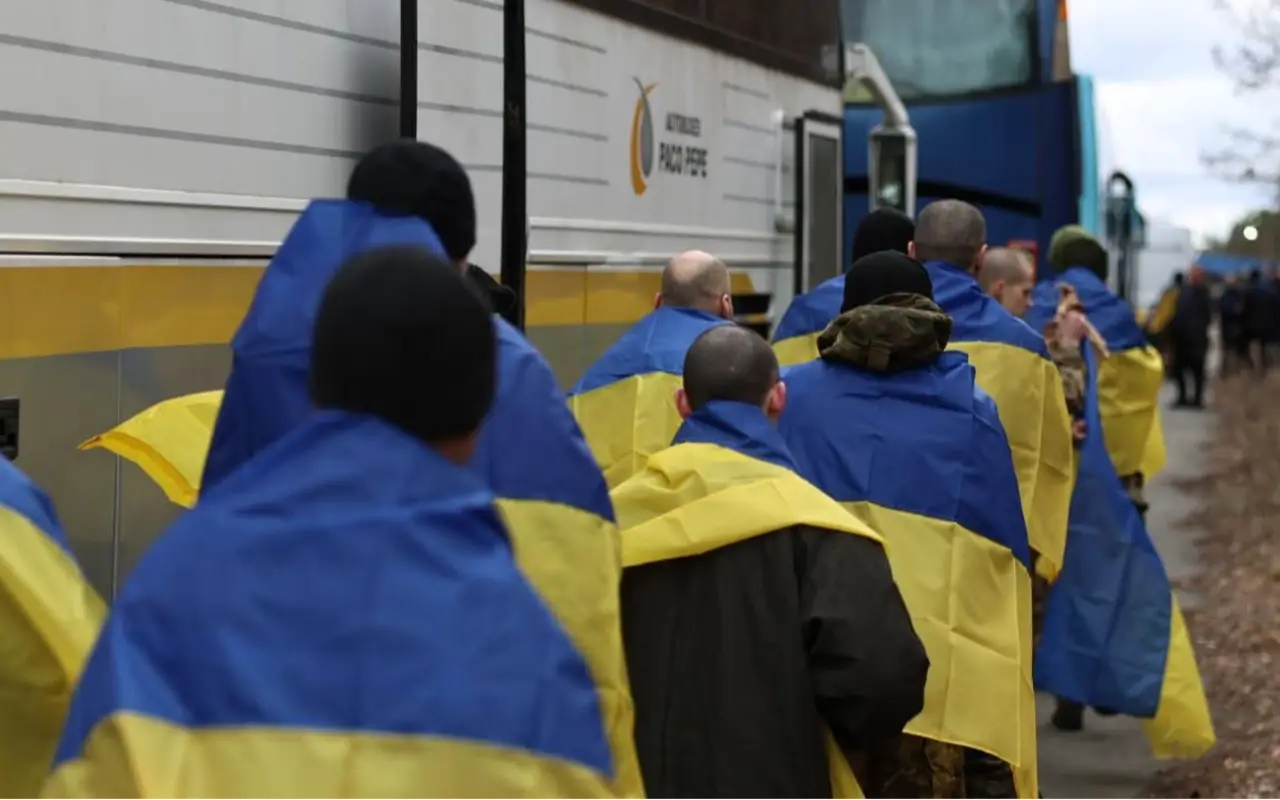
The Ministry of Defense has taken into account the UNBA's proposals regarding medical commissions for those released from…
The Ministry of Defense has included in the draft amendments to the procedure for military medical examinations certain proposals from the Ukrainian National Bar Association aimed at simplifying the process of confirming the circumstances of health impairments sustained during captivity and establishing a causal link to the defense of the homeland.
Interaction
The UNBA is developing a concept for a Center for expert research
The Ukrainian National Bar Association has begun work on a concept for a Center for expert research, which is intended to provide advocates and their clients with access to specialized knowledge and the ability to have expert opinions professionally reviewed.
Guarantees of the practice of law
Ombudsman calls for a firm response to violence against advocates
Every instance of obstruction of an advocate’s lawful activities, use of physical force, delaying an investigation, or concealment of evidence must be subject to a proper legal assessment. The state is obligated to ensure that the right to a defense is a genuine guarantee.
Discussion
Lobbyists are being offered the status of independent professional practice
Individuals engaged in lobbying are being offered the status of independent professionals. To achieve this, it is necessary to amend the Tax Code and the relevant law, as well as to define the specifics of taxing lobbyists’ professional income and expenses.
Discussion
Children under temporary protection: jurisdiction, evidence and a local advocate
In a cross-border dispute involving a child, temporary protection status alone does not determine jurisdiction or guarantee a specific outcome. An advocate needs coordinated action in Ukraine and the host country, a timely legal opinion, a local colleague, and a professional translation.
Greetings
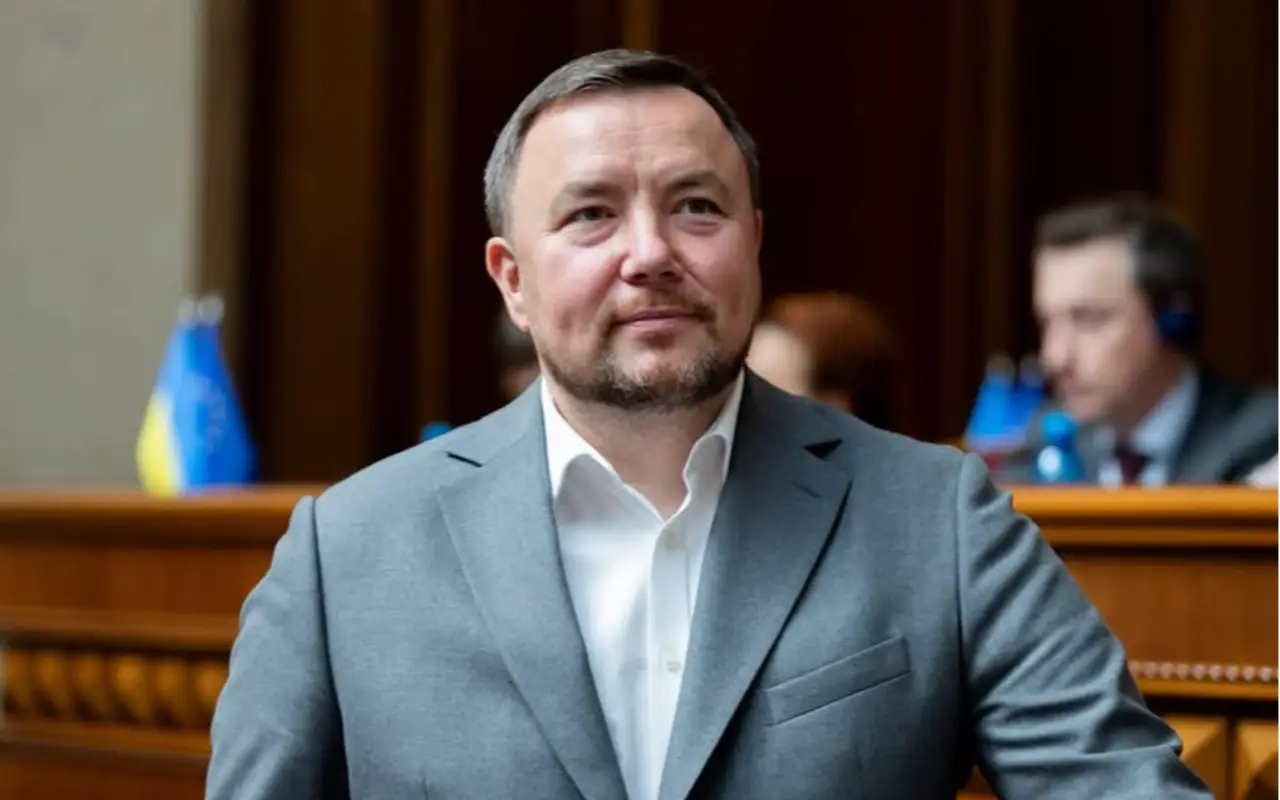
The UNBA congratulates Denis Maslov on his appointment as Minister of Justice
Denis Maslov’s many years of experience as a advocate, his work as a judge and his tenure as chairman of the Verkhovna Rada of Ukraine’s Committee on legal policy have given him a deep understanding of how the legal system functions and the challenges it faces.
Publications

Volodymyr Matsko Extradition during wartime: when the risks outweigh the request

Volodymyr Matsko Extradition as a systemic form of rights violations

Victoria Yakusha, Law and Business The anti-corruption vertical cannot «take care» of the Bar as an institution, - acting head of the HQDCB

Censor.net Protecting advocates – protecting justice: addressing concerns about the new law

Ihor Kolesnykov A BRIEF SUMMARY REGARDING THE APPLICATION OF THE ORDER ON EXTENDED CONFISCATION IN LATVIA REGARDING FINANCIAL ASSETS OF…

Valentyn Gvozdiy WORKING IN A WAR ZONE

Lydia Izovitova Formula of perfection

Sergiy Vylkov Our judicial system is so built that courts do not trust advocates