


Advocate's romance with prosecutor halts criminal case in Canada
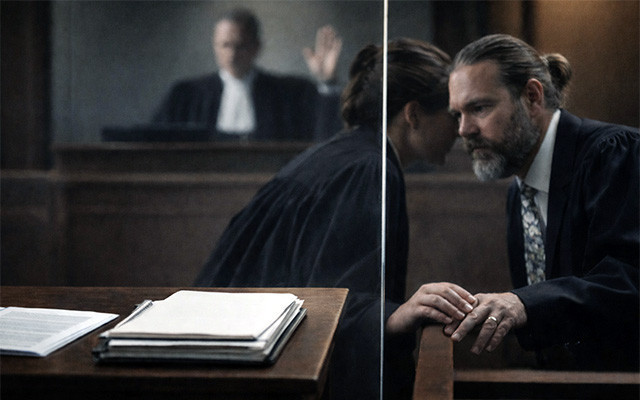
In Montreal (Quebec, Canada), a court suspended proceedings against eight defendants accused of illegal cannabis trafficking and money laundering after it was revealed that the prosecutor in the case and one of the advocates were in a secret intimate relationship.
The story of the extramarital affair between the lawyers and its consequences is recounted by the Canadian English-language publication Montreal Gazette.
High Court Judge Gregory Moore noted that suspending the proceedings was a last resort, but that he saw no other appropriate solution in the circumstances. In its decision, the court also focused on the implications for the defendants' right to choose their defense counsel and on trust in the justice system as a whole.
Prosecutor Alice Bourbonnais-Rougeau and defence lawyer Mathieu Rondeau-Poissant had a secret relationship while on «opposite sides» in ongoing criminal proceedings. However, the obvious conflict of interest in these circumstances was not properly disclosed to the defendants.
In assessing the conduct of the parties, the judge mentioned several times that the advocate had given false testimony under oath during court proceedings last year. The prosecutor was dismissed from her position in November; the court concluded that she had provided false information during her official explanations to management.
According to the evidence gathered, the procedural opponents exchanged more than 6,000 text messages over eight months. Some of them concerned discussions of events in the case. In one episode, the advocate apologized to the prosecutor for his behavior during negotiations on possible guilty pleas, in which other advocates participated, and admitted that he should have been «softer».
The court also noted that Bourbonnais-Rougeau had deleted all messages exchanged with Rondo-Poisson from her phone. Against this background, the judge emphasized that the defendants would not be able to establish the actual amount of confidential information that could have been disclosed. The court found the assurances of both lawyers that the confidential information had not been disclosed to be unreliable.
The judge placed particular emphasis on the fact that the situation deprived the defendant of the opportunity to make an informed choice of defense counsel. The judge also linked the concealment of the conflict of interest to the undermining of public confidence in the integrity of the justice system. In his opinion, when a prosecutor creates a conflict of interest, conceals information, misleads colleagues, and destroys evidence, it undermines the ability of the judicial system to act as a reliable and trustworthy mechanism for considering criminal charges.
Popular news
Interaction
The UNBA is developing a concept for a Center for expert research
The Ukrainian National Bar Association has begun work on a concept for a Center for expert research, which is intended to provide advocates and their clients with access to specialized knowledge and the ability to have expert opinions professionally reviewed.
Guarantees of the practice of law
Ombudsman calls for a firm response to violence against advocates
Every instance of obstruction of an advocate’s lawful activities, use of physical force, delaying an investigation, or concealment of evidence must be subject to a proper legal assessment. The state is obligated to ensure that the right to a defense is a genuine guarantee.
Greetings
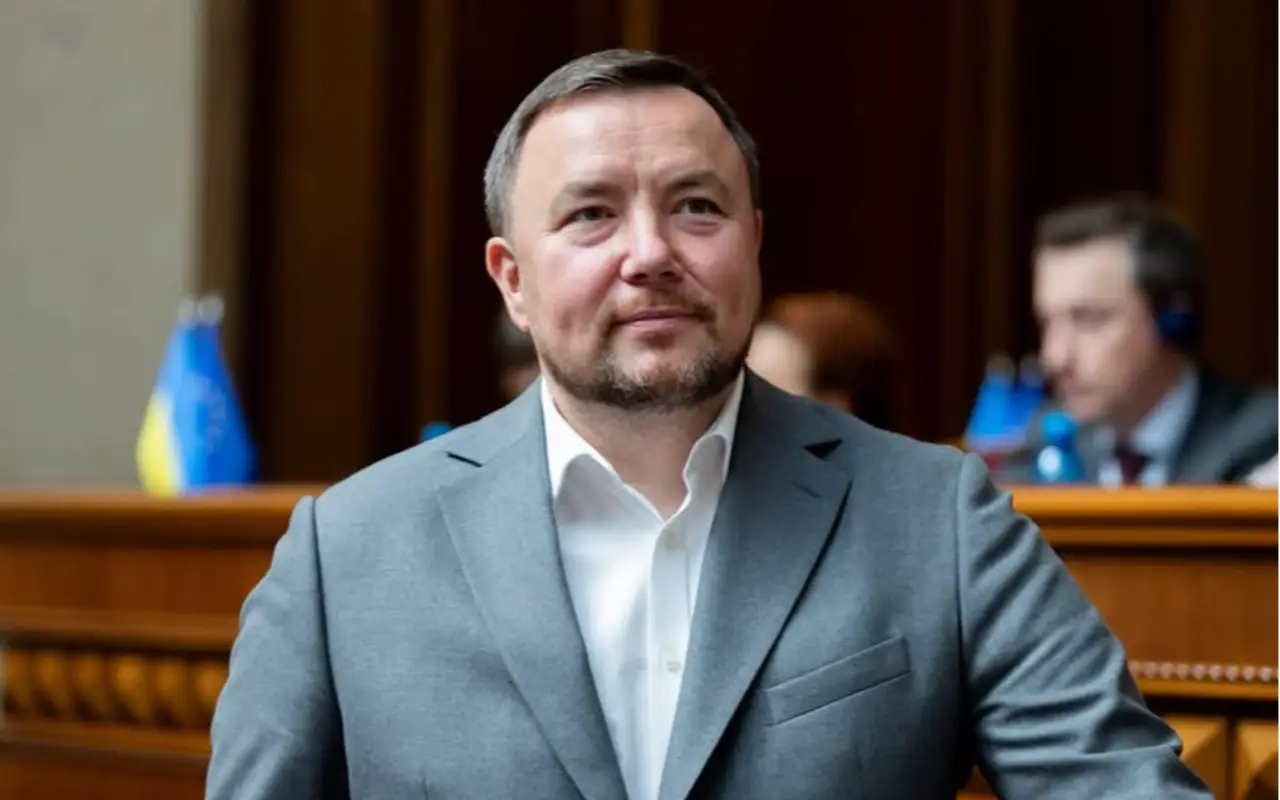
The UNBA congratulates Denis Maslov on his appointment as Minister of Justice
Denis Maslov’s many years of experience as a advocate, his work as a judge and his tenure as chairman of the Verkhovna Rada of Ukraine’s Committee on legal policy have given him a deep understanding of how the legal system functions and the challenges it faces.
Legislation
The Verkhovna Rada explained why the section on advocacy should be removed from the anti-corruption strategy
The section on advocacy and legal aid in the draft anti-corruption strategy for 2026–2030 goes beyond the scope of anti-corruption policy and is inconsistent with the constitutional guarantees of the independence of the legal profession.
Announcements
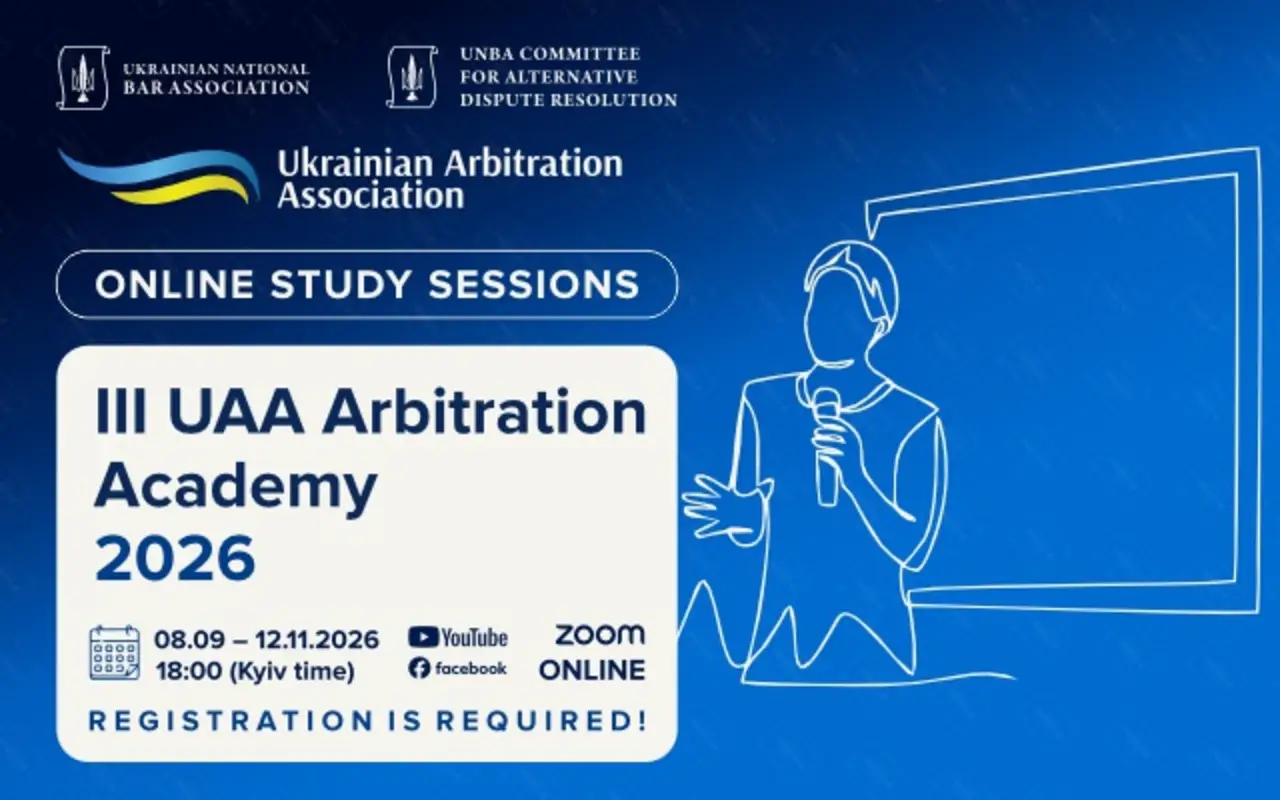
Advocates are invited to the III UAA Arbitration Academy 2026
The UNBA, at the initiative of the Committee on alternative dispute resolution, invites advocates, lawyers, students, judges, government officials and anyone interested in international arbitration to participate in the III UAA Arbitration Academy 2026.

Educational events
How can an advocate recharge if fatigue persists after the weekend?
Fatigue resulting from prolonged stress does not always go away after sleep, a weekend, or a vacation. In situations of chronic stress, it is important for advocates not only to «take a break» but also to understand exactly which resource has been depleted and what type of rest is needed.
Discussion
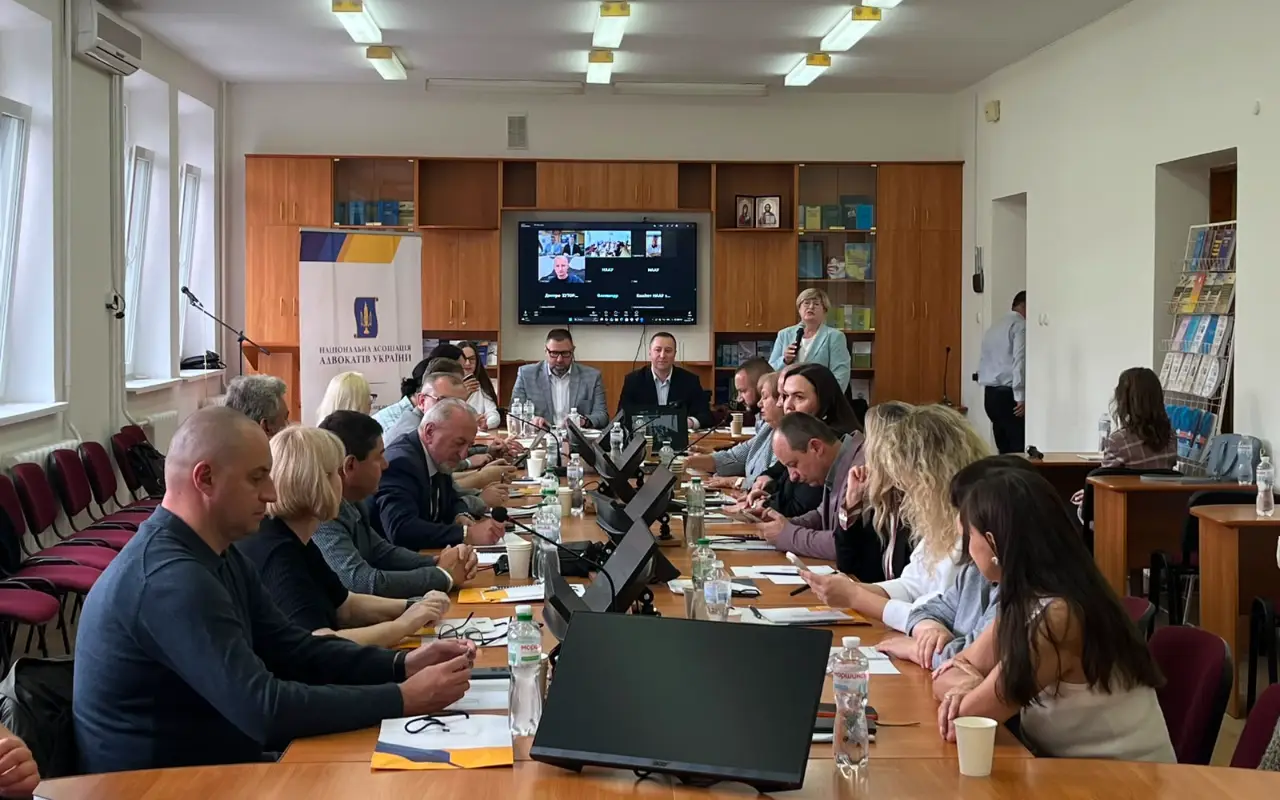
Complaints, time limits and prosecutorial powers: what gaps in the CPC do advocates see?
During the pretrial investigation stage, the effectiveness of the defense depends to a large extent on the proper implementation of procedural safeguards: the timely consideration of complaints, the advocate’s access to information regarding the progress of the proceedings and so on.
Guarantees of the practice of law
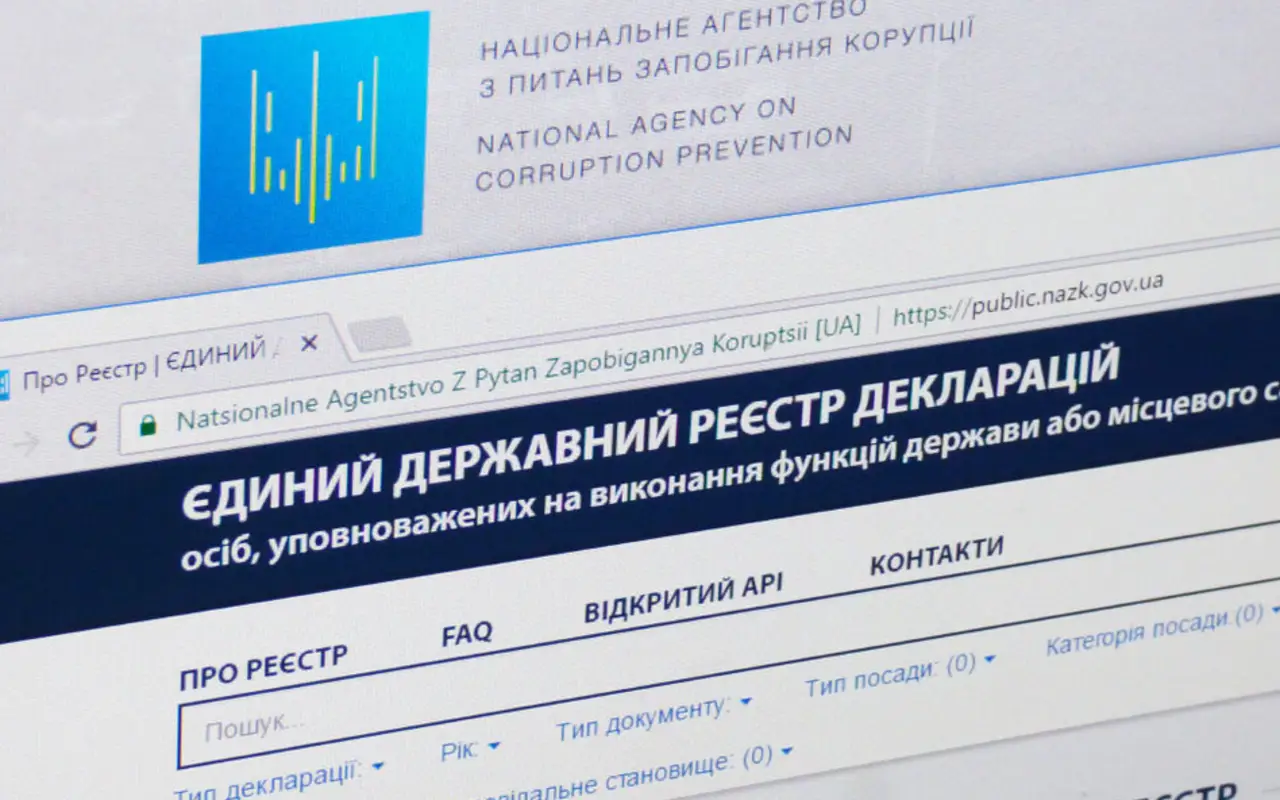
The NACP’s clarification regarding the declaration of membership in the UNBA should be clarified – BCU
An advocate’s membership in the UNBA is an element of professional status arising by virtue of law, rather than a voluntary private membership in an association. Therefore, failure to disclose it in a declaration should not automatically lead to the conclusion of unethical conduct or the concealment of a private interest.
Publications

Volodymyr Matsko Extradition during wartime: when the risks outweigh the request

Volodymyr Matsko Extradition as a systemic form of rights violations

Victoria Yakusha, Law and Business The anti-corruption vertical cannot «take care» of the Bar as an institution, - acting head of the HQDCB

Censor.net Protecting advocates – protecting justice: addressing concerns about the new law

Ihor Kolesnykov A BRIEF SUMMARY REGARDING THE APPLICATION OF THE ORDER ON EXTENDED CONFISCATION IN LATVIA REGARDING FINANCIAL ASSETS OF…

Valentyn Gvozdiy WORKING IN A WAR ZONE

Lydia Izovitova Formula of perfection

Sergiy Vylkov Our judicial system is so built that courts do not trust advocates