


BCU reports interference by a member of the High Council of Justice in the activities of a lawyer and submits official appeals
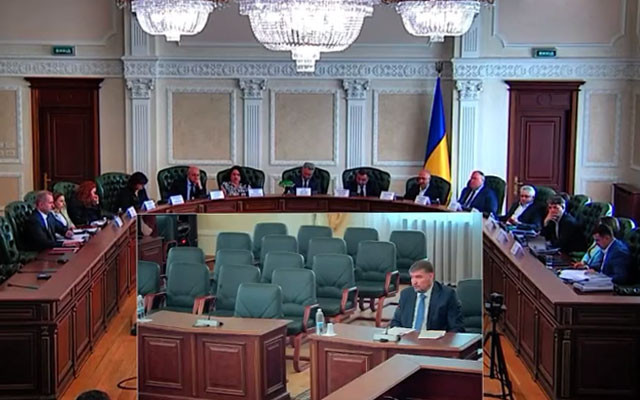
The Bar Council of Ukraine, having considered the statement of advocate Oleksandr Vikhrov, established the fact of interference by Roman Maselko, a member of the High Council of Justice, in the advocacy activities, violation of attorney-client privilege, and exceeding his powers in evaluating a candidate for the position of judge.
The advocate participated in competitive procedures for the position of judge of the Commercial Court of Zaporizhzhia Region. In December 2023, the High Qualification Commission of Judges recommended him for appointment, after which the materials were transferred to the High Council of Justice. R. Maselko was the rapporteur on this issue.
During the preparation and conduct of the interview, the latter demanded that the advocate provide documents and video recordings from the advocate's file obtained in the course of providing legal assistance, as well as explanations regarding the contract with the client. Separately, a member of the High Council of Justice disclosed information about the advocate’s personal and family life, commented on his father’s status and made assumptions about the nature of his property relations with his ex-wife.
R. Maselko also paid close attention to an administrative protocol drawn up in 2018 against the advocate under Article 185 (Malicious disobedience to a lawful order or demand of a police officer) of the Code of Administrative Offenses while defending a client at the police station. At that time, the court closed the proceedings, recognizing the absence of an event and the elements of an offense. The decision became final and remained in force. Seven years later, Roman Maselko, a member of the High Council of Justice, interviewed the police officers who had drawn up the administrative protocol in 2018. Their explanations differed from the circumstances established by the court. He used the information obtained during a meeting of the High Council of Justice, effectively questioning the legality of a court decision that had become final, thereby violating the principle of finality of court decisions.
According to the rapporteur in the case, member of the BCU from Rivne region Hanna Lazarchuk, such conduct is contrary to one of the key duties of a member of the High Council of Justice, namely to ensure the independence of the judiciary and to act exclusively in the interests of justice, in compliance with the Constitution and laws of Ukraine. Furthermore, the actions of a person with the status of an advocate (despite the suspension of his right to practice law) not only discredit the legal profession, but also constitute interference in the administration of justice and undermine the authority of the judiciary.
Finally, on June 3, 2025, the High Council of Justice adopted Decision No. 1178/0/15-25, refusing to appoint O. Vikhrov to the position of judge. Moreover, the reasoning section of the decision referred to circumstances that he considers to have been gathered unlawfully and in violation of the guarantees of the legal profession.
Considering that such actions by R. Maselko violated the guarantees of the practice of law, the advocate appealed to the Ukrainian National Bar Association for protection.
The rapporteur on this issue, member of the BCU Hanna Lazarchuk, reported that she had personally reviewed the video recording of Oleksandr Vikhrov's interview with the High Council of Justice. The video recording showed that during the interview, R. Maselko, who is an advocate and well aware of the requirements of the law regarding the preservation of attorney-client privilege, demanded that the candidate provide documents from his attorney's file, including a video recording obtained in the course of defending a client.
H. Lazarchuk emphasized that the duty to maintain attorney-client privilege is indefinite and does not depend on the moment when the provision of legal assistance ends. Given R. Maselko's professional status and experience, such a request was clearly deliberate, and the disclosure of information constituting attorney-client privilege without the client's consent constitutes interference in the practice of law and a violation of the guarantees of attorney independence.
During the discussion of the issue, BCU members proposed to recognize and record the fact of interference in the practice of law and disclosure of attorney-client privilege, initiate disciplinary proceedings against R. Maselko as an advocate, and file statements about the commission of a crime with law enforcement agencies. The need for a comprehensive response from the advocacy community was also emphasized, and proposals were made to inform the bodies responsible for appointing members of the High Council of Justice, the Ethics Council, as well as international organizations and partners about the violation of guarantees of the practice of law and the principle of the rule of law.
The member of the BCU from Khmelnytsky region Oksana Kadenko reinforced her colleagues’ arguments, emphasizing that the HQC member had acted beyond the powers granted to him by law, violating the principle of legal certainty. This principle was embodied in the final court decision, which he reviewed during the evaluation of a candidate for the position of judge.
This resulted in a violation of attorney-client privilege and the rights of a specific individual in the form of discrediting her as a representative of the legal community in the judge selection process.
O. Kadenko stressed that such practices of discrediting advocates, in particular the use of their professional activities against them, must be stopped. She proposed that information about the systematic nature of the disrespectful treatment of advocates and the use of such obviously illegal methods of influence be included in appeals to international institutions and partners.
Following the discussion, the Bar Council of Ukraine decided, first of all, to appeal to the appointing authority of Roman Maselko, the High Council of Justice, as well as to the appointing authorities of those members of the High Council of Justice who, through their actions or support, contributed to interference in the independent practice of lawyers and disclosure of lawyer-client privilege. The relevant notifications will also be sent to international institutions that carry out or support justice reform, including the Ethics Council. At the same time, the Bar Council of Ukraine will file complaints and notifications to the disciplinary bodies of the advocacy and law enforcement agencies in order to bring those responsible to justice for actions that violate the guarantees of the advocacy and undermine the authority of justice.
Popular news

Legislation
The Verkhovna Rada is preparing a bill to implement the Convention on the Protection of the Professions of Lawyer
Members of Parliament plan to introduce a bill in the near future to implement the main provisions of the Council of Europe Convention on the Protection of the Professions of Lawyer. This parliamentary initiative may also prompt the government to expedite the preparation of the ratification package.
Educational events
Preparing a court argument: 7 tips for advocates
When preparing a courtroom speech, it is best to begin by formulating the decision the advocate is asking the court to render. Next, the structure of the speech should be built around this outcome, strong arguments should be selected, and weak points should be addressed.
Legislation
The path to ratification of the Convention must not end in yet another delay — L. Izovitova
Ukraine’s preparations for the ratification of the Council of Europe Convention on the Protection of the Professions of Lawyer have already passed key stages. Now, government institutions must submit the matter to the Verkhovna Rada for consideration. In doing so, Ukraine may complete the ratification process faster than EU member states.
Edition
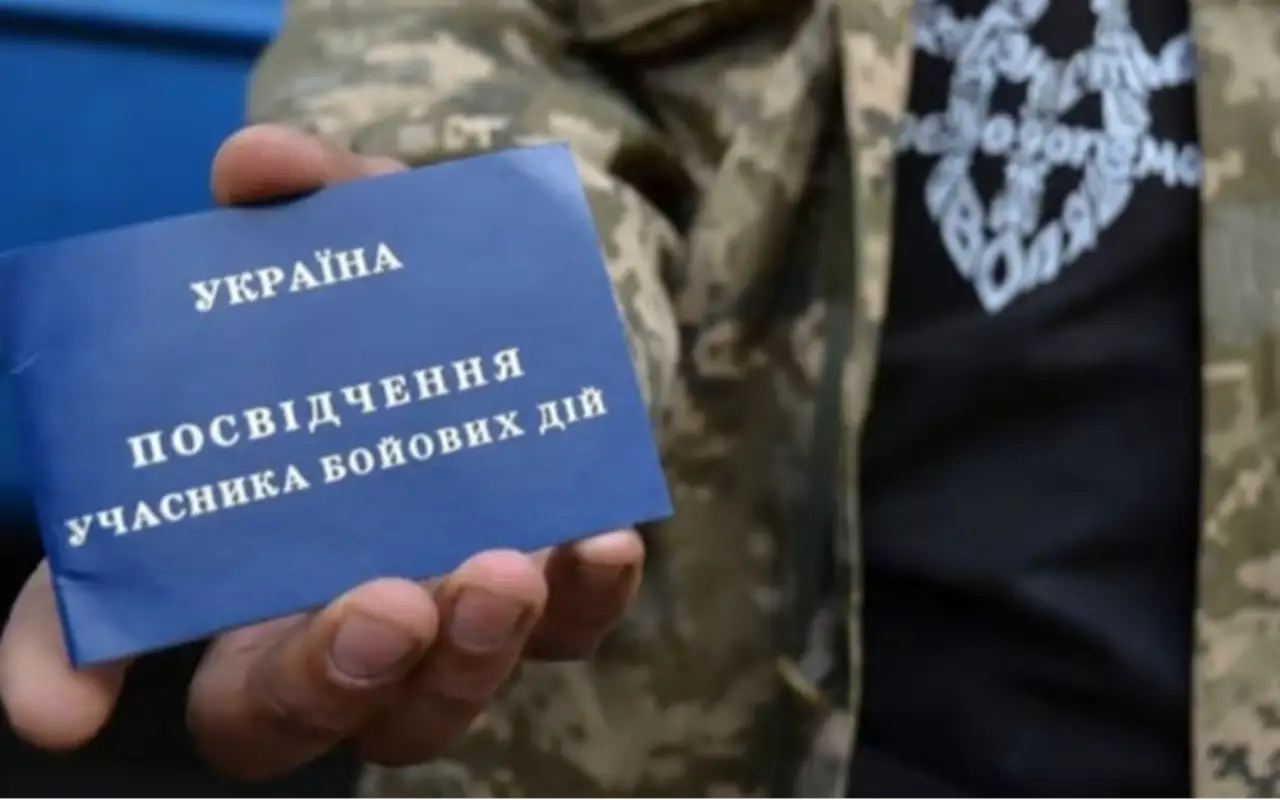
Veterans were provided with algorithms for responding to malfunctions
The UNBA Committee on the protection of victims of armed aggression against Ukraine, compensation mechanisms and European integration legal support for recovery together with the Ministry of Veterans Affairs of Ukraine has prepared the latest Legal Guide for War Veterans.
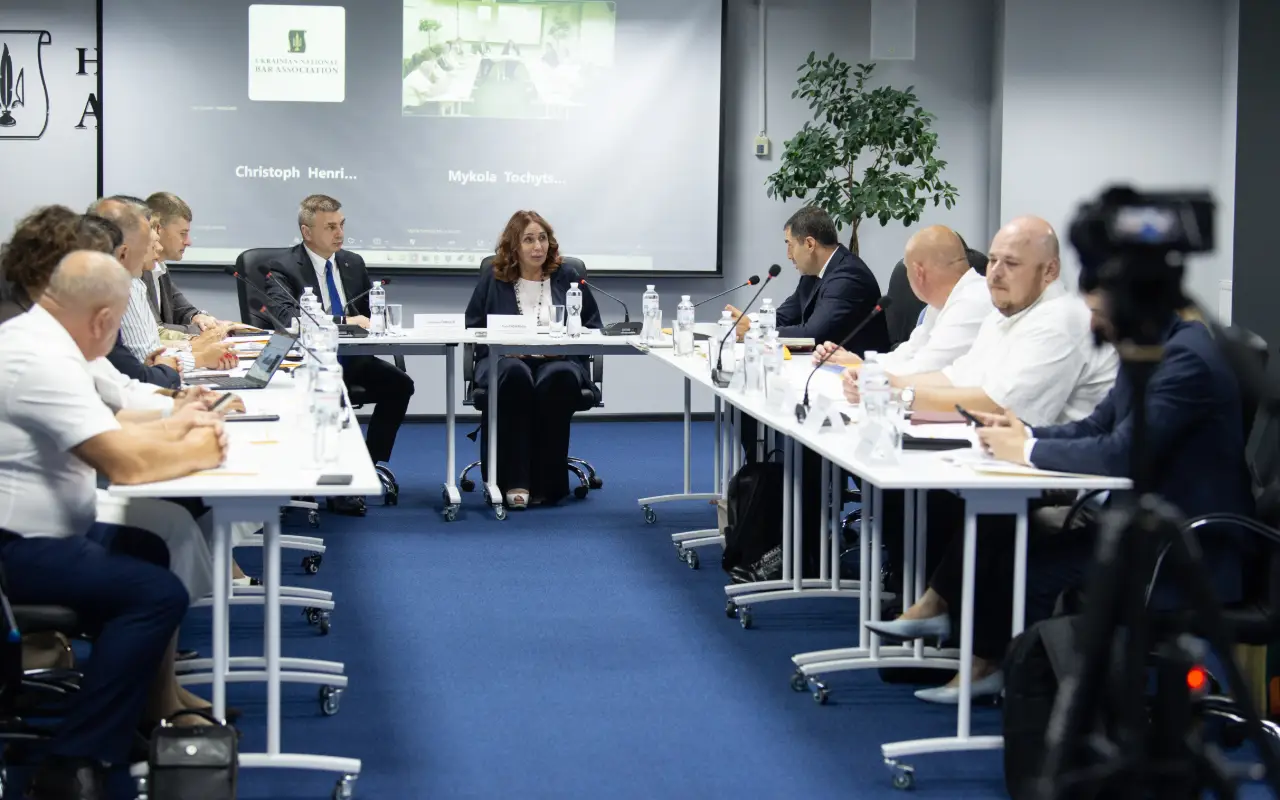
Guarantees of the practice of law
Ukraine could be the first to implement a European mechanism for the protection of advocates. What’s holding it back?
Ukraine has a chance to be the first country to ratify the Council of Europe Convention on the Protection of the Professions of Lawyer. Political support for this exists, but the government’s legislative package has not yet been submitted to parliament. Meanwhile, the number of violations of advocates’ rights is on the rise.
Educational events
How can an advocate verify that work has been completed if the client refuses to sign the report?
When billing by the hour, the primary document for determining the fee may be a detailed report on the time spent by the advocate and the work performed. To prevent the client from withholding payment, the contract should specify in advance the procedure for submitting and approving such a report.
Self-government
The BCU took note of the public appeal from the HCJ
The Bar Council of Ukraine has determined that, given the current security situation, it is objectively impossible to hold, in accordance with the procedure established by the Law «On the advocacy and the practice of law», meetings of advocates, regional conferences of advocates and the Congress of Ukrainian Advocates, including for the purpose of electing two members of the High Council of Justice under the quota allocated to the Congress of Ukrainian Advocates.
War
The BCU has launched a digital project «Wall of Remembrance and Honor»
The Bar Council of Ukraine has adopted a resolution to launch the digital project «Wall of Remembrance and Honor». To this end, the UNBA is beginning to collect information on advocates and paralegals who lost their lives as a result of the Russian Federation’s armed aggression against Ukraine.
Publications

Vasyl Kolishnyi, «Law and Business» Supporting mental health should become part of the professional culture of the Bar, - H. Udovenko

Volodymyr Matsko Extradition during wartime: when the risks outweigh the request

Volodymyr Matsko Extradition as a systemic form of rights violations

Victoria Yakusha, Law and Business The anti-corruption vertical cannot «take care» of the Bar as an institution, - acting head of the HQDCB

Censor.net Protecting advocates – protecting justice: addressing concerns about the new law

Ihor Kolesnykov A BRIEF SUMMARY REGARDING THE APPLICATION OF THE ORDER ON EXTENDED CONFISCATION IN LATVIA REGARDING FINANCIAL ASSETS OF…

Valentyn Gvozdiy WORKING IN A WAR ZONE

Lydia Izovitova Formula of perfection