


BCU will request that rooms for advocates to work in be created in all TCC
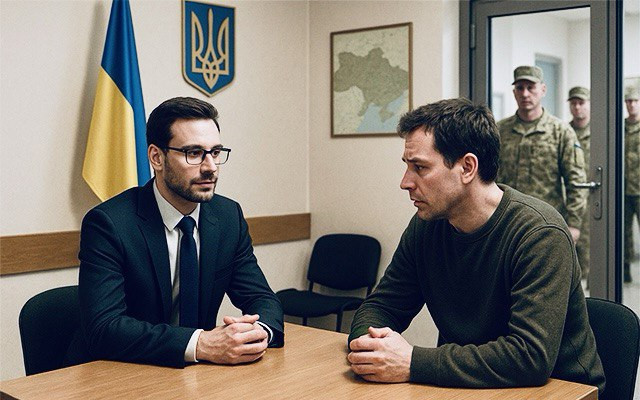
The Bar Council of Ukraine will appeal to the General Staff of the Armed Forces and the Ministry of Defense with a request to set up separate premises for advocates to work in all territorial recruitment and social support centers.
This decision was made during a meeting of the BCU on October 18 in response to systematic violations of the professional rights of advocates. The issue was brought up for consideration by the chairman of the Bar Council of Kharkiv Region Viktoria Gayvoronska, who drew her colleagues' attention to the scale of the problem and the need for urgent action.
Advocate self-government bodies throughout Ukraine have recorded numerous cases of interference in the activities of advocates by representatives of the TCC. Among the most common violations are ignoring advocate requests, denying advocates access to premises for meetings with clients, and in the worst cases, intimidation, detention, and even the use of physical force. These incidents demonstrate not only a disregard for the guarantees of lawyers' activities, but also a violation of fundamental human rights, in particular the constitutional right to legal assistance and protection.
Although some regions have managed to establish constructive cooperation with the TCC, the problem remains nationwide. Not all regional advocate councils that have independently attempted to resolve this issue locally have been able to agree on appropriate cooperation. Moreover, even where premises for advocates formally exist, lawyers are often simply not allowed to enter them. The problem lies not only in creating an appropriate space for the provision of professional legal assistance, but also in ensuring real access to it for both advocates and conscripts.
During the discussion at the BCU meeting, particular attention was paid to the need to develop a clear algorithm for interaction between advocates and TCC employees. Often, a confidential meeting between an advocate and a client is mistakenly perceived by TCC representatives as an attempt to interfere with the mobilization procedure or even to evade it. In fact, the right of an advocate to communicate with a client does not legally interfere with mobilization activities. Advocates do not interfere with the process — they ensure its legality and protect the rights of individuals. However, the lack of clear rules leads to conflicts that could be avoided if there were clear procedures in place.
BCU has chosen a balanced strategy that combines regional dialogue with centralized support. Issues of cooperation should be resolved primarily at the local level — through direct contacts between regional bar councils and the TCC in their regions. At the same time, an official appeal by the BCU to the central law enforcement agencies will have a coordinating effect and strengthen the position of the regions in negotiations.
Members of the Bar Council of Ukraine unanimously supported two practical steps to solve the problem. First, the BCU will officially appeal to the Ministry of Defense and the General Staff of the Armed Forces of Ukraine with a request to equip all TCCs with separate rooms for advocates to work and to ensure unhindered access to these premises for both advocates and conscripts. The key requirement is to guarantee the confidentiality of communication between advocates and their clients. Second, a practical guide will be prepared for advocates with clear rules for conducting confidential meetings at TCCs. This document will help minimize conflict situations and ensure effective protection of clients' rights within the framework of current legislation.
Popular news
Guarantees of the practice of law
Independent oversight is necessary before using CISA materials against an advocate – Lidiya Izovitova
Before the prosecution uses information obtained during covert investigative actions and related to an advocate’s activities, independent procedural oversight must be conducted. It is necessary to determine whether such information is covered by attorney-client privilege and whether it may be disclosed.
Self-government
Efforts to develop advocacy must be brought to fruition — A. Misyats
The Ukrainian advocacy profession is currently going through a critical phase. Amid the war, it must ensure the continuity of legal aid, defend the independence of the profession, and improve qualification and disciplinary procedures in accordance with European standards. The work that has been started must be brought to a practical conclusion.
Support
Protecting the legal profession, cybersecurity and support for advocates: common themes for the IBA and the UNBA
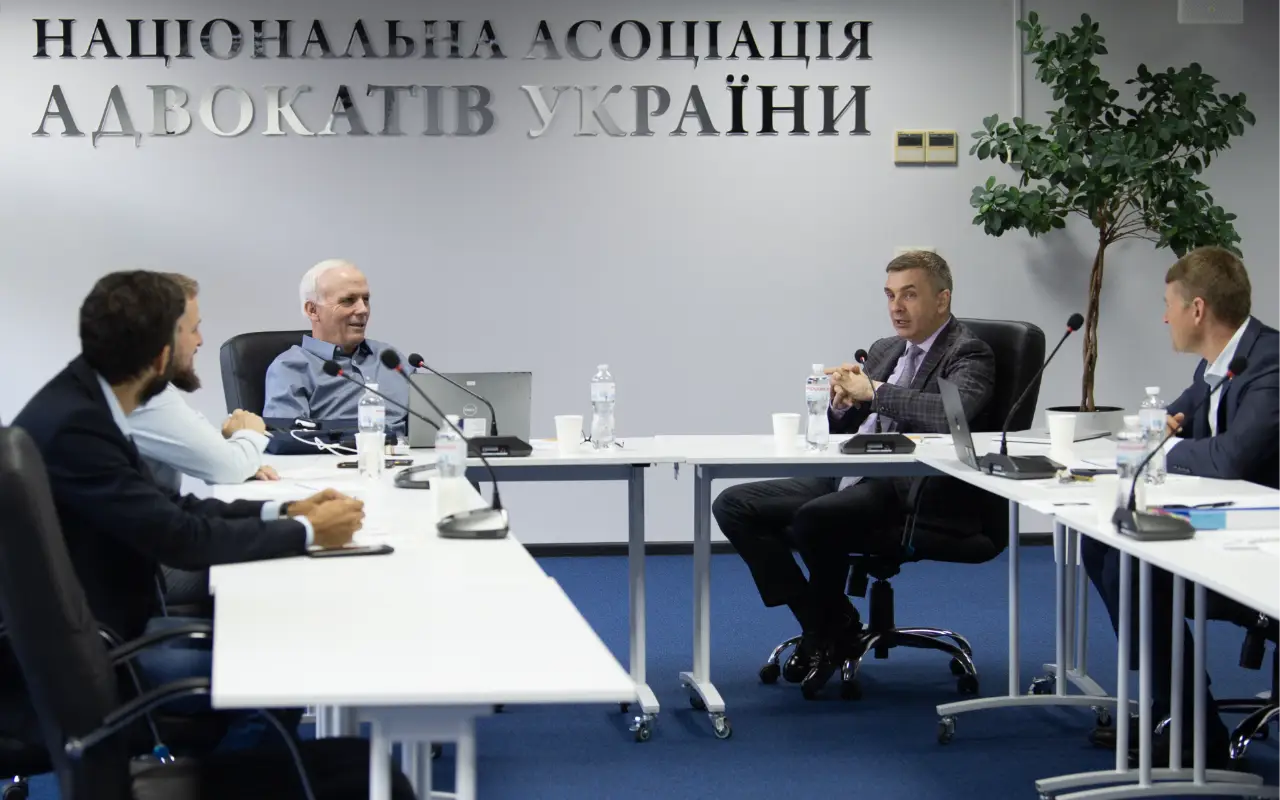
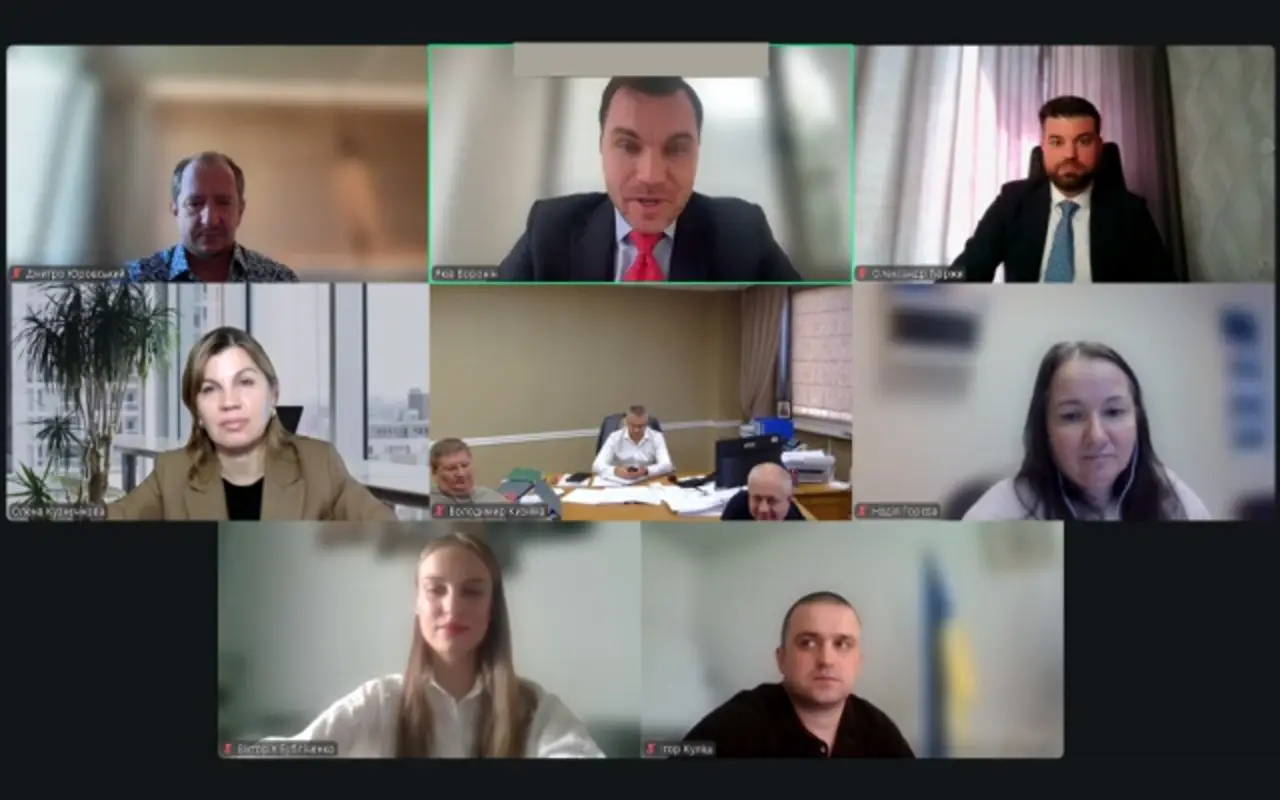
On September 18, a working meeting was held at the office of the Ukrainian National Bar Association with Executive Director of the International Bar Association (IBA) Mark Ellis. The parties discussed the Ukrainian advocacy profession’s participation in European legal processes, the protection of the UNBA’s digital infrastructure, psychological support for advocates and future areas of cooperation.
Educational events
Tax residency of Ukrainians abroad: what matters
The determination of tax residency for Ukrainians who have been living abroad for an extended period depends on the combination of their personal and economic ties to each country. The established status determines the procedure for reporting income, paying taxes and fulfilling CFC reporting obligations.
War
Are Europe's advocacy associations prepared for a potential war? V. Gvozdiy shared lessons from the Ukrainian experience
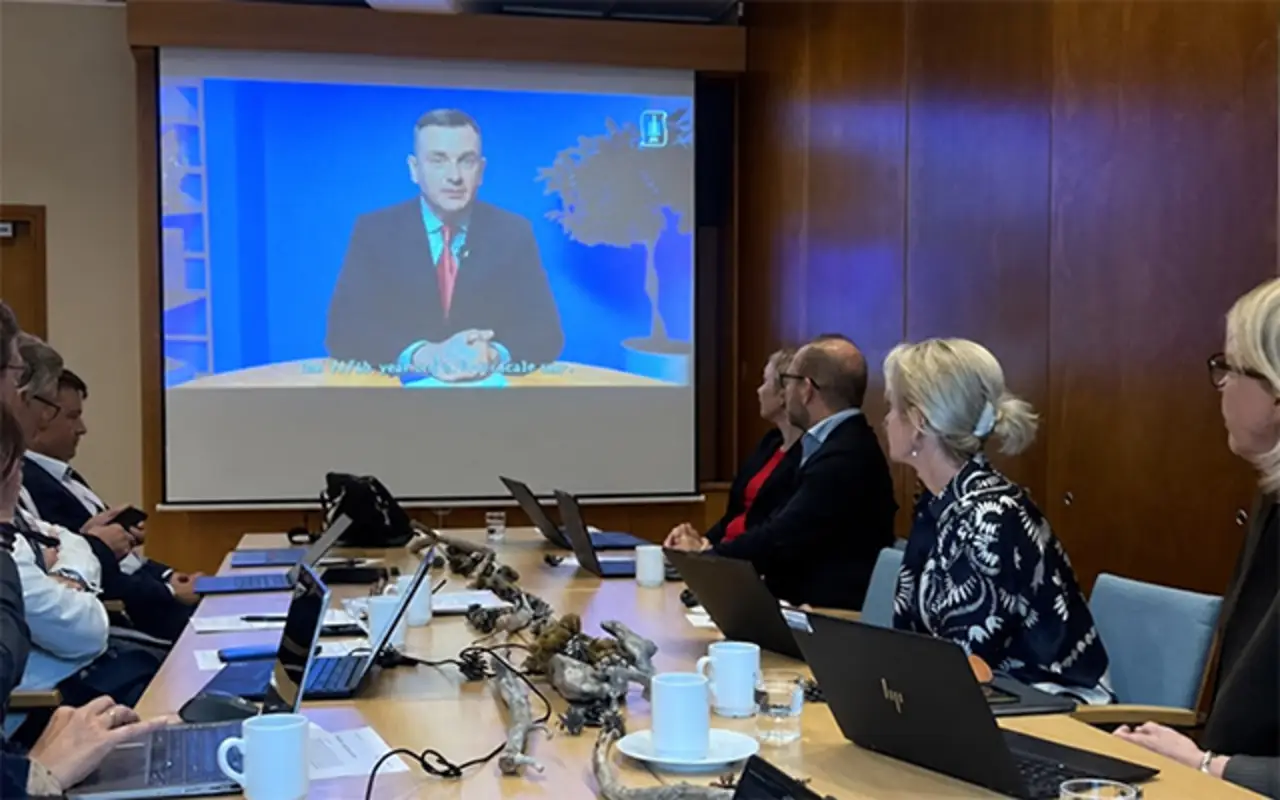
The continuity of the bar’s self-governance, the protection of professional registries and archives, as well as equal guarantees of employment for advocates, judges, and prosecutors must be enshrined in advance in legislation in the event of war or another emergency.
Legal defence of military personnel
Payments to military personnel require clear and uniform criteria — UNBA Committee
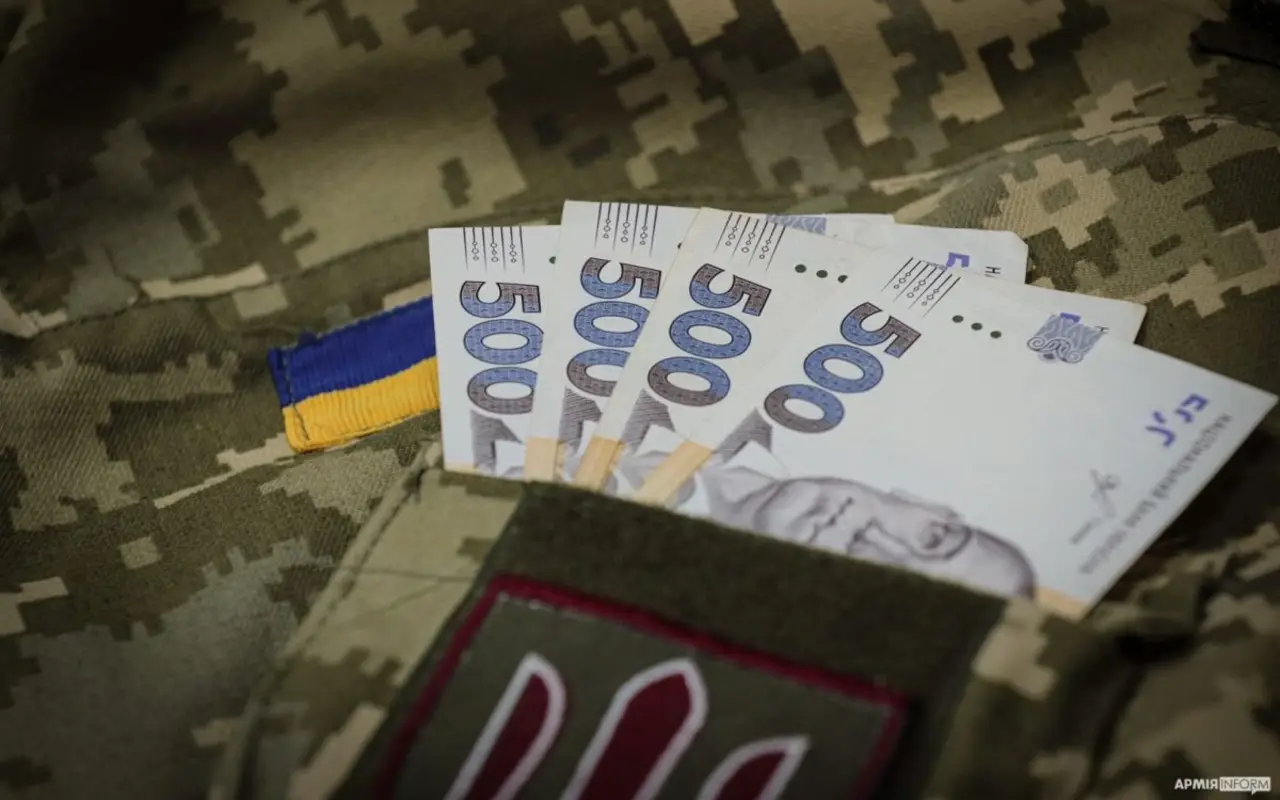
The vagueness of terms in subordinate regulatory acts leads to differing interpretations of the grounds for paying additional compensation to military personnel. The UNBA has proposed harmonizing these acts and establishing transparent criteria for the allocation of funds.
Discussion
Finding them isn't enough: issues surrounding the seizure and return of crypto assets
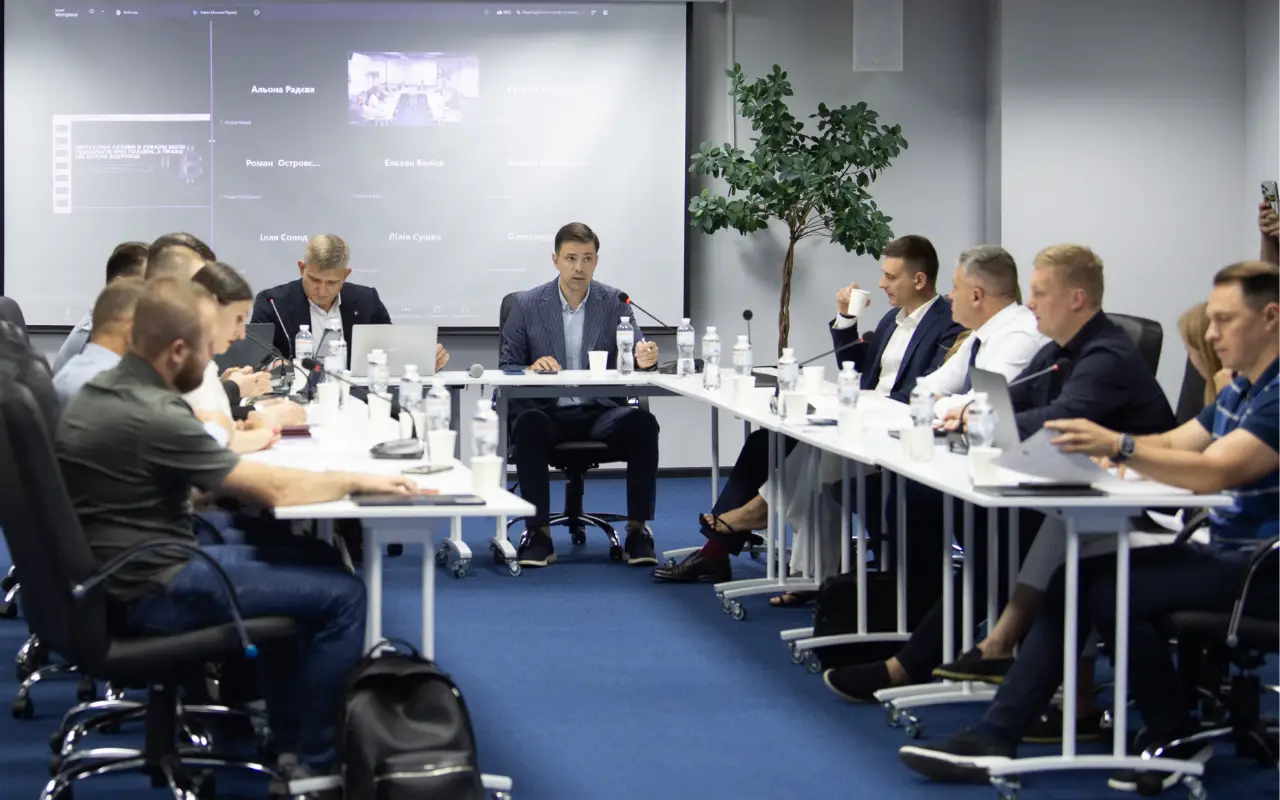
The technical structure of transactions does not automatically identify the person who controlled the crypto wallet, and courts have reached differing conclusions on whether a digital asset can be seized as physical evidence. So how can one prove ownership of such assets, enforce court orders, and return funds to victims?
Legislation
The UNBA will prepare guidelines on lawyers' requests
By the end of 2026, the UNBA Committee on the prevention of administrative offenses committed against advocates will develop guidelines on drafting advocate inquiries and responding to refusals to provide information. There are also plans to standardize the practice of applying Article 212-3 of the Code of Administrative Offenses.
Publications

Vasyl Kolishnyi, «Law and Business» Supporting mental health should become part of the professional culture of the Bar, - H. Udovenko

Volodymyr Matsko Extradition during wartime: when the risks outweigh the request

Volodymyr Matsko Extradition as a systemic form of rights violations

Victoria Yakusha, Law and Business The anti-corruption vertical cannot «take care» of the Bar as an institution, - acting head of the HQDCB

Censor.net Protecting advocates – protecting justice: addressing concerns about the new law

Ihor Kolesnykov A BRIEF SUMMARY REGARDING THE APPLICATION OF THE ORDER ON EXTENDED CONFISCATION IN LATVIA REGARDING FINANCIAL ASSETS OF…

Valentyn Gvozdiy WORKING IN A WAR ZONE

Lydia Izovitova Formula of perfection