When agreement is (im)possible: family disputes involving military personnel
The number of family cases involving military personnel is growing, with the most common issues being divorce, division of joint property, alimony, deprivation or contestation of parental rights, adoption, establishment of guardianship, and cases related to domestic violence.
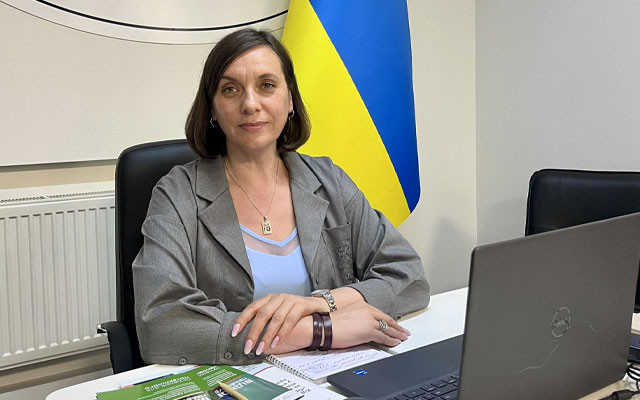
During an open discussion entitled «The military and the family: paths to understanding», held on October 17 at the initiative of the Association of Family Mediators of Ukraine, the chairman of the UNBA Committee on family law Larysa Gretchenko presented a report entitled «Family disputes involving military personnel: when agreement is (im) possible».
The advocate pointed out that martial law has significantly complicated the consideration of such cases and has raised the question of the balance between the rights of military personnel and the interests of the child before the courts. She cited examples of Supreme Court decisions stating that the mandatory suspension of proceedings due to the defendant's military service does not always correspond to the best interests of the child and, therefore, should be applied taking into account the specific circumstances.
The speaker focused separately on cases concerning the establishment of the fact of independent child-rearing. According to her, such a fact cannot be established in an indisputable manner or solely by agreement between the parents, since the issue concerns a change in the scope of parental rights and obligations and directly affects the rights of the child itself. Therefore, the legislator has determined that the relevant status can only be obtained by a court decision.
Among other problematic aspects, L. Gretchenko mentioned cases where family disputes appear to be artificial. For example, filing a lawsuit to determine the child's place of residence or adoption for the purpose of exemption from military service. In such cases, the Supreme Court qualifies the actions of the parties as abuse of procedural rights.
At the same time, according to the lawyer, the best alternative to protracted court proceedings is voluntary agreements. Therefore, mediation should always be used in conflicts where possible. However, this does not apply to cases where the law provides for mandatory judicial establishment of facts, such as determining the status of a «single mother» or «single father».
Popular news
Guarantees of the practice of law
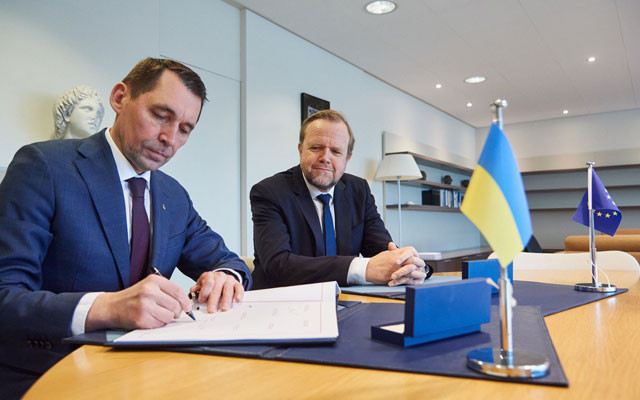
Ukraine has signed the Convention for the Protection of the Profession of Lawyer
Today, on 9 March, Ukraine's Permanent Representative to the Council of Europe Mykola Tochytskyi signed the Council of Europe Convention for the Protection of the Profession of Lawyer. This makes our country the 28th to sign this important international treaty.
European integration
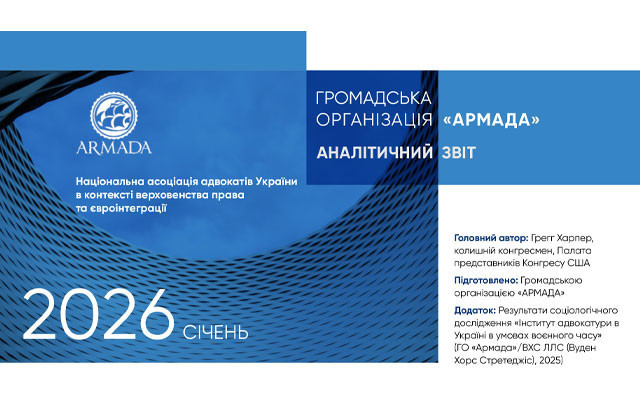
A translation of the report on advocacy presented to the European Parliament has been published
A translation of a research report on the Ukrainian advocacy profession in wartime, previously presented to the European Parliament in Brussels, has been published. The document is presented as a basis for discussion on the rule of law, Ukraine's European integration aspirations, and countering Russian disinformation in the legal sphere.

Legal defence of military personnel
How to formalize discharge from military service: practical workshop
The issue of discharge from military service remains one of the most pressing and complex for Ukrainian defenders and their families. Due to constant changes in legislation, military personnel often face refusals to discharge them from service or even to consider their reports.
Legislation
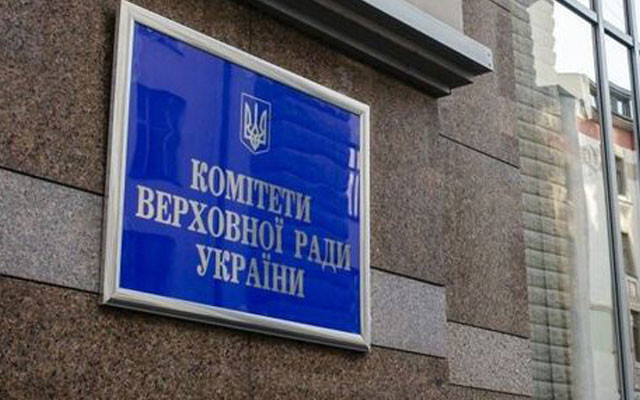
The Verkhovna Rada Committee criticized the format of the government working group on advocacy
The implementation of the Roadmap on the rule of law (approved by Cabinet of Ministers Resolution No. 475-r of May 14, 2025) in relation to advocacy raises the practical question of who exactly should prepare legislative changes and how.
Self-government
The BCU demands a review of the composition of the government working group on reforming the advocacy profession
The President of the UNBA, BCU Lidiya Izovitova, appealed to the Cabinet of Ministers of Ukraine to review the composition of the working group on improving legislation in the field of advocacy and legal practice.
Guarantees of the practice of law
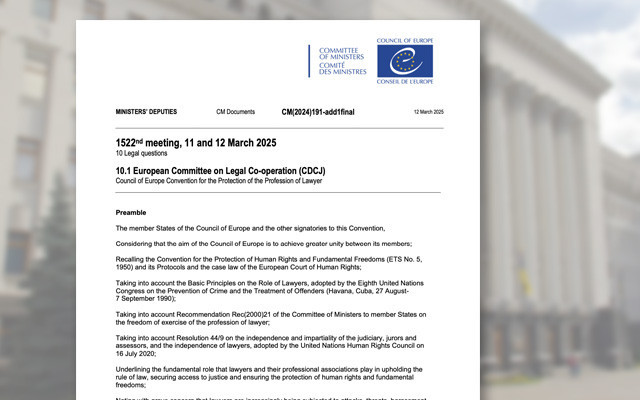
The President has determined, who will sign the Convention for the Protection of the Profession of Lawyer
President of Ukraine Volodymyr Zelenskyy authorized Ukraine's Permanent Representative to the Council of Europe Mykola Tochytskyi to sign the Council of Europe Convention for the Protection of the Profession of Lawyer.
Abroad
Advocate's romance with prosecutor halts criminal case in Canada
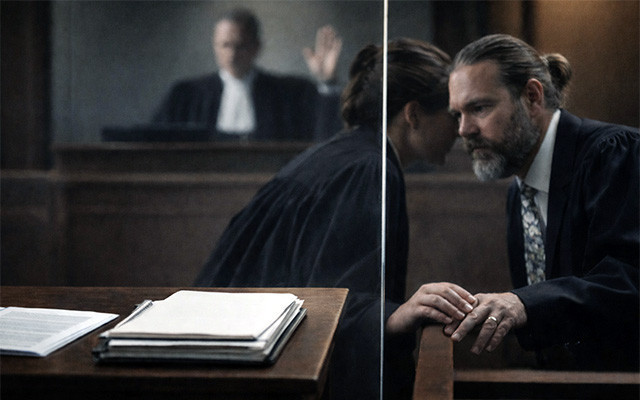
In Montreal (Quebec, Canada), a court suspended proceedings against eight defendants accused of illegal cannabis trafficking and money laundering after it was revealed that the prosecutor in the case and one of the advocates were in a secret intimate relationship.
Legislation
After the war amnesty for criminals or exemption from responsibility?
To ensure national reconciliation, rehabilitation of persons who have been persecuted for political reasons, restoration of justice, and establishment of lasting peace, it is proposed to introduce an amnesty after the war.
Publications

Volodymyr Matsko Extradition during wartime: when the risks outweigh the request

Volodymyr Matsko Extradition as a systemic form of rights violations

Victoria Yakusha, Law and Business The anti-corruption vertical cannot «take care» of the Bar as an institution, - acting head of the HQDCB

Censor.net Protecting advocates – protecting justice: addressing concerns about the new law

Ihor Kolesnykov A BRIEF SUMMARY REGARDING THE APPLICATION OF THE ORDER ON EXTENDED CONFISCATION IN LATVIA REGARDING FINANCIAL ASSETS OF…

Valentyn Gvozdiy WORKING IN A WAR ZONE

Lydia Izovitova Formula of perfection

Sergiy Vylkov Our judicial system is so built that courts do not trust advocates