Where is the line between respect for the court and the dignity of an advocate?
Ukrainian advocates sometimes complain about condescending attitudes or tactless remarks from judges. But such conflicts are not unique to Ukraine. In various countries, advocates raise issues of communication culture in court, mutual respect, and the inadmissibility of humiliating participants.
The latest discussion about hierarchy in the judicial system and professional equality was sparked by a case in India.
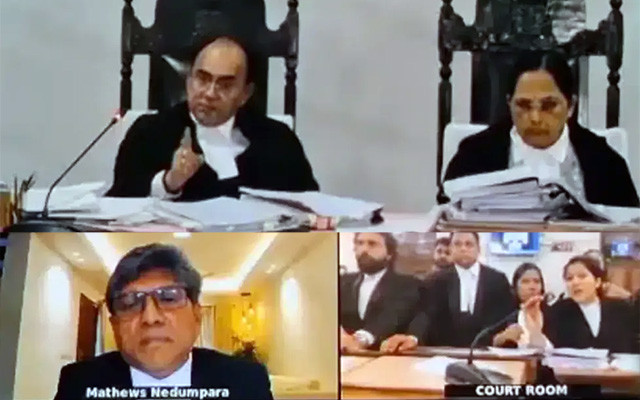
According to the local legal media outlet LawBeat, a panel of judges at the Bombay High Court was hearing a commercial dispute, with two advocates representing one of the parties. Young lawyer Maria Nedumpar was present in the courtroom, while her supervisor had to participate remotely due to medical treatment.
Despite repeated requests, the court refused to turn on the latter's microphone, effectively depriving him of the opportunity to speak.
The chairman of the case, Shyama Suman, stated that he had insulted the court, but did not specify what the insult was. Nedumpar tried to explain the situation and even apologized for the misunderstanding. But the judge, according to her, reacted aggressively, threatening to have her removed from the courtroom.
«I was shocked and deeply offended by the way the honorable judge addressed me, gesturing to the security guards to remove me. I felt stripped of all dignity — as a lawyer and as a woman», - the young advocate commented on the situation.
After the incident, she appealed to the Supreme Court of India and the chairman of the Bombay High Court with a complaint about S. Sumani's actions. The advocate emphasized that her tone and behavior during the hearing remained restrained and respectful, and her only goal was to clarify the circumstances of her senior colleague's allegedly offensive actions.
Nedumpar pointed out that while advocates are required to strictly adhere to rules of conduct in court, judges themselves do not bear similar responsibility for their own manner of communication. She warned that such behavior undermines the dignity of the legal profession and the authority of the judicial system.
She added that this case is not an isolated one, but indicative of a broader problem where young advocates and vulnerable parties to proceedings often face humiliation or disrespect in court.
She also mentioned the existing informal requirements for behavior in the courtroom — for example, the need to change one's posture or body position so as not to cause dissatisfaction on the part of the judge — arguing that such practices foster a culture of subordination rather than professionalism.
The advocate presented her complaint as a call for institutional self-analysis and reform of the system, emphasizing that young advocates, regardless of their experience or status, deserve to be treated with dignity. «Even the weakest, most insignificant participant in the process has the right to respect. Anything less undermines the authority of the judicial system itself», - she stressed.
The problem raised can be considered a consequence of the hierarchical culture inherent in the judicial systems of many countries with a post-colonial or authoritarian past. In such systems, judges are perceived as figures of unquestionable authority, while young advocates, parties representing themselves, representatives of minorities or socially vulnerable groups are seen as subordinates who must show obedience. The lack of effective mechanisms to respond to inappropriate behavior by judges only exacerbates this imbalance.
Popular news
Guarantees of the practice of law
Ukraine has signed the Convention for the Protection of the Profession of Lawyer
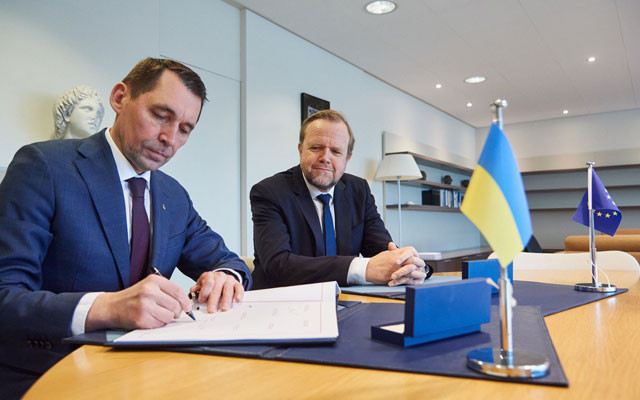
Today, on 9 March, Ukraine's Permanent Representative to the Council of Europe Mykola Tochytskyi signed the Council of Europe Convention for the Protection of the Profession of Lawyer. This makes our country the 28th to sign this important international treaty.
European integration
A translation of the report on advocacy presented to the European Parliament has been published
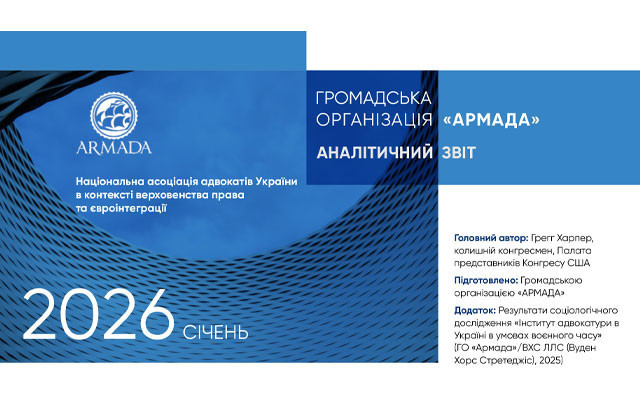
A translation of a research report on the Ukrainian advocacy profession in wartime, previously presented to the European Parliament in Brussels, has been published. The document is presented as a basis for discussion on the rule of law, Ukraine's European integration aspirations, and countering Russian disinformation in the legal sphere.
Legal defence of military personnel
How to formalize discharge from military service: practical workshop
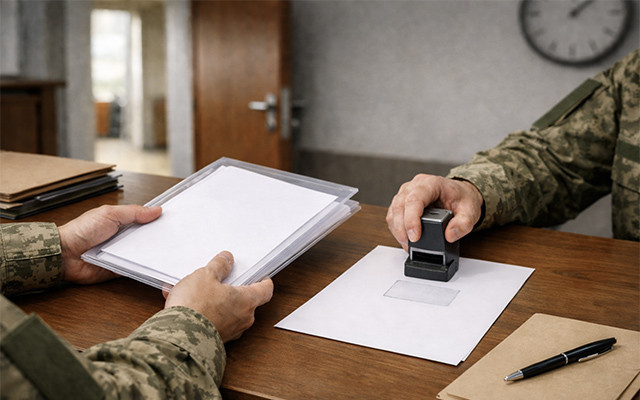
The issue of discharge from military service remains one of the most pressing and complex for Ukrainian defenders and their families. Due to constant changes in legislation, military personnel often face refusals to discharge them from service or even to consider their reports.
Legislation
The Verkhovna Rada Committee criticized the format of the government working group on advocacy
The implementation of the Roadmap on the rule of law (approved by Cabinet of Ministers Resolution No. 475-r of May 14, 2025) in relation to advocacy raises the practical question of who exactly should prepare legislative changes and how.
Self-government
The BCU demands a review of the composition of the government working group on reforming the advocacy profession
The President of the UNBA, BCU Lidiya Izovitova, appealed to the Cabinet of Ministers of Ukraine to review the composition of the working group on improving legislation in the field of advocacy and legal practice.
Guarantees of the practice of law
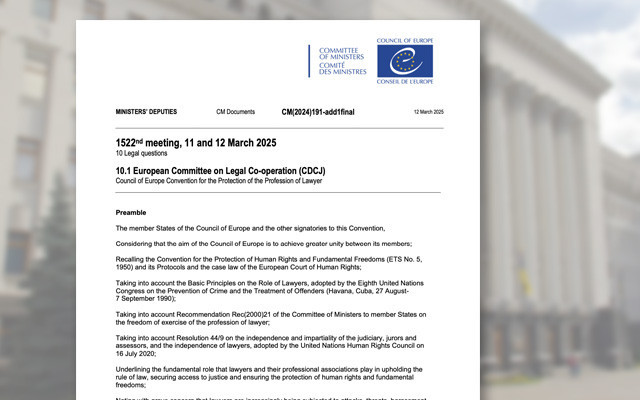
The President has determined, who will sign the Convention for the Protection of the Profession of Lawyer
President of Ukraine Volodymyr Zelenskyy authorized Ukraine's Permanent Representative to the Council of Europe Mykola Tochytskyi to sign the Council of Europe Convention for the Protection of the Profession of Lawyer.
Abroad
Advocate's romance with prosecutor halts criminal case in Canada
In Montreal (Quebec, Canada), a court suspended proceedings against eight defendants accused of illegal cannabis trafficking and money laundering after it was revealed that the prosecutor in the case and one of the advocates were in a secret intimate relationship.
Legislation
After the war amnesty for criminals or exemption from responsibility?
To ensure national reconciliation, rehabilitation of persons who have been persecuted for political reasons, restoration of justice, and establishment of lasting peace, it is proposed to introduce an amnesty after the war.
Publications

Volodymyr Matsko Extradition during wartime: when the risks outweigh the request

Volodymyr Matsko Extradition as a systemic form of rights violations

Victoria Yakusha, Law and Business The anti-corruption vertical cannot «take care» of the Bar as an institution, - acting head of the HQDCB

Censor.net Protecting advocates – protecting justice: addressing concerns about the new law

Ihor Kolesnykov A BRIEF SUMMARY REGARDING THE APPLICATION OF THE ORDER ON EXTENDED CONFISCATION IN LATVIA REGARDING FINANCIAL ASSETS OF…

Valentyn Gvozdiy WORKING IN A WAR ZONE

Lydia Izovitova Formula of perfection

Sergiy Vylkov Our judicial system is so built that courts do not trust advocates