


The results of the CISA cannot be used in disciplinary proceedings against advocates – BCU
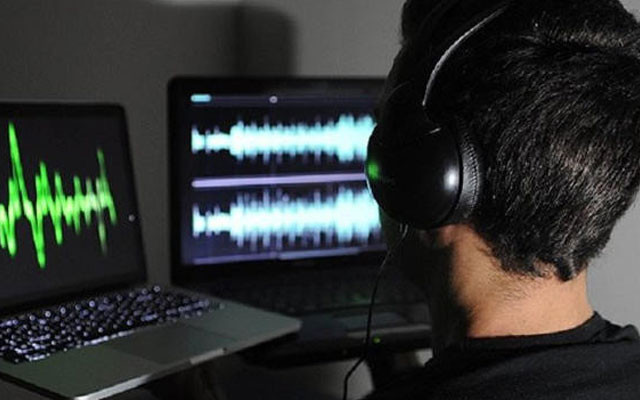
Materials obtained through covert investigative (search) activities involving interference in private communications cannot be transferred or used in disciplinary proceedings against advocates. This is because the Code of Criminal Procedure does not allow investigators or prosecutors to use such materials outside of criminal proceedings.
The relevant clarification regarding the inadmissibility of using materials obtained through covert investigative (search) activities in disciplinary proceedings against advocates was provided by the Bar Council of Ukraine during its meeting on December 12-13.
BCU noted that this issue is particularly relevant in view of the guarantees of attorney-client privilege enshrined in the Constitution and the Law «On the advocacy and the practice of law». There are also guarantees of confidentiality of correspondence, as defined in Article 31 of the Constitution.
According to the Criminal Procedure Code, wiretapping is carried out solely for the purpose of preventing the commission of a serious or particularly serious crime, if it is impossible to obtain information by other means (Article 246). At the same time, information obtained as a result of interference in communications may not be used for any purpose other than to resolve issues in criminal proceedings (Article 14). Information about a person's private life obtained in accordance with the procedure provided for in the Criminal Procedure Code of Ukraine may also not be used for any purpose other than to resolve issues in criminal proceedings (Article 15). If, as a result of conducting CISA, signs of a criminal offense that is not being investigated in the current criminal proceedings are discovered, the information obtained may be used in other criminal proceedings only on the basis of a ruling by an investigating judge (Article 257).
No provision of law provides for the possibility of transferring the results of CISA obtained as a result of interference in private communications for use in disciplinary proceedings against an advocate.
Instead, in practice, written permissions from an investigator or prosecutor referring to Article 222 of the CPC are used to legalize such actions.
It should be recalled that, according to this article, information from a pre-trial investigation may only be disclosed with the written permission of the investigator or prosecutor and to the extent that they deem possible.
However, such «permissions» should be viewed critically, the BCU stated. This is because Article 222 of the CPC does not give the investigator or prosecutor the right to transfer the results of CISA obtained as a result of interference in private communications for use in disciplinary proceedings. The provisions of this article must be interpreted in conjunction with other provisions of the CPC, which clearly prohibit the use of CISA results outside of criminal proceedings.
Based on the analysis, the BCU explained that the transfer of the results of CISA obtained as a result of interference in private communications and their use in disciplinary proceedings against advocates has no legal basis in the national legislation of Ukraine.
The use of such data in disciplinary proceedings against an advocate contradicts Article 31 of the Constitution and violates the right to respect for private life and correspondence guaranteed by Article 8 of the Convention for the protection of human rights and fundamental freedoms.
On the other hand, if the QDCB uses CISA materials as evidence, it violates the right to a fair trial guaranteed by Article 6 of the Convention.
And if the advocate's actions are so shameful and socially dangerous that they justify interference with the right to privacy of correspondence, the advocate, if there are grounds for doing so, must appear before a court authorized by law to establish the truth in a criminal case, in accordance with due legal procedure.
Popular news
Interaction
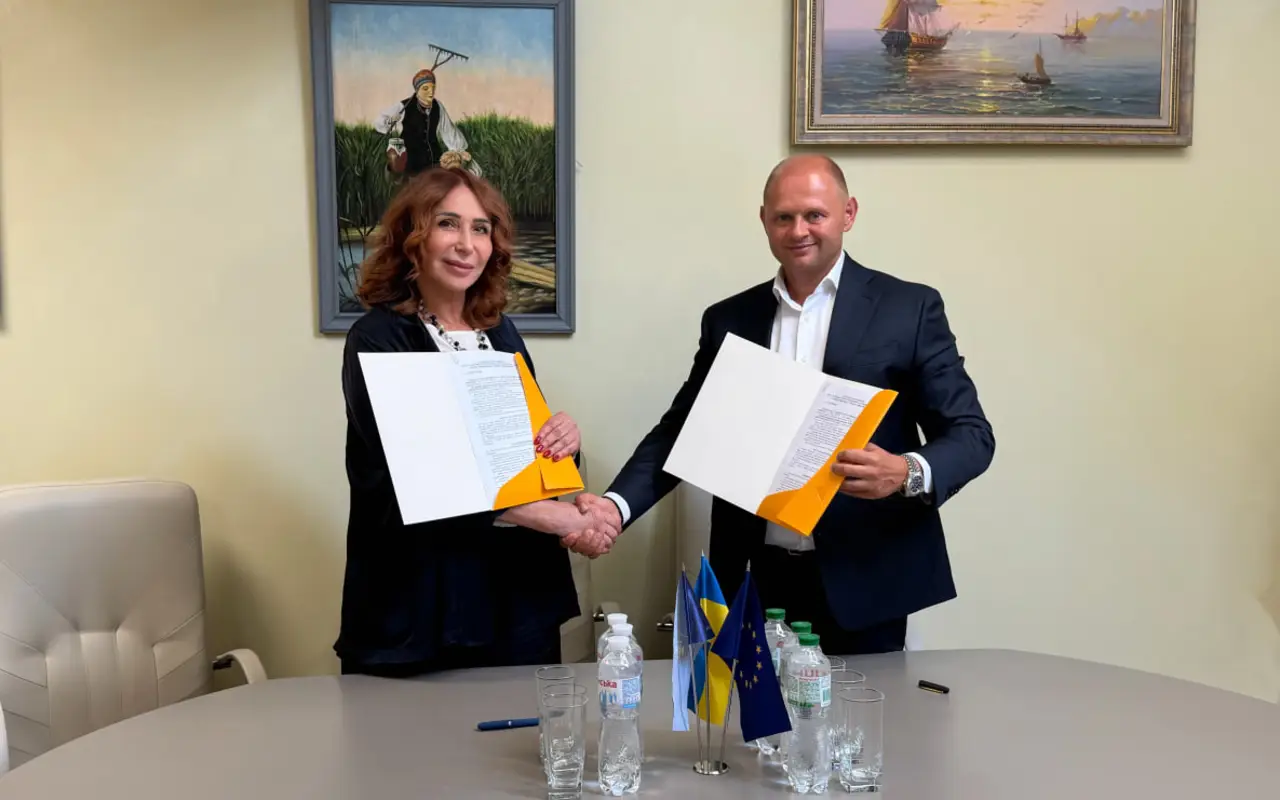
Energy law: the UNBA and the ADMGE have agreed to cooperate
Advocates will deepen their professional expertise in the field of energy law, and participants in the distributed and flexible generation market will have greater opportunities to obtain professional legal assistance.
Discussion
The Ministry of Defense is preparing new procedures for MMC: what changes are being proposed
The Ministry of Defense is establishing an interagency working group to develop a new procedure for military medical examinations conducted by military medical commissions. Among the issues requiring resolution are the issuance of documents based on examination results, referrals for repeat medical examinations, verification of the medical basis for decisions, and the accountability of military medical commission members.
Legal defence of military personnel
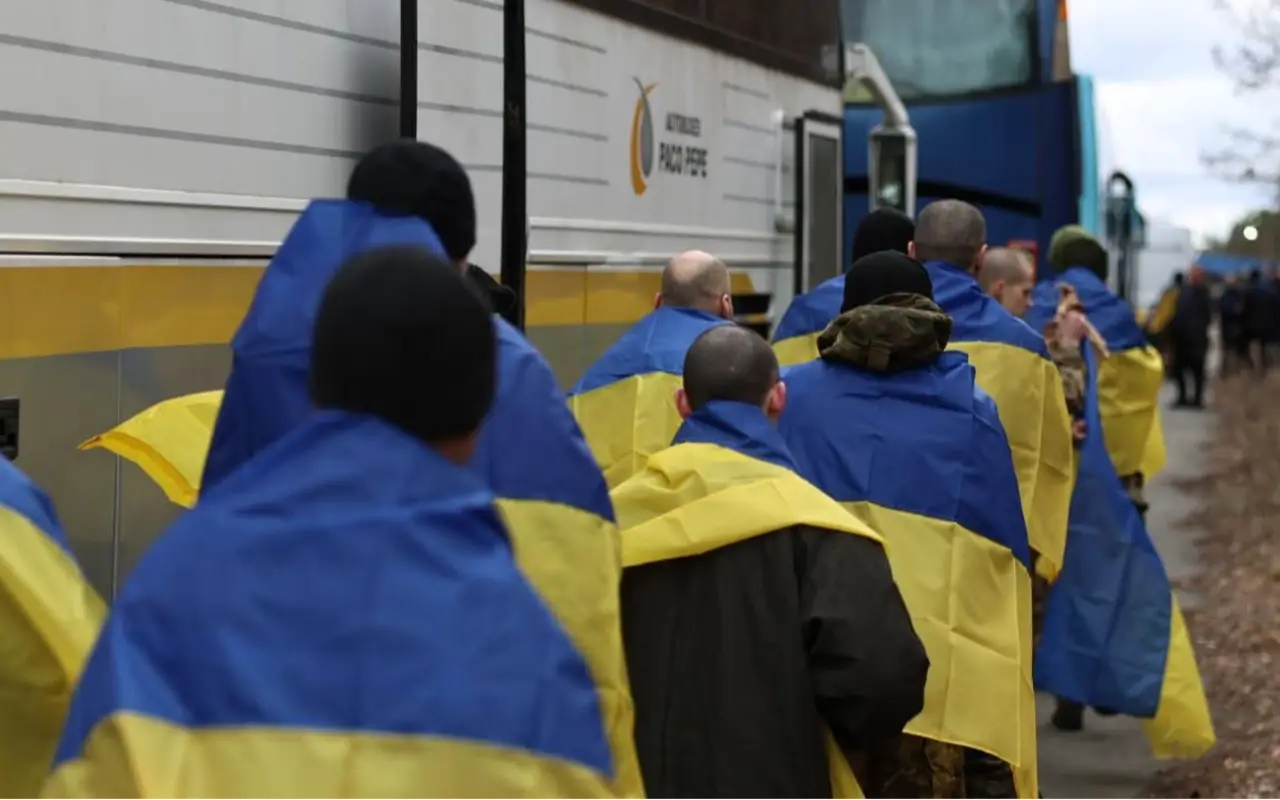
The Ministry of Defense has taken into account the UNBA's proposals regarding medical commissions for those released from…
The Ministry of Defense has included in the draft amendments to the procedure for military medical examinations certain proposals from the Ukrainian National Bar Association aimed at simplifying the process of confirming the circumstances of health impairments sustained during captivity and establishing a causal link to the defense of the homeland.
Interaction
The UNBA is developing a concept for a Center for expert research
The Ukrainian National Bar Association has begun work on a concept for a Center for expert research, which is intended to provide advocates and their clients with access to specialized knowledge and the ability to have expert opinions professionally reviewed.
Guarantees of the practice of law
Ombudsman calls for a firm response to violence against advocates
Every instance of obstruction of an advocate’s lawful activities, use of physical force, delaying an investigation, or concealment of evidence must be subject to a proper legal assessment. The state is obligated to ensure that the right to a defense is a genuine guarantee.
Discussion
Lobbyists are being offered the status of independent professional practice
Individuals engaged in lobbying are being offered the status of independent professionals. To achieve this, it is necessary to amend the Tax Code and the relevant law, as well as to define the specifics of taxing lobbyists’ professional income and expenses.
Discussion
Children under temporary protection: jurisdiction, evidence and a local advocate
In a cross-border dispute involving a child, temporary protection status alone does not determine jurisdiction or guarantee a specific outcome. An advocate needs coordinated action in Ukraine and the host country, a timely legal opinion, a local colleague, and a professional translation.
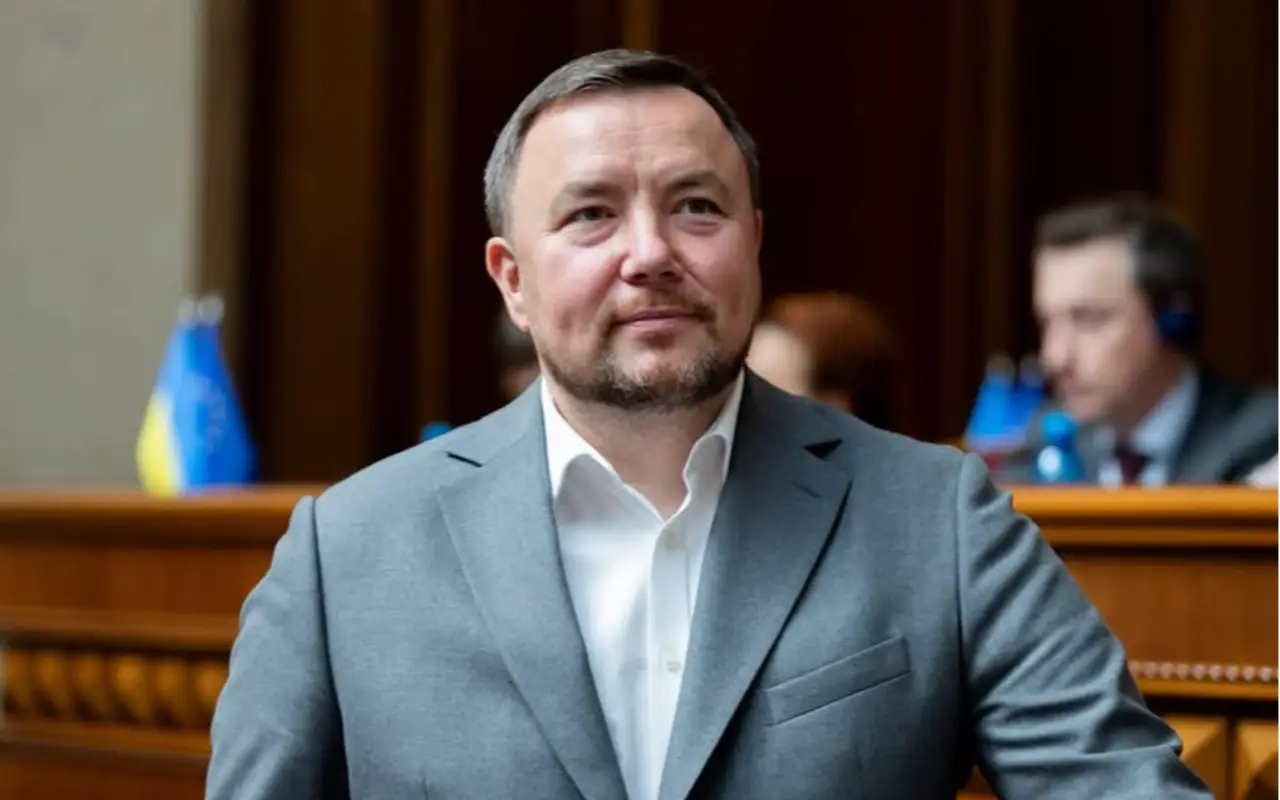
Greetings
The UNBA congratulates Denis Maslov on his appointment as Minister of Justice
Denis Maslov’s many years of experience as a advocate, his work as a judge and his tenure as chairman of the Verkhovna Rada of Ukraine’s Committee on legal policy have given him a deep understanding of how the legal system functions and the challenges it faces.
Publications

Volodymyr Matsko Extradition during wartime: when the risks outweigh the request

Volodymyr Matsko Extradition as a systemic form of rights violations

Victoria Yakusha, Law and Business The anti-corruption vertical cannot «take care» of the Bar as an institution, - acting head of the HQDCB

Censor.net Protecting advocates – protecting justice: addressing concerns about the new law

Ihor Kolesnykov A BRIEF SUMMARY REGARDING THE APPLICATION OF THE ORDER ON EXTENDED CONFISCATION IN LATVIA REGARDING FINANCIAL ASSETS OF…

Valentyn Gvozdiy WORKING IN A WAR ZONE

Lydia Izovitova Formula of perfection

Sergiy Vylkov Our judicial system is so built that courts do not trust advocates