Year-end summary without exhaustion: on reflection, gratitude and priorities
The modern pace of life, multitasking, and information overload often prevent people from pausing to reflect on their experiences and transition between the end of one cycle and the beginning of another. The need for such «pauses» is particularly acute at the end of the year, when people seek to sum up their achievements and reflect on their experiences.
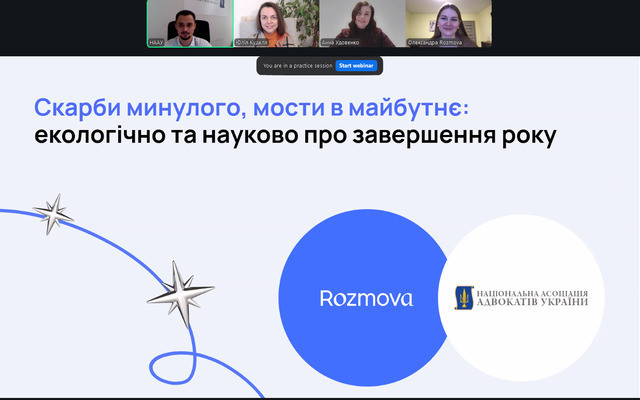
The Ukrainian National Bar Association with the support of the International Bar Association (IBA) held a webinar for advocates entitled «Treasures of the past, bridges to the future: an ecological and scientific approach to the end of the year». The speaker at the event, dedicated to restoring internal resources and setting goals without harming mental health, was psychologist and Gestalt therapist Yulia Kudelia.
During the webinar, participants learned why the results of the year should not turn into a competition — either with others or with themselves. Y. Kudelia emphasized that important results of the year can be not only professional achievements, but also preserved mental and physical health, the ability to withstand difficult circumstances, learn to set boundaries, and take care of oneself.
A separate practical section was devoted to tools for reflection. The speaker gave structured recommendations for summarizing the year based on scientific research, including the use of writing practices, working with your inner critic, returning to your caring inner self, and forming questions that help you realize your own experience without judgment or pressure.
Y. Kudelia paid considerable attention to the practice of gratitude as a psychophysiological state that promotes resource restoration, a sense of integrity, and inner stability. Participants were offered a tool for writing a letter of gratitude — to themselves, other people, or the world — as a way to end the year.
A separate section of the webinar was devoted to setting goals for the future. The psychologist emphasized the importance of distinguishing between needs, desires, and goals, as well as the advisability of choosing one key priority instead of multiple tasks. She also proposed a practical planning model that divides the year into 12-week segments and specifies actions, time, and resources.
At the end of the event, participants discussed approaches to maintaining motivation, in particular by focusing on efforts rather than solely on results, and cultivating a friendly attitude towards oneself as the basis for long-term sustainability and professional effectiveness.
Popular news
Guarantees of the practice of law
Ukraine has signed the Convention for the Protection of the Profession of Lawyer
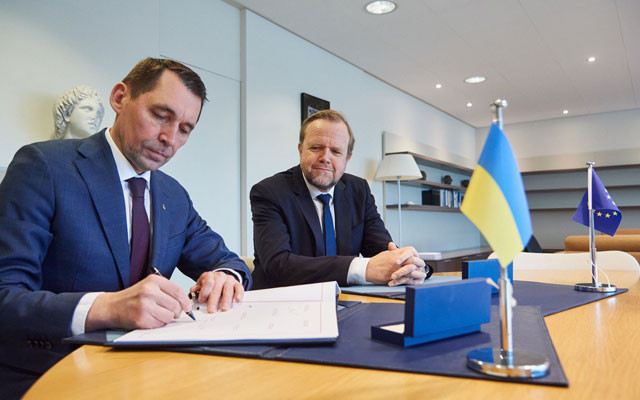
Today, on 9 March, Ukraine's Permanent Representative to the Council of Europe Mykola Tochytskyi signed the Council of Europe Convention for the Protection of the Profession of Lawyer. This makes our country the 28th to sign this important international treaty.

European integration
A translation of the report on advocacy presented to the European Parliament has been published
A translation of a research report on the Ukrainian advocacy profession in wartime, previously presented to the European Parliament in Brussels, has been published. The document is presented as a basis for discussion on the rule of law, Ukraine's European integration aspirations, and countering Russian disinformation in the legal sphere.

Legal defence of military personnel
How to formalize discharge from military service: practical workshop
The issue of discharge from military service remains one of the most pressing and complex for Ukrainian defenders and their families. Due to constant changes in legislation, military personnel often face refusals to discharge them from service or even to consider their reports.
Legislation
The Verkhovna Rada Committee criticized the format of the government working group on advocacy
The implementation of the Roadmap on the rule of law (approved by Cabinet of Ministers Resolution No. 475-r of May 14, 2025) in relation to advocacy raises the practical question of who exactly should prepare legislative changes and how.

Self-government
The BCU demands a review of the composition of the government working group on reforming the advocacy profession
The President of the UNBA, BCU Lidiya Izovitova, appealed to the Cabinet of Ministers of Ukraine to review the composition of the working group on improving legislation in the field of advocacy and legal practice.
Guarantees of the practice of law
The President has determined, who will sign the Convention for the Protection of the Profession of Lawyer
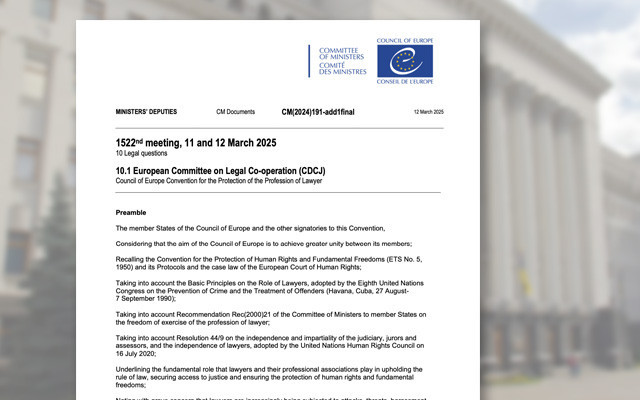
President of Ukraine Volodymyr Zelenskyy authorized Ukraine's Permanent Representative to the Council of Europe Mykola Tochytskyi to sign the Council of Europe Convention for the Protection of the Profession of Lawyer.
Abroad
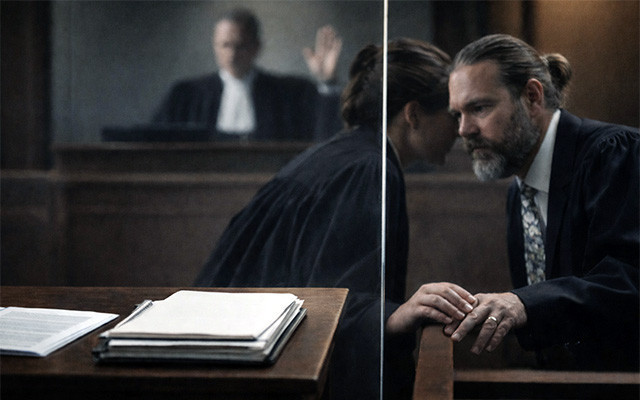
Advocate's romance with prosecutor halts criminal case in Canada
In Montreal (Quebec, Canada), a court suspended proceedings against eight defendants accused of illegal cannabis trafficking and money laundering after it was revealed that the prosecutor in the case and one of the advocates were in a secret intimate relationship.
Legislation
After the war amnesty for criminals or exemption from responsibility?
To ensure national reconciliation, rehabilitation of persons who have been persecuted for political reasons, restoration of justice, and establishment of lasting peace, it is proposed to introduce an amnesty after the war.
Publications

Volodymyr Matsko Extradition during wartime: when the risks outweigh the request

Volodymyr Matsko Extradition as a systemic form of rights violations

Victoria Yakusha, Law and Business The anti-corruption vertical cannot «take care» of the Bar as an institution, - acting head of the HQDCB

Censor.net Protecting advocates – protecting justice: addressing concerns about the new law

Ihor Kolesnykov A BRIEF SUMMARY REGARDING THE APPLICATION OF THE ORDER ON EXTENDED CONFISCATION IN LATVIA REGARDING FINANCIAL ASSETS OF…

Valentyn Gvozdiy WORKING IN A WAR ZONE

Lydia Izovitova Formula of perfection

Sergiy Vylkov Our judicial system is so built that courts do not trust advocates