


Identifying an advocate with a client is a blow to justice, — V. Gvozdiy
By defending individuals in criminal proceedings, advocates are in fact fighting for every person's right to a fair trial. Therefore, any identification of an advocate with their client is a blow not only to the profession, but also to justice itself.
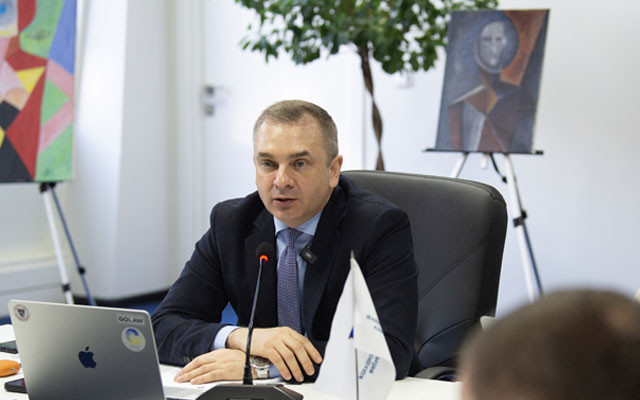
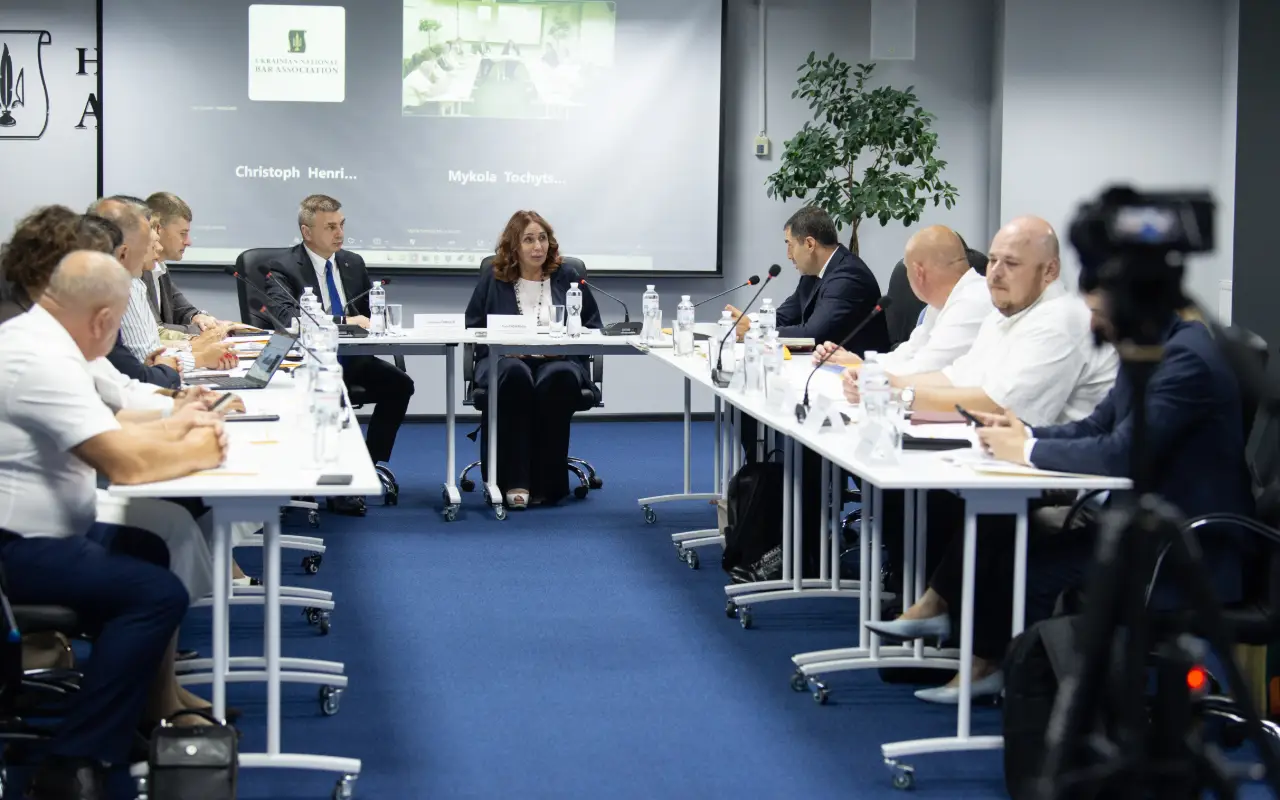
The importance of Ukrainian society understanding this was noted by the Vice President of the UNBA, BCU Valentin Gvozdiy during a round table discussion on «The Law on identification: the balance between the right to defense and freedom of speech», where representatives of the advocacy community and national and international experts discussed the introduction of liability for violations of guarantees of legal practice.
In his speech, V. Gvozdiy emphasized that the problem of identifying advocates with their clients exists despite the existence of international standards and professional rules. «There are dozens of codes of legal ethics, international standards, and recommendations adopted by the UN and the Council of Europe in force around the world. However, unfortunately, all existing standards are not mandatory, making it difficult to ensure compliance even in countries with strong legal protection for advocates», - he noted. He separately noted that Ukraine is the first and so far the only country where the prohibition of identifying an advocate with a client is clearly enshrined in law. At the same time, as the speaker noted, Ukraine is also awaiting the legislative establishment of liability for identifying an advocate with a client.
Speaking about the international dimension, V. Gvozdiy cited the example of the Basic principles on the role of advocates, which explicitly state: «Advocates shall not be identified with their clients or their cases as a result of the performance of their professional duties». The speaker also mentioned the recommendation of the Committee of Ministers of the Council of Europe, which emphasizes that advocates must act without any pressure, persecution, or sanctions. At the same time, V. Gvozdiy called the situation a professional and legal conflict. «The problem is global. It is recognized by all international organizations, but there is silence in the legislation of states. And as long as this is the case, advocates in many countries remain defenseless against false accusations, stigmatization, and even physical threats», - said the Vice President of the UNBA, BCU.
He also recalled the Convention for the Protection of the Profession of Lawyer adopted by the Committee of Ministers of the Council of Europe, the preamble of which emphasizes that advocates are increasingly subjected to attacks, persecution, and intimidation due to the performance of their professional duties, which has created a need for an international legal mechanism to strengthen the guarantees of advocates' independence. V. Gvozdiy focused on Part 5 of Article 6 of the Convention, which «clearly and unambiguously» establishes that advocates should not suffer any negative consequences due to their association with their clients or their clients' cases.
In addition, Article 6 guarantees the confidentiality of communications with clients, the right to act on their behalf, to file statements and petitions, and to participate in proceedings without hindrance, while Article 7 confirms the right of advocates to freely express their views and participate in public debates. «Thus, it can be said that the entire Convention is a response to the practice of identifying advocates with their clients. Its purpose is to create a legal shield that protects not only the profession, but also the very right of a person to a fair trial and defense», - emphasized V. Gvozdiy. «The prohibition of identifying advocates with their clients at the level of the Convention means that the protection of advocates is no longer an internal matter for the state — it becomes subject to international control».
A separate section of the speech concerned the mechanism for monitoring the implementation of the Convention. The Vice President of the UNBA, BCU explained that the highest body in this mechanism will be the Committee of Parties as a political body, and compliance with the provisions of the Convention will be monitored by the Group of Experts on the Protection of the Legal Profession (GRAVO) as an expert body of independent and highly qualified specialists.
V. Gvozdiy also recalled that 24 countries have already signed the Convention, but Ukraine is not among the signatories. At the same time, the UNBA is cooperating with the relevant ministries and parliament to coordinate the actions necessary for Ukraine to accede to the document.
«The Ukrainian National Bar Association has prepared and published a comparative table showing the state of compliance of Ukrainian legislation with the provisions of the Council of Europe Convention for the Protection of the Profession of Lawyer. As a result of the analysis, the UNBA concluded that the current Law «On advocacy and legal practice» is fully consistent with the provisions of the Convention. No contradictions were found. Most of its provisions have already been implemented in Ukrainian legislation», - said the Vice President of the UNBA, BCU.
At the same time, the UNBA has prepared proposals for amendments to the CPC, CPC, CAS, the laws «On advocacy and legal practice», «On the judicial system and status of judges», «On preventing and combating the legalization (laundering) of proceeds from crime, financing of terrorism and financing of the proliferation of weapons of mass destruction» and «On the National police», which could strengthen the guarantees of the independence of the advocacy community and the compliance of the national system with international standards. According to V. Gvozdiy, all materials and proposals were sent to the Ministry of Justice, the Ministry of Foreign Affairs and the Verkhovna Rada Committee on legal policy six months ago.
At the same time, he noted that the government had not made any progress on signing the Convention, citing the need for an official translation, compliance analysis, and reform of advocacy in accordance with the Roadmap on the rule of law, approved by Cabinet of Ministers Decree No. 475-r of May 14, 2025. However, according to the speaker, the position of the UNBA is that the implementation of the roadmap and the signing of the Convention are not interrelated processes, and he called for support and cooperation to ensure the earliest possible implementation of the provisions of the Convention.
«It is important to remind Ukrainian society that by defending a client, an advocate defends everyone's right to a fair trial. Therefore, any identification of an advocate with a client is a blow not only to the profession, but also to justice itself», - V. Gvozdiy concluded.
The fact that impunity for public stigmatization of advocates violates the constitutional right to defense was also highlighted by the President of the UNBA, BCU Lidiya Izovitova.
Popular news

Legislation
The Verkhovna Rada is preparing a bill to implement the Convention on the Protection of the Professions of Lawyer
Members of Parliament plan to introduce a bill in the near future to implement the main provisions of the Council of Europe Convention on the Protection of the Professions of Lawyer. This parliamentary initiative may also prompt the government to expedite the preparation of the ratification package.
Educational events
Preparing a court argument: 7 tips for advocates
When preparing a courtroom speech, it is best to begin by formulating the decision the advocate is asking the court to render. Next, the structure of the speech should be built around this outcome, strong arguments should be selected, and weak points should be addressed.
Legislation
The path to ratification of the Convention must not end in yet another delay — L. Izovitova
Ukraine’s preparations for the ratification of the Council of Europe Convention on the Protection of the Professions of Lawyer have already passed key stages. Now, government institutions must submit the matter to the Verkhovna Rada for consideration. In doing so, Ukraine may complete the ratification process faster than EU member states.
Edition
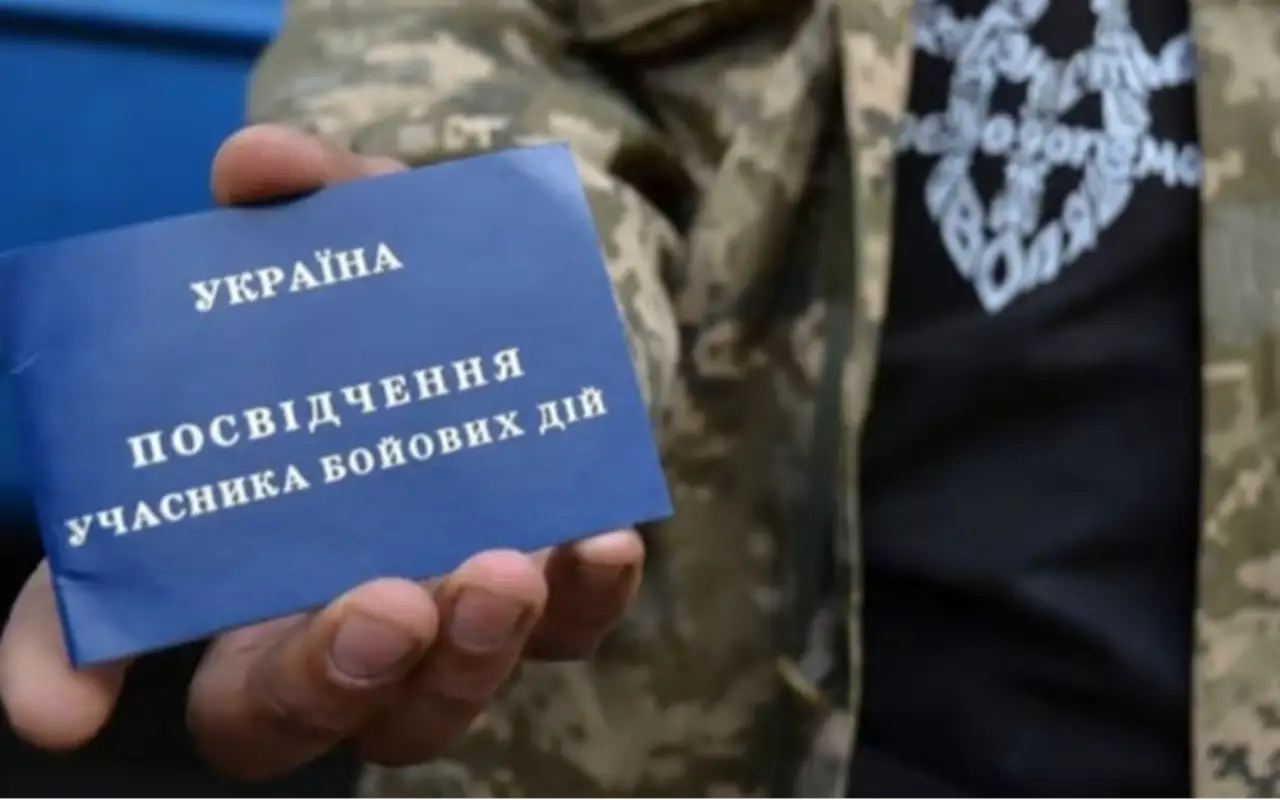
Veterans were provided with algorithms for responding to malfunctions
The UNBA Committee on the protection of victims of armed aggression against Ukraine, compensation mechanisms and European integration legal support for recovery together with the Ministry of Veterans Affairs of Ukraine has prepared the latest Legal Guide for War Veterans.
Guarantees of the practice of law
Ukraine could be the first to implement a European mechanism for the protection of advocates. What’s holding it back?
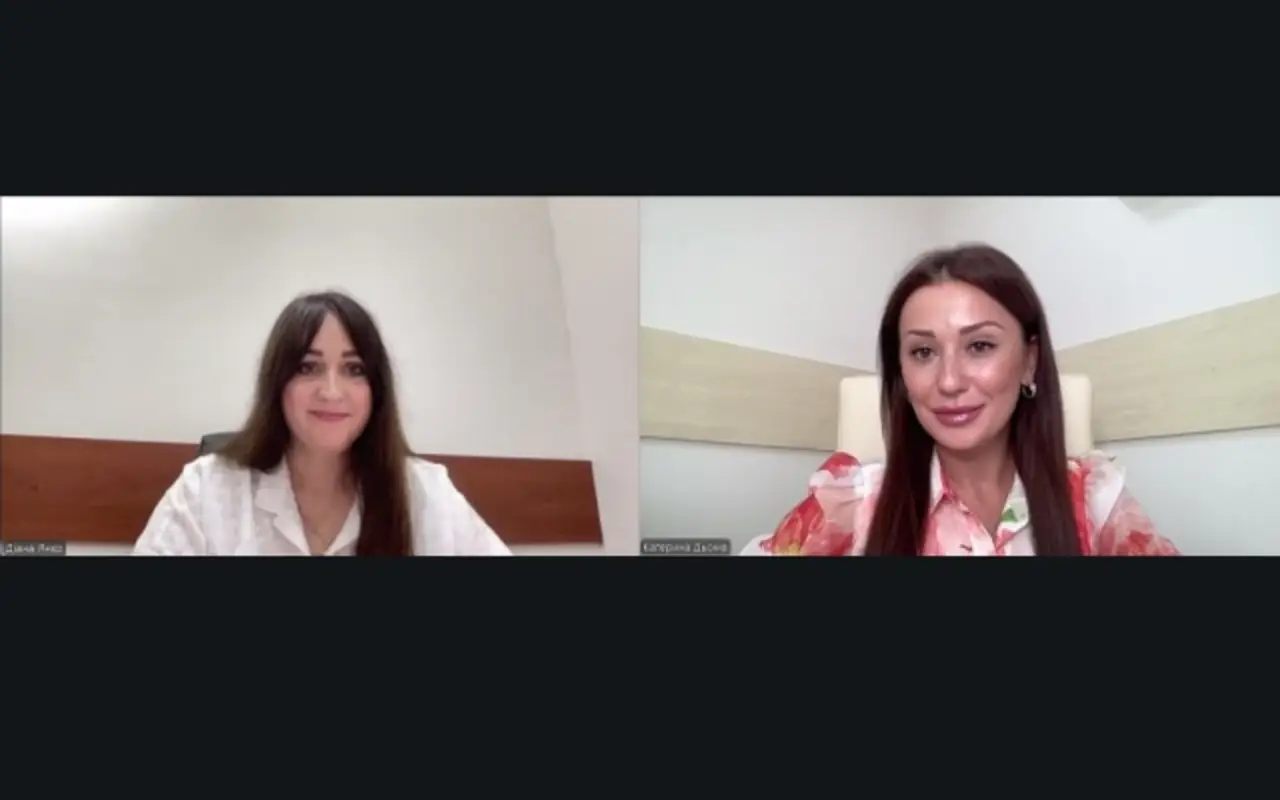
Ukraine has a chance to be the first country to ratify the Council of Europe Convention on the Protection of the Professions of Lawyer. Political support for this exists, but the government’s legislative package has not yet been submitted to parliament. Meanwhile, the number of violations of advocates’ rights is on the rise.
Educational events
How can an advocate verify that work has been completed if the client refuses to sign the report?
When billing by the hour, the primary document for determining the fee may be a detailed report on the time spent by the advocate and the work performed. To prevent the client from withholding payment, the contract should specify in advance the procedure for submitting and approving such a report.
Self-government
The BCU took note of the public appeal from the HCJ
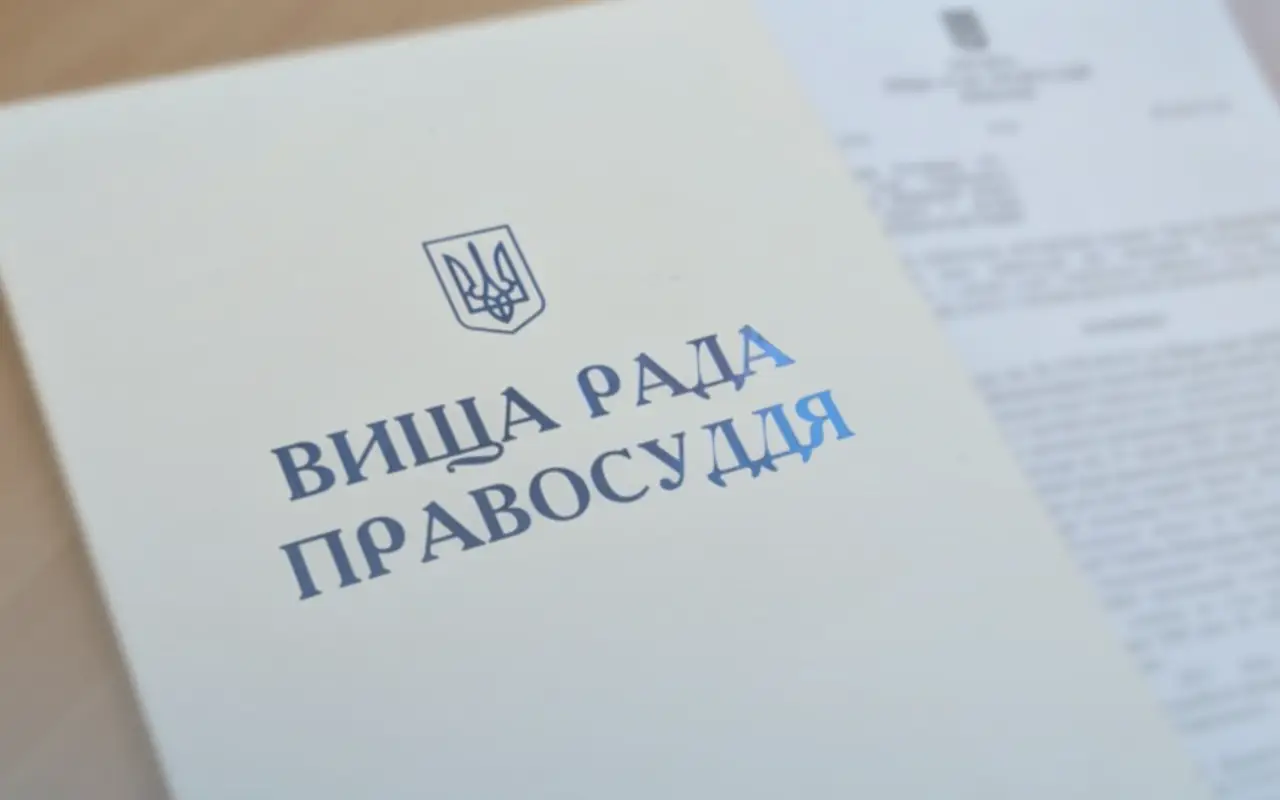
The Bar Council of Ukraine has determined that, given the current security situation, it is objectively impossible to hold, in accordance with the procedure established by the Law «On the advocacy and the practice of law», meetings of advocates, regional conferences of advocates and the Congress of Ukrainian Advocates, including for the purpose of electing two members of the High Council of Justice under the quota allocated to the Congress of Ukrainian Advocates.
War
The BCU has launched a digital project «Wall of Remembrance and Honor»
The Bar Council of Ukraine has adopted a resolution to launch the digital project «Wall of Remembrance and Honor». To this end, the UNBA is beginning to collect information on advocates and paralegals who lost their lives as a result of the Russian Federation’s armed aggression against Ukraine.
Publications

Vasyl Kolishnyi, «Law and Business» Supporting mental health should become part of the professional culture of the Bar, - H. Udovenko

Volodymyr Matsko Extradition during wartime: when the risks outweigh the request

Volodymyr Matsko Extradition as a systemic form of rights violations

Victoria Yakusha, Law and Business The anti-corruption vertical cannot «take care» of the Bar as an institution, - acting head of the HQDCB

Censor.net Protecting advocates – protecting justice: addressing concerns about the new law

Ihor Kolesnykov A BRIEF SUMMARY REGARDING THE APPLICATION OF THE ORDER ON EXTENDED CONFISCATION IN LATVIA REGARDING FINANCIAL ASSETS OF…

Valentyn Gvozdiy WORKING IN A WAR ZONE

Lydia Izovitova Formula of perfection