


Impunity for public stigmatization of advocates violates the constitutional right to defense
The prohibition of identifying an advocate with a client is an international standard enshrined in the Law «On advocacy and legal practice». However, without accountability, this guarantee does not work, which poses a direct threat to the realization of the right to defense and the principle of adversarial proceedings.
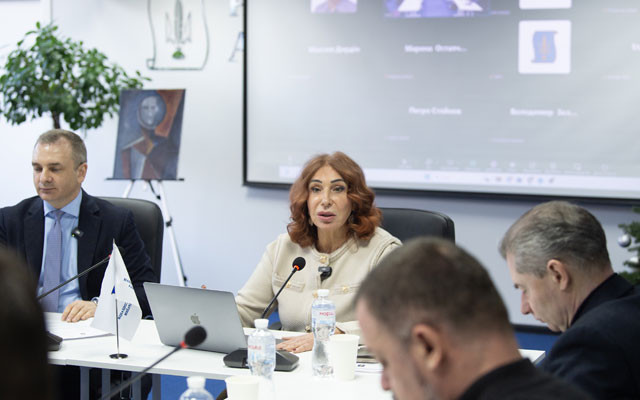
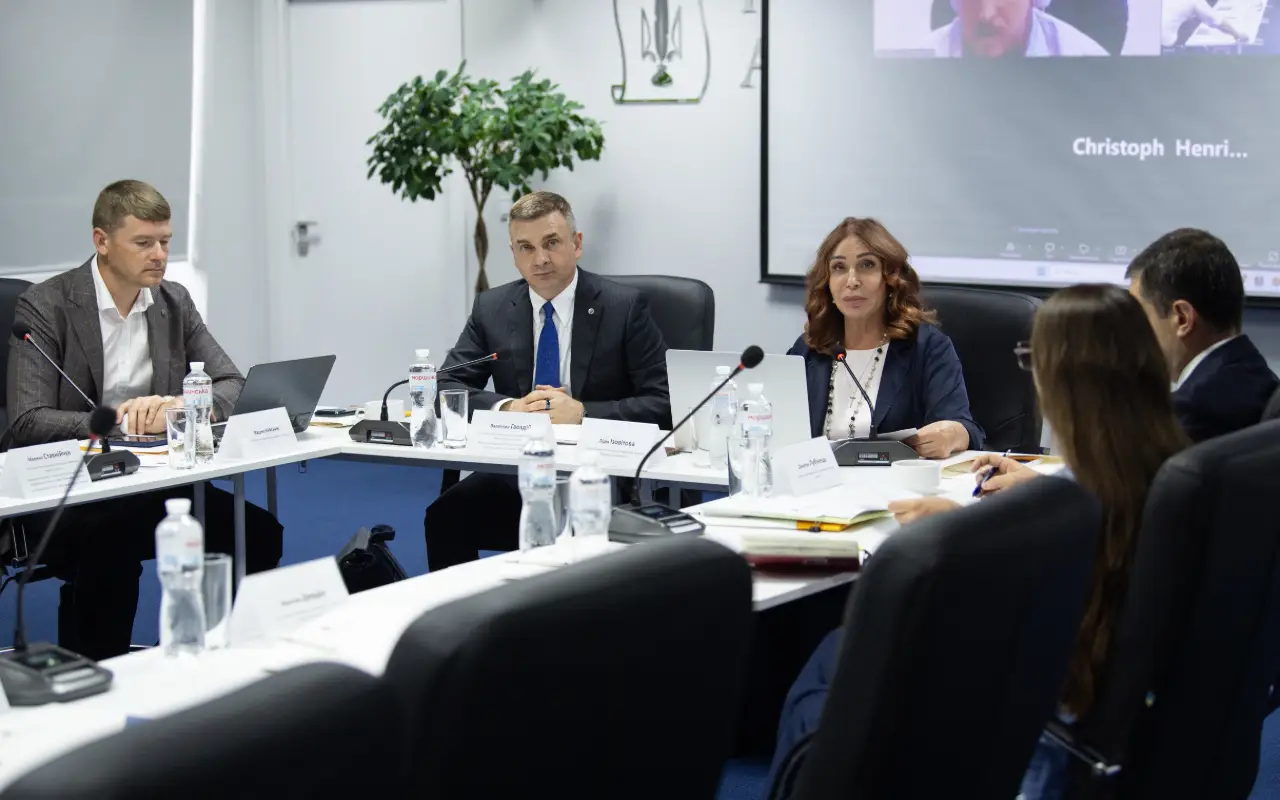
The Ukrainian National Bar Association held a round table on «The Law on identification: the balance between the right to defense and freedom of speech», at which representatives of the bar association and national and international experts discussed the introduction of liability for violations of guarantees of legal practice.
On July 16, 2025, the Verkhovna Rada adopted the Law «On amendments to the Code of Ukraine on administrative offenses and the Criminal Code of Ukraine to ensure compliance with guarantees of advocacy».
In particular, a separate Article 185-16, «Violation of the prohibition on identifying an advocate with a client», was to be added to the Code of Administrative Offenses, introducing liability for «publicly, including through the media, journalists, public associations, professional unions, digital platforms, social networks, internet resources, identifying an advocate with a client to whom such an advocate provides professional legal assistance, committed without the intention of obstructing the advocate's performance of his or her statutory powers to defend, represent, and provide other types of legal assistance to the client». However, the President has not yet signed this law.
The President of the UNBA, BCU Lidiya Izovitova, stressed that the issue is of fundamental importance to the professional community. She noted that there is an intense and sometimes emotional public debate surrounding the adopted law, particularly on the part of some media and the public sector.
In September 2025, with the participation of the EU Pravo-Justice Project, an event was held on the topic of protecting advocates from being identified with their clients. That discussion took place with minimal participation from Ukrainian advocates, despite the fact that, according to L. Izovitova, advocacy is the direct target of identification, pressure, and discrediting. Therefore, advocates were more the subject of discussion than full participants in it.
That is why the UNBA initiated the second part of this discussion on its own professional platform, involving advocates, the media, state representatives, and international partners. Pravo-Justice was also officially informed about the round table, which is a continuation of the same conversation, but now with the real involvement of the legal community.
L. Izovitova emphasized that identifying an advocate with a client is not an abstract theory or academic ethics.
In the Ukrainian context, this manifests itself in the form of public stigmatization of advocates as accomplices, information campaigns that replace legal principles with emotional labels, pressure and threats, as well as real risks to physical safety. Among the consequences, the President of the UNBA, BCU cited advocates' refusal to defend high-profile cases for fear of persecution. In this regard, she described the problem as a direct threat to the constitutional right to defense and the principle of adversarial proceedings.
Separately, addressing the media, L. Izovitova emphasized that advocacy does not oppose freedom of speech and does not question the right of journalists to criticize, analyze, and investigate. At the same time, she stated that practices in which advocates are identified with their clients' positions in the public sphere, the performance of professional duties is presented as moral or political solidarity, and the presumption of innocence is devalued are unacceptable. The adopted law is directed precisely against such approaches.
The President of the UNBA, BCU, recalled that a direct prohibition on identifying an advocate with a client has existed since the entry into force of the Law «On advocacy and legal practice». However, for years, according to her, this norm had no mechanism of accountability and remained declarative. For some time, this was sufficient due to the existence of a moral framework in society, under which public harassment of an advocate for performing their professional duties was considered unacceptable. But the situation changed with the start of a full-scale war, which, in her opinion, caused a shift in this framework. Legal principles have increasingly been replaced by moral labels, and the right to defense has come to be perceived as a sign of disloyalty or complicity.
At the same time, the inadmissibility of identifying an advocate with a client is an international rule under the UN Basic Principles on the role of advocates. The International Bar Association (IBA) has also enshrined this in its standards of independence for the legal profession. This rule is linked to the understanding of an advocate as an instrument of access to justice, rather than the «face» of a client's actions.
L. Izovitova also reported that the UNBA has prepared a guide for journalists, the media, and the public with practical recommendations and examples of acceptable and unacceptable formulations. The document contains a quick test that suggests replacing the phrases «advocate/client» with «doctor/patient» to check the correctness of public characterizations.
Separately, the President of the UNBA, BCU noted that the problem of identification arises more often not in professional journalism, but in the pseudo-media space, where there are no standards, editorial responsibility, or professional ethics. She attributed this to the imperfection of the media environment, in particular the lack of effective mechanisms for self-regulation and accountability.
Popular news

Legislation
The Verkhovna Rada is preparing a bill to implement the Convention on the Protection of the Professions of Lawyer
Members of Parliament plan to introduce a bill in the near future to implement the main provisions of the Council of Europe Convention on the Protection of the Professions of Lawyer. This parliamentary initiative may also prompt the government to expedite the preparation of the ratification package.
Legislation
The path to ratification of the Convention must not end in yet another delay — L. Izovitova
Ukraine’s preparations for the ratification of the Council of Europe Convention on the Protection of the Professions of Lawyer have already passed key stages. Now, government institutions must submit the matter to the Verkhovna Rada for consideration. In doing so, Ukraine may complete the ratification process faster than EU member states.
Guarantees of the practice of law
Ukraine could be the first to implement a European mechanism for the protection of advocates. What’s holding it back?
Ukraine has a chance to be the first country to ratify the Council of Europe Convention on the Protection of the Professions of Lawyer. Political support for this exists, but the government’s legislative package has not yet been submitted to parliament. Meanwhile, the number of violations of advocates’ rights is on the rise.

Educational events
How can an advocate verify that work has been completed if the client refuses to sign the report?
When billing by the hour, the primary document for determining the fee may be a detailed report on the time spent by the advocate and the work performed. To prevent the client from withholding payment, the contract should specify in advance the procedure for submitting and approving such a report.
Self-government
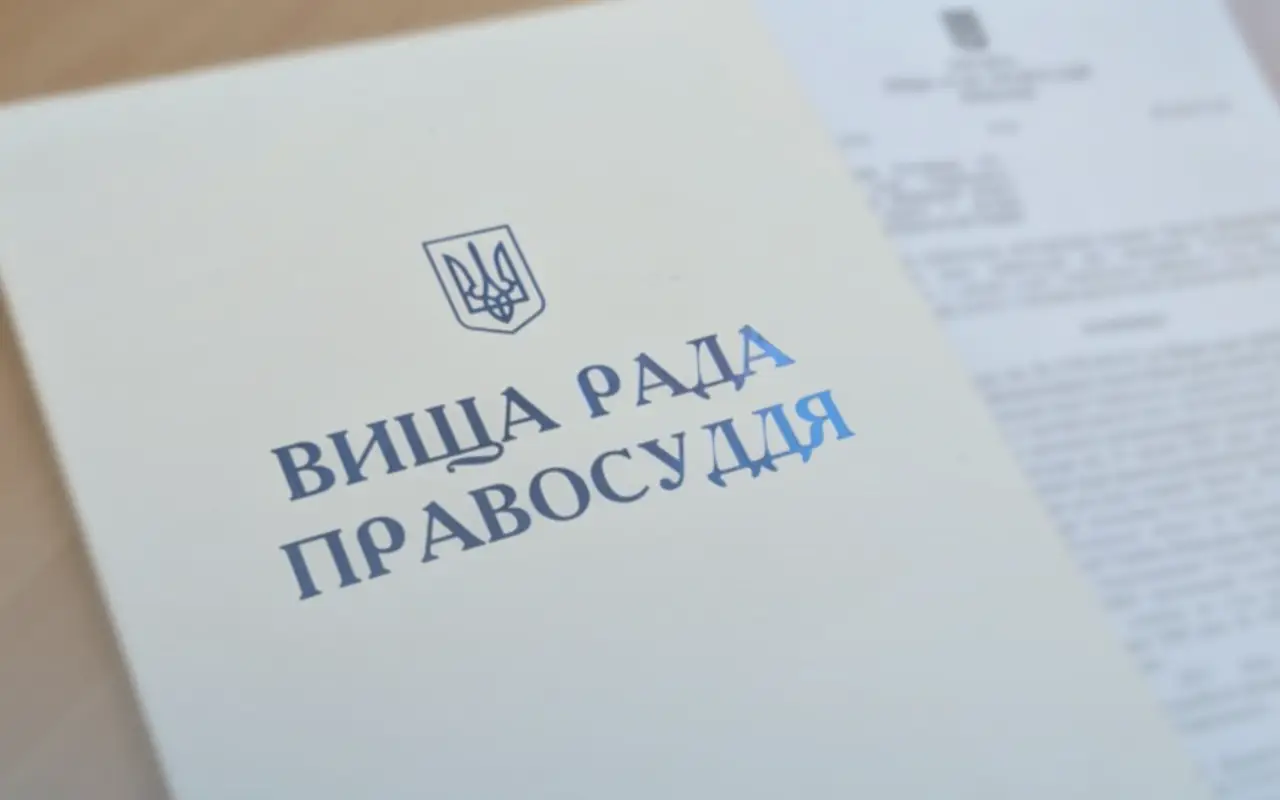
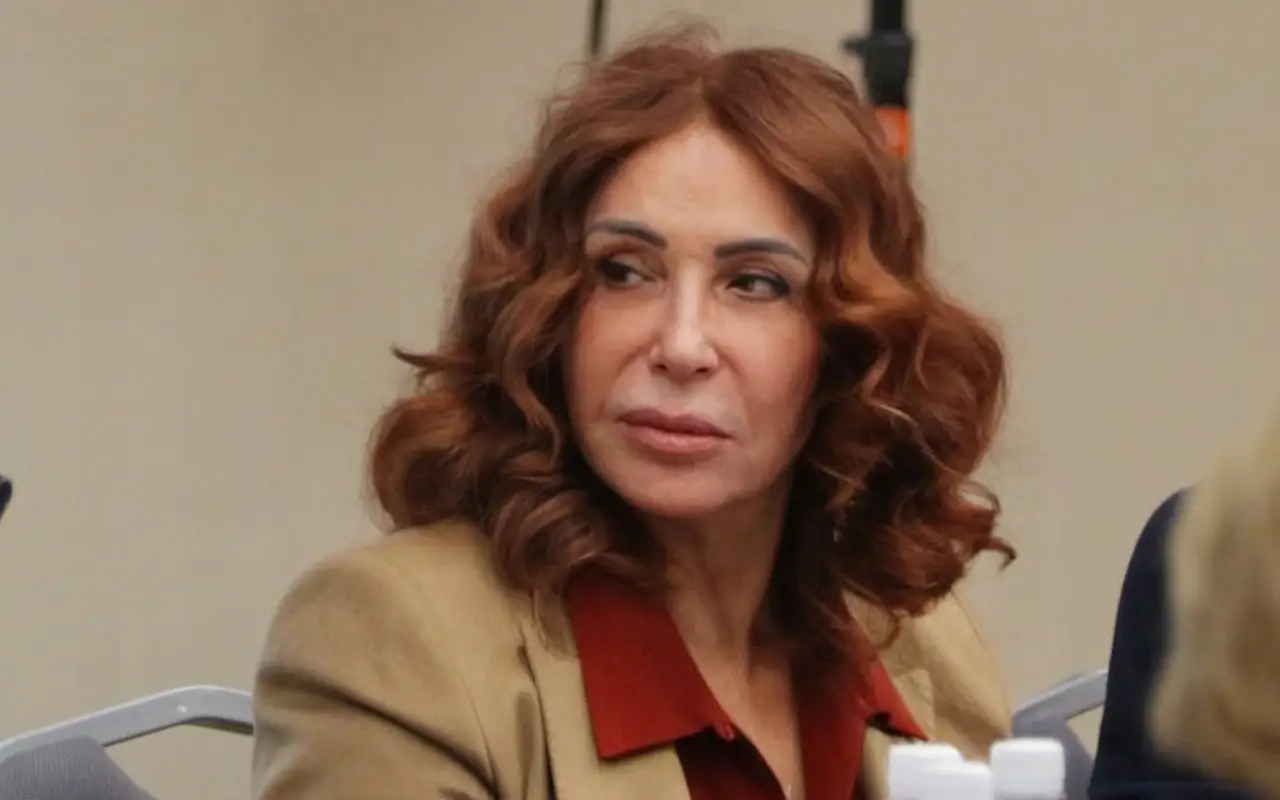
The BCU took note of the public appeal from the HCJ
The Bar Council of Ukraine has determined that, given the current security situation, it is objectively impossible to hold, in accordance with the procedure established by the Law «On the advocacy and the practice of law», meetings of advocates, regional conferences of advocates and the Congress of Ukrainian Advocates, including for the purpose of electing two members of the High Council of Justice under the quota allocated to the Congress of Ukrainian Advocates.
War
The BCU has launched a digital project «Wall of Remembrance and Honor»
The Bar Council of Ukraine has adopted a resolution to launch the digital project «Wall of Remembrance and Honor». To this end, the UNBA is beginning to collect information on advocates and paralegals who lost their lives as a result of the Russian Federation’s armed aggression against Ukraine.
Legal defence of military personnel
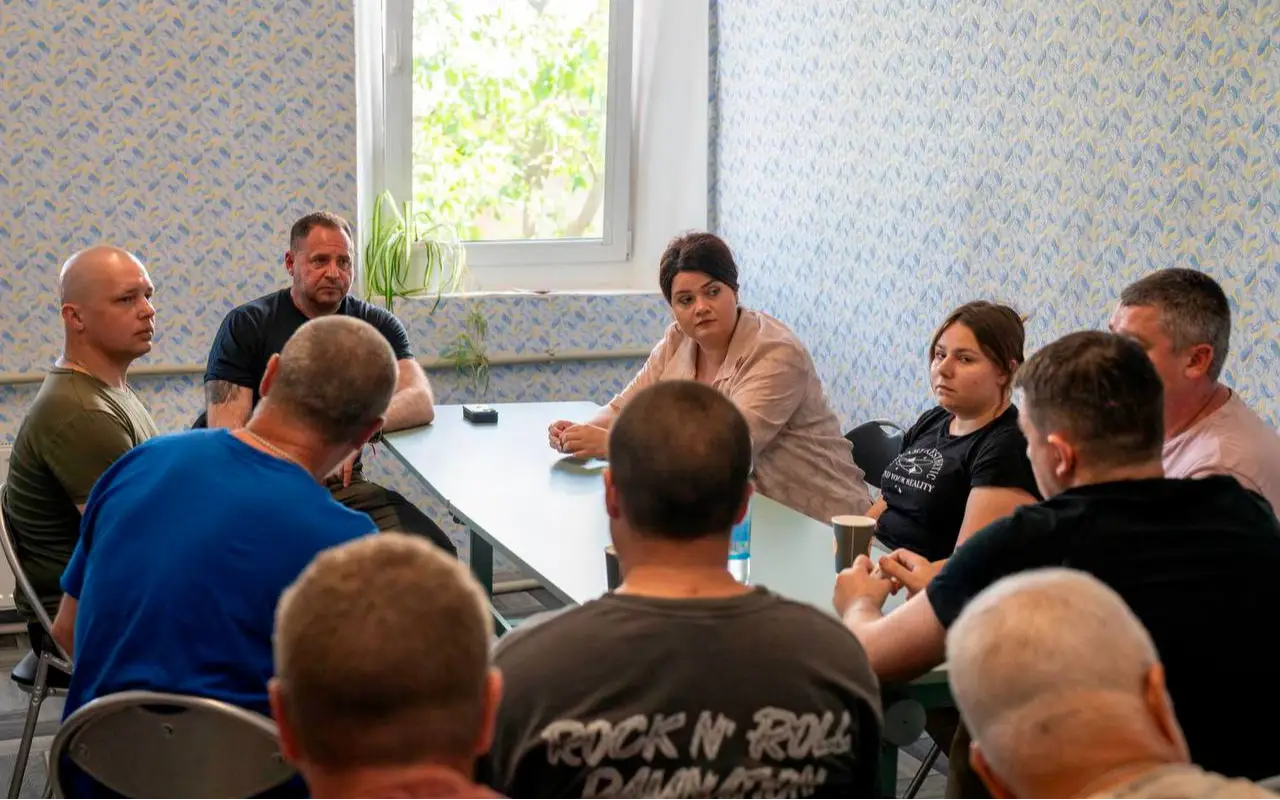
«Advocate+» has expanded its operations to 18 military units
The «Advocate+» project of the Ukrainian National Bar Association, which assigns advocates to military units, has expanded its operations to 18 units. Specialists have already been assigned to the new participants and are set to begin consultations next week.
Edition
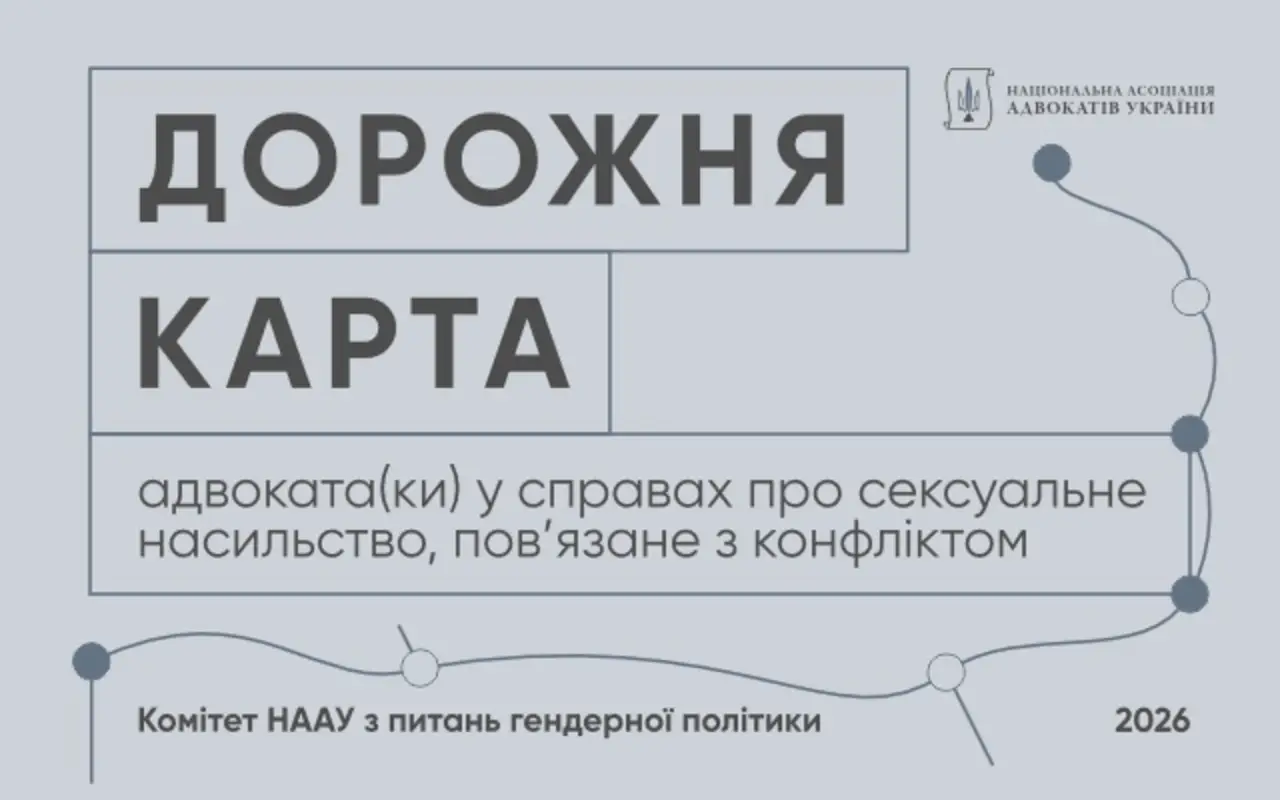
A roadmap for the CRSV cases has been prepared for the advocates
The UNBA Committee on gender policy has prepared a Roadmap for cases of Conflict-Related Sexual Violence.
Publications

Vasyl Kolishnyi, «Law and Business» Supporting mental health should become part of the professional culture of advocacy, - H. Udovenko

Volodymyr Matsko Extradition during wartime: when the risks outweigh the request

Volodymyr Matsko Extradition as a systemic form of rights violations

Victoria Yakusha, Law and Business The anti-corruption vertical cannot «take care» of the Bar as an institution, - acting head of the HQDCB

Censor.net Protecting advocates – protecting justice: addressing concerns about the new law

Ihor Kolesnykov A BRIEF SUMMARY REGARDING THE APPLICATION OF THE ORDER ON EXTENDED CONFISCATION IN LATVIA REGARDING FINANCIAL ASSETS OF…

Valentyn Gvozdiy WORKING IN A WAR ZONE

Lydia Izovitova Formula of perfection