The psychology of eating: how to build a healthy relationship with food

When under chronic stress and pressure from food «rules», people lose touch with hunger and satiety and begin to regulate their emotions through food — with prohibitions, breakdowns, shame, and guilt. How can healthy habits be restored?
UNBA held a thematic webinar dedicated to the relationship between psychological state, eating behavior, and overall human well-being. The speaker was psychologist and eating disorder therapist Lyudmila Kuzmenko.
She distinguished between the physiological and psychological significance of food. From a physiological point of view, food is a resource that provides energy, provides «building material» for organs, and supports regulatory processes. Energy deficiency can manifest itself in fatigue, irritability, and increased anxiety.
From a psychological point of view, food can serve as a means of self-regulation, associated with care, a sense of security, and social interaction. The speaker gave examples of how food is used to calm down, lift the mood, or as a tool for support in stressful situations. At the same time, L. Kuzmenko emphasized that the problem arises when emotional needs are satisfied mainly by food, and there are almost no other means of support.
Typical manifestations of unhealthy eating behavior include emotional eating, compulsive overeating (when control returns after overeating), anorexia (conscious restrictions due to fear of weight gain and distorted body image), bulimia (episodes of overeating followed by compensatory actions), as well as «diet swings» — alternating restrictions and breakdowns with shame and guilt.
That is why it is important to learn to distinguish between physical hunger and emotional hunger: physical hunger arises gradually and disappears after eating, while emotional hunger can appear suddenly and does not go away even after satiety. In this context, she explained the role of the nervous system and chronic stress: in a state of tension, food (especially sweet, fatty, warm) can be used as a quick way to achieve short-term «calm». In this case, the work should begin not with food control, but with expanding ways of self-calming without it. This can be slow breathing, physical presence, a feeling of support, warmth, some kind of rhythm, safe contact with other people.
Another principle is to reject dietary thinking and strict restrictions that trigger a vicious cycle of «diet - breakdown - guilt - new diet». It is important to understand that this is not a rejection of caring for one's health, but a rejection of violence against one's body under the guise of useful recommendations.
The participants also discussed the principle of «legalizing» food. The idea is to remove restrictions on foods that a person loves but does not allow themselves to eat, and to regain choice and control through mindful consumption.
The speaker described the algorithm: identify a «forbidden» food, eat it after your main meal, choose exactly what you want, eat slowly, focusing on the taste, aroma, and texture, and track your feelings of fullness without self-judgment.
The event was held with the support of the International Bar Association (IBA) as part of the project «Supporting the mental health of Ukrainian advocates during the war».
Popular news
Guarantees of the practice of law
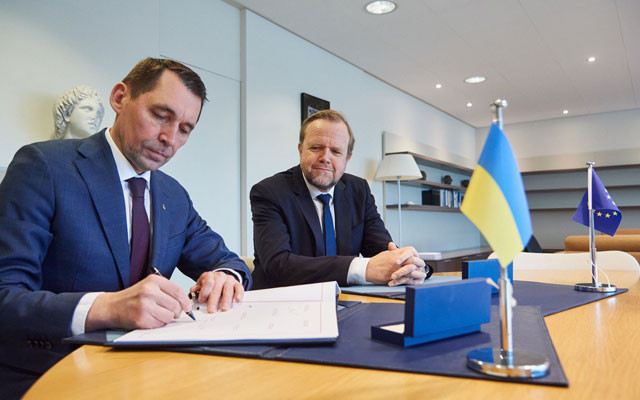
Ukraine has signed the Convention for the Protection of the Profession of Lawyer
Today, on 9 March, Ukraine's Permanent Representative to the Council of Europe Mykola Tochytskyi signed the Council of Europe Convention for the Protection of the Profession of Lawyer. This makes our country the 28th to sign this important international treaty.
European integration
A translation of the report on advocacy presented to the European Parliament has been published
A translation of a research report on the Ukrainian advocacy profession in wartime, previously presented to the European Parliament in Brussels, has been published. The document is presented as a basis for discussion on the rule of law, Ukraine's European integration aspirations, and countering Russian disinformation in the legal sphere.

Legal defence of military personnel
How to formalize discharge from military service: practical workshop
The issue of discharge from military service remains one of the most pressing and complex for Ukrainian defenders and their families. Due to constant changes in legislation, military personnel often face refusals to discharge them from service or even to consider their reports.
Legislation
The Verkhovna Rada Committee criticized the format of the government working group on advocacy
The implementation of the Roadmap on the rule of law (approved by Cabinet of Ministers Resolution No. 475-r of May 14, 2025) in relation to advocacy raises the practical question of who exactly should prepare legislative changes and how.
Self-government
The BCU demands a review of the composition of the government working group on reforming the advocacy profession
The President of the UNBA, BCU Lidiya Izovitova, appealed to the Cabinet of Ministers of Ukraine to review the composition of the working group on improving legislation in the field of advocacy and legal practice.
Guarantees of the practice of law
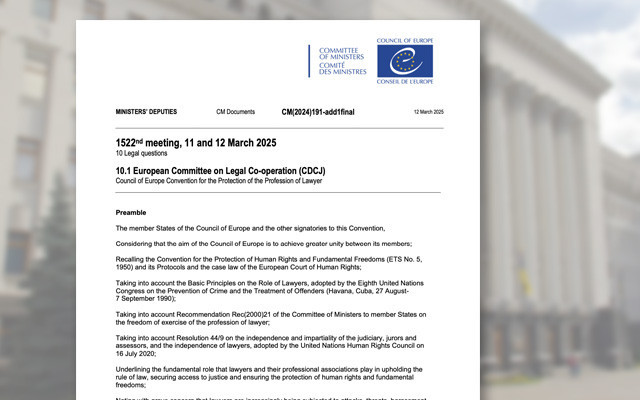
The President has determined, who will sign the Convention for the Protection of the Profession of Lawyer
President of Ukraine Volodymyr Zelenskyy authorized Ukraine's Permanent Representative to the Council of Europe Mykola Tochytskyi to sign the Council of Europe Convention for the Protection of the Profession of Lawyer.
Abroad
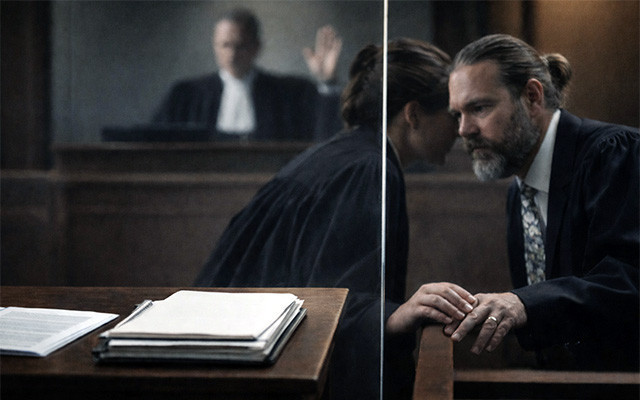
Advocate's romance with prosecutor halts criminal case in Canada
In Montreal (Quebec, Canada), a court suspended proceedings against eight defendants accused of illegal cannabis trafficking and money laundering after it was revealed that the prosecutor in the case and one of the advocates were in a secret intimate relationship.
Legislation
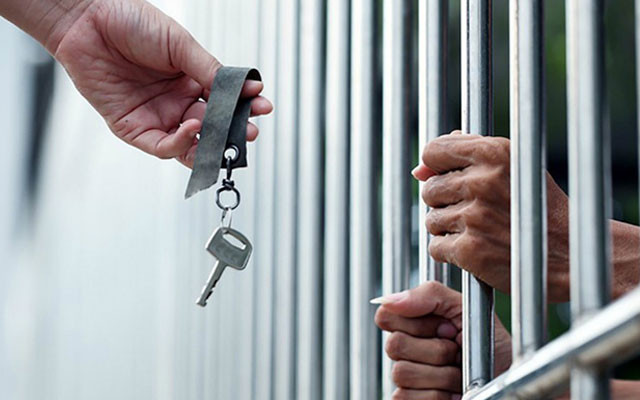
After the war amnesty for criminals or exemption from responsibility?
To ensure national reconciliation, rehabilitation of persons who have been persecuted for political reasons, restoration of justice, and establishment of lasting peace, it is proposed to introduce an amnesty after the war.
Publications

Volodymyr Matsko Extradition during wartime: when the risks outweigh the request

Volodymyr Matsko Extradition as a systemic form of rights violations

Victoria Yakusha, Law and Business The anti-corruption vertical cannot «take care» of the Bar as an institution, - acting head of the HQDCB

Censor.net Protecting advocates – protecting justice: addressing concerns about the new law

Ihor Kolesnykov A BRIEF SUMMARY REGARDING THE APPLICATION OF THE ORDER ON EXTENDED CONFISCATION IN LATVIA REGARDING FINANCIAL ASSETS OF…

Valentyn Gvozdiy WORKING IN A WAR ZONE

Lydia Izovitova Formula of perfection

Sergiy Vylkov Our judicial system is so built that courts do not trust advocates