


How can an advocate recharge if fatigue persists after the weekend?
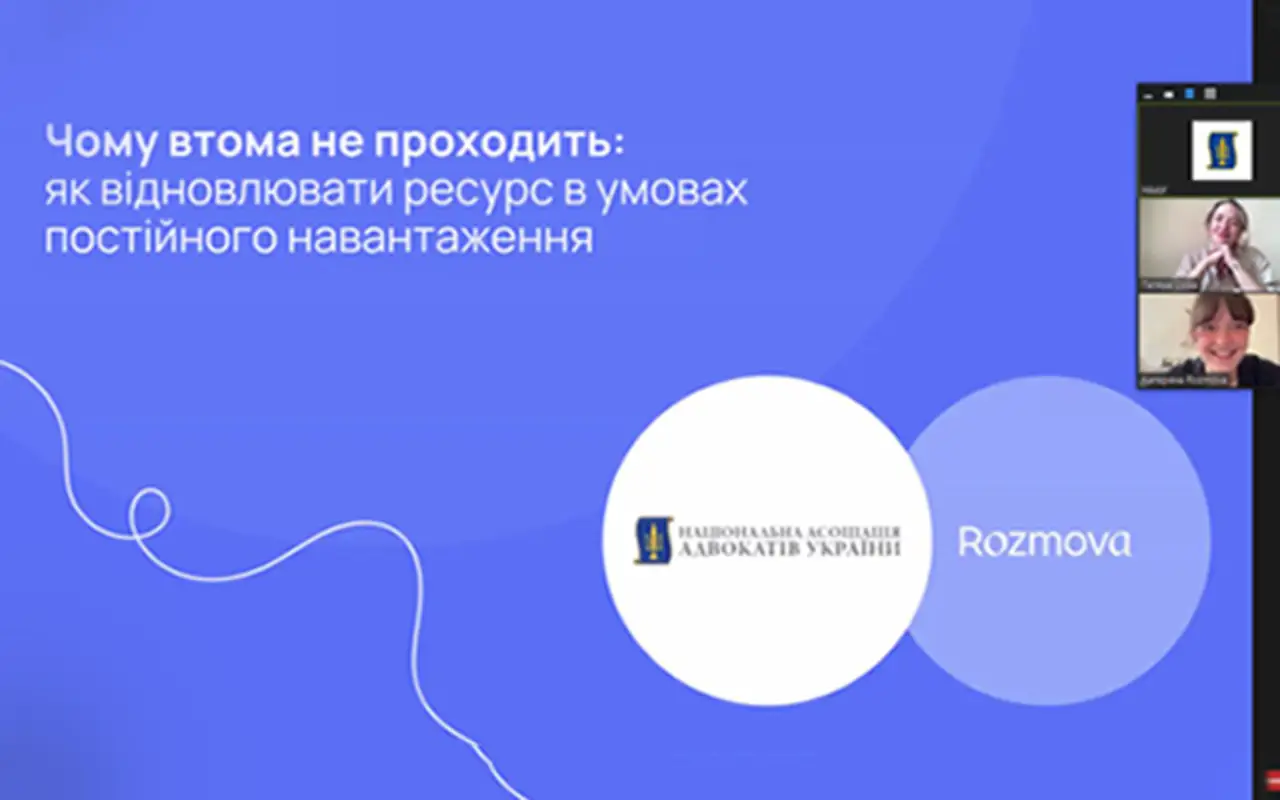
Fatigue resulting from prolonged stress does not always go away after sleep, a weekend, or a vacation. In situations of chronic stress, it is important for advocates not only to «take a break» but also to understand exactly which resource has been depleted and what type of rest is needed.
This topic was discussed during the webinar «Why fatigue doesn’t go away: how to restore resources under constant stress», organized by the Ukrainian National Bar Association with the support of the International Bar Association (IBA). The event’s speaker was Tetyana Sova, a practicing psychologist from the Rozmova platform.
She explained that even after adapting to difficult conditions, the mind continues to grapple with the effects of chronic stress, a compromised sense of security, and financial, time-related, or physical instability. Under such circumstances, the baseline level of fatigue naturally increases, and it is important to acknowledge it rather than ignore it or «heroically» mask it with work.
T. Sova noted that fatigue is a natural state of temporary depletion of the body’s physical, cognitive, or emotional resources, signaling a need for recovery. At the same time, situations require special attention when fatigue persists over time, occurs without an obvious intense workload, or its severity does not correspond to the amount of effort expended.
In such cases, she said, it is important to assess not only one’s psychological but also physiological state, consult specialists, review one’s schedule, and seek support. It is crucial to recognize in a timely manner that one’s usual routine no longer ensures recovery.
The speaker pointed out that fatigue is not uniform. It can be physical, cognitive, social, emotional, and informational, and different types of fatigue can accumulate simultaneously. For legal practice, cognitive strain from complex cases and constant decision-making, emotional strain from interacting with clients, and informational fatigue from news, notifications, and the digital environment can be particularly pronounced.
That is why each type of fatigue requires an appropriate form of rest. If a person is exhausted not physically but emotionally or cognitively, simply sleeping or switching activities may not be enough.
T. Sova distinguished between work, active, and passive activities. Active rest such as a walk, sports, hobbies, or meeting with friends can replenish one’s resources, but it does not replace the passive component, during which a person has the right to do nothing and not be constantly engaged in tasks. Passive rest is often underestimated, even though it is the energy-conserving part of activity. If a person is lying down but at the same time worrying, planning work, replaying conversations, or criticizing themselves for inactivity, this state does not allow for full recovery.
According to the psychologist, quality recovery should encompass three levels: the body, emotions, and thoughts. At the physical level, this involves sleep, nutrition, moderate physical activity, health, and sensory relief; at the emotional level recognizing one’s own state, managing stress, and reassessing social interactions; and at the mental level managing anxiety, cognitive biases, focus and the right to rest.
However, not every break is true rest. T. Sova classified the following as «pseudo-rest»: active engagement with content, excessive use of social media, constantly switching between stimuli, sensory overstimulation, as well as situations where a person is technically resting but feels shame or guilt about it.
In conclusion, the speaker advised developing sensitivity to one’s own state, distinguishing between types of fatigue, utilizing various forms of rest, maintaining «information hygiene», and staying connected to one’s environment. She emphasized that under current conditions, rest is not a luxury but a necessity for survival, and people need more recovery time than ever before.
Popular news
Guarantees of the practice of law
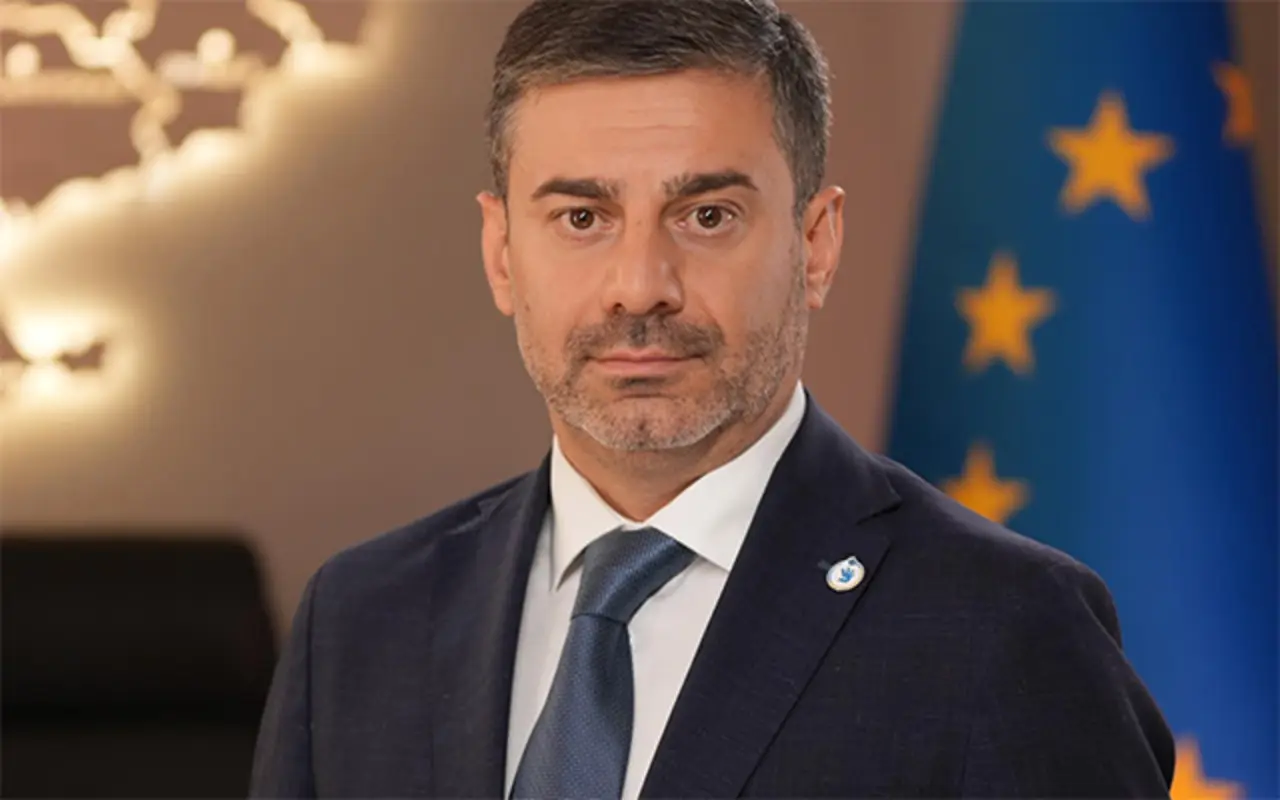
Ombudsman calls for a firm response to violence against advocates
Every instance of obstruction of an advocate’s lawful activities, use of physical force, delaying an investigation, or concealment of evidence must be subject to a proper legal assessment. The state is obligated to ensure that the right to a defense is a genuine guarantee.
Greetings
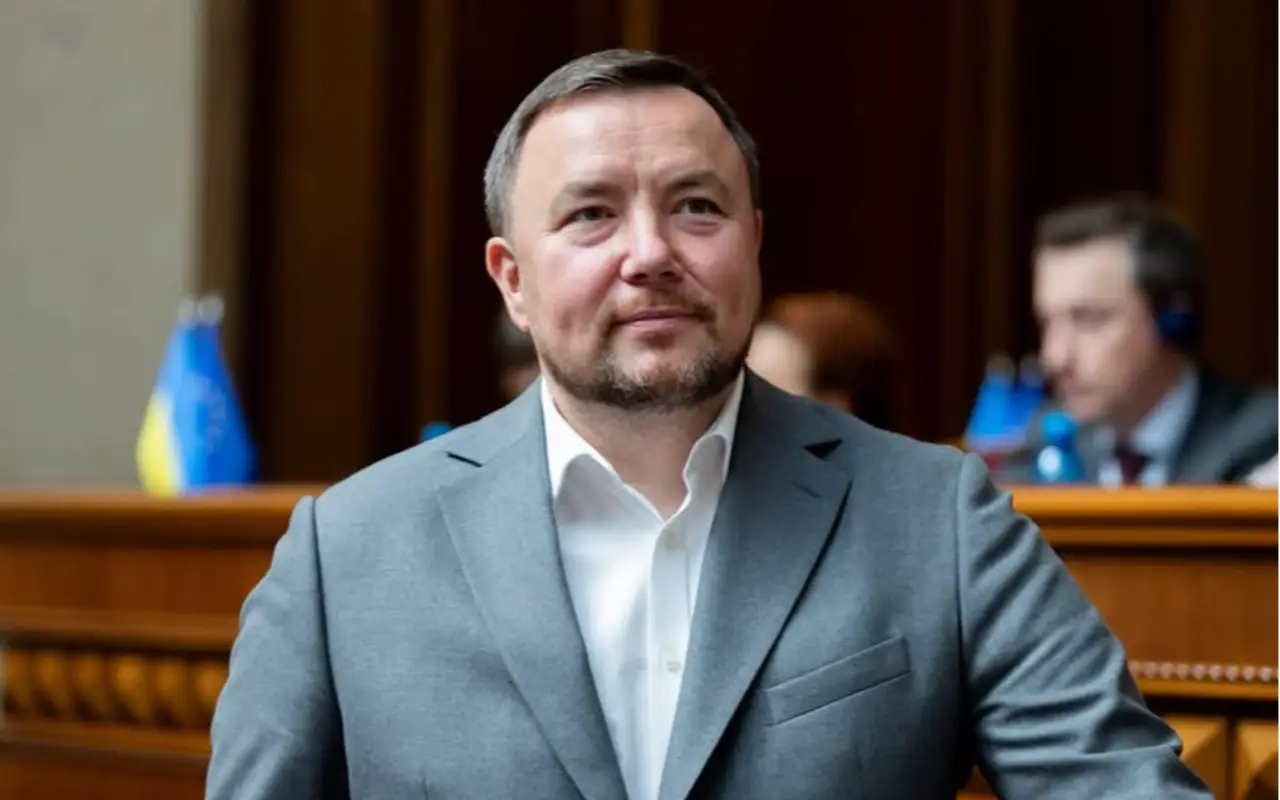
The UNBA congratulates Denis Maslov on his appointment as Minister of Justice
Denis Maslov’s many years of experience as a advocate, his work as a judge and his tenure as chairman of the Verkhovna Rada of Ukraine’s Committee on legal policy have given him a deep understanding of how the legal system functions and the challenges it faces.
Legislation
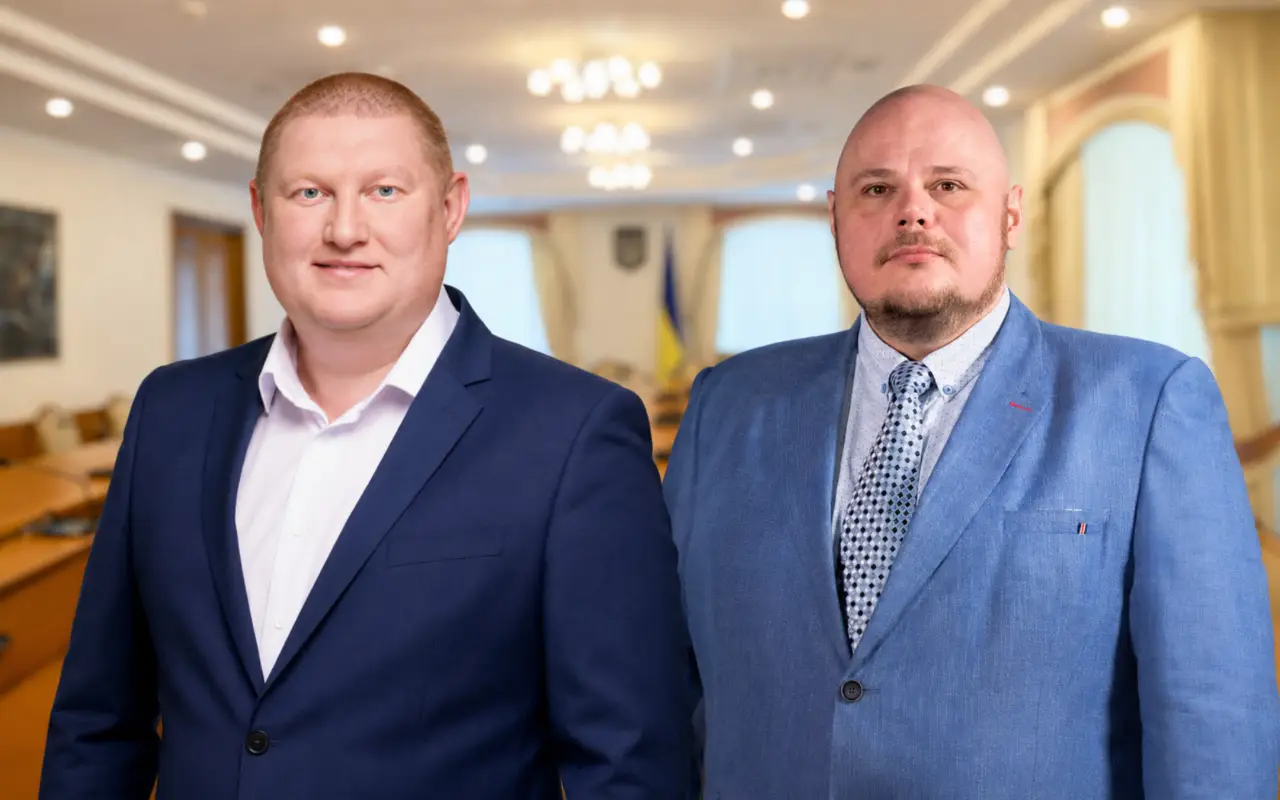
The Verkhovna Rada explained why the section on advocacy should be removed from the anti-corruption strategy
The section on advocacy and legal aid in the draft anti-corruption strategy for 2026–2030 goes beyond the scope of anti-corruption policy and is inconsistent with the constitutional guarantees of the independence of the legal profession.
Announcements
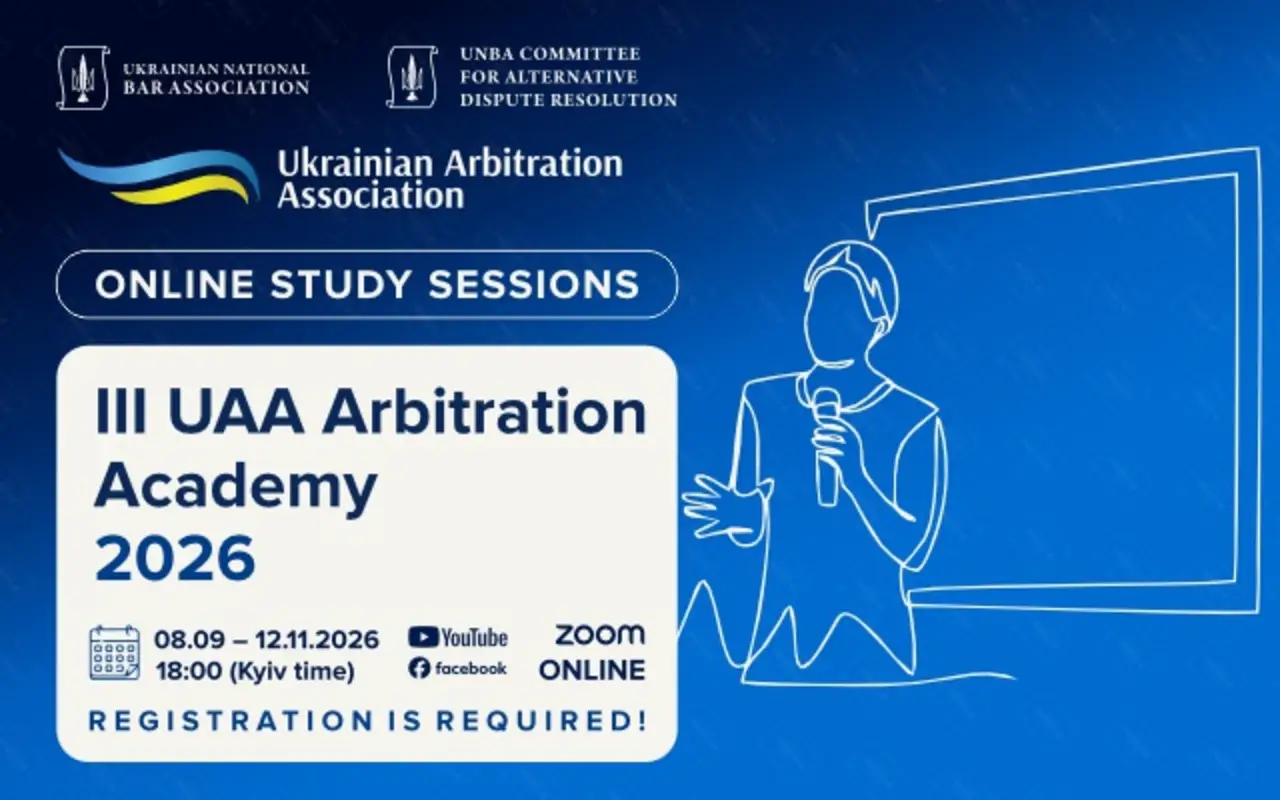
Advocates are invited to the III UAA Arbitration Academy 2026
The UNBA, at the initiative of the Committee on alternative dispute resolution, invites advocates, lawyers, students, judges, government officials and anyone interested in international arbitration to participate in the III UAA Arbitration Academy 2026.
Educational events
How can an advocate recharge if fatigue persists after the weekend?
Fatigue resulting from prolonged stress does not always go away after sleep, a weekend, or a vacation. In situations of chronic stress, it is important for advocates not only to «take a break» but also to understand exactly which resource has been depleted and what type of rest is needed.
Discussion
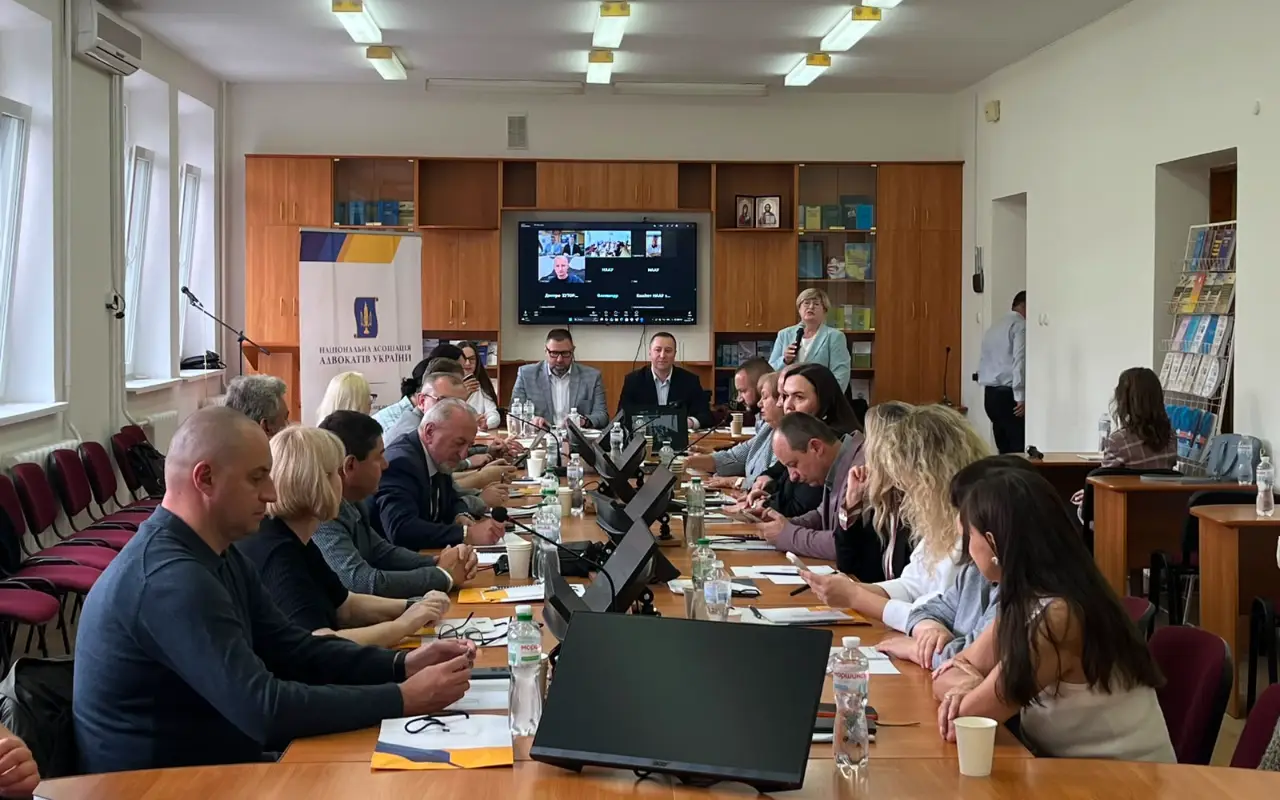
Complaints, time limits and prosecutorial powers: what gaps in the CPC do advocates see?
During the pretrial investigation stage, the effectiveness of the defense depends to a large extent on the proper implementation of procedural safeguards: the timely consideration of complaints, the advocate’s access to information regarding the progress of the proceedings and so on.
Guarantees of the practice of law
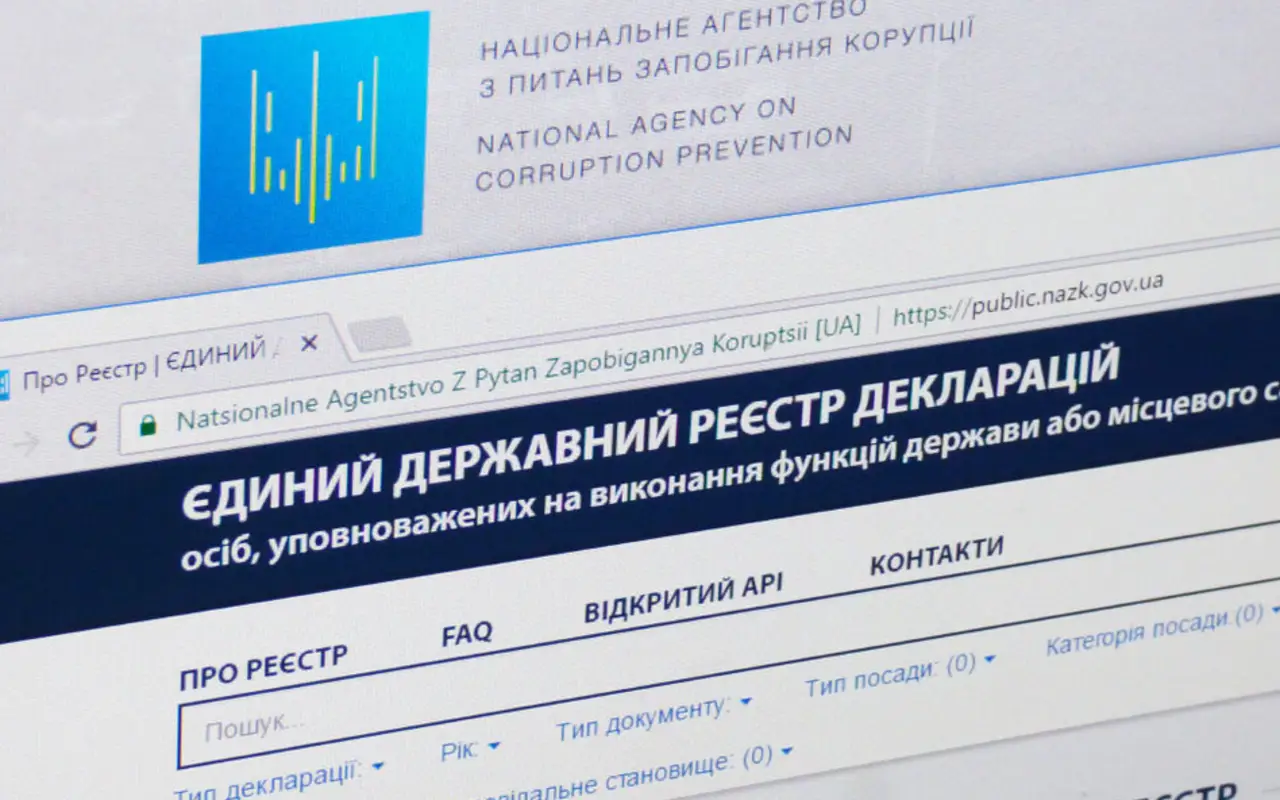
The NACP’s clarification regarding the declaration of membership in the UNBA should be clarified – BCU
An advocate’s membership in the UNBA is an element of professional status arising by virtue of law, rather than a voluntary private membership in an association. Therefore, failure to disclose it in a declaration should not automatically lead to the conclusion of unethical conduct or the concealment of a private interest.
Legislation
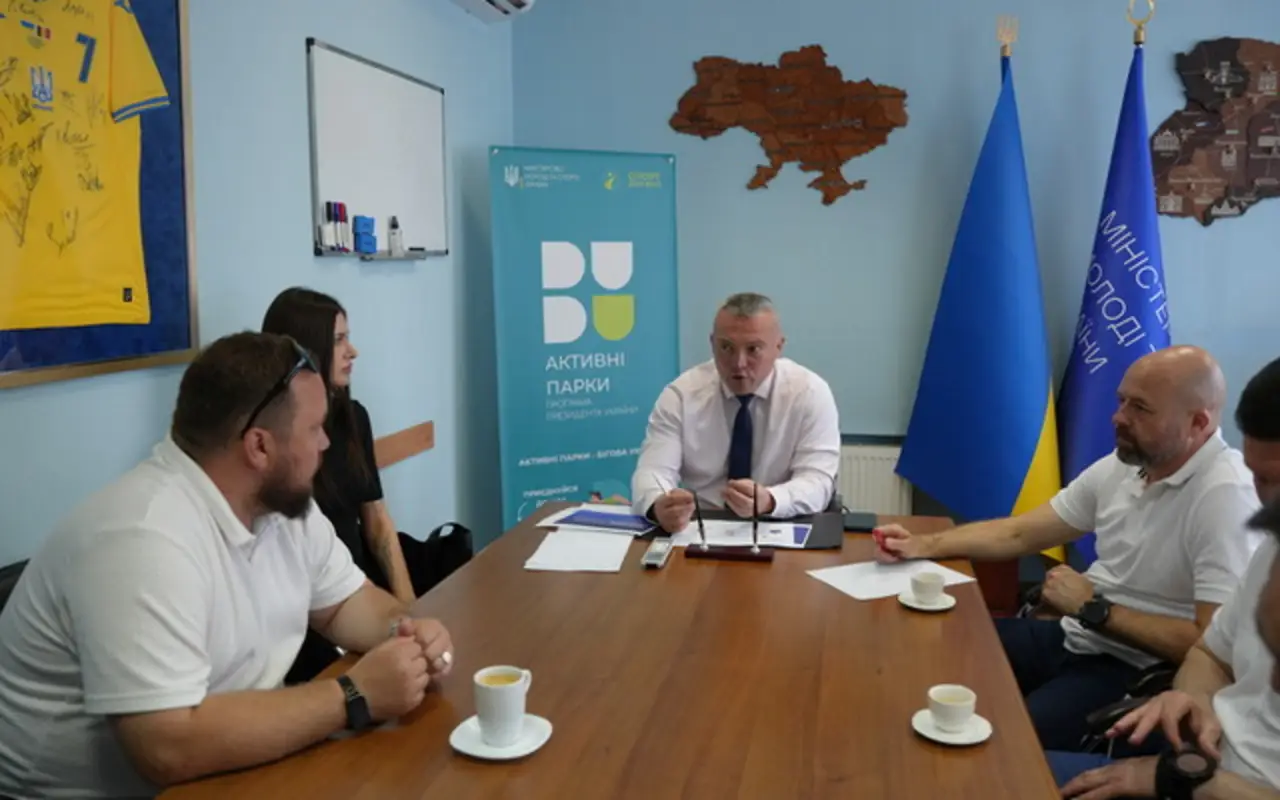
Legal experts will assess the legal risks of the draft law on sports
Draft Law No. 15169 «On sports» is intended to change the rules for sports clubs, federations, investors, competition organizers, and digital services in this sector. Advocates from the relevant Committees of the UNBA were invited to participate in its finalization.
Publications

Volodymyr Matsko Extradition during wartime: when the risks outweigh the request

Volodymyr Matsko Extradition as a systemic form of rights violations

Victoria Yakusha, Law and Business The anti-corruption vertical cannot «take care» of the Bar as an institution, - acting head of the HQDCB

Censor.net Protecting advocates – protecting justice: addressing concerns about the new law

Ihor Kolesnykov A BRIEF SUMMARY REGARDING THE APPLICATION OF THE ORDER ON EXTENDED CONFISCATION IN LATVIA REGARDING FINANCIAL ASSETS OF…

Valentyn Gvozdiy WORKING IN A WAR ZONE

Lydia Izovitova Formula of perfection

Sergiy Vylkov Our judicial system is so built that courts do not trust advocates