ETAIDF and MMC: where the system fails
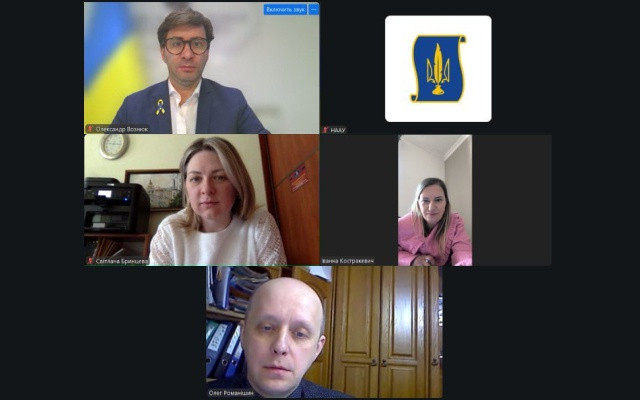
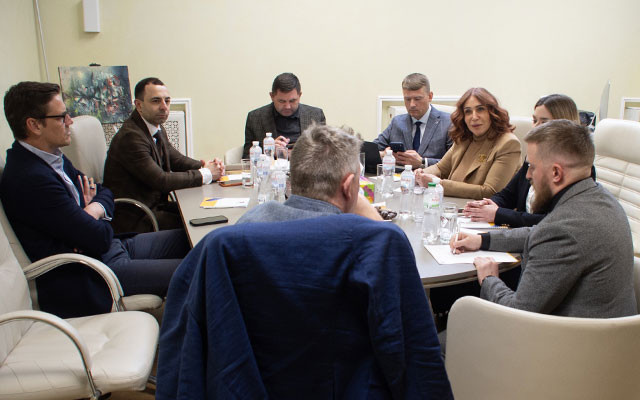
The new system for assessing a person’s daily functioning and the practice of undergoing medical-legal examinations have already raised numerous questions — ranging from unclear procedures to difficulties in appealing decisions. These issues were examined by advocates during the roundtable discussion «Problematic issues of the ETAIDF and MMC», organized by the UNBA Committee on the protection of the rights of persons with disabilities and the All-Ukrainian public organization «Human rights union of persons with disabilities».
The chairman of the Committee and the public organization Oleksandr Voznyuk outlined the range of issues brought up for discussion: how the new system works in practice, whether the reform has achieved its goals, to what extent the tasks set by the President for central executive bodies have been fulfilled, and how new regulatory acts should regulate the approaches of expert teams assessing a person’s daily functioning (ETAIDF) and military medical commissions (MMC).
A member of the Committee’s Council Ivanna Kostrakevych analyzed case studies of conscripts and military personnel undergoing MMCs. She noted that the conclusions of the MMC directly impact the realization of human rights, as they determine fitness for military service, the possibility of continuing service, the need for treatment or rehabilitation, as well as the causal link between an illness or injury and the performance of military duties or the defense of the homeland. According to her, the most problems during the Medical Examination Commission process arise precisely in the commissions at the TCCs, where violations of current legislation are most frequently recorded.
Deputy chairman of the Committee Svitlana Bryntseva confirmed that one of the most sensitive issues during martial law is the interaction of persons with disabilities with the TCCs. Typical problems cited included the disregard of documents confirming disability, repeated referrals for medical examinations or MMC without proper grounds, the lack of a unified approach to verifying such documents, as well as the inaccessibility of certain procedures for people with severe forms of disability. Regarding the ETAIDF, the discussion focused on the lack of clarity in assessment criteria, differing interpretations of findings by expert teams, insufficient public awareness of the procedure itself, and the difficulty of accessing medical records.
S. Bryntseva also addressed judicial practice. She noted that the most common grounds for appeal in disputes regarding the ETAIDF and the Medical Examination Commission are superficial medical examinations, the disregard of existing medical documents, the absence of reasoned conclusions from the commissions, and a formalistic approach to assessing a person’s condition. Courts generally emphasize the need for a comprehensive medical examination, consideration of all documents, and proper justification of decisions. Among systemic issues, the speaker cited the insufficient regulation of the ETAIDF procedure, the lack of clear coordination between the TCC, medical institutions, and expert teams, as well as the weakness of the pre-trial mechanism for appealing MMC decisions.
A member of the Committee’s Council Oleg Romanishin focused on administrative appeals of ETAIDF decisions through the lens of legal practice and the protection of the rights of individuals undergoing the disability determination process. He noted that the conclusions of expert teams directly impact the realization of social rights, particularly the establishment of disability status, receipt of social benefits, rehabilitation, and other state guarantees. At the same time, administrative appeals remain the only mechanism for reviewing such decisions on their merits, as courts typically do not assess the medical criteria of a disease or injury.
Separately, the speaker emphasized that the new assessment system is based not only on the diagnosis, but primarily on the degree of impairment of a person’s vital functions — the ability to care for oneself, move about, communicate, and engage in work activities. Therefore, an effective appeal of ETAIDF decisions requires not only legal arguments but also a thorough analysis of medical documents and their comparison with the criteria for functional limitations. According to him, in practice, appeals are filed not only against decisions establishing a disability group but also against specific elements of the expert opinion: the percentage of loss of working capacity, the duration of disability, the need for external care, and the causal link between the illness and military service or the defense of the homeland. It is precisely these conclusions that often determine the amount of social benefits and guarantees.
Participants were also presented with practical challenges in the administrative appeal process, including insufficient reasoning in expert panel decisions, lengthy complaint review periods, and the absence of a multi-level system for reviewing decisions. It was emphasized that effective protection of rights in such cases is possible only through interdisciplinary cooperation between advocates and doctors, since cases involving the determination of disability are not merely about documents, but primarily about people’s life circumstances and fates.
Popular news
Guarantees of the practice of law
Valentin Gvozdiy: Ukraine’s ratification of the Convention for the Protection of the Profession of Lawyer – is a matter…
Exactly one year ago, on May 13, 2025, in Luxembourg, during the 134th session of the Committee of Ministers of the Council of Europe, the Convention for the Protection of the Profession of Lawyer was opened for signature. Today, the Verkhovna Rada Committee on legal policy held a working meeting to prepare for its ratification. Between these two dates lies a year, during which (on March 9) Ukraine became the 28th signatory state. We spoke about this new phase with the Vice President of the UNBA, BCU Valentin Gvozdiy, who was personally involved in the preparation of this international instrument.
Support
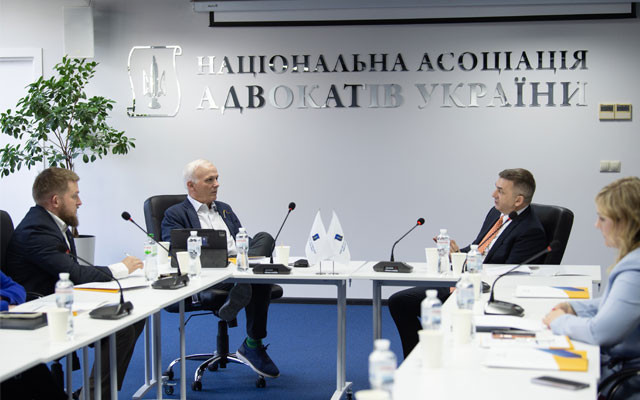
Mental health, archives and cybersecurity: The UNBA and the IBA reviewed the progress of joint projects
The Ukrainian National Bar Association and the International Bar Association (IBA) reviewed the progress of joint projects that are of practical importance in the context of the war: supporting the mental health of advocates, digitizing archives, and strengthening the cybersecurity of the legal infrastructure.
Rule of Law Roadmap
The UNBA is developing a model for reforming the legal profession
The reform of the advocacy profession is part of the negotiation process regarding Ukraine’s accession to the European Union, and the Rule of Law Roadmap explicitly identifies the Ukrainian National Bar Association as one of the key stakeholders in the process.
Legal defence of military personnel
Missing in action: advocates explain the procedure to the families of servicemembers
As part of the «Advocate+» pilot project, advocates continue to work with military personnel in the brigades, helping to resolve practical legal issues — ranging from social benefits and payments to undergoing medical examinations and processing paperwork.
Guarantees of the practice of law
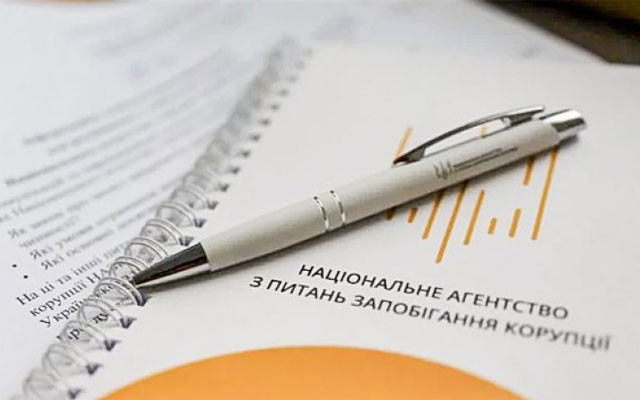
Police to investigate the NACP's attempts to reform advocacy
The Office of the Prosecutor General has opened a criminal investigation into alleged abuse of power by employees of the National Agency for Corruption Prevention.
Interaction
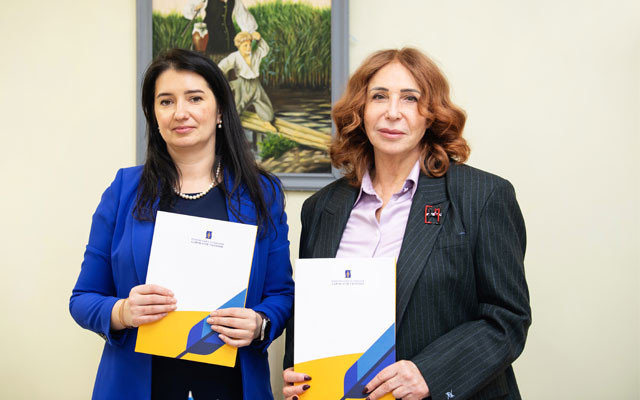
Advocates and patent attorneys combine their expertise in the field of intellectual property
Joint legislative proposals, expert opinions on regulatory changes and professional discussions on key issues in the field of intellectual property will form the basis of cooperation between the Ukrainian National Bar Association and the National Association of Patent Attorneys of Ukraine.
Interaction
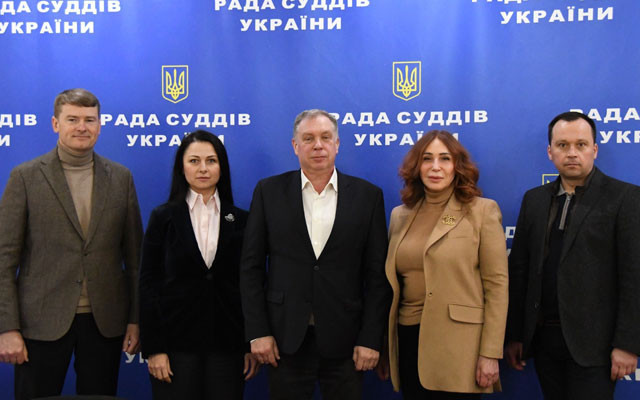
The UNBA and the Council of Judges of Ukraine are expanding their professional dialogue
On April 24, a working meeting was held between the President of the UNBA, BCU Lidiya Izovitova and the Chairman of the Council of Judges of Ukraine Vitaliy Salikhov. Topics discussed included formats for cooperation between bar and judicial self-governing bodies, the development of joint ethical standards, and the formation of a Selection Committee for the recruitment of members of the High Council of Justice.
Legal defence of military personnel
The model for legal assistance to veterans was discussed at the UNBA
A working meeting was held at the Ukrainian National Bar Association, during which representatives of the advocacy profession, the Ministry of Veterans Affairs of Ukraine and a foreign expert discussed approaches to providing legal aid to veterans, the role of the advocacy profession in this system, and the experience of other countries.
Publications

Volodymyr Matsko Extradition during wartime: when the risks outweigh the request

Volodymyr Matsko Extradition as a systemic form of rights violations

Victoria Yakusha, Law and Business The anti-corruption vertical cannot «take care» of the Bar as an institution, - acting head of the HQDCB

Censor.net Protecting advocates – protecting justice: addressing concerns about the new law

Ihor Kolesnykov A BRIEF SUMMARY REGARDING THE APPLICATION OF THE ORDER ON EXTENDED CONFISCATION IN LATVIA REGARDING FINANCIAL ASSETS OF…

Valentyn Gvozdiy WORKING IN A WAR ZONE

Lydia Izovitova Formula of perfection

Sergiy Vylkov Our judicial system is so built that courts do not trust advocates