


State-owned energy companies need operational autonomy – opinion
Even if the entire authorized capital of an energy company is owned by the state, its governing bodies should not automatically carry out the owner’s will. In particular, the supervisory board must prevent erroneous or unlawful interference in the company’s operations.
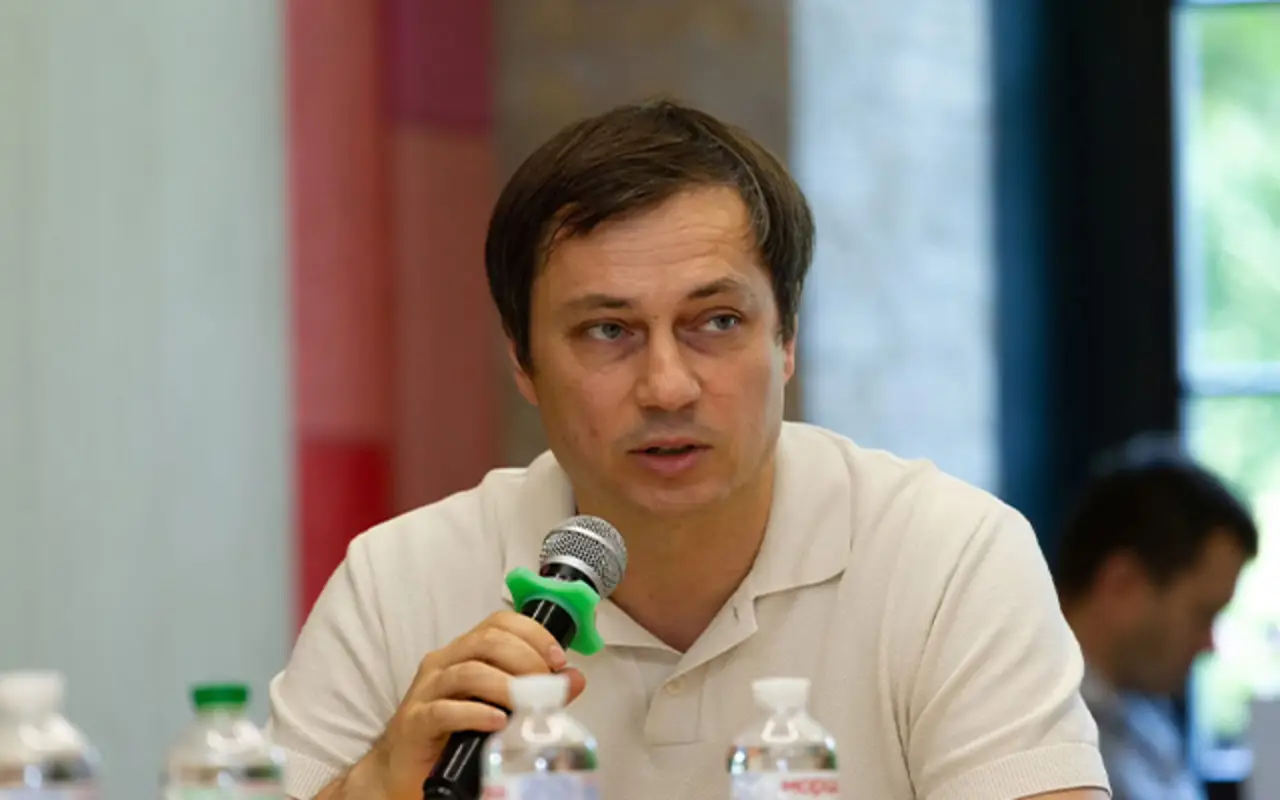
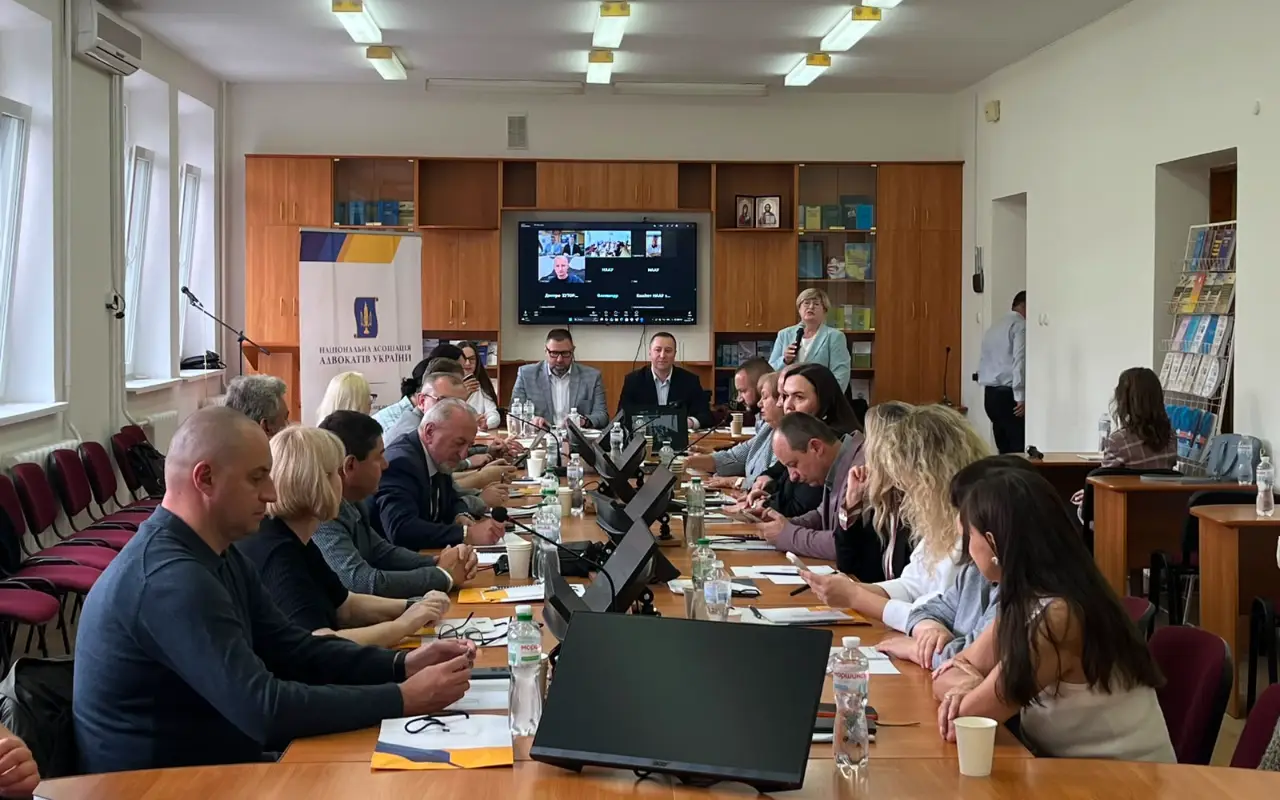
This was emphasized by chairman of the UNBA Committee on energy law Oleksandr Trokhymets during the forum «Corporate governance in the energy sector: from formal rules to real accountability», which was recently held in Kyiv.
The event concluded a three-month special project during which representatives of energy companies, supervisory boards, and the legal and expert communities discussed the state’s role as an owner, the division of powers, management accountability, and the implementation of international approaches to corporate governance.
In his presentation titled «The state and state-owned enterprises: where is the line?», O. Trokhymets noted that an enterprise cannot be equated with the state, even if the state owns its entire authorized capital. Similarly, a company is not identical to its shareholder, and the property transferred to its authorized capital or acquired in the course of its operations belongs to the legal entity itself.
Therefore, according to the advocate, management bodies should not mechanically carry out any decisions made by the owner. They must serve as a safeguard against erroneous or even illegal attempts by the owner to influence the company’s operations.
The speaker also focused on state-owned companies in the energy sector, some of which, by law, can only be state-owned. At the same time, in his opinion, the state should not shift the responsibility for fulfilling its own social functions onto these companies.
As an example, he cited the imposition of special obligations to ensure affordable electricity prices for the population. Such tasks, O. Trokhymets believes, should be financed from the budget, while state-owned enterprises should generate revenue from their economic activities and contribute to the budget through their profits.
The efficiency of state-owned and private companies, in his view, should be assessed using the same economic criteria, including profitability, market capitalization, and the value of fixed assets, among others.
During the forum, participants also discussed the role of supervisory boards, the transparency and accountability of state-owned energy companies, and the importance of a clear division of responsibilities in building investor confidence in the public sector.
Popular news

Interaction
The UNBA is developing a concept for a Center for expert research
The Ukrainian National Bar Association has begun work on a concept for a Center for expert research, which is intended to provide advocates and their clients with access to specialized knowledge and the ability to have expert opinions professionally reviewed.
Guarantees of the practice of law
Ombudsman calls for a firm response to violence against advocates
Every instance of obstruction of an advocate’s lawful activities, use of physical force, delaying an investigation, or concealment of evidence must be subject to a proper legal assessment. The state is obligated to ensure that the right to a defense is a genuine guarantee.
Greetings
The UNBA congratulates Denis Maslov on his appointment as Minister of Justice
Denis Maslov’s many years of experience as a advocate, his work as a judge and his tenure as chairman of the Verkhovna Rada of Ukraine’s Committee on legal policy have given him a deep understanding of how the legal system functions and the challenges it faces.
Legislation
The Verkhovna Rada explained why the section on advocacy should be removed from the anti-corruption strategy
The section on advocacy and legal aid in the draft anti-corruption strategy for 2026–2030 goes beyond the scope of anti-corruption policy and is inconsistent with the constitutional guarantees of the independence of the legal profession.

Announcements
Advocates are invited to the III UAA Arbitration Academy 2026
The UNBA, at the initiative of the Committee on alternative dispute resolution, invites advocates, lawyers, students, judges, government officials and anyone interested in international arbitration to participate in the III UAA Arbitration Academy 2026.

Educational events
How can an advocate recharge if fatigue persists after the weekend?
Fatigue resulting from prolonged stress does not always go away after sleep, a weekend, or a vacation. In situations of chronic stress, it is important for advocates not only to «take a break» but also to understand exactly which resource has been depleted and what type of rest is needed.
Discussion
Complaints, time limits and prosecutorial powers: what gaps in the CPC do advocates see?
During the pretrial investigation stage, the effectiveness of the defense depends to a large extent on the proper implementation of procedural safeguards: the timely consideration of complaints, the advocate’s access to information regarding the progress of the proceedings and so on.
Guarantees of the practice of law
The NACP’s clarification regarding the declaration of membership in the UNBA should be clarified – BCU
An advocate’s membership in the UNBA is an element of professional status arising by virtue of law, rather than a voluntary private membership in an association. Therefore, failure to disclose it in a declaration should not automatically lead to the conclusion of unethical conduct or the concealment of a private interest.
Publications

Volodymyr Matsko Extradition during wartime: when the risks outweigh the request

Volodymyr Matsko Extradition as a systemic form of rights violations

Victoria Yakusha, Law and Business The anti-corruption vertical cannot «take care» of the Bar as an institution, - acting head of the HQDCB

Censor.net Protecting advocates – protecting justice: addressing concerns about the new law

Ihor Kolesnykov A BRIEF SUMMARY REGARDING THE APPLICATION OF THE ORDER ON EXTENDED CONFISCATION IN LATVIA REGARDING FINANCIAL ASSETS OF…

Valentyn Gvozdiy WORKING IN A WAR ZONE

Lydia Izovitova Formula of perfection

Sergiy Vylkov Our judicial system is so built that courts do not trust advocates