


Original, device and methodology: how digital evidence is verified
To verify the authenticity of an audio or video recording or a digital image, an expert needs information about the file’s origin, how it was created, and, if possible, the original medium and the corresponding device. Without this information, the scope of the investigation may be limited.
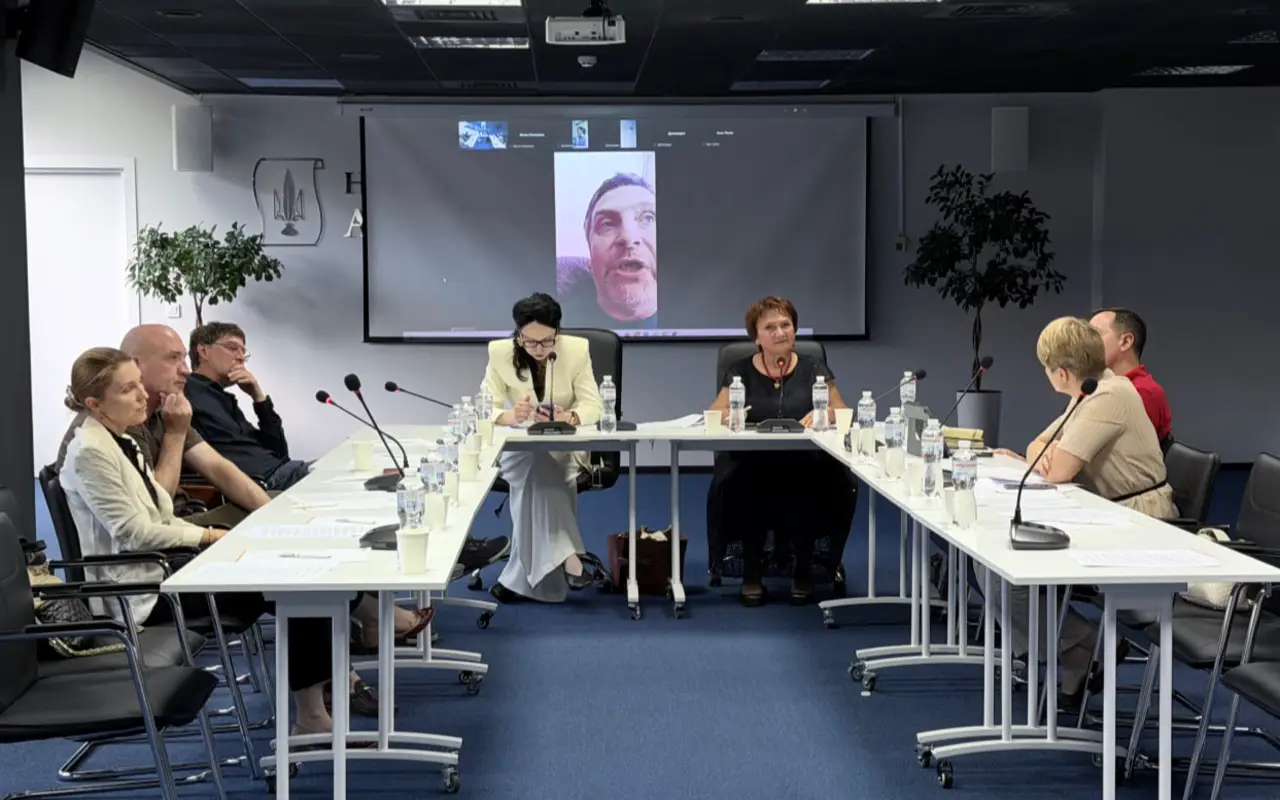
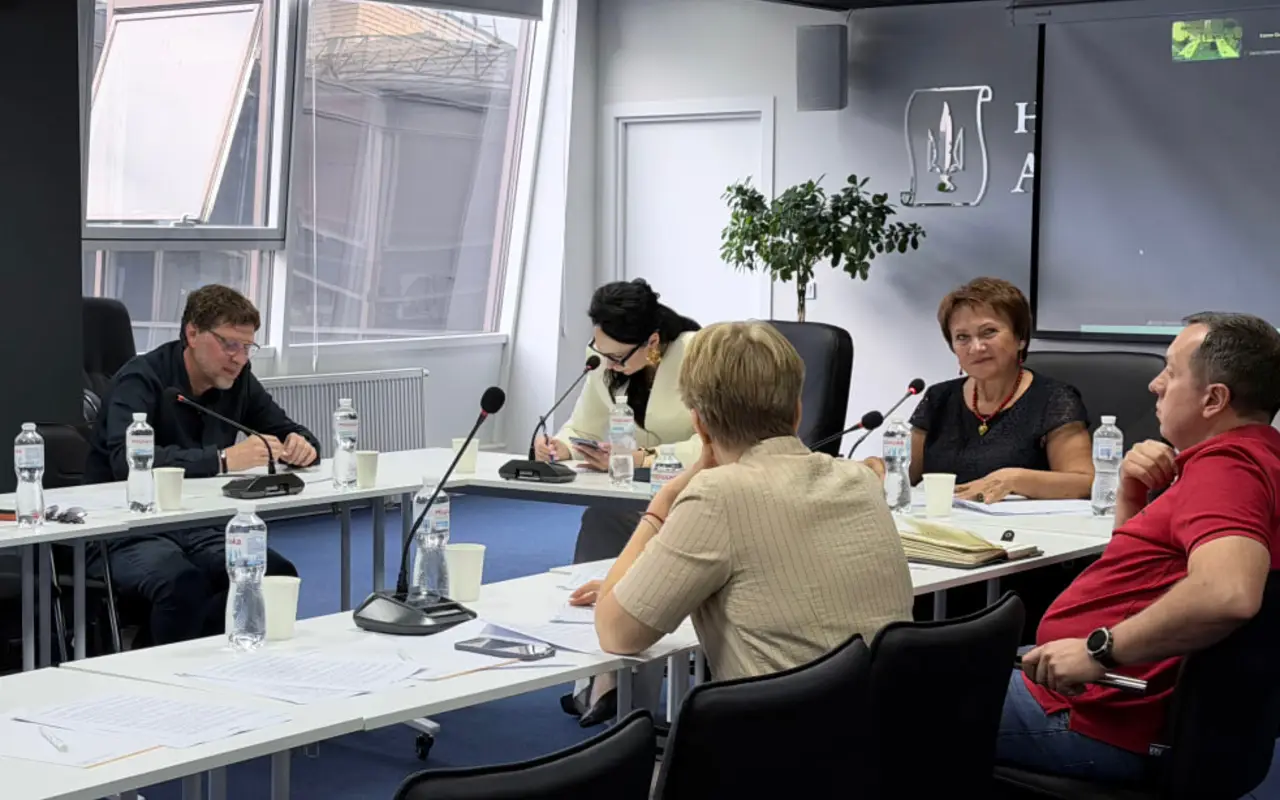
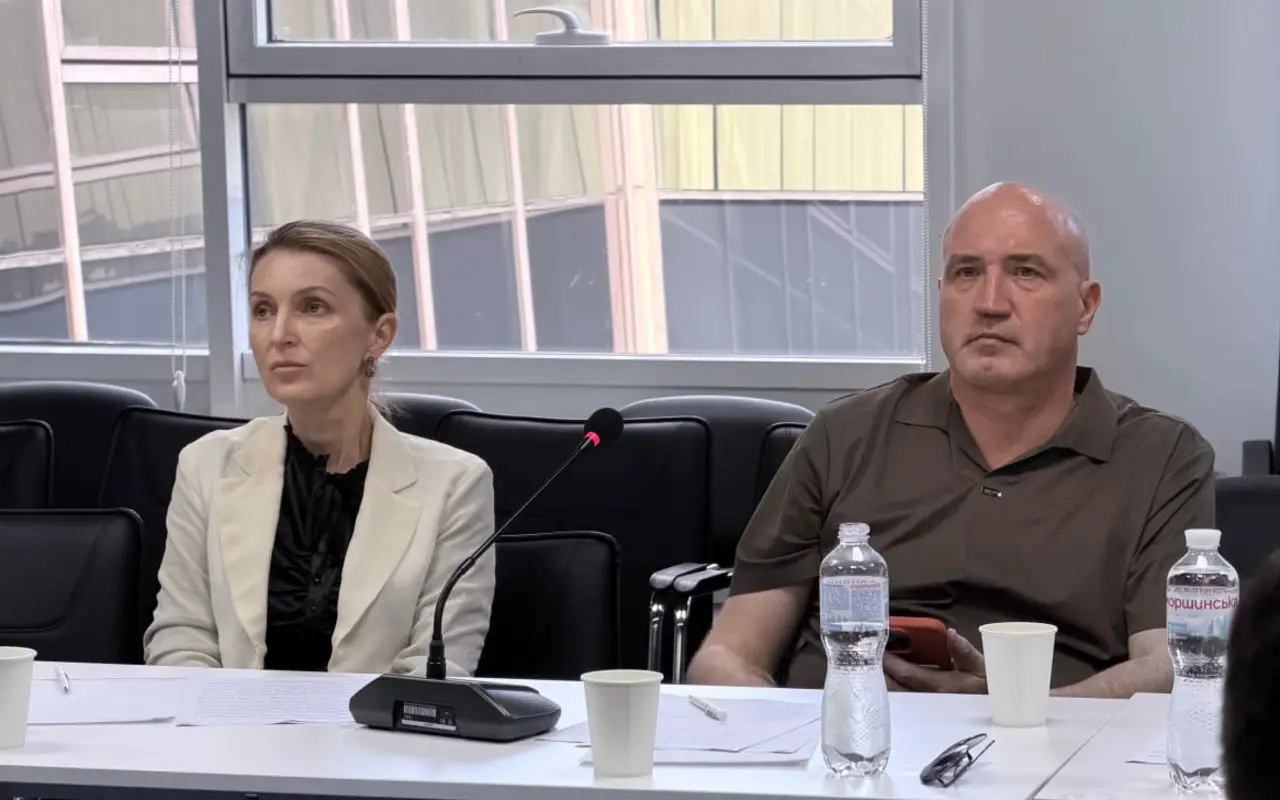
The handling of such evidence was discussed during the roundtable «Digital forensics and forensic expertise: challenges of the digital evidence era», organized by the UNBA Committee on expert support for legal practice and the UNBA Committee on criminal law and procedure.
The discussion was moderated by the chairmen of these Committees Violetta Fedchyshyn and Anzhelika Moiseyeva. They focused the discussion on practical issues faced by advocates: how to properly formulate a task for an expert, verify conflicting conclusions, and assess the reliability of methods for identifying materials created using artificial intelligence.
Today, digital audio recordings can be altered using readily available software. This was pointed out by Yuriy Kharabuga, a senior research fellow at the Laboratory for Research on Information Technology and Intellectual Property at the Lviv Research Institute of Forensic Expertise. The forensic expert noted that individual phrases can be cut out, placed in a different context, or generated using a specific person’s voice. Therefore, the defense should request the original recording that is proposed to be used as evidence.
According to him, advocates often include standard questions from methodological guidelines in their motions without taking into account the circumstances of the specific case. Therefore, before ordering an expert examination, it is advisable to consult with an expert regarding the appropriateness of the questions and the materials required for the examination.
During the discussion, Y. Kharabuga also cautioned against equating an exact digital copy with a re-recording. If the original file was converted to another format, changes could have been made to it afterward. Therefore, it is necessary to determine in which format the recording was created, how it was transferred to another medium, and whether there is confirmation that the data has not been altered.
Olga Brendel, head of the Sector for Computer-Technical, Telecommunications and Audio-Video Recording Research at the M. S. Bokarius Institute of Forensic Expertise, explained that a copy can be the subject of an investigation when its identity with the original is confirmed both documentarily and technically. For digital files, this can be established by comparing checksums: if no changes have been made, they will match.
To determine on which device a recording was created, the file itself is not sufficient. The expert must be provided with the relevant equipment, as well as information regarding any repairs, replacement of individual components, or other technical modifications made after the recording was created. Such circumstances may affect the characteristics of the experimental samples against which the material under examination will be compared.
Separately, O. Brendel emphasized that an expert does not have the right to independently collect or request the objects of the examination. The party initiating the examination must ensure that the materials are provided.
During a voice analysis, an advocate also cannot independently confirm that a comparative sample belongs to a specific individual. In the absence of confirmation from the investigation or the court, the question can be formulated as determining whether the voices on the two recordings belong to the same person, without specifying that person’s last name, first name, and patronymic. [35:42–37:47]
Yevhen Syvokon, who represented the Video and Audio Recording Research Department of the Research Center for Independent Forensic Expertise of the Ministry of Justice of Ukraine, noted that technical alterations to a file do not always indicate forgery. Recoding can occur automatically during export from a video surveillance system or when sent via a messaging app, and the absence of metadata does not in itself confirm forgery. One should evaluate the totality of the identified characteristics and their interrelationships.
The spread of deepfakes creates two opposing problems: synthetic material can be presented as genuine, while an authentic recording can be called into question simply because of the technical possibility of faking it. Therefore, the mere existence of the relevant technology does not prove the artificial origin of a specific file. To reach a conclusion, an expert must examine the characteristics present specifically in the material provided.
Current scientific and methodological guidelines do not specifically define the task of identifying indicators of a synthetic voice. Such an investigation requires a comprehensive analysis of the digital file’s structure, acoustic and spectral characteristics, and—where relevant—linguistic features of speech.
Yevhen Tymko, head of the Digital Evidence Research Laboratory at the Kyiv Research Institute of Forensic Expertise, outlined the limitations of current forensic analysis of materials created using artificial intelligence. He explained that during international testing to detect deepfakes in images, the results were generally about 50-50. Artificial intelligence models trained to recognize such images demonstrated the best performance. At the same time, the use of such systems in forensic analysis is complicated by the fact that the algorithm operates as a «black box» and the expert cannot fully explain how the result was obtained.
According to him, scientific literature describes methods for detecting materials created using artificial intelligence; however, there are currently no formalized and validated expert methodologies. Validation must confirm the scientific validity of the method, and the conclusion must clearly define the limits of its application.
Y. Tymko also highlighted the need for expert opinions to be presented in a clear and understandable manner. Complex technical provisions must be explained in a way that a layperson without specialized knowledge can understand. If there are multiple expert opinions with differing results, it is advisable to summon the expert to court, where the parties can ask questions regarding the research conducted, the methods used, and the conclusions drawn.
During the roundtable, it was also reported that the Ministry of Justice is working on standardizing expert specialties and finalizing scientific and methodological recommendations. These recommendations should define typical questions, subjects, and objects of investigation, as well as requirements for the materials needed to perform specific expert tasks.
Popular news
Interaction
The UNBA is developing a concept for a Center for expert research
The Ukrainian National Bar Association has begun work on a concept for a Center for expert research, which is intended to provide advocates and their clients with access to specialized knowledge and the ability to have expert opinions professionally reviewed.
Guarantees of the practice of law
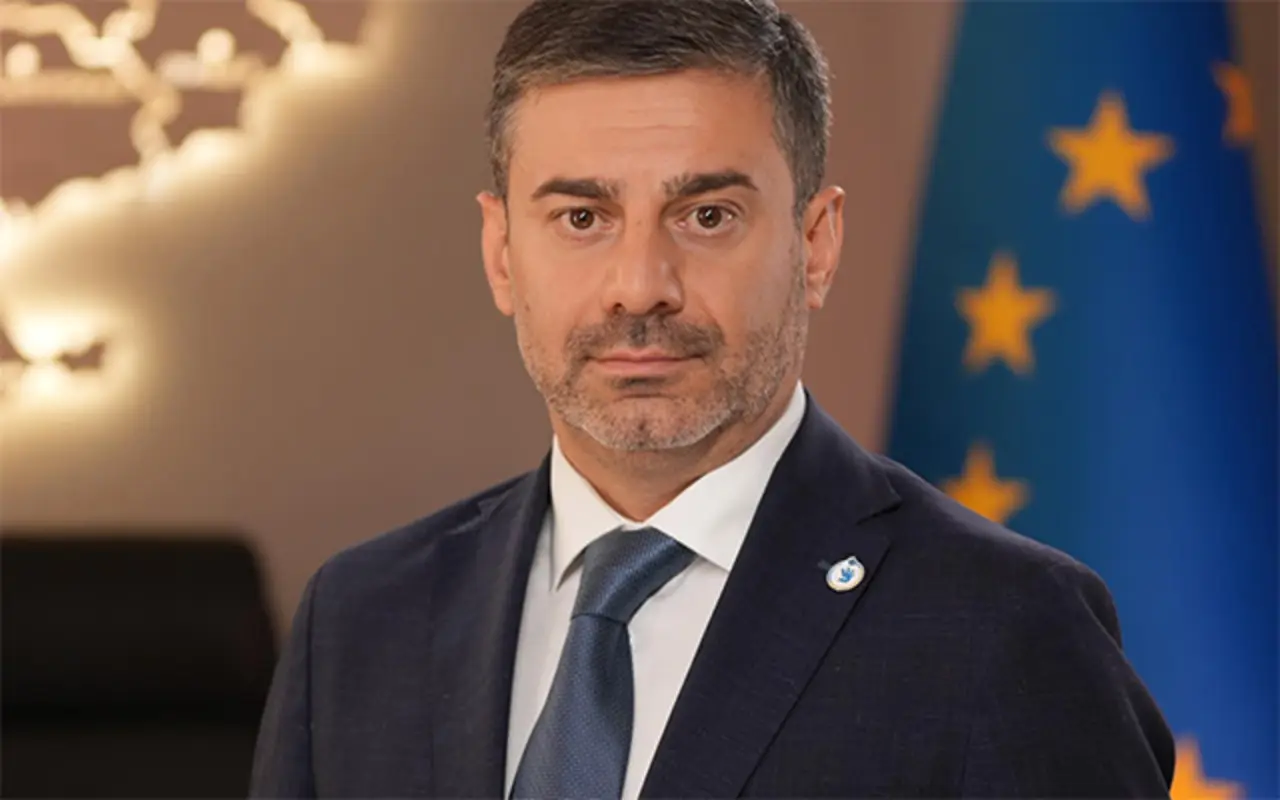
Ombudsman calls for a firm response to violence against advocates
Every instance of obstruction of an advocate’s lawful activities, use of physical force, delaying an investigation, or concealment of evidence must be subject to a proper legal assessment. The state is obligated to ensure that the right to a defense is a genuine guarantee.
Greetings
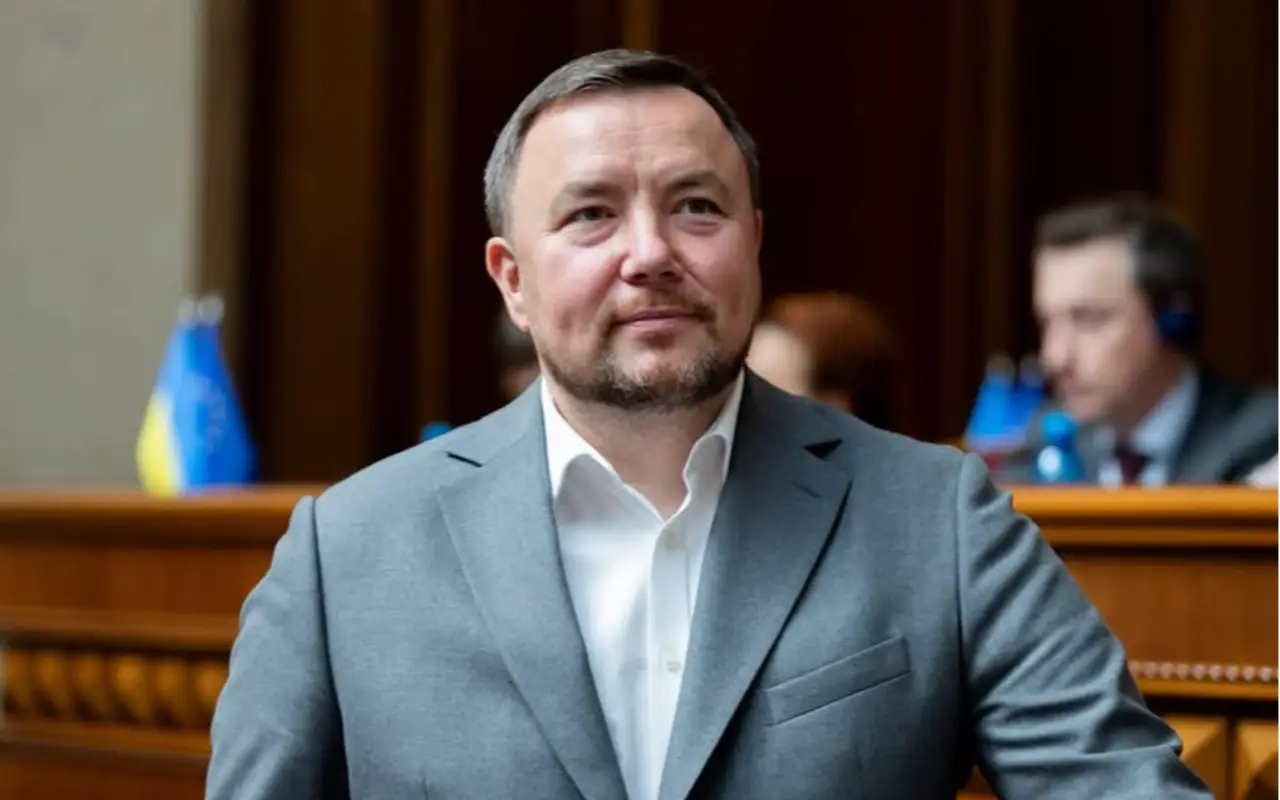
The UNBA congratulates Denis Maslov on his appointment as Minister of Justice
Denis Maslov’s many years of experience as a advocate, his work as a judge and his tenure as chairman of the Verkhovna Rada of Ukraine’s Committee on legal policy have given him a deep understanding of how the legal system functions and the challenges it faces.
Legislation
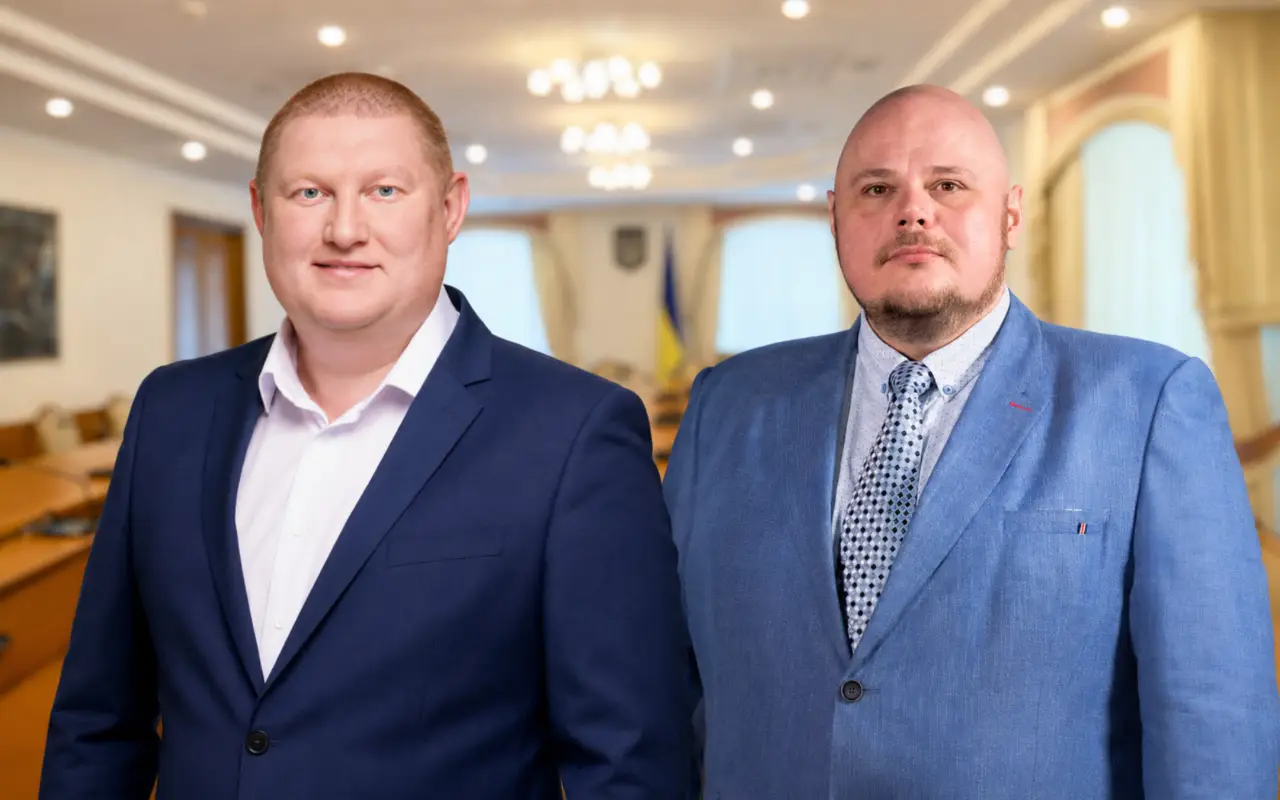
The Verkhovna Rada explained why the section on advocacy should be removed from the anti-corruption strategy
The section on advocacy and legal aid in the draft anti-corruption strategy for 2026–2030 goes beyond the scope of anti-corruption policy and is inconsistent with the constitutional guarantees of the independence of the legal profession.
Announcements
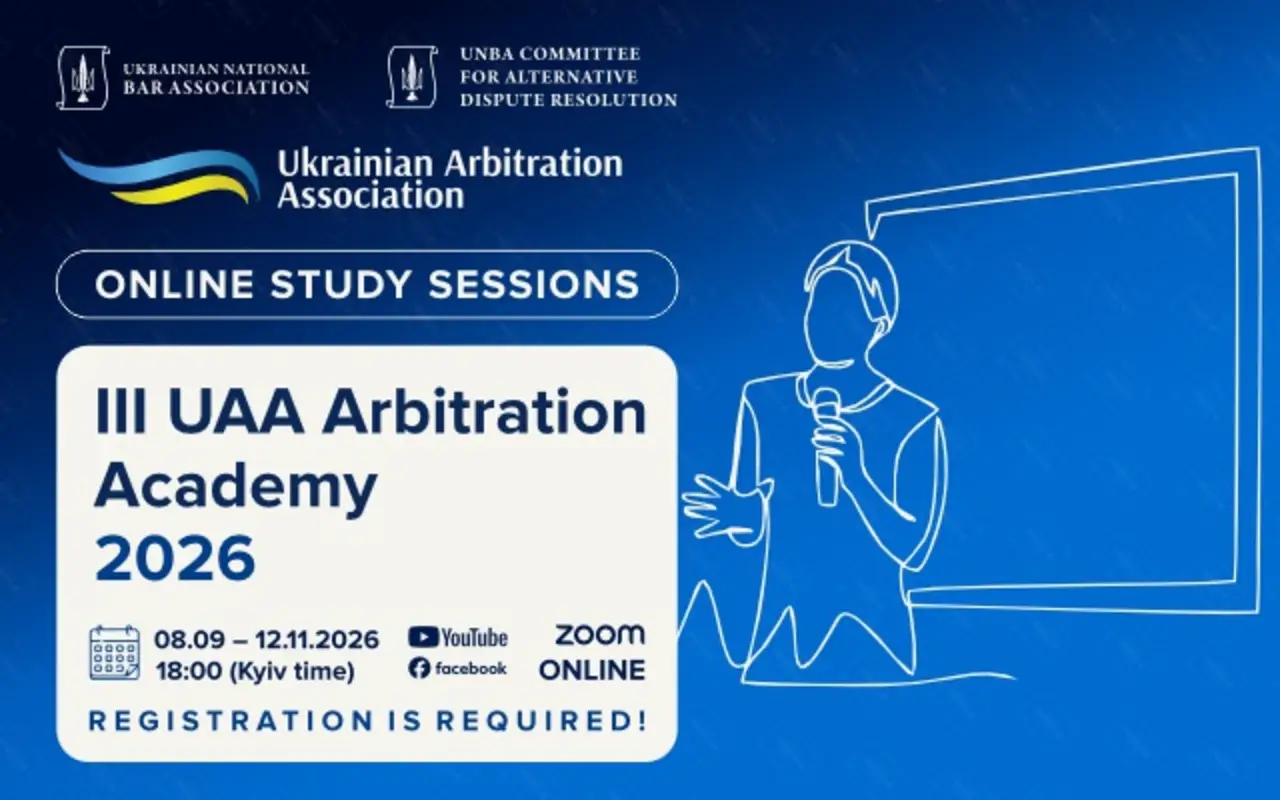
Advocates are invited to the III UAA Arbitration Academy 2026
The UNBA, at the initiative of the Committee on alternative dispute resolution, invites advocates, lawyers, students, judges, government officials and anyone interested in international arbitration to participate in the III UAA Arbitration Academy 2026.
Educational events
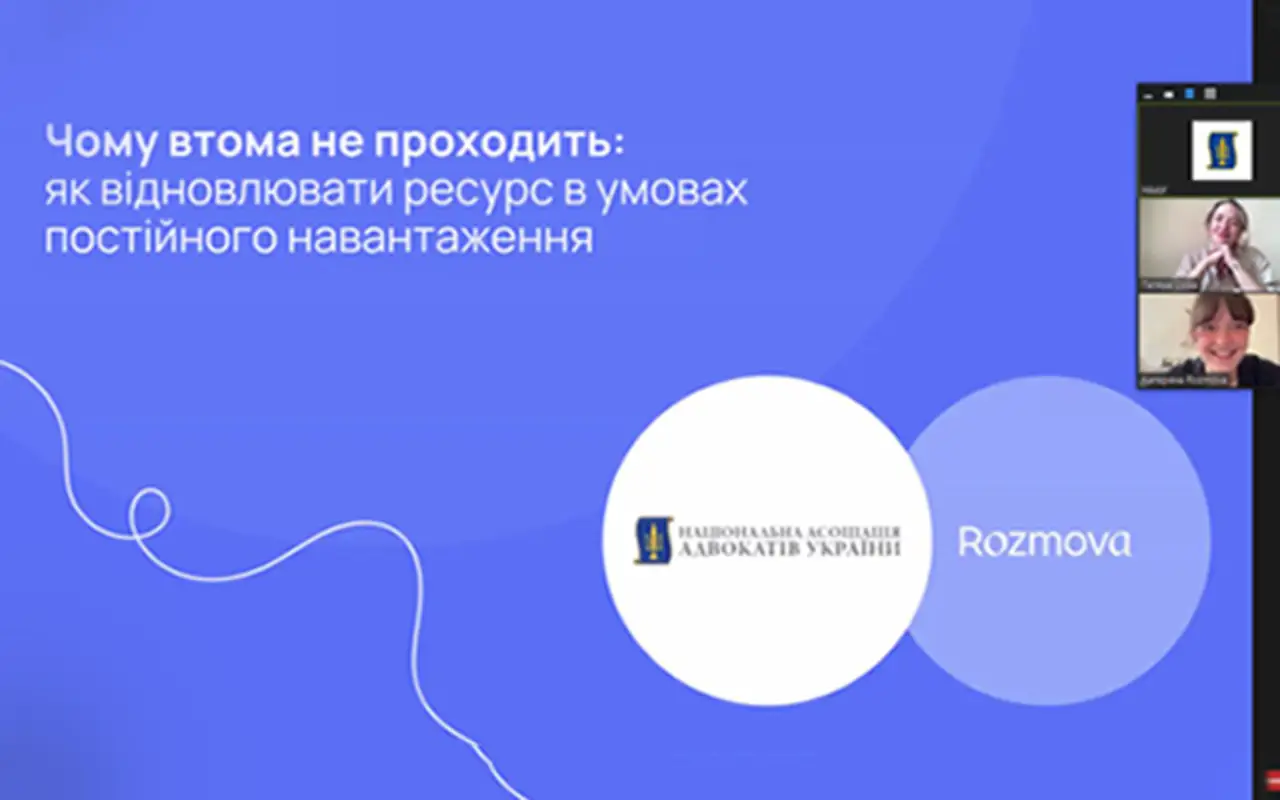
How can an advocate recharge if fatigue persists after the weekend?
Fatigue resulting from prolonged stress does not always go away after sleep, a weekend, or a vacation. In situations of chronic stress, it is important for advocates not only to «take a break» but also to understand exactly which resource has been depleted and what type of rest is needed.
Discussion
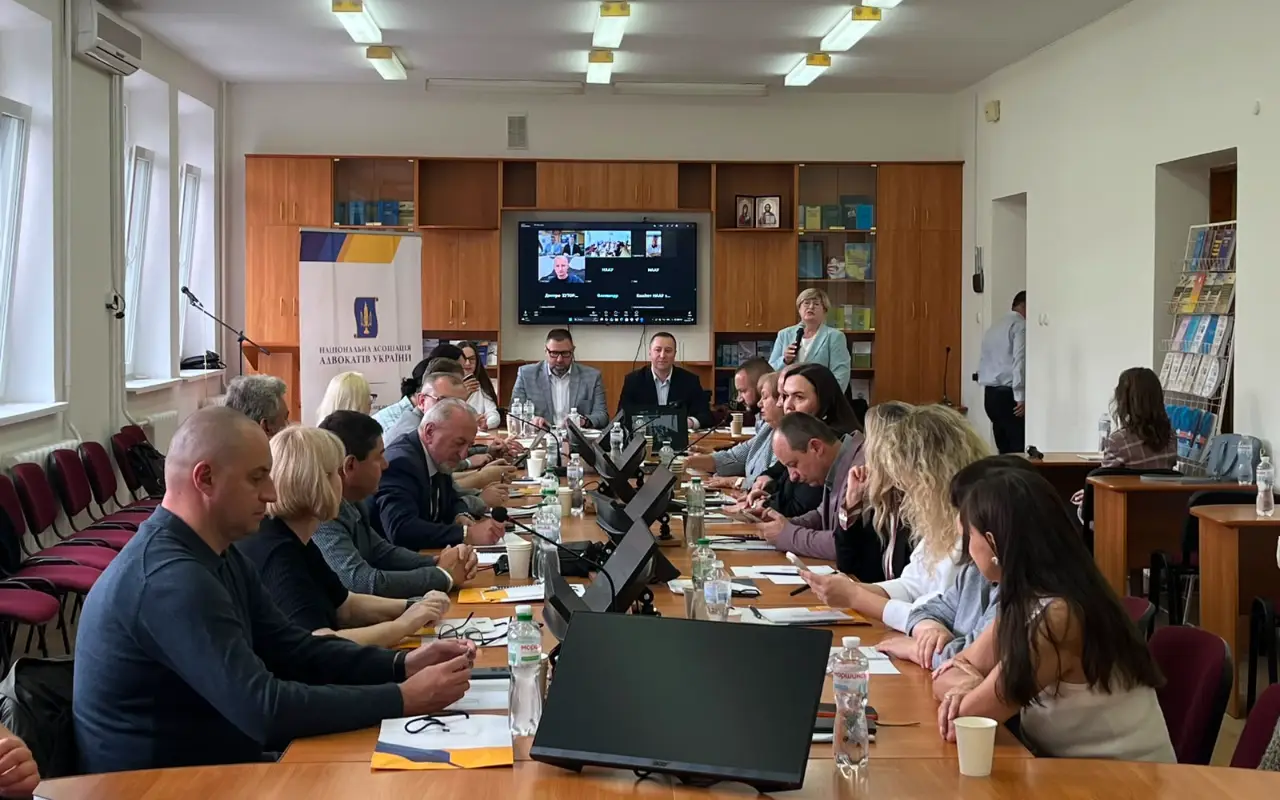
Complaints, time limits and prosecutorial powers: what gaps in the CPC do advocates see?
During the pretrial investigation stage, the effectiveness of the defense depends to a large extent on the proper implementation of procedural safeguards: the timely consideration of complaints, the advocate’s access to information regarding the progress of the proceedings and so on.
Guarantees of the practice of law
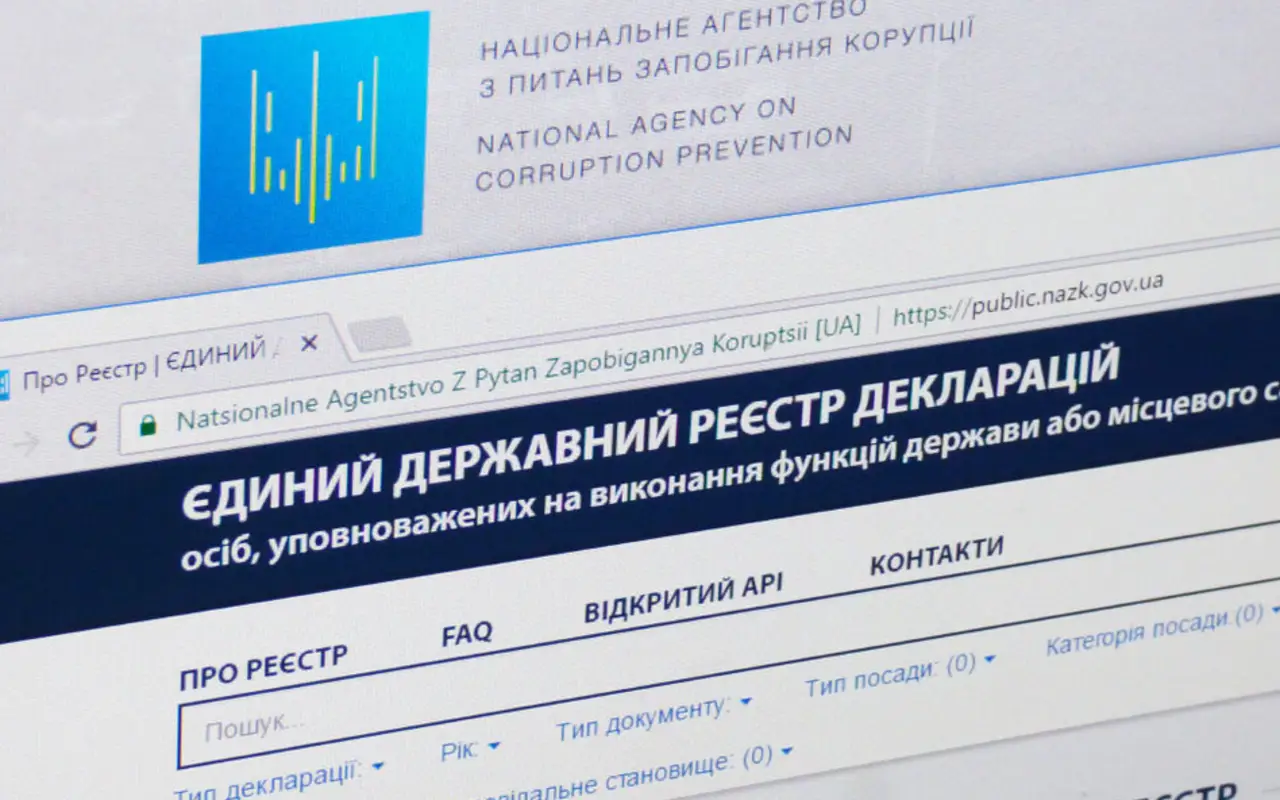
The NACP’s clarification regarding the declaration of membership in the UNBA should be clarified – BCU
An advocate’s membership in the UNBA is an element of professional status arising by virtue of law, rather than a voluntary private membership in an association. Therefore, failure to disclose it in a declaration should not automatically lead to the conclusion of unethical conduct or the concealment of a private interest.
Publications

Volodymyr Matsko Extradition during wartime: when the risks outweigh the request

Volodymyr Matsko Extradition as a systemic form of rights violations

Victoria Yakusha, Law and Business The anti-corruption vertical cannot «take care» of the Bar as an institution, - acting head of the HQDCB

Censor.net Protecting advocates – protecting justice: addressing concerns about the new law

Ihor Kolesnykov A BRIEF SUMMARY REGARDING THE APPLICATION OF THE ORDER ON EXTENDED CONFISCATION IN LATVIA REGARDING FINANCIAL ASSETS OF…

Valentyn Gvozdiy WORKING IN A WAR ZONE

Lydia Izovitova Formula of perfection

Sergiy Vylkov Our judicial system is so built that courts do not trust advocates