


New arbitration rules: what businesses should check in their contracts

Ukrainian individuals and legal entities without foreign investment now have broader opportunities to refer disputes to international commercial arbitration if the legal relationship involves an international element as defined by law.
At the request of the community
The practical application of Law No. 4856-IX «On amendments to certain laws of Ukraine regarding the expansion of the jurisdiction of international arbitration», which entered into force on May 21, 2026, was discussed during the roundtable «Recent changes to Ukraine’s arbitration legislation: new opportunities for Ukrainian parties». The event was organized by the UNBA Committee on alternative dispute resolution. The discussion was moderated by the Committee chairman Olena Perepelynska.
Roman Babiy, chairman of the Subcommittee on the enforcement of ECHR judgments and alternative dispute resolution of the Verkhovna Rada Committee on legal policy, explained that the proposed amendments were drafted with the participation of experts in international commercial arbitration. During the committee hearings, it was noted that certain provisions of the UNCITRAL Model Law are not reflected in Ukrainian legislation, and its updated provisions require implementation. Therefore, one of the objectives was to align Ukrainian regulations as closely as possible with the Model Law so that foreign entities and Ukrainian parties to legal relationships would operate within the same framework.
According to the Member of Parliament, during the preparation of the amendments, issues such as investment arbitration, the expansion of the list of arbitrable disputes, changes to procedural law, the res judicata effect of arbitral awards, and confidentiality guarantees which preclude the examination of an arbitrator as a witness in the context of their professional activities were also raised. The request came from the professional community, and the positions it expressed largely shaped the text of the bill in the relevant section.
Broader scope
One set of amendments relates to a broader implementation of Article 1 of the UNCITRAL Model Law. According to Inna Yemelianova, deputy chairman of the International Commercial Arbitration Court at the Ukrainian Chamber of Commerce and Industry, the international character of a dispute may now be determined, in particular, not only by the location of the parties’ commercial enterprises in different states, but also by the seat of arbitration, the place of performance of a substantial part of the obligations, or the state with which the subject matter of the dispute is most closely connected, or if the parties have expressly agreed that the subject matter of the arbitration agreement is connected to more than one state.
This means that international arbitration can now be used in a broader range of legal relationships. Previously, under the classical model, one of the parties had to be a foreign entity, and a dispute between two Ukrainian parties could be referred to international arbitration only if one of them was an enterprise with foreign investment.
According to I. Yemelianova, it is precisely this expanded understanding of the international nature of a dispute that could yield the first tangible practical results. Therefore, businesses and legal advisors should analyze their current business processes, contracts, and prospective agreements in light of the new criteria for internationality and the possibility of referring a dispute to arbitration.
The final provisions of the law are of particular significance: the amendments apply to arbitration agreements concluded prior to the law’s entry into force. Therefore, the parties may reassess existing contracts containing clauses that previously raised questions as to whether a dispute possessed sufficient elements of internationality to be heard by the ICAC.
New opportunities for M&A
Oleksandr Druh, a member of the relevant Committee of the UNBA, provided examples of how agreements were structured prior to the legislative changes. When two Ukrainian legal entities had no foreign investment, they would sometimes involve a third foreign party in the agreement or specify a place of arbitration abroad. The first approach carried the risk that a dispute directly between Ukrainian parties would fall outside the jurisdiction of international arbitration; the second raised questions regarding the subsequent recognition and enforcement of the award in Ukraine.
The amendments have eliminated some of the legal uncertainty surrounding arbitration agreements between two Ukrainian legal entities. They can now opt for arbitration in Ukraine provided there is an international element as defined by law and they can also more confidently choose arbitration abroad.
As a practical example, O. Druh cited M&A transactions between Ukrainian companies involving businesses that include assets or corporate structures abroad. Previously, the parties had to decide whether to include a foreign party in the contract and how to reconcile the choice of foreign law with the dispute resolution mechanism. Now they can provide for arbitration in Ukraine or abroad without involving an additional foreign party.
The advocate also raised the contentious question of whether it is sufficient for the parties to simply state in the contract that the subject matter of the arbitration agreement is connected to more than one country when there is no objective international connection. According to him, practice will determine how arbitrators and state courts will interpret such an agreement.
From logistics to IT
Volodymyr Nahnybida, deputy chairman of the International Commercial Arbitration Court at the Ukrainian Chamber of Commerce and Industry, highlighted the sectors in which the new rules may have practical application. In logistics, these include contracts between Ukrainian carriers, freight forwarders, and shippers where delivery, transshipment, or storage takes place abroad. In trade, this involves relationships between a Ukrainian manufacturer and a Ukrainian trader regarding goods whose transactions take place in foreign ports.
In the IT sector, this refers to situations where a large Ukrainian company subcontracts another Ukrainian company, and the work is performed for a foreign client or part of the services is provided abroad. For such contracts, the accuracy of the description of the subject matter, the place of service provision, and the arbitration clause will be crucial.
O. Perepelinska added that the new opportunities apply to Ukrainian individuals and legal entities without foreign investment, as well as to the public sector. She cited the example of chain transactions in supply or construction, where contracts with a foreign element were referred to international arbitration, while the final link for example, between a Ukrainian contractor and a subcontractor remained within the jurisdiction of state courts. Following the changes, this approach may be reconsidered.
A new area of specialization
Regarding investment arbitration, I. Yemelianova noted that the law has laid the groundwork for Ukraine to develop its own mechanisms for resolving such disputes. Confidence in Ukraine as a venue for investment arbitration will be shaped by judicial practice, the state’s conduct, and the capacity of arbitration institutions. Ukrainian jurisdiction may be more accessible to investors with small or medium-sized investments, for whom proceedings at leading international institutions are too costly.
O. Druh added that, for investors, the speed of judicial review of an arbitral award, the predictability of judges’ approaches, and the practice regarding the jurisdiction of arbitral tribunals will be important. In such cases, the court may need to determine whether a person qualifies as an investor, whether an investment was made, and how to interpret an international treaty in light of public international law.
The development of Ukraine as a venue for investment arbitration could create a new area of specialization for Ukrainian law firms, according to O. Perepelinska. Parties often engage lawyers from the state chosen as the seat of arbitration, as they are familiar with its arbitration and procedural laws, as well as the practice of judicial review and support for arbitration.
What’s next
However, the work does not end with the adoption of the law. According to R. Babiy, Parliament must monitor the implementation of its final provisions, which recommend that the Cabinet of Ministers, central executive bodies, and enterprises subordinate to them include the ICAC as one of the options for dispute resolution in relevant contracts, particularly investment contracts.
As the Member of Parliament reported, the working group is also working on the further implementation of the UNCITRAL Model Law and amendments to the procedural codes. Arbitration experts and judges are involved in this work, and issues such as the res judicata effect of arbitral awards and certain bankruptcy-related matters remain under discussion. For advocates, the participants outlined the first practical steps: contact business clients, review arbitration clauses in existing contracts, assess the subject matter and stage of contract performance, and, if necessary, adjust the dispute resolution mechanism.
It is also advisable to update standard form contracts, explain the new criteria for internationality to clients, and identify legal relationships in which international arbitration can be used.
Popular news
Legislation
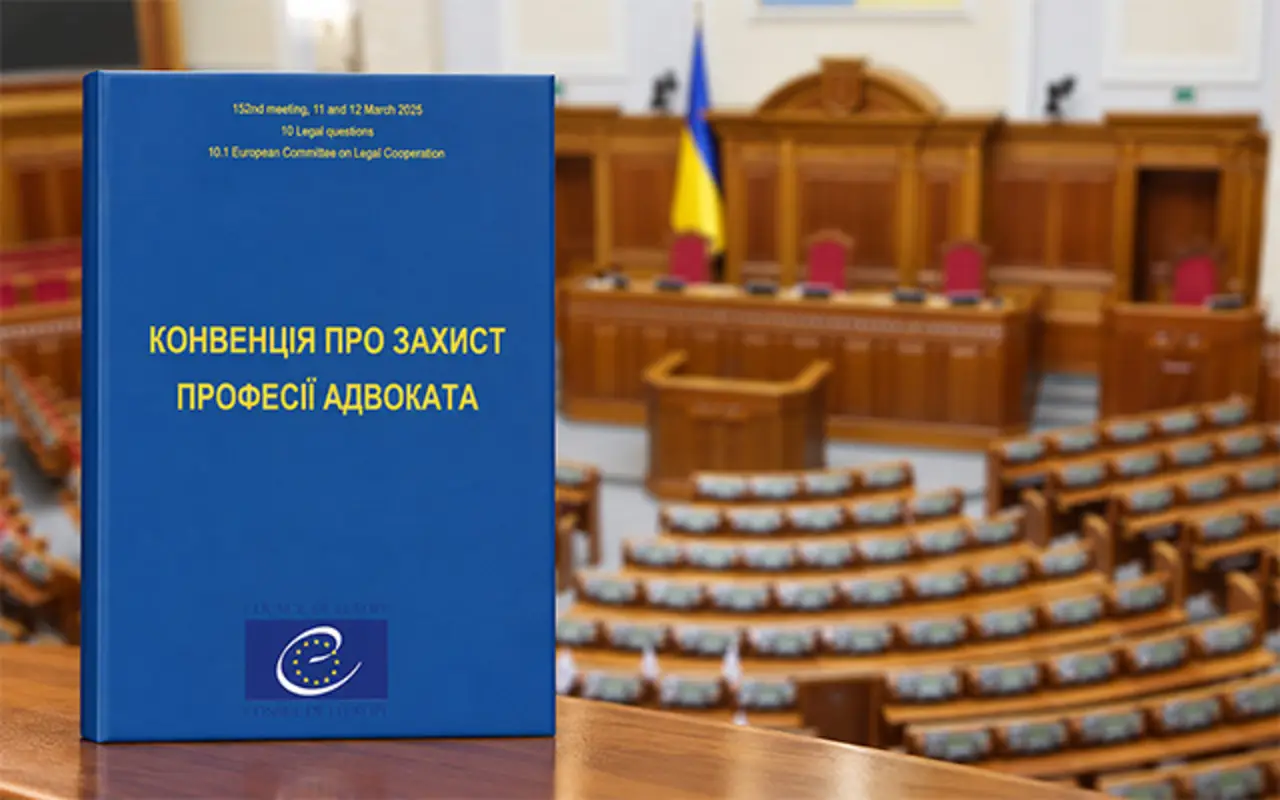
A bill implementing the Convention on the Protection of the Professions of Lawyer has been introduced
The constitutional guarantees of legal aid, defense, and the independence of advocacy cannot be realized without protecting advocates from unwarranted interference in their professional activities, including searches, the seizure of professional materials and the use of criminal procedural mechanisms to exert pressure.
Abroad
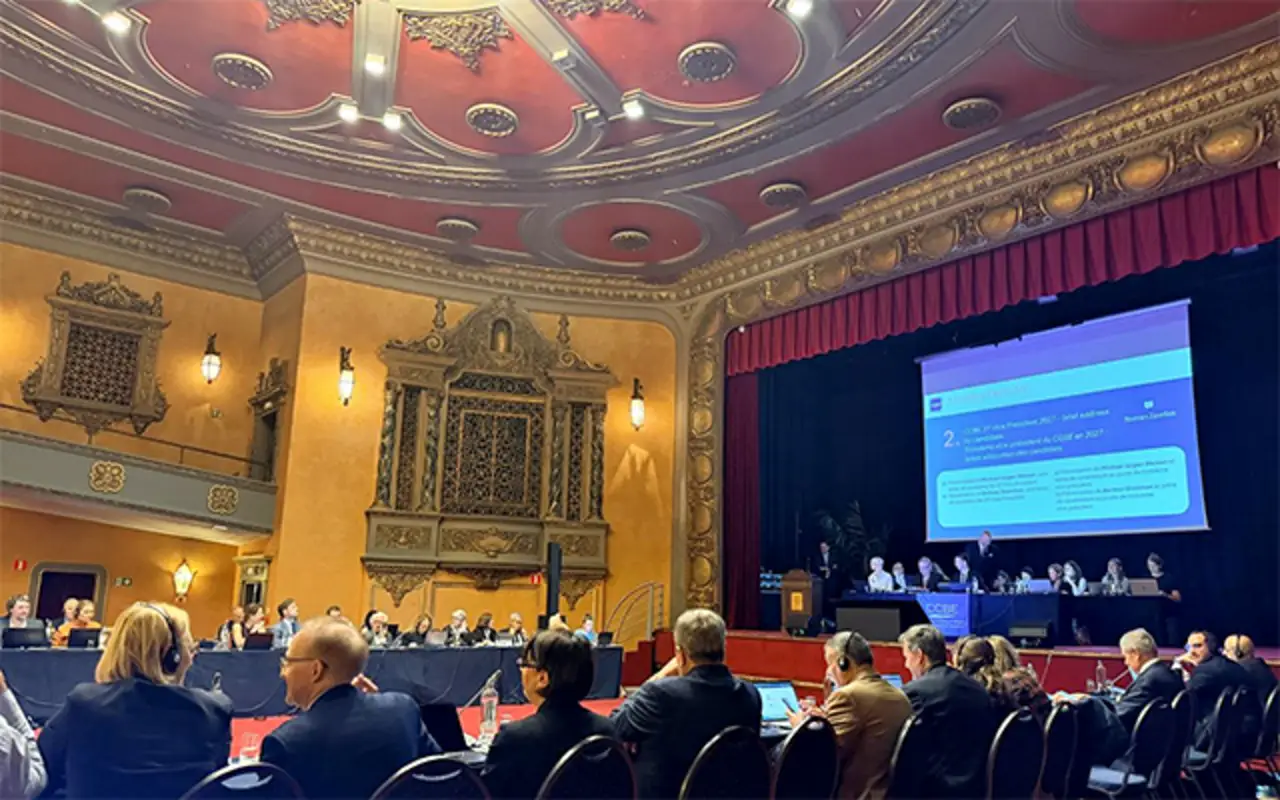
The CCBE is discussing European justice and issues related to the protection of advocates
Today, October 2, a meeting of the Standing Committee of the Council of Bars and Law Societies of Europe (CCBE) is taking place in Brussels. On the agenda are the protection of the advocate profession, the rule of law, attorney-client privilege, and changes in the European justice system.
Rule of Law Roadmap
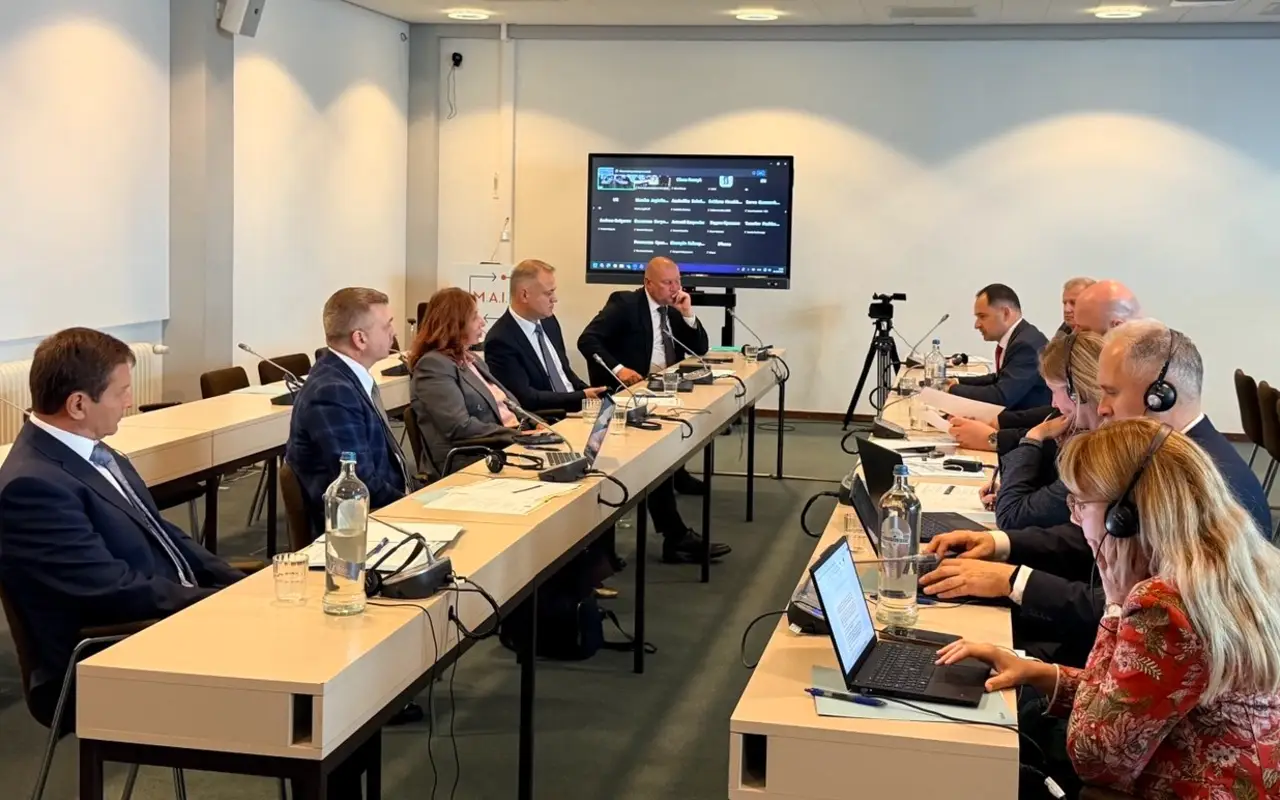
The UNBA presented the key provisions of the future law on advocacy in Brussels
The Ukrainian National Bar Association presented its proposals for the upcoming law on advocacy, aligned with the Rule of Law Roadmap. The presentation covered topics such as access to the profession, self-governance, disciplinary procedures, professional development and guarantees for the practice of advocacy.

Educational events
Advocates were taught to voice their complaints without making accusations
In a difficult conversation, it’s easy to confuse facts with opinions, feelings with accusations, and requests with demands. How can you express dissatisfaction, explain your own needs, and propose a specific solution while still allowing your conversation partner the opportunity to refuse or suggest an alternative?
Guarantees of the practice of law
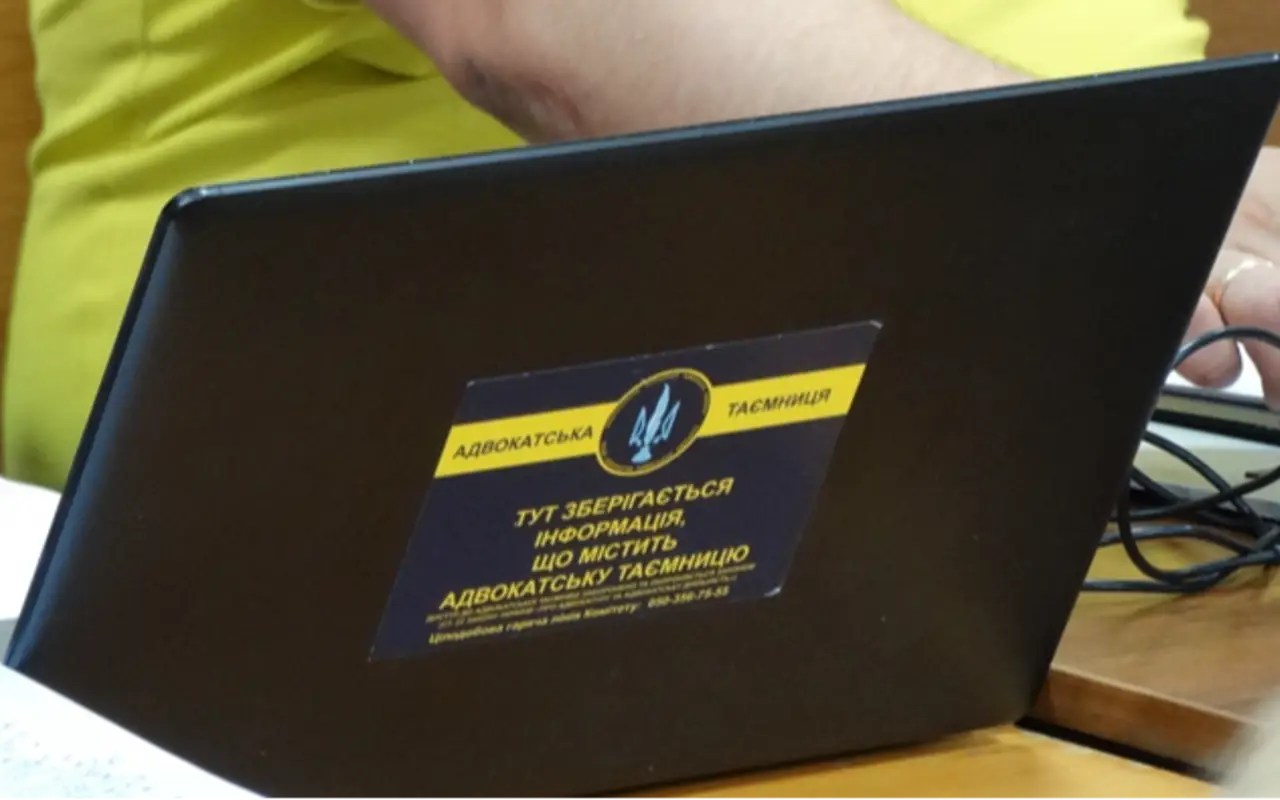
Search of an advocate's office after client's acquittal: criminal complaint filed
In Kyiv, law enforcement officers conducted a search of the home of an advocate who had defended a client acquitted by the court and seized materials from the advocate’s case file. The proceedings were initiated shortly after the acquittal, even though the document they were searching for was already included in the court case file.

Guarantees of the practice of law
The paradoxes of urgency: is it possible to investigate a crime before it is committed?
On September 24 in Kyiv, National Police officers detained an advocate during an emergency search, having caught him in the act of committing a crime. At the time, the pretrial investigation in this case had already been ongoing for more than four months.
Guarantees of the practice of law
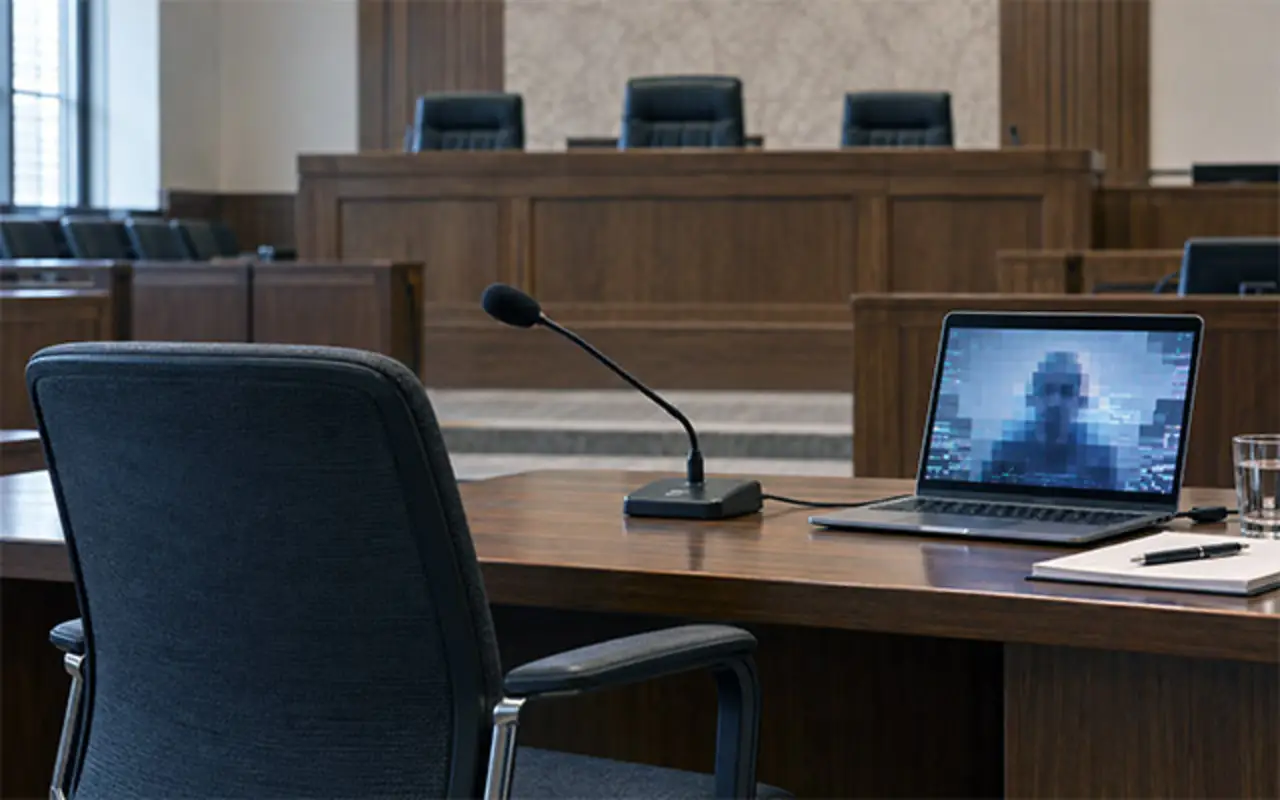
A side effect of the video conference: the judge mistook the sound of a chair for the advocate's response
Technology also has its downsides. The High Council of Justice acquitted a judge who failed to hear the advocates during court proceedings in a civil case. One of the arguments presented to the disciplinary body was poor connectivity, the risks of which are borne by the participants.

Guarantees of the practice of law
Unrestricted access to advocates' accounts poses a risk of client data disclosure — BCU
Information regarding transactions in the bank accounts of an advocate, a law firm, or a bar association from which clients can be identified, as well as the fact and subject matter of a request for legal assistance, the purpose of payments, and the amount of the fee constitutes attorney-client privilege. This rule applies regardless of whether the information also constitutes banking information and is in the possession of a bank.
Publications

Vasyl Kolishnyi, «Law and Business» Supporting mental health should become part of the professional culture of the Bar, - H. Udovenko

Volodymyr Matsko Extradition during wartime: when the risks outweigh the request

Volodymyr Matsko Extradition as a systemic form of rights violations

Victoria Yakusha, Law and Business The anti-corruption vertical cannot «take care» of the Bar as an institution, - acting head of the HQDCB

Censor.net Protecting advocates – protecting justice: addressing concerns about the new law

Ihor Kolesnykov A BRIEF SUMMARY REGARDING THE APPLICATION OF THE ORDER ON EXTENDED CONFISCATION IN LATVIA REGARDING FINANCIAL ASSETS OF…

Valentyn Gvozdiy WORKING IN A WAR ZONE

Lydia Izovitova Formula of perfection