


Guidelines on communicating with veterans have been prepared for advocates

Guidelines on ethical and accessible communication between advocates and their clients — War veterans and their family members — have been prepared for advocates, their assistants, law firms and associations and staff members who organize client intake.
This publication was prepared by the UNBA Committee on the protection of victims of armed aggression against Ukraine, compensation mechanisms and European integration legal support for recovery in cooperation with the Ministry of Veterans Affairs of Ukraine.
One of the key approaches is to avoid drawing conclusions about a person’s needs based solely on their status. War veteran status alone does not indicate a disability, post-traumatic stress disorder, communication difficulties, or impaired decision-making ability. Therefore, it is recommended to begin the conversation by addressing the legal issue and the expected outcome, rather than by asking about combat experiences.
When gathering information, advocates are advised to distinguish legally relevant facts from details that do not affect the resolution of the case. If the necessary information is already contained in the documents, the client should not be asked to recount painful events again unless absolutely necessary. Questions regarding military service, injuries, captivity, health status, or the loss of loved ones should be asked only to the extent necessary to provide legal assistance, with an explanation of their legal significance.
Special attention is given to the client’s autonomy. The advocate should explain the available options, their risks, costs, timelines, and the consequences of inaction, without creating unrealistic expectations: veteran status does not guarantee a favorable decision by a court or government agency. Family ties or payment for services by another person also do not automatically grant the right to determine the legal position or to receive confidential information.
Accessibility encompasses physical, informational, digital, communicative, and organizational accessibility. Possible solutions include accessible premises or an equivalent alternative, remote consultations, extra time, breaks, text transcripts of verbal information, sign language interpretation, and documents compatible with assistive technologies. It is recommended to ascertain the need for such accommodations through neutral questions rather than by making assumptions based on outward appearances.
The document also provides a step-by-step guide for handling situations involving emotional distress or a decline in well-being. Advocates are advised to maintain a professional tone, reduce the intensity of the interaction, offer a break or an alternative format, respect personal space, and refrain from making assumptions about a diagnosis. If the consultation is interrupted, urgent actions, deadlines, document transfers and the resumption of contact should be agreed upon.
The practical section of the publication includes a checklist for the initial consultation, examples of appropriate and inappropriate phrasing, a nine-step algorithm for responding to emotional distress or a decline in well-being and a checklist for ensuring barrier-free legal aid.
These methodological recommendations are informational and instructional in nature. They do not establish new professional obligations and do not restrict an advocate’s independence. You can view them at this link.
Popular news
Discussion
The Ministry of Defense is preparing new procedures for MMC: what changes are being proposed
The Ministry of Defense is establishing an interagency working group to develop a new procedure for military medical examinations conducted by military medical commissions. Among the issues requiring resolution are the issuance of documents based on examination results, referrals for repeat medical examinations, verification of the medical basis for decisions, and the accountability of military medical commission members.
Interaction
The UNBA is developing a concept for a Center for expert research
The Ukrainian National Bar Association has begun work on a concept for a Center for expert research, which is intended to provide advocates and their clients with access to specialized knowledge and the ability to have expert opinions professionally reviewed.
Guarantees of the practice of law
Ombudsman calls for a firm response to violence against advocates
Every instance of obstruction of an advocate’s lawful activities, use of physical force, delaying an investigation, or concealment of evidence must be subject to a proper legal assessment. The state is obligated to ensure that the right to a defense is a genuine guarantee.
Greetings
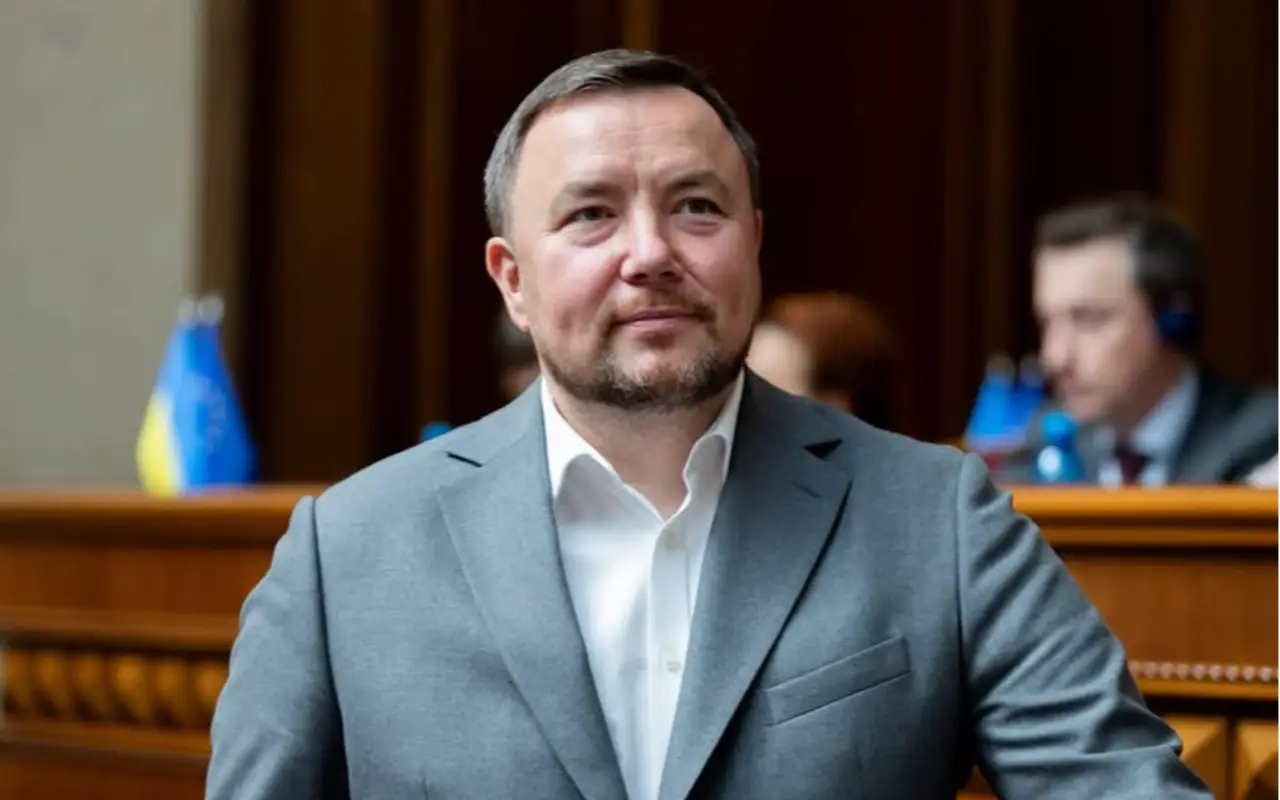
The UNBA congratulates Denis Maslov on his appointment as Minister of Justice
Denis Maslov’s many years of experience as a advocate, his work as a judge and his tenure as chairman of the Verkhovna Rada of Ukraine’s Committee on legal policy have given him a deep understanding of how the legal system functions and the challenges it faces.
Legislation
The Verkhovna Rada explained why the section on advocacy should be removed from the anti-corruption strategy
The section on advocacy and legal aid in the draft anti-corruption strategy for 2026–2030 goes beyond the scope of anti-corruption policy and is inconsistent with the constitutional guarantees of the independence of the legal profession.
Announcements
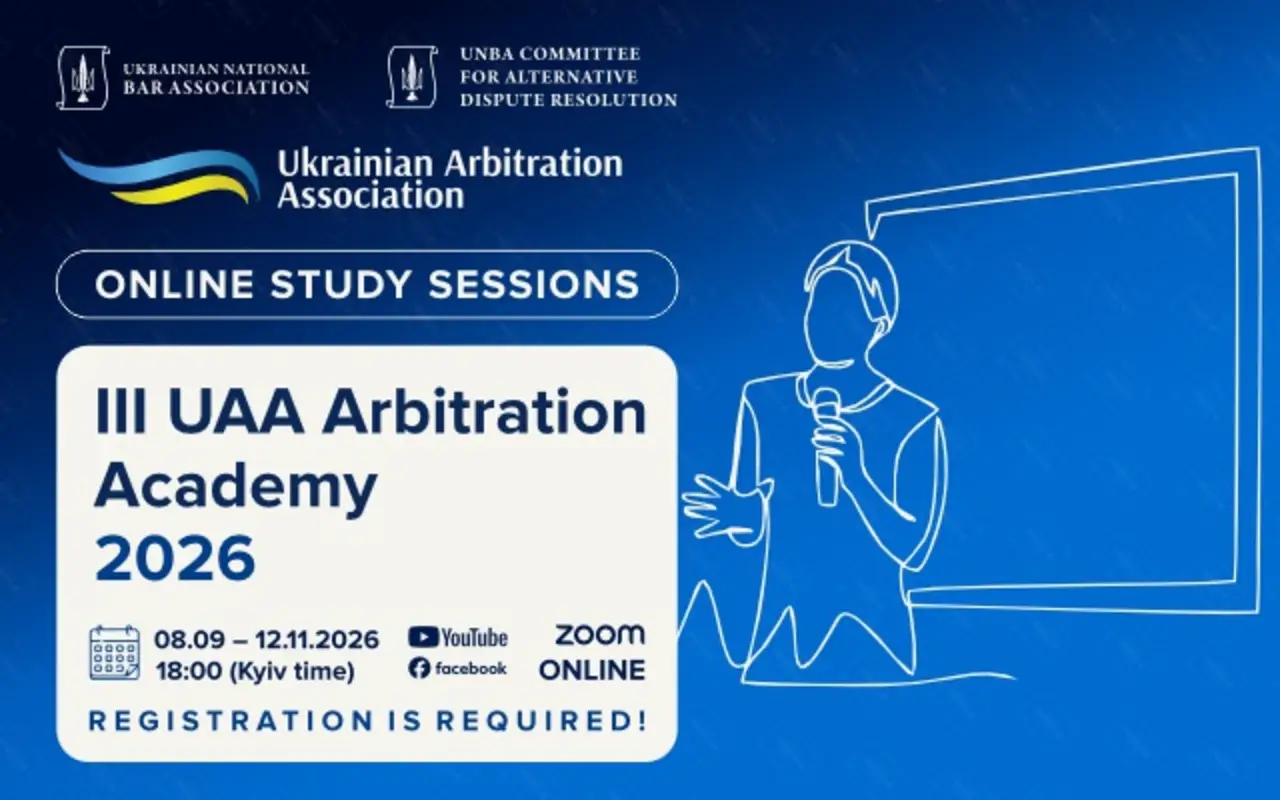
Advocates are invited to the III UAA Arbitration Academy 2026
The UNBA, at the initiative of the Committee on alternative dispute resolution, invites advocates, lawyers, students, judges, government officials and anyone interested in international arbitration to participate in the III UAA Arbitration Academy 2026.
Educational events
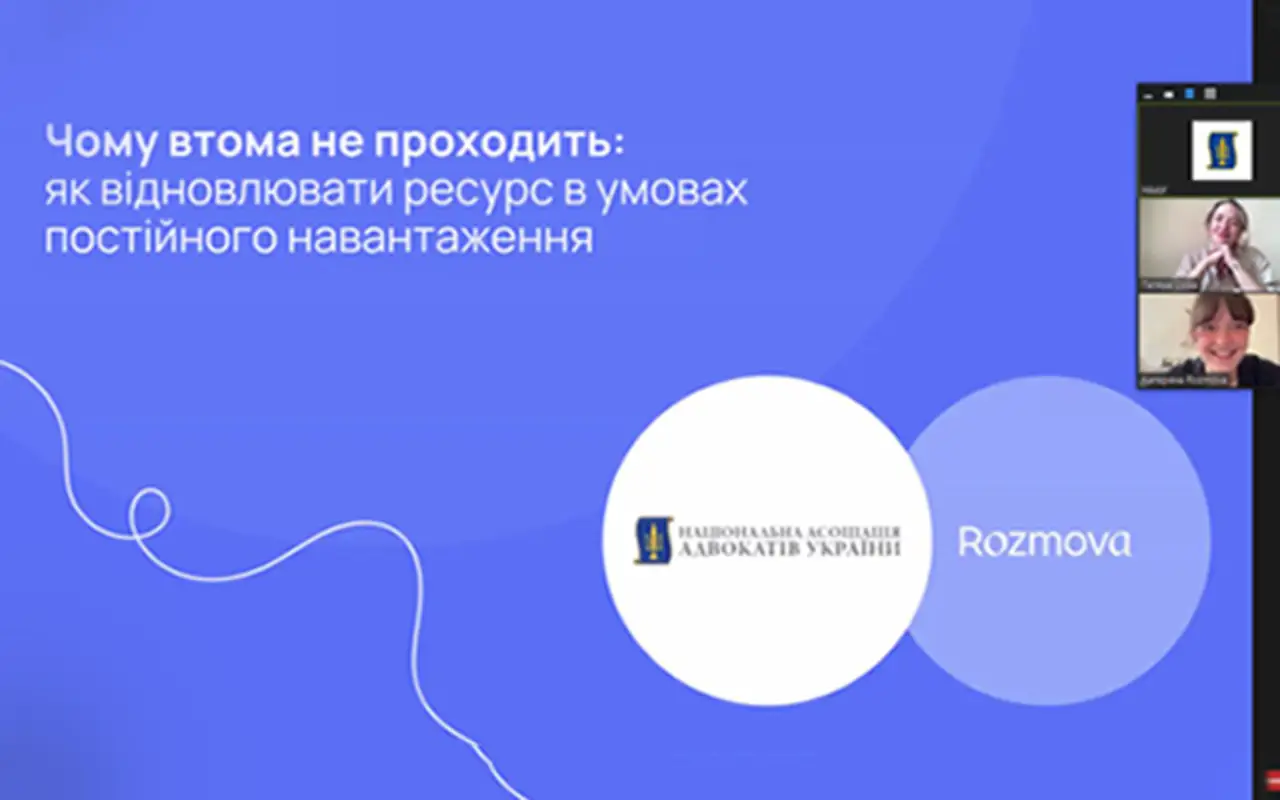
How can an advocate recharge if fatigue persists after the weekend?
Fatigue resulting from prolonged stress does not always go away after sleep, a weekend, or a vacation. In situations of chronic stress, it is important for advocates not only to «take a break» but also to understand exactly which resource has been depleted and what type of rest is needed.
Discussion
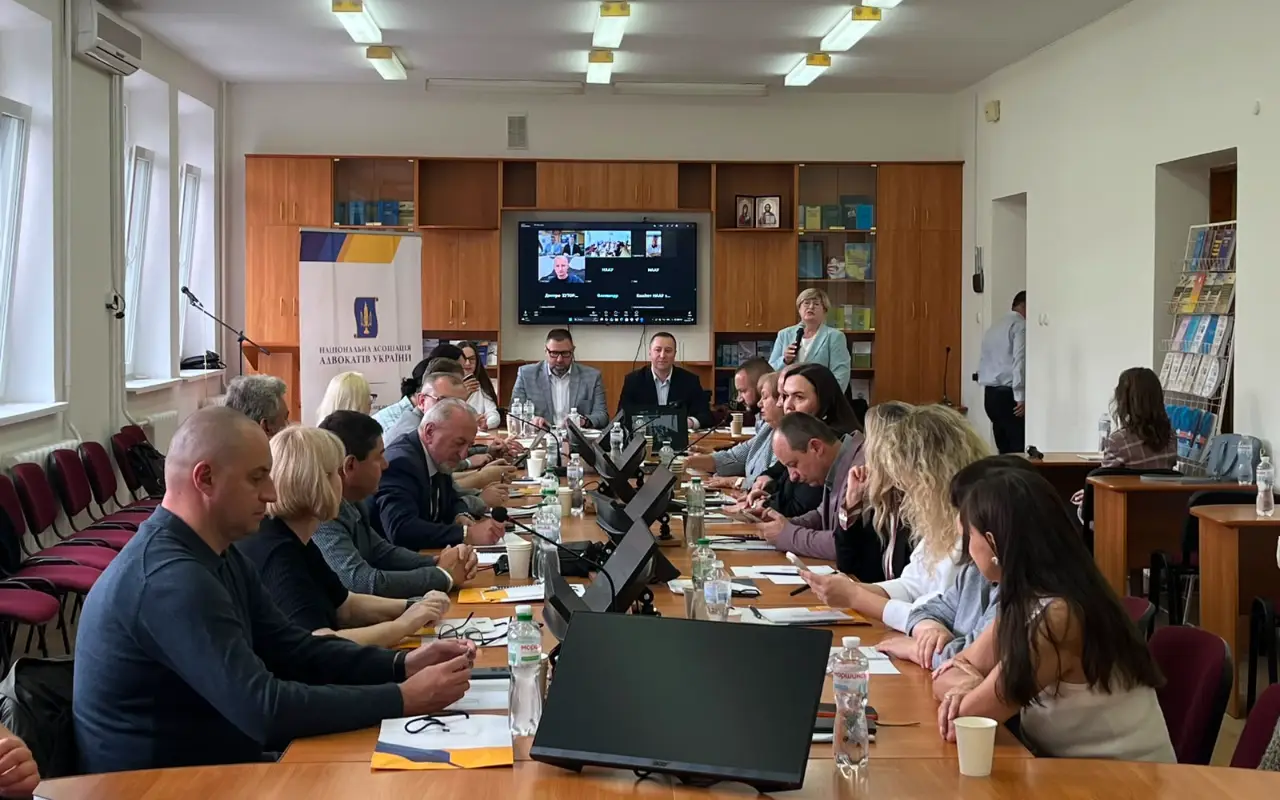
Complaints, time limits and prosecutorial powers: what gaps in the CPC do advocates see?
During the pretrial investigation stage, the effectiveness of the defense depends to a large extent on the proper implementation of procedural safeguards: the timely consideration of complaints, the advocate’s access to information regarding the progress of the proceedings and so on.
Publications

Volodymyr Matsko Extradition during wartime: when the risks outweigh the request

Volodymyr Matsko Extradition as a systemic form of rights violations

Victoria Yakusha, Law and Business The anti-corruption vertical cannot «take care» of the Bar as an institution, - acting head of the HQDCB

Censor.net Protecting advocates – protecting justice: addressing concerns about the new law

Ihor Kolesnykov A BRIEF SUMMARY REGARDING THE APPLICATION OF THE ORDER ON EXTENDED CONFISCATION IN LATVIA REGARDING FINANCIAL ASSETS OF…

Valentyn Gvozdiy WORKING IN A WAR ZONE

Lydia Izovitova Formula of perfection

Sergiy Vylkov Our judicial system is so built that courts do not trust advocates