


Cybersecurity for advocates: what the new UNBA Committee will focus on
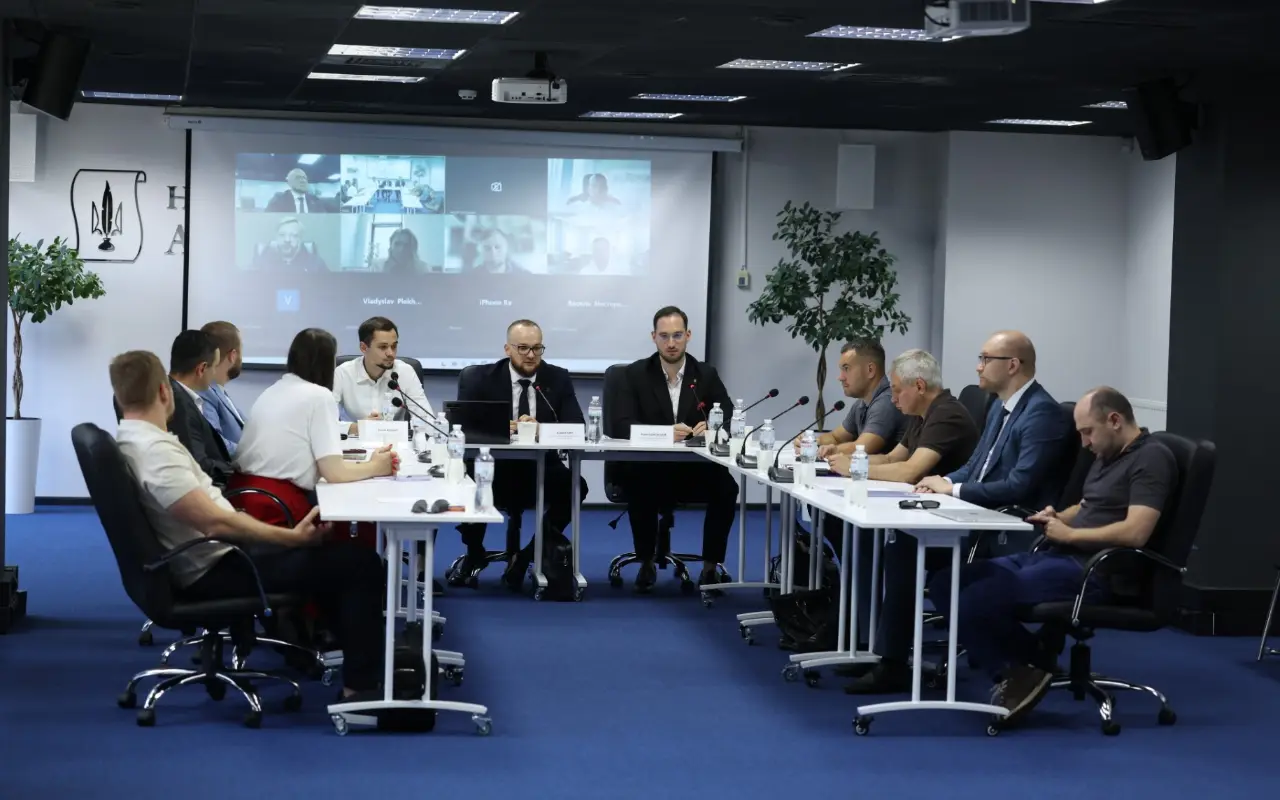
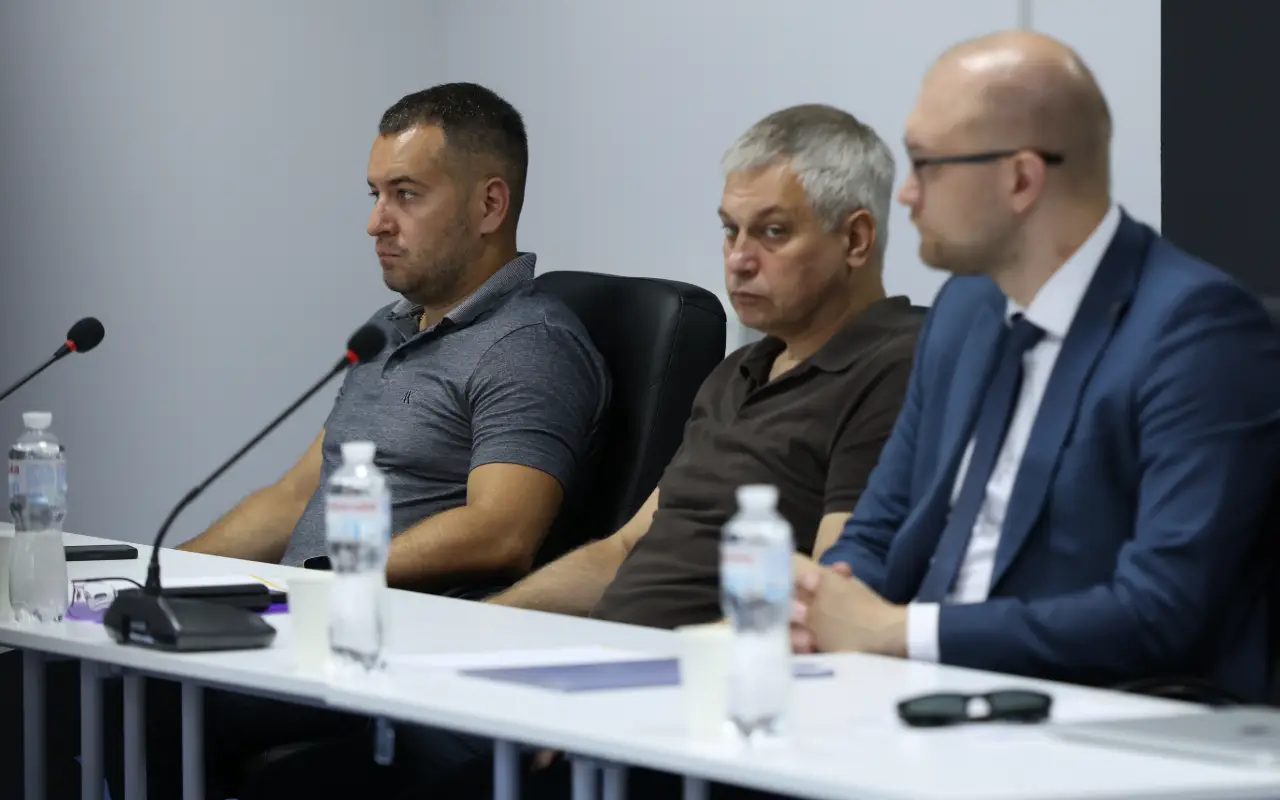
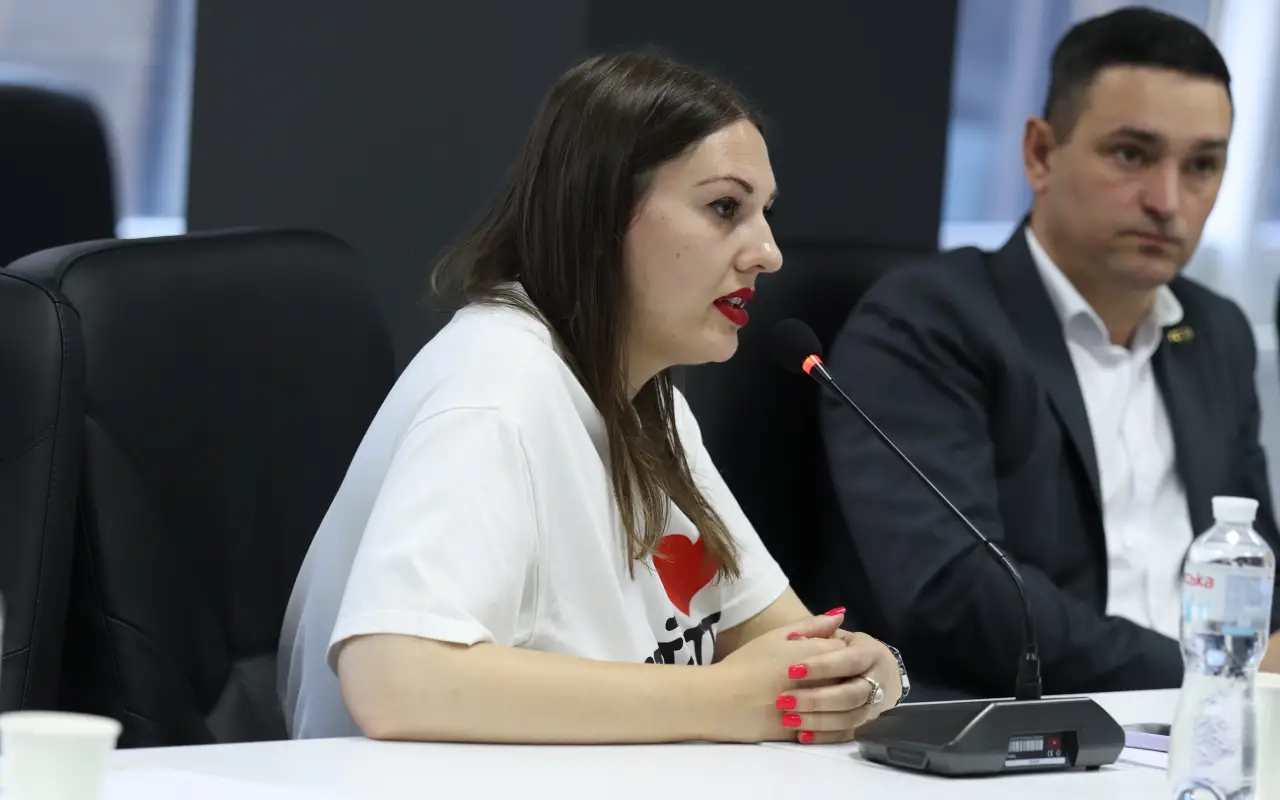
The Ukrainian National Bar Association held the first meeting of the Committee on cybersecurity and virtual assets. Participants identified the committee’s key areas of focus and the subcommittees that will address them.
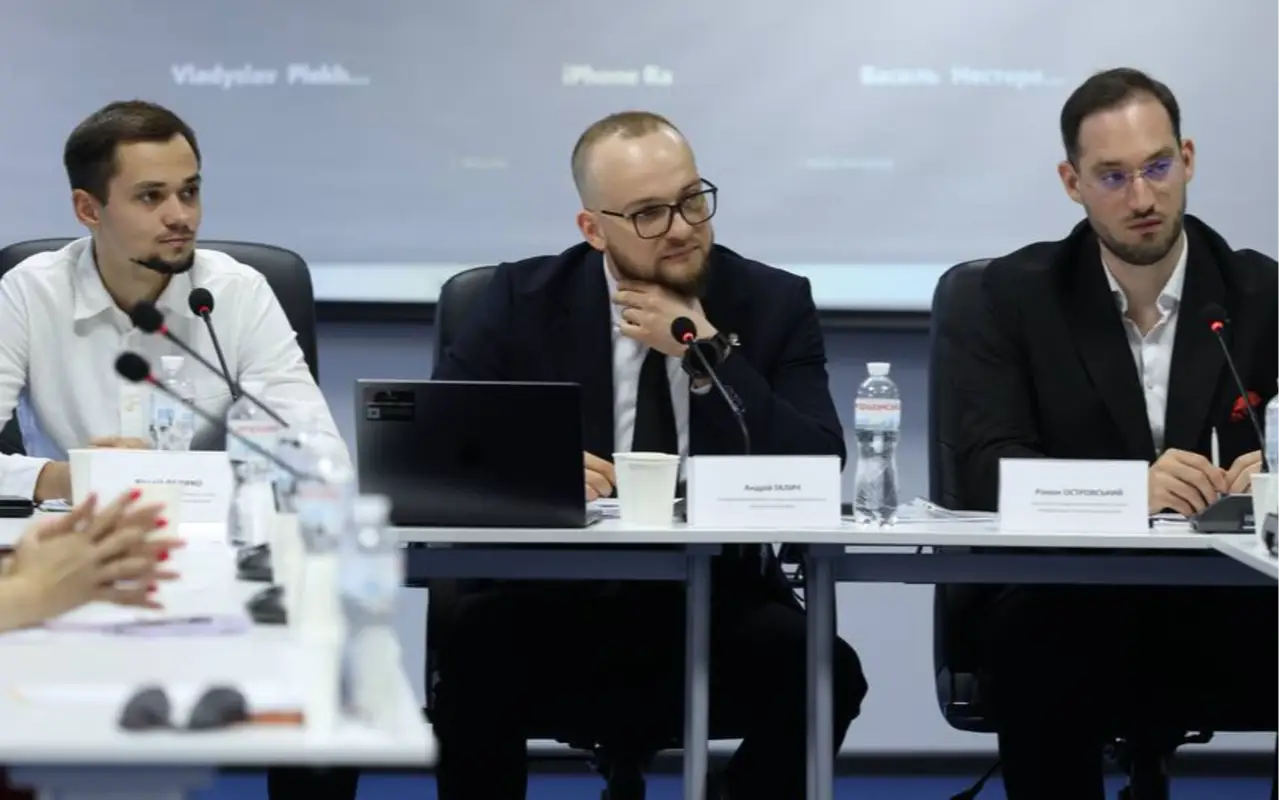
The meeting, which took place on August 13, was chaired by Committee chairman Andriy Galych. He outlined the Committee’s goals and main objectives, which include protecting individuals’ rights in cyberspace, improving legislation, and raising standards for the provision of legal assistance.
A. Galich noted that the issues the Committee will address include cybercrime, unlawful interference with information systems, and the theft of virtual assets. According to him, advocates must acquire the necessary knowledge, tools and legal mechanisms to protect clients in the digital environment and participate in improving legislation.
Deputy chairman Roman Ostrovsky reported that following the announcement of the Committee’s creation, the UNBA received over 30 applications from professionals expressing a desire to join its work. Among them are experts in crypto investigations and cybersecurity, former law enforcement officers, forensic experts, and advocates. He therefore invited participants to introduce themselves and share their professional experience.
Deputy chairman Vitaliy Fedirko outlined the organizational framework for the Committee’s work. He noted that Committee representatives may be invited to join working groups of the Verkhovna Rada and other government bodies to participate in the legislative process. The discussion also covered the organization of specialized educational events and the procedures for maintaining records within the UNBA Committees.
A. Galych informed those present about preparations for a seminar on the technical protection of information covered by attorney-client privilege. He also announced that the event would feature a demonstration of special devices for detecting covert information-gathering tools.
Four sections will be established within the Committee’s structure, focusing on the following areas:
- technical information security;
- combating cybercrime;
- interaction with virtual assets;
- expert research on cryptocurrencies.
As a reminder, the UNBA Committee on cybersecurity and virtual assets was established by Order No. 209 of the President of the UNBA, BCU dated August 6, 2026.
Popular news
Discussion
The Ministry of Defense is preparing new procedures for MMC: what changes are being proposed
The Ministry of Defense is establishing an interagency working group to develop a new procedure for military medical examinations conducted by military medical commissions. Among the issues requiring resolution are the issuance of documents based on examination results, referrals for repeat medical examinations, verification of the medical basis for decisions, and the accountability of military medical commission members.
Interaction
The UNBA is developing a concept for a Center for expert research
The Ukrainian National Bar Association has begun work on a concept for a Center for expert research, which is intended to provide advocates and their clients with access to specialized knowledge and the ability to have expert opinions professionally reviewed.
Guarantees of the practice of law
Ombudsman calls for a firm response to violence against advocates
Every instance of obstruction of an advocate’s lawful activities, use of physical force, delaying an investigation, or concealment of evidence must be subject to a proper legal assessment. The state is obligated to ensure that the right to a defense is a genuine guarantee.
Greetings
The UNBA congratulates Denis Maslov on his appointment as Minister of Justice
Denis Maslov’s many years of experience as a advocate, his work as a judge and his tenure as chairman of the Verkhovna Rada of Ukraine’s Committee on legal policy have given him a deep understanding of how the legal system functions and the challenges it faces.
Legislation
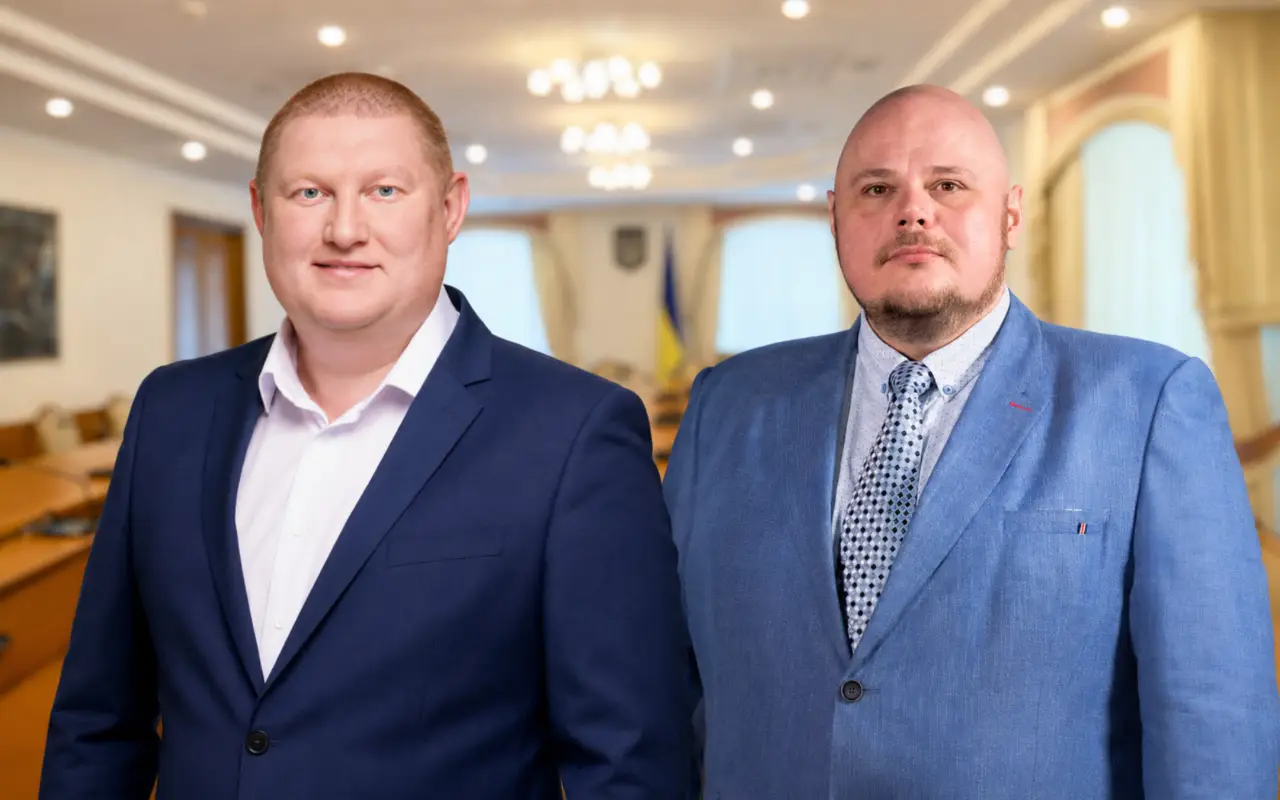
The Verkhovna Rada explained why the section on advocacy should be removed from the anti-corruption strategy
The section on advocacy and legal aid in the draft anti-corruption strategy for 2026–2030 goes beyond the scope of anti-corruption policy and is inconsistent with the constitutional guarantees of the independence of the legal profession.
Announcements
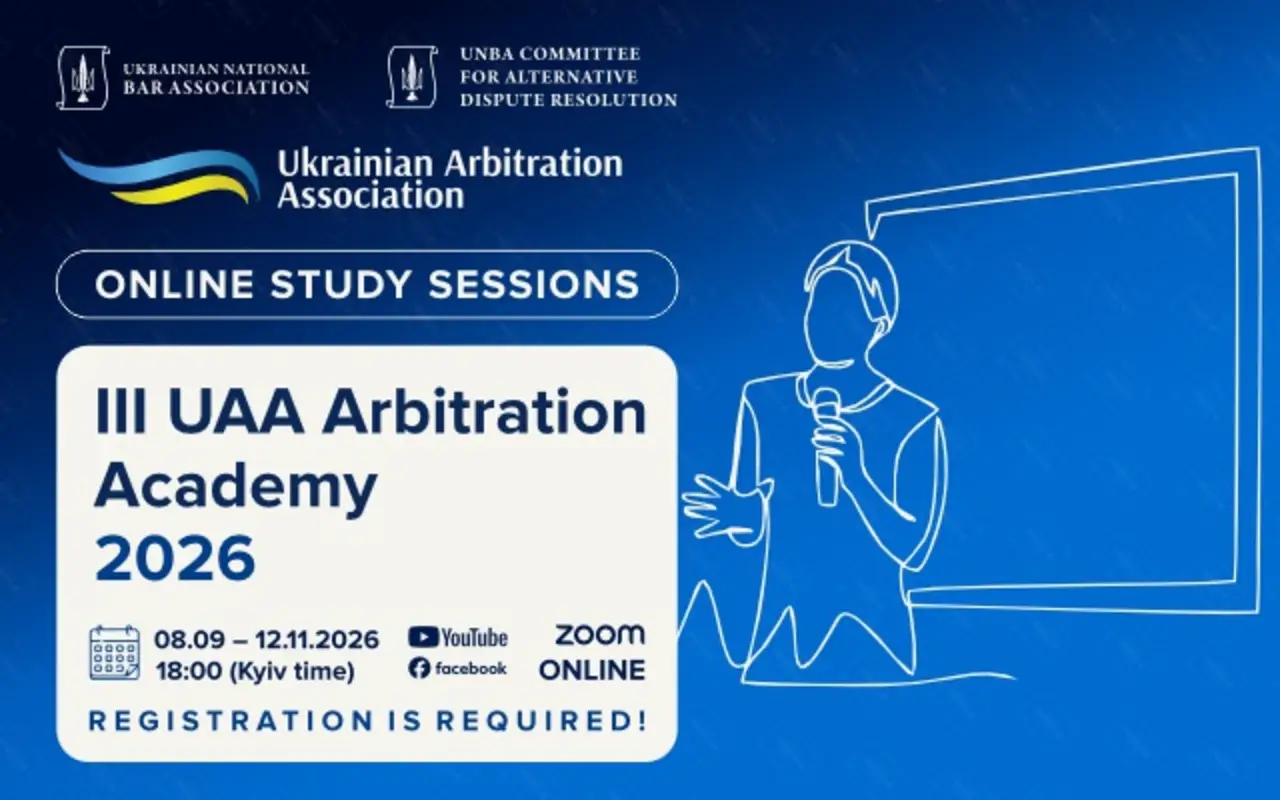
Advocates are invited to the III UAA Arbitration Academy 2026
The UNBA, at the initiative of the Committee on alternative dispute resolution, invites advocates, lawyers, students, judges, government officials and anyone interested in international arbitration to participate in the III UAA Arbitration Academy 2026.
Educational events
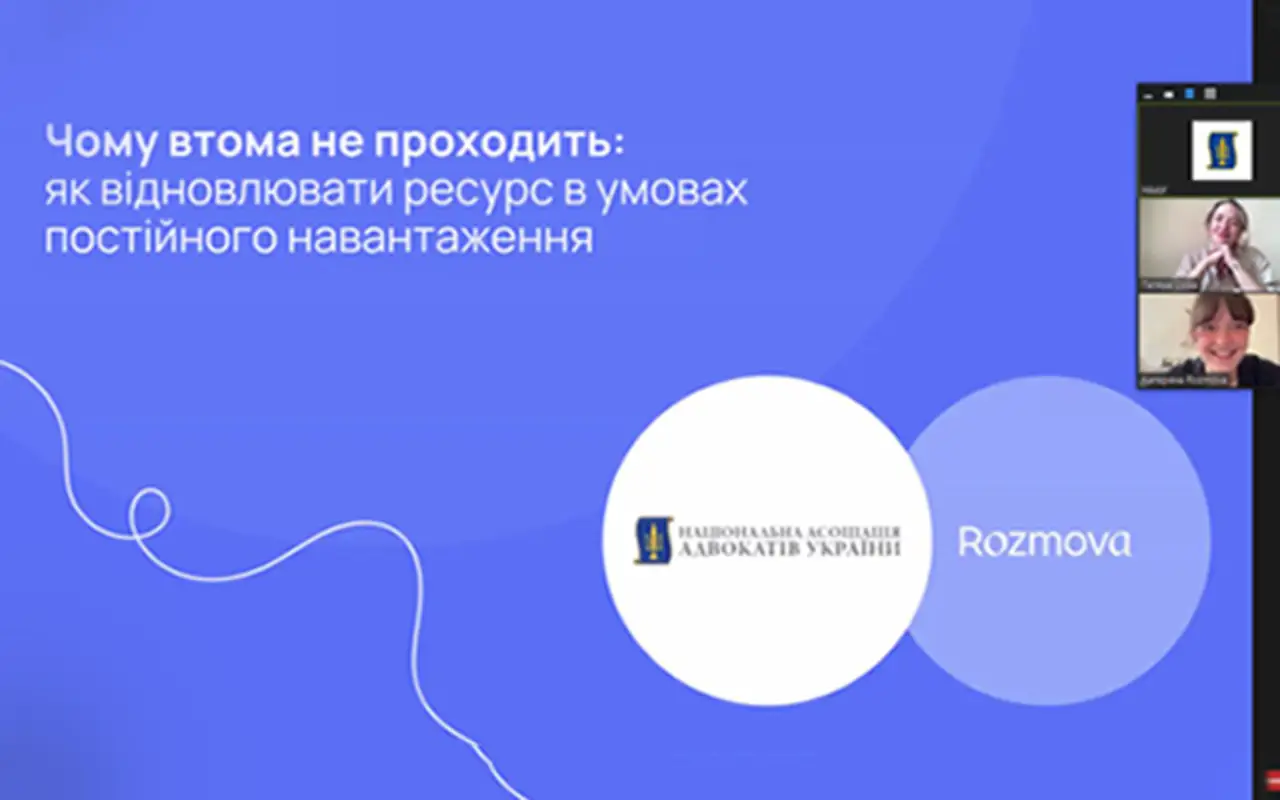
How can an advocate recharge if fatigue persists after the weekend?
Fatigue resulting from prolonged stress does not always go away after sleep, a weekend, or a vacation. In situations of chronic stress, it is important for advocates not only to «take a break» but also to understand exactly which resource has been depleted and what type of rest is needed.
Discussion
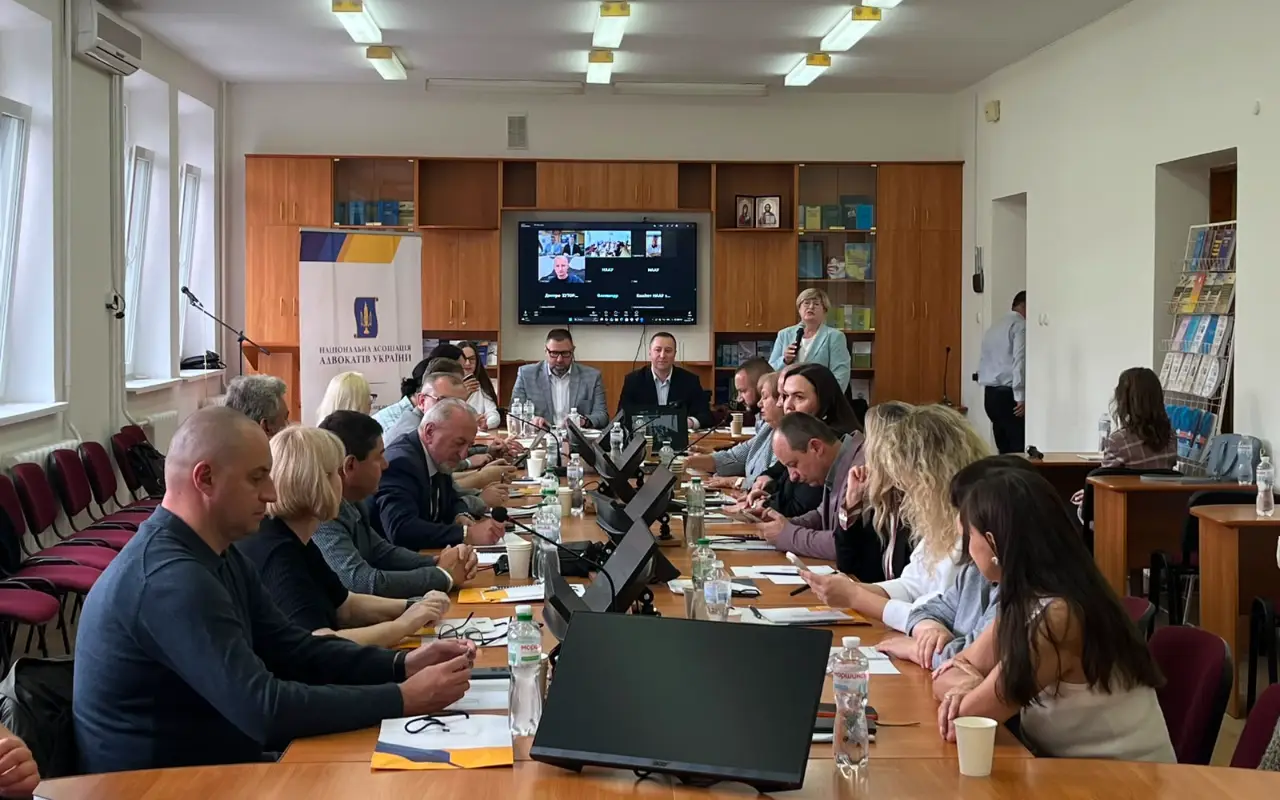
Complaints, time limits and prosecutorial powers: what gaps in the CPC do advocates see?
During the pretrial investigation stage, the effectiveness of the defense depends to a large extent on the proper implementation of procedural safeguards: the timely consideration of complaints, the advocate’s access to information regarding the progress of the proceedings and so on.
Publications

Volodymyr Matsko Extradition during wartime: when the risks outweigh the request

Volodymyr Matsko Extradition as a systemic form of rights violations

Victoria Yakusha, Law and Business The anti-corruption vertical cannot «take care» of the Bar as an institution, - acting head of the HQDCB

Censor.net Protecting advocates – protecting justice: addressing concerns about the new law

Ihor Kolesnykov A BRIEF SUMMARY REGARDING THE APPLICATION OF THE ORDER ON EXTENDED CONFISCATION IN LATVIA REGARDING FINANCIAL ASSETS OF…

Valentyn Gvozdiy WORKING IN A WAR ZONE

Lydia Izovitova Formula of perfection

Sergiy Vylkov Our judicial system is so built that courts do not trust advocates