


From the condition of the railcar to the cause of the accident: how railroad accident investigations work
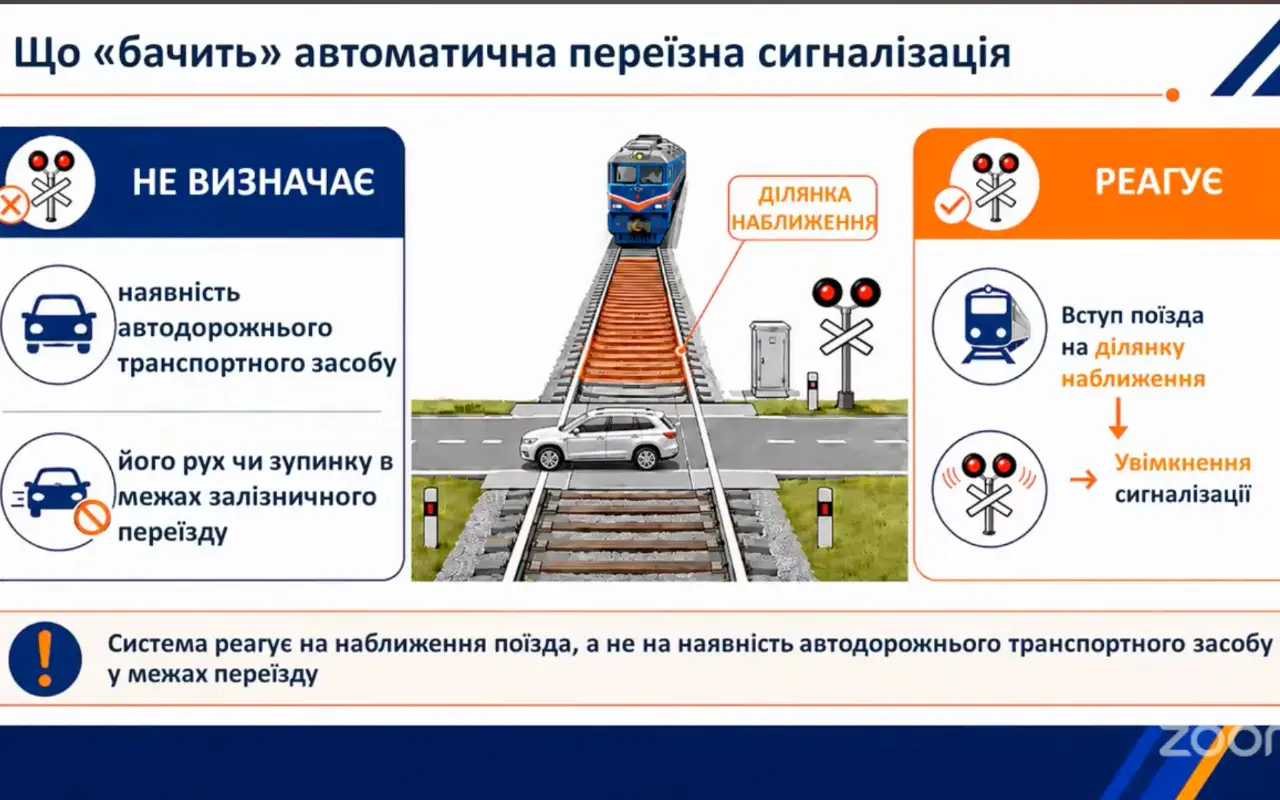
Railway and transportation expertise makes it possible to assess the technical condition of rolling stock and tracks, determine the technical cause and mechanism of an incident, assess whether employees’ actions complied with regulatory requirements, and ascertain whether, from a technical standpoint, a derailment, collision, impact, or other incident could have been prevented.
The possibilities of such investigations were discussed during the roundtable «Railway and transportation expertise in legal practice: from car inspections to the analysis of railway and transportation accidents», organized by the UNBA Committee on expert support for legal practice. The discussion was moderated by the Committee chairman Violleta Fedchyshyna. The key speakers at the event were representatives of the Railway and Transportation Research Laboratory at the Lviv National Research Institute of Railway Engineering and Safety.
The laboratory’s head Oleg Dzhus explained that experts examine the technical condition of rolling stock, the circumstances and mechanism of the accident, as well as the upper and lower track structures. The subjects of investigation may include railcars, locomotives, their assemblies, components, and infrastructure elements. Experts investigate the circumstances and mechanisms of derailments, collisions, impacts, and structural failures.
The scope of the investigation may cover the condition of the braking system, the locomotive crew’s compliance with regulatory requirements, the immediate technical cause, the sequence of contributing factors, and the possibility of preventing the accident. O. Dzhus advised dividing the issues into categories, as the results of one investigation can serve as input data for the next.
An investigation into a derailment illustrates how this works in practice. The laboratory’s forensic expert Andriy Batig explained that after an incident, the railway conducts an internal investigation: it documents evidence, the positions of the train, cars, and components, and the scattered cargo, and takes photographs and videos. These materials are used in the forensic examination.
In the laboratory’s practice, there have been cases where the internal investigation inaccurately determined the cause of the derailment. In particular, when privately owned railcars were involved, the cause of the incident might have been attributed to malfunctions in that specific rolling stock. The forensic examination, however, must determine which railcar’s or locomotive’s wheel derailed first and what caused the accident.
To do this, details are correlated with specific railcars, and the diagram, photographs, speedometer data, train separation, pressure drop in the brake line, and emergency braking are analyzed. The incident is reconstructed from the train’s final position to the start of the derailment, after which a chain of causes and effects is established.
Initial evidence may be irretrievably lost. To preserve evidence, the expert recommended not touching the fracture surfaces with fingers, not covering them with adhesive tape, not striking the rails with parts, and not throwing them. If a railcar was repaired before the expert’s inspection, evidence necessary for the investigation may be lost.
The roundtable participants discussed accidents at railroad crossings. A leading research scientist at the laboratory Oleg Voznyak advised starting with a technical hypothesis that must be confirmed or refuted.
Level crossing automation responds to trains, not cars; therefore, the expert needs a diagram, photos, and videos; the level crossing certificate; data on the signaling system; train parameters; and a track plan and profile. A collision with a car may require the comprehensive involvement of both railroad and automotive experts.
Inspecting railcars is a separate method of assessing their condition. The head of the research and testing center that conducts inspections and technical diagnostics of railcars Oleksandr Osipov noted that technical diagnostics of railcars that have reached the end of their service life are performed to determine whether that service life can be extended. During the inspection, they determine whether the railcar in service meets safety requirements, what documents confirm such compliance, and what markings it must bear.
Popular news

Legislation
The Verkhovna Rada is preparing a bill to implement the Convention on the Protection of the Professions of Lawyer
Members of Parliament plan to introduce a bill in the near future to implement the main provisions of the Council of Europe Convention on the Protection of the Professions of Lawyer. This parliamentary initiative may also prompt the government to expedite the preparation of the ratification package.

Educational events
Preparing a court argument: 7 tips for advocates
When preparing a courtroom speech, it is best to begin by formulating the decision the advocate is asking the court to render. Next, the structure of the speech should be built around this outcome, strong arguments should be selected, and weak points should be addressed.

Legislation
The path to ratification of the Convention must not end in yet another delay — L. Izovitova
Ukraine’s preparations for the ratification of the Council of Europe Convention on the Protection of the Professions of Lawyer have already passed key stages. Now, government institutions must submit the matter to the Verkhovna Rada for consideration. In doing so, Ukraine may complete the ratification process faster than EU member states.
Edition
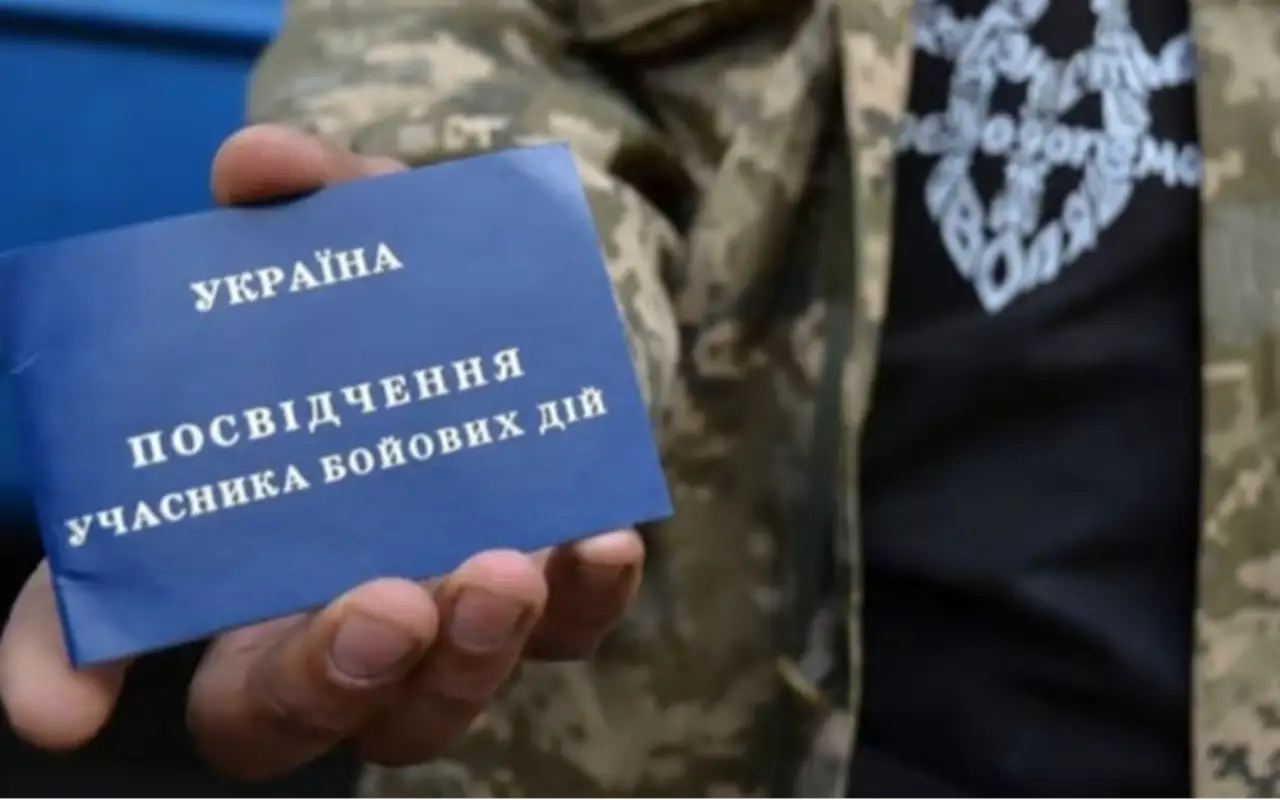
Veterans were provided with algorithms for responding to malfunctions
The UNBA Committee on the protection of victims of armed aggression against Ukraine, compensation mechanisms and European integration legal support for recovery together with the Ministry of Veterans Affairs of Ukraine has prepared the latest Legal Guide for War Veterans.

Guarantees of the practice of law
Ukraine could be the first to implement a European mechanism for the protection of advocates. What’s holding it back?
Ukraine has a chance to be the first country to ratify the Council of Europe Convention on the Protection of the Professions of Lawyer. Political support for this exists, but the government’s legislative package has not yet been submitted to parliament. Meanwhile, the number of violations of advocates’ rights is on the rise.

Educational events
How can an advocate verify that work has been completed if the client refuses to sign the report?
When billing by the hour, the primary document for determining the fee may be a detailed report on the time spent by the advocate and the work performed. To prevent the client from withholding payment, the contract should specify in advance the procedure for submitting and approving such a report.
Self-government
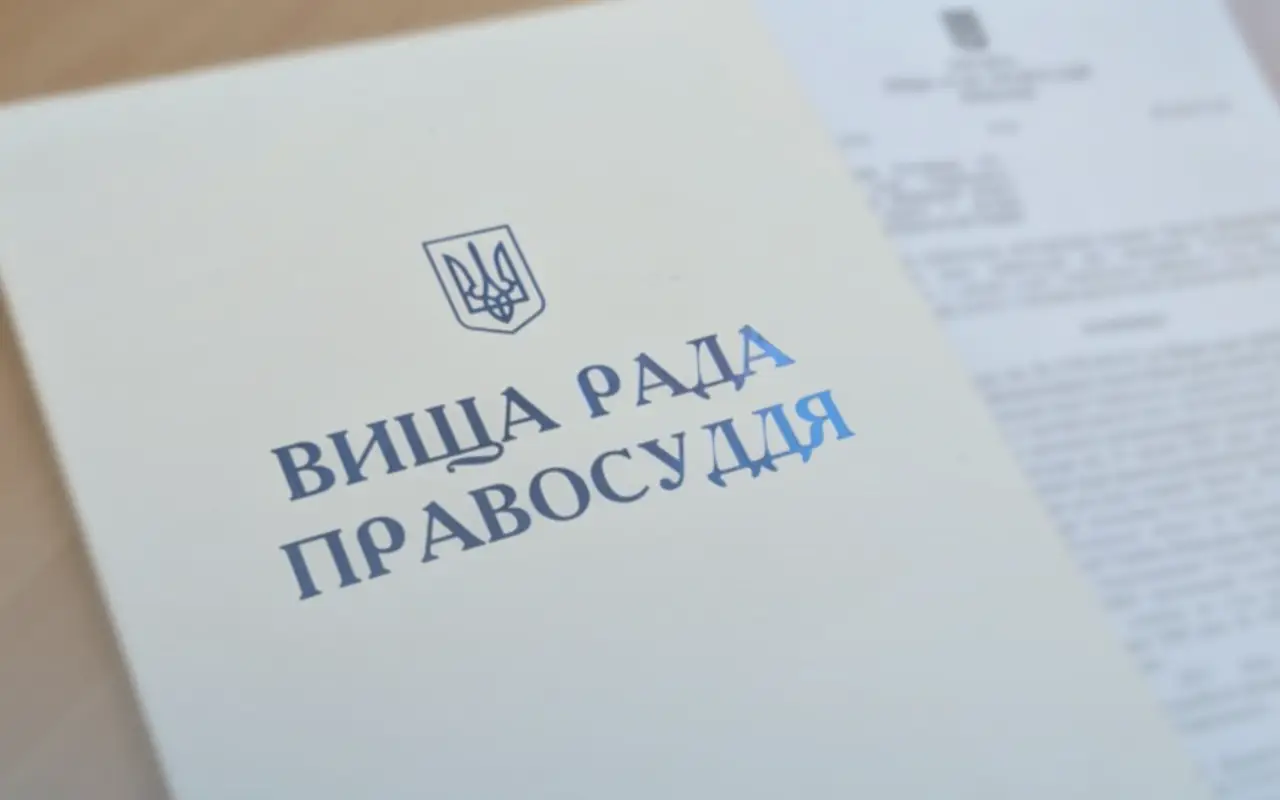
The BCU took note of the public appeal from the HCJ
The Bar Council of Ukraine has determined that, given the current security situation, it is objectively impossible to hold, in accordance with the procedure established by the Law «On the advocacy and the practice of law», meetings of advocates, regional conferences of advocates and the Congress of Ukrainian Advocates, including for the purpose of electing two members of the High Council of Justice under the quota allocated to the Congress of Ukrainian Advocates.
War
The BCU has launched a digital project «Wall of Remembrance and Honor»
The Bar Council of Ukraine has adopted a resolution to launch the digital project «Wall of Remembrance and Honor». To this end, the UNBA is beginning to collect information on advocates and paralegals who lost their lives as a result of the Russian Federation’s armed aggression against Ukraine.
Publications

Vasyl Kolishnyi, «Law and Business» Supporting mental health should become part of the professional culture of the Bar, - H. Udovenko

Volodymyr Matsko Extradition during wartime: when the risks outweigh the request

Volodymyr Matsko Extradition as a systemic form of rights violations

Victoria Yakusha, Law and Business The anti-corruption vertical cannot «take care» of the Bar as an institution, - acting head of the HQDCB

Censor.net Protecting advocates – protecting justice: addressing concerns about the new law

Ihor Kolesnykov A BRIEF SUMMARY REGARDING THE APPLICATION OF THE ORDER ON EXTENDED CONFISCATION IN LATVIA REGARDING FINANCIAL ASSETS OF…

Valentyn Gvozdiy WORKING IN A WAR ZONE

Lydia Izovitova Formula of perfection