


Identification, MMC and business losses: practical guidelines for working with expert reports
What materials need to be gathered to identify a person based on video footage, to confirm a medical diagnosis during a medical examination, and when is an assessment or forensic examination required to determine business losses?
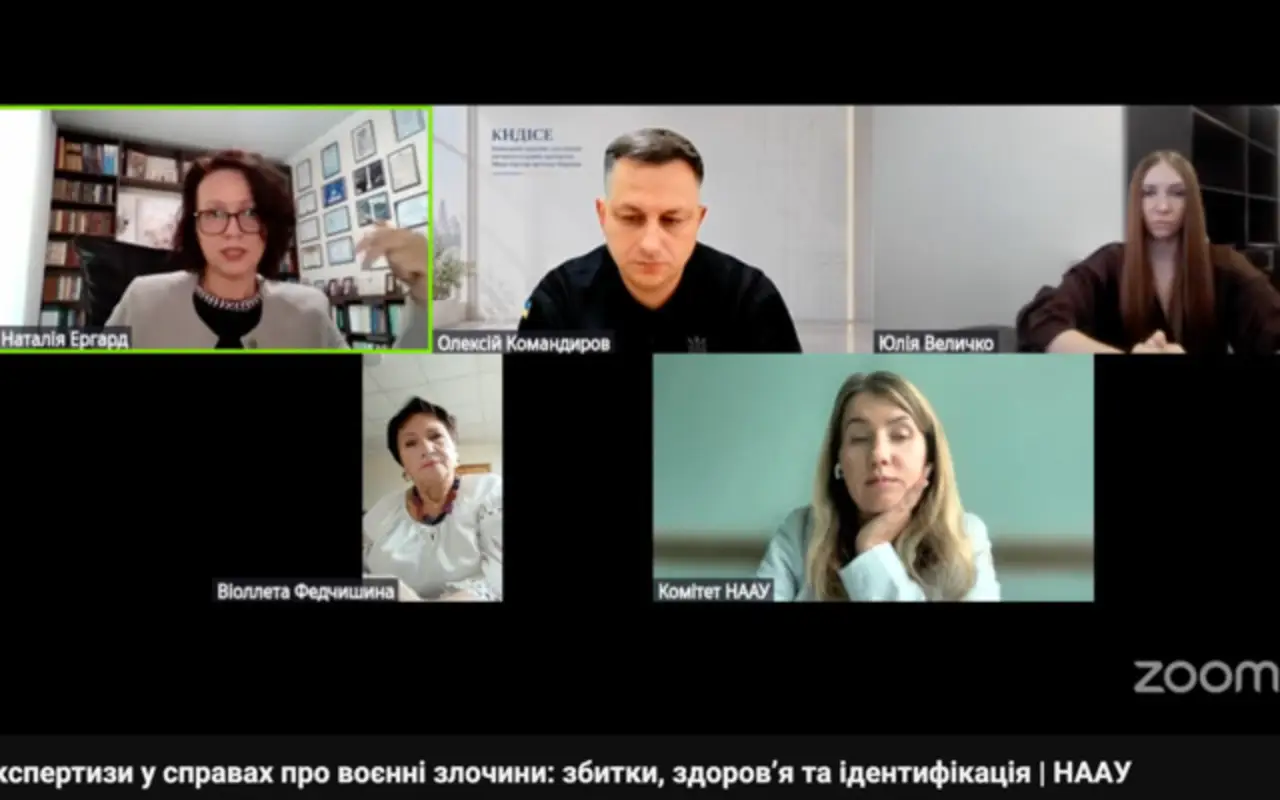
These issues were discussed during the roundtable «Expert examinations in war crimes cases: identification of persons, assessment of health status, damages and lost profits suffered by business entities», organized by the UNBA Committee on expert support for legal practice. The event was moderated by the Committee chairman Violleta Fedchyshyna.
Identification based on photos and videos
Deputy head of the Digital Evidence Research Laboratory at the KSRIFE Ruslan Demyanenko spoke about the forensic analysis conducted to identify prisoners of war, military personnel, and civilians missing under special circumstances.
According to him, the primary sources for such analyses are often video recordings from Russian Telegram channels, news reports and social media. These videos may be compressed, filmed from a distance or at an unfavorable angle, and a person’s face may be partially obscured or altered due to injuries and exhaustion.
The expert noted that identification by relatives is not equivalent to forensic identification. A conclusion requires a combination of consistent anatomical features that makes it possible to confirm or refute whether the materials under examination depict the same person.
Examinations for families of missing persons can be conducted free of charge through a collaboration between the KSRIFE, the Verkhovna Rada Commissioner for Human Rights and the Red Cross. Therefore, advocates were advised not to send a paid request directly to the institute but to contact the Ombudsman’s Office.
R. Demyanenko also advised saving any found video footage as a media file rather than relying solely on a screenshot. Each additional transfer or compression can degrade image quality and limit the possibilities for analysis.
For comparison, it is necessary to select photographs of the person taken from an angle as close as possible to that of the image under examination. Other important factors include lighting, clarity, the time interval between photos, and information about scars, keloids, moles, tattoos, or past surgeries.
Questions for the expert should focus on whether the same person is depicted in the provided materials. Identification falls within the jurisdiction of the pretrial investigation authority, while the expert compares the image under examination with the provided samples.
Medical вocuments for the MMC and the ECFME
To assess a person’s state of health, it is not sufficient to simply compare the diagnosis with the Classification of Diseases. It is necessary to determine which objective tests confirm this diagnosis. This was emphasized by forensic medical expert Natalia Ergard.
The basis for determining the degree of fitness is not only the presence of a disease, but also its severity, frequency of relapses, and the degree of impairment of organ or system functions. Medical records must also reflect the person’s current condition and the progression of the disease.
N. Ergard noted that medical records may contain a diagnosis that is not supported by test results or a description of the patient’s condition. Therefore, when preparing to appeal a decision by the Medical Examination Commission, an advocate should review the documents on which the diagnosis was based. This applies, in particular, to cases where a description of the local condition is necessary to assess the disease. If the physician did not document the location and extent of the lesions or the nature of the functional impairment, the diagnosis entry alone may not be sufficient for it to be taken into account.
Documents issued by public or private healthcare facilities must be accepted by the Medical Examination Commission for review, regardless of the facility’s ownership status. At the same time, a Medical Examination Commission doctor is not obligated to automatically base a decision on them and may refer the individual for additional testing to confirm the diagnosis.
Assessment or forensic examination of damages
Head of the Department of research on the volume, quality and cost of construction work at the KSRIFE Oleksiy Komandirov explained the differences between an appraisal report and a forensic expert’s opinion. In his view, the choice of document should depend on the available source data and on where the results of the study will ultimately be used.
An appraiser applies valuation approaches and determines the value of the property. A forensic expert, in addition to valuation, can draw on construction and technical knowledge and work under conditions of partial uncertainty when, due to damage, it is impossible to obtain a complete set of source data.
For proceedings in a Ukrainian court, O. Komandirov recommended obtaining a forensic expert’s opinion. If the document is being prepared for use in a foreign jurisdiction, an appraiser’s report prepared in accordance with international or European valuation standards may be required.
A property inspection report prepared in accordance with the Procedure for Inspecting Construction Projects Put into Operation, approved by Cabinet of Ministers Resolution No. 257 of April 12, 2017, is not a mandatory prerequisite for a forensic examination. At the same time, it can be used both to confirm the technical condition and the extent of damage, as well as during the subsequent restoration of the property.
If a building has been completely destroyed or is located in a temporarily occupied territory, the expert may rely on technical documentation and video recordings. O. Komandirov cited examples where information about a destroyed house was even obtained from home videos showing the building and the yard.
The amount of damages may include the cost of dismantling destroyed structures, cleaning up and disposing of construction waste, as well as a bomb disposal survey of the area. These costs are taken into account when determining the cost of restoring the property.
Verification of lost profits
Lost profits represent lost income; therefore, when determining them, it is necessary to examine both the enterprise’s potential revenue and its expenses. This was noted by a senior forensic expert at the Research Center for Independent Forensic Expertise Yulia Velychko.
The methodology for determining damages and losses involves using financial statements for the periods preceding the loss of the ability to conduct business and takes into account the company’s profitability. At the same time, it allows for the use of other legal provisions and specialized methodologies if the loss of profits is related to other circumstances.
In particular, such a calculation is possible when a business has lost access to assets in a temporarily occupied or frontline area, even if the fact of their physical destruction has not been confirmed. In such cases, bank statements, orders regarding furloughs or employee layoffs, notifications to tax authorities, financial and tax reports, as well as documents regarding force majeure circumstances may be used.
A company’s loss reported in its financial statements does not always rule out the existence of lost profits. For example, lost profits may arise from the destruction of goods that the company planned to sell, or from damage to or destruction of a construction-in-progress project, the revenue from which has not yet been reflected in the financial statements.
To confirm the actual rather than hypothetical possibility of generating profit, the expert requires financial and tax reports, accounting records, and contracts that have become impossible to fulfill. The list of documents is determined based on the specific company’s activities and the circumstances surrounding the cessation of its operations.
Y. Velychko separately emphasized the need to prove a causal link between the actions of the Russian Federation and the enterprise’s loss of the ability to conduct business in the occupied territory. Failure to prove such a link was one of the reasons for the denial of claims in the cases analyzed by the expert.
If the original accounting records have been destroyed or remain in the occupied territory, some of the information can be obtained through attorneys’ requests to statistical agencies and the State Tax Service. Such data can confirm the enterprise’s performance indicators, the date of submission of the last financial statements, the presence or absence of asset movements, and information about employees.
***
In conclusion, the experts answered questions regarding the timeframes for conducting investigations. O. Komandirov noted that state expert institutions are overwhelmed with materials from criminal proceedings; therefore, in other categories of cases, advocates may turn to private forensic experts. Y. Velychko added that state institutions strive to complete expert examinations within 90 days, whereas in private practice, the timeframe depends on the scope of work.
«In cases related to the consequences of war, the quality of the expert opinion depends to a large extent on the work carried out even before the expert examination is ordered. The advocate must correctly define the subject of the examination, gather the source materials, and formulate questions within the expert’s area of competence, - V. Fedchyshyn commented on the roundtable’s conclusions. - Without direct dialogue between advocates and court experts, it is difficult to reach a common understanding of the limits of expert competence and the requirements for investigative materials. Therefore, such professional meetings help identify problems before they turn into procedural errors and weaken the evidentiary position».
Popular news
War
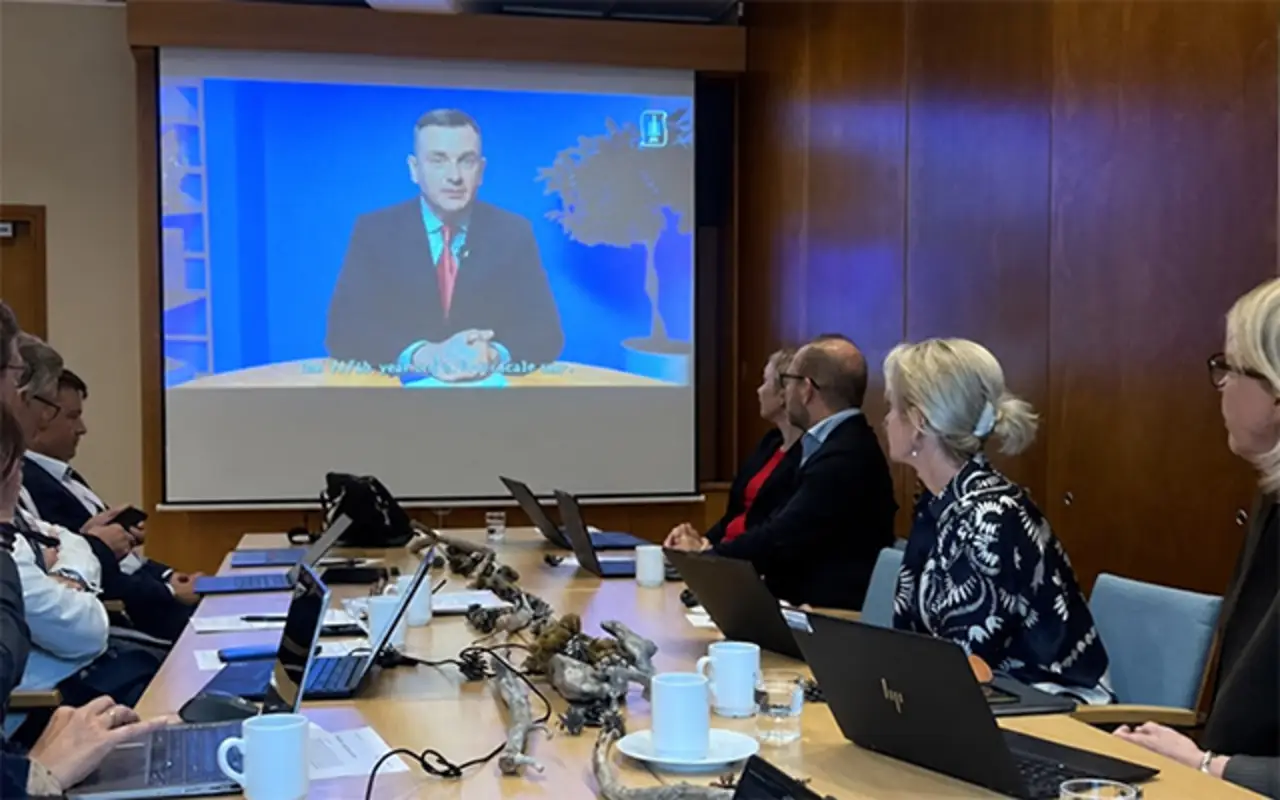
Are Europe's advocacy associations prepared for a potential war? V. Gvozdiy shared lessons from the Ukrainian experience
The continuity of the bar’s self-governance, the protection of professional registries and archives, as well as equal guarantees of employment for advocates, judges, and prosecutors must be enshrined in advance in legislation in the event of war or another emergency.

Educational events
How DISC helps manage «tigers», «monkeys», «elephants» and «turtles»
The same instruction from a manager may motivate one employee to take action, while leaving another without the necessary guidance. People perceive work tasks differently: for some, a deadline and the expected outcome are enough, while others need explanations, time or a detailed plan.

Legislation
The Verkhovna Rada is preparing a bill to implement the Convention on the Protection of the Professions of Lawyer
Members of Parliament plan to introduce a bill in the near future to implement the main provisions of the Council of Europe Convention on the Protection of the Professions of Lawyer. This parliamentary initiative may also prompt the government to expedite the preparation of the ratification package.
Educational events
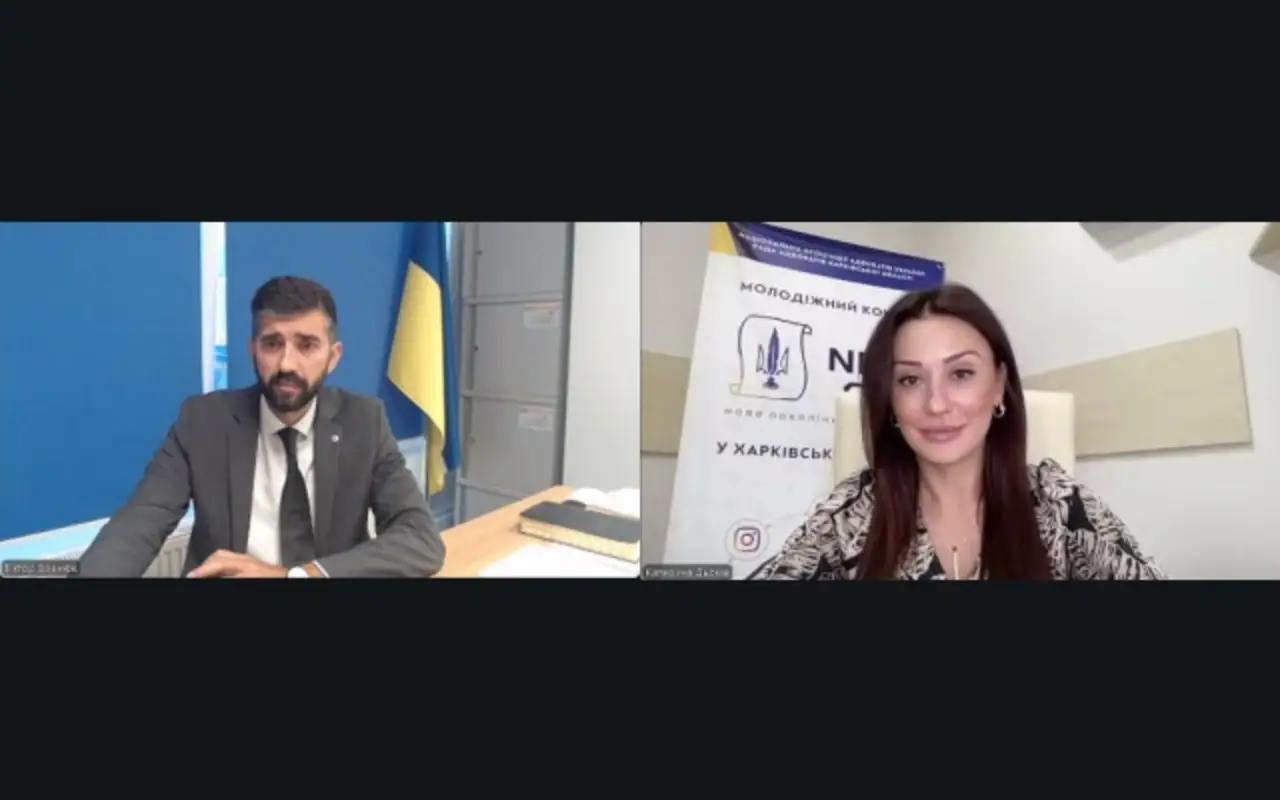
What an advocate should consider when a fee dispute escalates into a complaint to the QDBC
If an advocate files a lawsuit seeking to recover fees from a client, the client may in turn file a complaint with the High Qualification and Disciplinary Commission of the Bar in an effort to compel the advocate to withdraw the lawsuit. How do the advocacy’s disciplinary bodies handle such cases?

Greetings
The UNBA honored the winners of the «In the language of prose» contest and opened a fashion exhibition
The competition was organized by the UNBA Committee on humanitarian issues and creative initiatives in cooperation with the Center for advocacy and legal research. Two dozen advocates from various regions of Ukraine submitted their works to the competition committee for consideration. The entries were evaluated based on originality, the relevance of the chosen topic and the level of technical skill.

Discussion
What is holding back funding for gas-fired power generation – discussion between businesses and banks at the UNBA
To provide loans for new gas-fired power generation projects, banks require a predictable cash flow, an investor’s equity contribution, and risk-sharing mechanisms. A business model that relies solely on a preferential gas price is not a sufficient basis for financing.
Educational events
Preparing a court argument: 7 tips for advocates
When preparing a courtroom speech, it is best to begin by formulating the decision the advocate is asking the court to render. Next, the structure of the speech should be built around this outcome, strong arguments should be selected, and weak points should be addressed.
Legislation
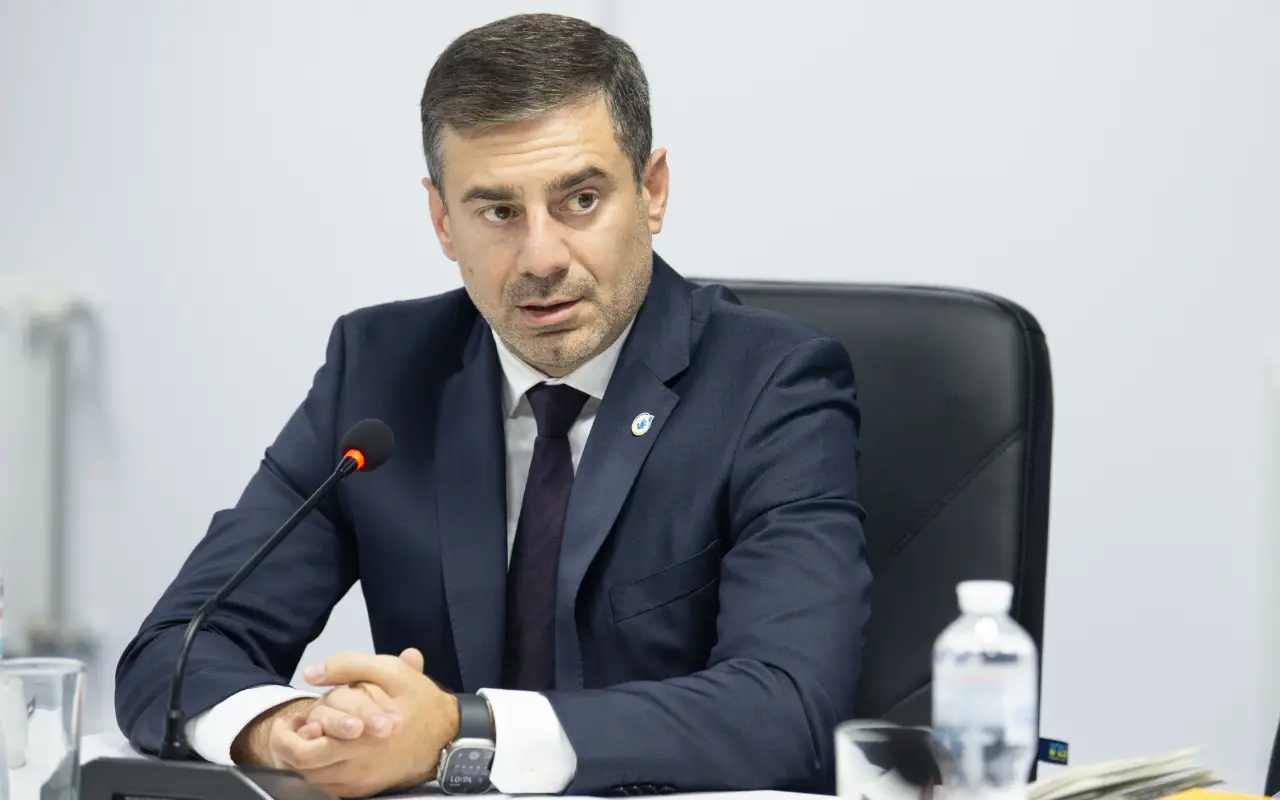
Advocates’ access to the TCC and the SP should be regulated by law – Ombudsman
The practice of denying advocates access to the premises of the TCC and the SP bears the hallmarks of systematic obstruction of the legal profession and deprives people of the opportunity to promptly obtain professional legal assistance. The procedure for such access must be codified in regulations issued by the Ministry of Defense.
Publications

Vasyl Kolishnyi, «Law and Business» Supporting mental health should become part of the professional culture of the Bar, - H. Udovenko

Volodymyr Matsko Extradition during wartime: when the risks outweigh the request

Volodymyr Matsko Extradition as a systemic form of rights violations

Victoria Yakusha, Law and Business The anti-corruption vertical cannot «take care» of the Bar as an institution, - acting head of the HQDCB

Censor.net Protecting advocates – protecting justice: addressing concerns about the new law

Ihor Kolesnykov A BRIEF SUMMARY REGARDING THE APPLICATION OF THE ORDER ON EXTENDED CONFISCATION IN LATVIA REGARDING FINANCIAL ASSETS OF…

Valentyn Gvozdiy WORKING IN A WAR ZONE

Lydia Izovitova Formula of perfection